Coward Robert M, Mills Jesse N
Department of Urology, UNC School of Medicine, Chapel Hill, NC, USA.
UNC Fertility LLC, Raleigh, NC, USA.
Transl Androl Urol. 2017 Aug;6(4):730-744. doi: 10.21037/tau.2017.07.15.
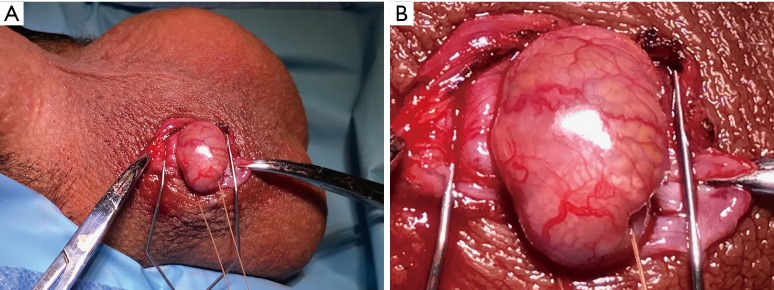
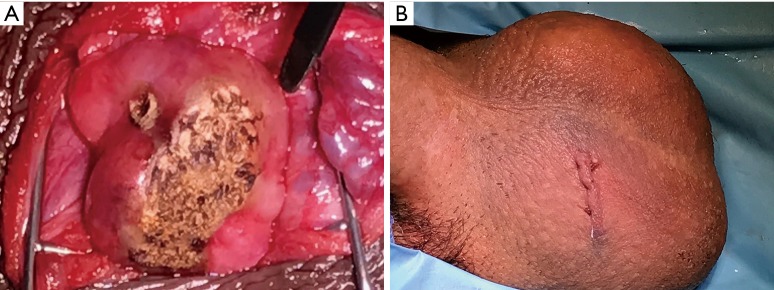
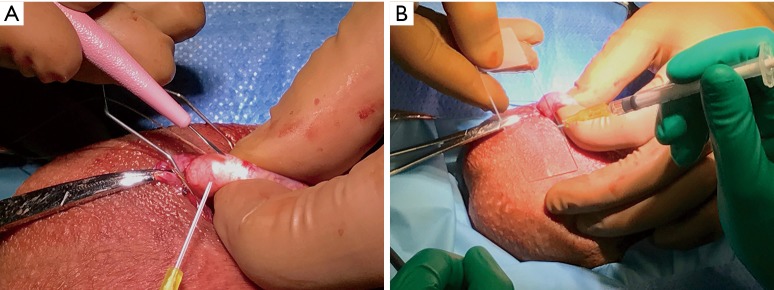
A variety of surgical options exists for sperm retrieval in the setting of obstructive azoospermia (OA). With appropriate preparation, the majority of these techniques can safely be performed in the office with local anesthesia and with or without monitored anesthesia care (MAC). The available techniques include percutaneous options such as percutaneous epididymal sperm aspiration (PESA) and testicular sperm aspiration (TESA), as well as open techniques that include testicular sperm extraction (TESE) and microsurgical epididymal sperm aspiration (MESA). In addition to providing a step-by-step description of each available approach, we introduce and describe a new technique for sperm retrieval for OA called minimally invasive epididymal sperm aspiration (MIESA). The MIESA utilizes a tiny keyhole incision, and the epididymis is exposed without testicular delivery. Epididymal aspiration is performed in the style of MESA, except using loupe magnification rather than an operating microscope. MIESA is a safe, office-based procedure in which millions of motile sperm can be retrieved for cryopreservation. While we prefer the MIESA technique for OA, there remain distinct advantages of each open and percutaneous approach. In the current era of assisted reproductive technology, sperm retrieval rates for OA should approach 100% regardless of the technique. This reference provides a roadmap for both advanced and novice male reproductive surgeons to guide them through every stage of sperm retrieval for OA, including preoperative evaluation, patient selection, procedural techniques, and complications. With the incredible advances in in vitro fertilization (IVF), combined with innovative surgical treatment for male factor infertility in recent years, OA is no longer a barrier for men to become biologic fathers.
对于梗阻性无精子症(OA)患者,有多种取精手术可供选择。经过适当准备,这些技术中的大多数都可以在门诊使用局部麻醉,且可选择有或没有监护麻醉(MAC)的情况下安全进行。现有的技术包括经皮穿刺方法,如经皮附睾精子抽吸术(PESA)和睾丸精子抽吸术(TESA),以及开放性手术,包括睾丸精子提取术(TESE)和显微外科附睾精子抽吸术(MESA)。除了对每种可用方法进行逐步描述外,我们还介绍并描述了一种用于OA取精的新技术,称为微创附睾精子抽吸术(MIESA)。MIESA采用微小的锁孔切口,无需取出睾丸即可暴露附睾。附睾抽吸以MESA的方式进行,只是使用放大镜放大而不是手术显微镜。MIESA是一种安全的门诊手术,可获取数百万条活动精子用于冷冻保存。虽然我们更倾向于将MIESA技术用于OA,但每种开放性和经皮穿刺方法都有其独特的优势。在当前辅助生殖技术时代,无论采用何种技术,OA的取精成功率都应接近100%。本参考文献为经验丰富和新手男性生殖外科医生提供了一个路线图,以指导他们完成OA取精的每个阶段,包括术前评估、患者选择、手术技术和并发症处理。随着体外受精(IVF)的惊人进展,以及近年来男性因素不孕症的创新手术治疗,OA不再是男性成为生物学父亲的障碍。