Asari Yuko, Kageyama Kazunori, Nakada Yuki, Tasso Mizuki, Takayasu Shinobu, Niioka Kanako, Ishigame Noriko, Daimon Makoto
Department of Endocrinology and Metabolism, Graduate School of Medicine, Hirosaki University, Hirosaki, Japan.
Onco Targets Ther. 2017 Sep 1;10:4329-4338. doi: 10.2147/OTT.S141345. eCollection 2017.
The primary cause of Cushing's disease is adrenocorticotropic hormone (ACTH)-producing pituitary adenomas. EGFR signaling induces mRNA-transcript levels and ACTH secretion from corticotroph tumors. The Jak-STAT pathway is located downstream of EGFR signaling; therefore, a Jak2 inhibitor could be an effective therapy for EGFR-related tumors. In this study, we determined the effect of a potent and selective Jak2 inhibitor, SD1029, on ACTH production and proliferation in mouse AtT20 corticotroph tumor cells.
AtT20 pituitary corticotroph tumor cells were cultured after transfection with - or -specific siRNA. Expression levels of mouse , and mRNAs were evaluated using quantitative real-time polymerase chain reaction. ACTH levels were measured using ACTH ELISA. Western blot analysis was performed to examine protein expression of phosphorylated STAT3/STAT3. Viable cells and DNA fragmentation were measured using a cell-proliferation assay and cell-death detection ELISA, respectively. Cellular DNA content was analyzed using fluorescence-activated cell sorting.
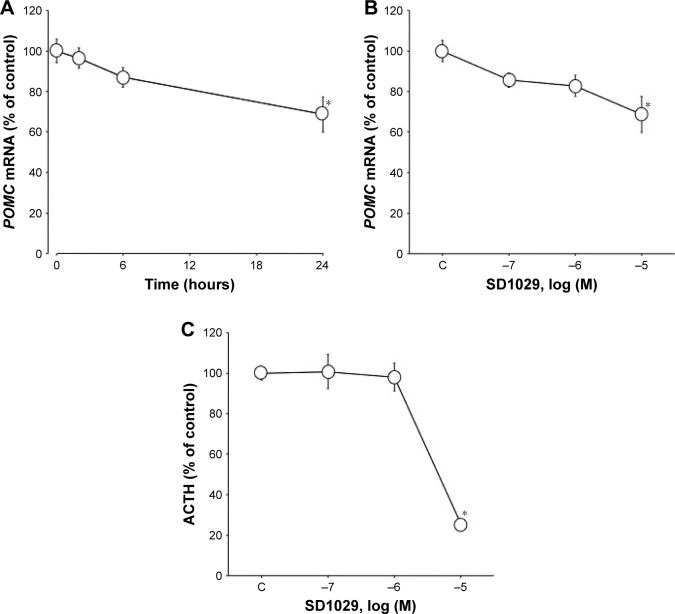
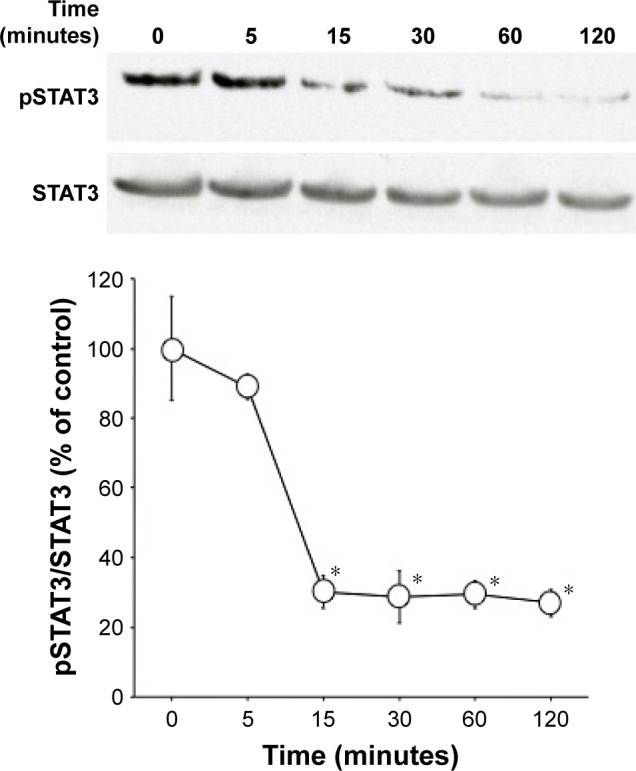
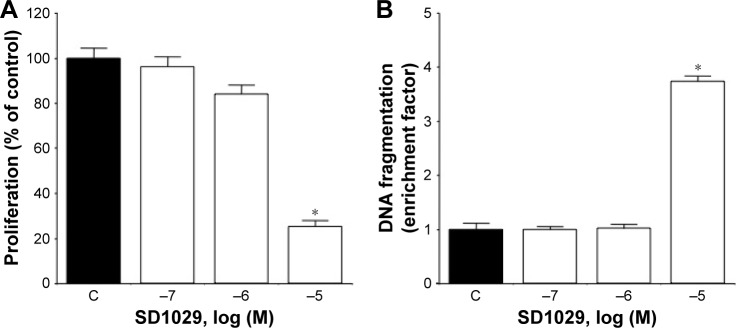
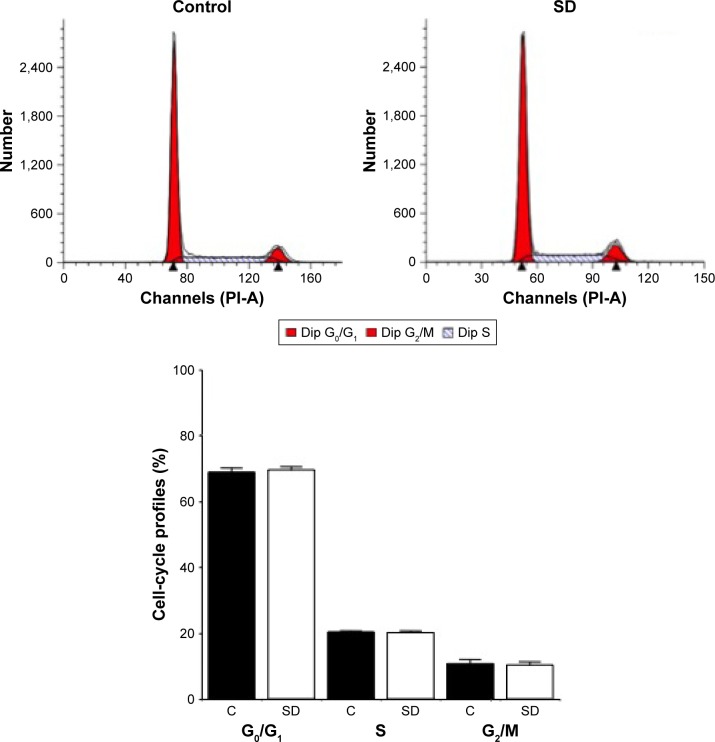
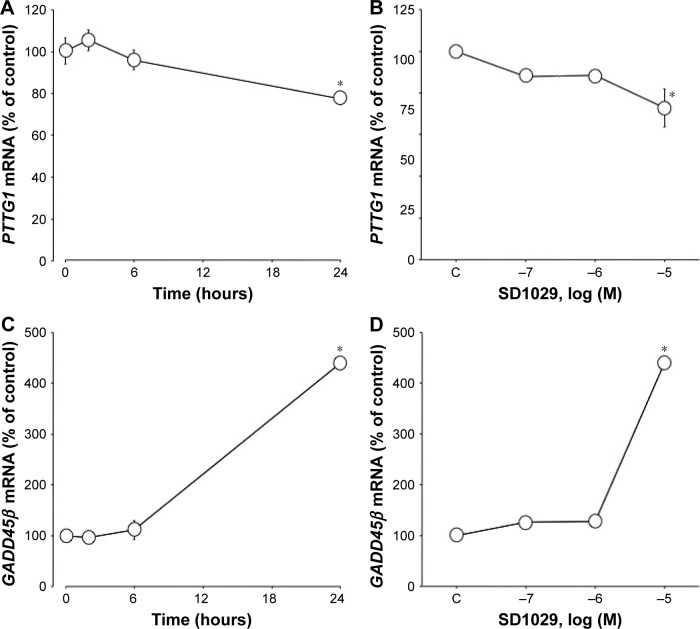
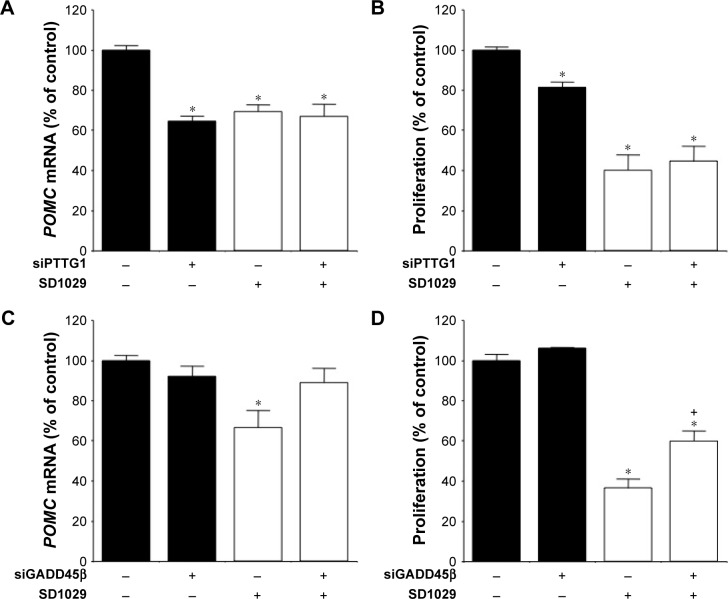
SD1029 decreased and mRNA and ACTH levels, while increasing levels. The drug also decreased AtT20-cell proliferation and induced apoptosis, but did not alter cell-cycle progression. SD1029 also inhibited STAT3 phosphorylation. knockdown inhibited mRNA levels and cell proliferation. However, combined treatment with knockdown and SD1029 had no additive effect on mRNA levels or cell proliferation. knockdown inhibited the SD1029-induced decrease in mRNA levels and also partially inhibited the decrease in cell proliferation.
Both PTTG1 and GADD45β may be responsible, at least in part, for the Jak2-induced suppression of ACTH synthesis and cell proliferation. Accordingly, therapies that target EGFR-dependent Jak2/STAT3 may have clinical applications for treating Cushing's disease.
库欣病的主要病因是产生促肾上腺皮质激素(ACTH)的垂体腺瘤。表皮生长因子受体(EGFR)信号传导可诱导促肾上腺皮质激素细胞肿瘤的mRNA转录水平及ACTH分泌。Jak-STAT信号通路位于EGFR信号传导的下游;因此,Jak2抑制剂可能是治疗EGFR相关肿瘤的有效疗法。在本研究中,我们确定了一种强效且选择性的Jak2抑制剂SD1029对小鼠AtT20促肾上腺皮质激素细胞肿瘤细胞中ACTH产生及增殖的影响。
用针对或的特异性小干扰RNA(siRNA)转染后培养AtT20垂体促肾上腺皮质激素细胞肿瘤细胞。使用定量实时聚合酶链反应评估小鼠、和mRNA的表达水平。使用ACTH酶联免疫吸附测定法测量ACTH水平。进行蛋白质印迹分析以检测磷酸化STAT3/STAT3的蛋白质表达。分别使用细胞增殖测定法和细胞死亡检测酶联免疫吸附测定法测量活细胞和DNA片段化。使用荧光激活细胞分选分析细胞DNA含量。
SD1029降低了和mRNA以及ACTH水平,同时增加了水平。该药物还降低了AtT20细胞的增殖并诱导了细胞凋亡,但未改变细胞周期进程。SD1029还抑制了STAT3磷酸化。敲低抑制了mRNA水平和细胞增殖。然而,敲低与SD1029联合治疗对mRNA水平或细胞增殖没有相加作用。敲低抑制了SD1029诱导的mRNA水平降低,并且也部分抑制了细胞增殖的降低。
PTTG1和GADD45β可能至少部分地导致Jak2诱导的ACTH合成抑制和细胞增殖。因此,靶向EGFR依赖性Jak2/STAT3的疗法可能在治疗库欣病方面具有临床应用价值。