Hiwasa Takaki, Zhang Xiao-Meng, Kimura Risa, Ohno Mikiko, Chen Po-Min, Nishi Eiichiro, Ono Koh, Kimura Takeshi, Kamitsukasa Ikuo, Wada Takeshi, Aotsuka Akiyo, Mine Seiichiro, Takizawa Hirotaka, Kashiwado Koichi, Takemoto Minoru, Kobayashi Kazuki, Kawamura Harukiyo, Ishibashi Ryoichi, Yokote Koutaro, Nakamura Rika, Tomiyoshi Go, Shinmen Natsuko, Kuroda Hideyuki
Department of Biochemistry and Genetics, Graduate School of Medicine, Chiba University, Chiba, Japan.
Department of Cardiovascular Medicine, Graduate School of Medicine, Kyoto University, Kyoto, Japan.
J Circ Biomark. 2016 Apr 7;5:8. doi: 10.5772/63218. eCollection 2016 Jan-Dec.
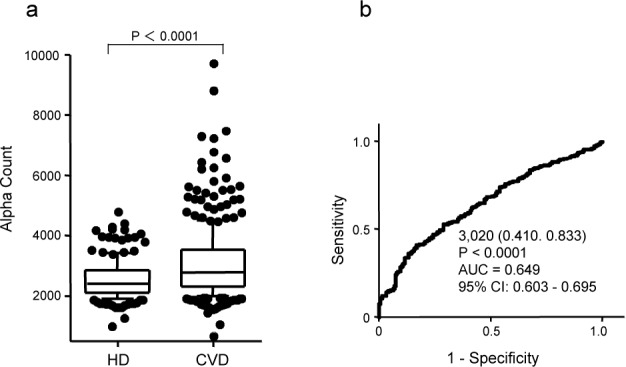
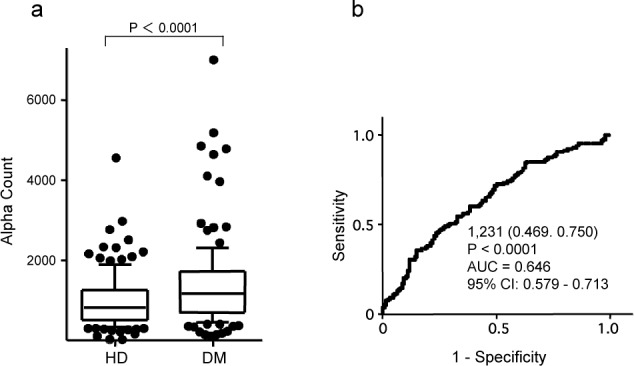
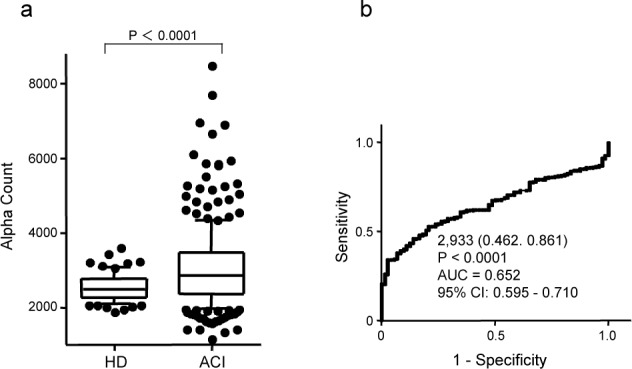
Adiponectin secreted from the adipocytes plays pleiotropic, anti-atherosclerotic roles, such as enhancement of insulin secretion and an increase in energy expenditure. The measurement of levels of circulating adiponectin is useful to evaluate the progression of atherosclerosis-related diseases, such as coronary artery disease (CAD), cerebral infarction (CI) and diabetes mellitus (DM). We examined the serum antibody levels against recombinant adiponectin protein via the amplified luminescent proximity homogeneous assay-linked immunosorbent assay (AlphaLISA) method. The results revealed that the antibody levels were significantly higher in patients with CAD, CI and type 2 DM, than in healthy donors. Receiver operating curve analysis showed that the sensitivity was in a range of 41-48% for CAD, CI and DM. Thus, the serum anti-adiponectin antibody levels could be a common marker for atherosclerosis-related diseases.
脂肪细胞分泌的脂联素发挥着多效性的抗动脉粥样硬化作用,如增强胰岛素分泌和增加能量消耗。测量循环脂联素水平有助于评估动脉粥样硬化相关疾病的进展,如冠状动脉疾病(CAD)、脑梗死(CI)和糖尿病(DM)。我们通过放大发光邻近均相分析联免疫吸附测定(AlphaLISA)法检测了针对重组脂联素蛋白的血清抗体水平。结果显示,CAD、CI和2型DM患者的抗体水平显著高于健康供体。受试者工作特征曲线分析表明,CAD、CI和DM的灵敏度在41%-48%范围内。因此,血清抗脂联素抗体水平可能是动脉粥样硬化相关疾病的一个共同标志物。