University of Pennsylvania, Department of Genetics and Institute for Diabetes, Obesity, and Metabolism, Philadelphia, PA, USA.
Mol Metab. 2017 May 31;6(9):1066-1076. doi: 10.1016/j.molmet.2017.05.015. eCollection 2017 Sep.
Epigenetics, in the broadest sense, governs all aspects of the life of any multicellular organism, as it controls how differentiated cells arrive at their unique phenotype during development and differentiation, despite having a uniform (with some exceptions such as T-cells and germ cells) genetic make-up. The endocrine pancreas is no exception. Transcriptional regulators and epigenetic modifiers shape the differentiation of the five major endocrine cell types from their common precursor in the fetal pancreatic bud. Beyond their role in cell differentiation, interactions of the organism with the environment are also often encoded into permanent or semi-permanent epigenetic marks and affect cellular behavior and organismal health. Epigenetics is defined as any heritable - at least through one mitotic cell division - change in phenotype or trait that is not the result of a change in genomic DNA sequence, and it forms the basis that mediates the environmental impact on diabetes susceptibility and islet function.
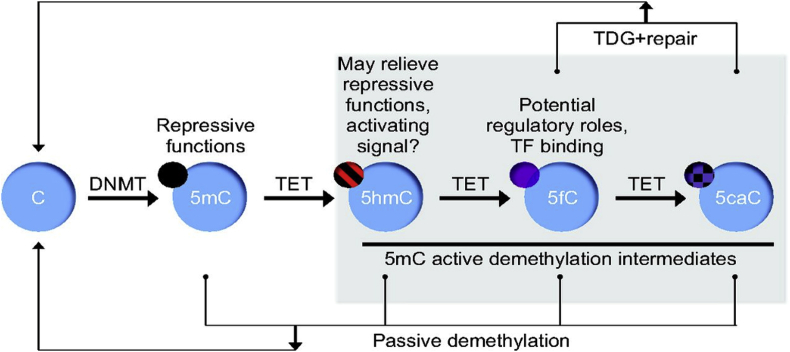
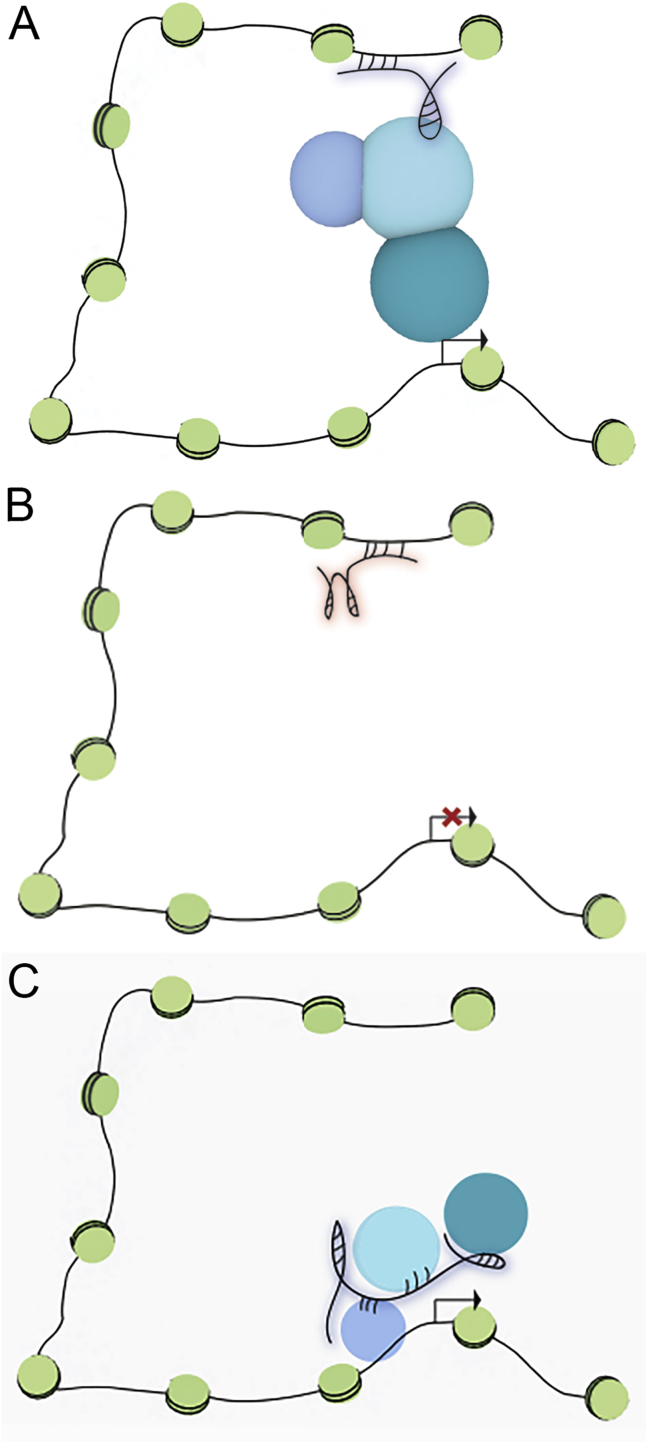
We will summarize the impact of epigenetic regulation on islet cell development, maturation, function, and pathophysiology. We will briefly recapitulate the major epigenetic marks and their relationship to gene activity, and outline novel strategies to employ targeted epigenetic modifications as a tool to improve islet cell function.
The improved understanding of the epigenetic underpinnings of islet cell differentiation, function and breakdown, as well as the development of innovative tools for their manipulation, is key to islet cell biology and the discovery of novel approaches to therapies for islet cell failure.
广义而言,表观遗传学控制着任何多细胞生物生命的各个方面,因为它控制着分化细胞如何在发育和分化过程中达到其独特的表型,尽管它们具有相同的遗传组成(除了 T 细胞和生殖细胞等一些例外)。内分泌胰腺也不例外。转录调节剂和表观遗传修饰因子塑造了从胎儿胰腺芽的共同前体细胞分化为五种主要内分泌细胞类型的过程。除了在细胞分化中的作用外,机体与环境的相互作用也常常被编码为永久性或半永久性的表观遗传标记,并影响细胞行为和机体健康。表观遗传学被定义为任何可遗传的——至少通过一次有丝分裂细胞分裂——表型或特征的变化,而不是基因组 DNA 序列变化的结果,它构成了介导环境对糖尿病易感性和胰岛功能影响的基础。
我们将总结表观遗传调控对胰岛细胞发育、成熟、功能和病理生理学的影响。我们将简要回顾主要的表观遗传标记及其与基因活性的关系,并概述新的策略,以利用靶向表观遗传修饰作为改善胰岛细胞功能的工具。
对胰岛细胞分化、功能和衰竭的表观遗传基础的深入了解,以及用于其操作的创新工具的开发,是胰岛细胞生物学和发现胰岛细胞衰竭治疗新方法的关键。