Vanderbilt Translational and Clinical Cardiovascular Research Center, Vanderbilt University School of Medicine, Nashville, TN, USA.
Division of Diabetes, Endocrinology, and Metabolism, Vanderbilt University Medical Center, 2213 Garland Avenue, MRB IV Suite 7465, Nashville, TN, 37232, USA.
Diabetologia. 2018 May;61(5):987-995. doi: 10.1007/s00125-017-4442-9. Epub 2017 Sep 28.
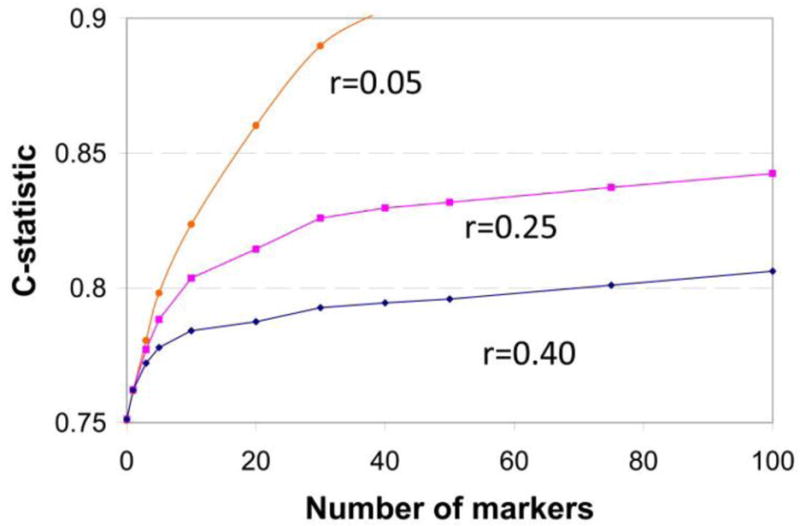
Cardiovascular disease is a leading cause of death, especially in individuals with diabetes mellitus, whose risk of morbidity and mortality due to cardiovascular disease is markedly increased compared with the general population. There has been growing interest in the identification of biomarkers of cardiovascular disease in people with diabetes. The present review focuses on the current and potential contributions of these biomarkers to predicting cardiovascular risk in individuals with diabetes. At present, certain biomarkers and biomarker combinations can lead to modest improvements in the prediction of cardiovascular disease in diabetes beyond traditional cardiovascular risk factors. Emerging technologies may enable the discovery of novel biomarkers and generate new information about known biomarkers (such as new combinations of biomarkers), which could lead to significant improvements in cardiovascular disease risk prediction. A critical question, however, is whether improvements in risk prediction will affect processes of care and decision making in clinical practice, as this will be required to achieve the ultimate goal of improving clinical outcomes in diabetes.
心血管疾病是导致死亡的主要原因,尤其是在糖尿病患者中,他们患心血管疾病的发病率和死亡率明显高于普通人群。人们越来越关注识别糖尿病患者心血管疾病的生物标志物。本综述重点介绍了这些生物标志物在预测糖尿病患者心血管风险方面的当前和潜在贡献。目前,某些生物标志物和生物标志物组合可以在预测糖尿病患者心血管疾病方面带来适度的改善,超越传统心血管危险因素。新兴技术可能会发现新的生物标志物,并为已知生物标志物(例如生物标志物的新组合)提供新的信息,这可能会极大地改善心血管疾病风险预测。然而,一个关键问题是,风险预测的改善是否会影响临床实践中的护理和决策过程,因为这是实现改善糖尿病临床结局的最终目标所必需的。