Hazarika Munmi, Borah Debajit, Bora Popymita, Silva Ana R, Das Pankaj
Department of Chemistry, Dibrugarh University, Dibrugarh, India.
Centre for Biotechnology and Bioinformatics, Dibrugarh University,Dibrugarh, India.
PLoS One. 2017 Sep 28;12(9):e0184936. doi: 10.1371/journal.pone.0184936. eCollection 2017.
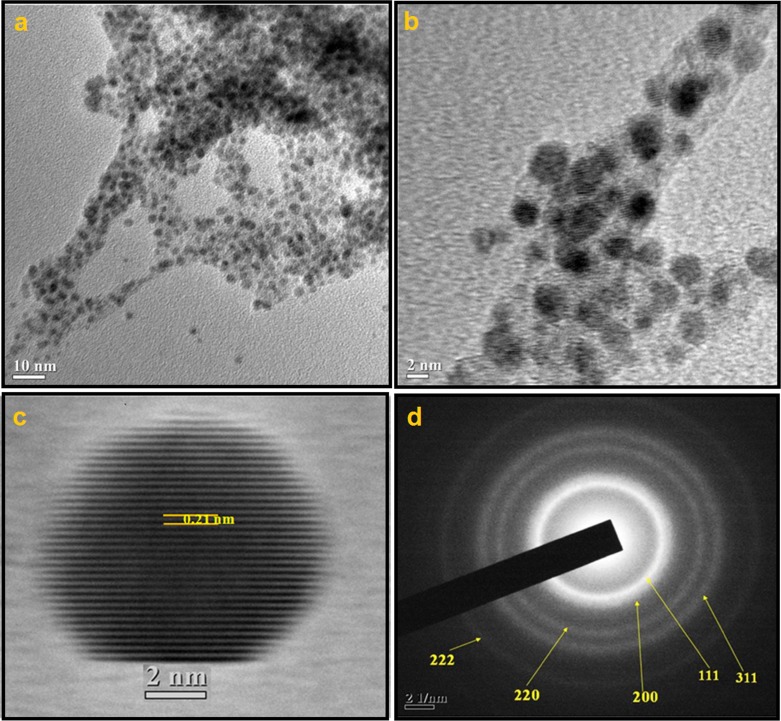
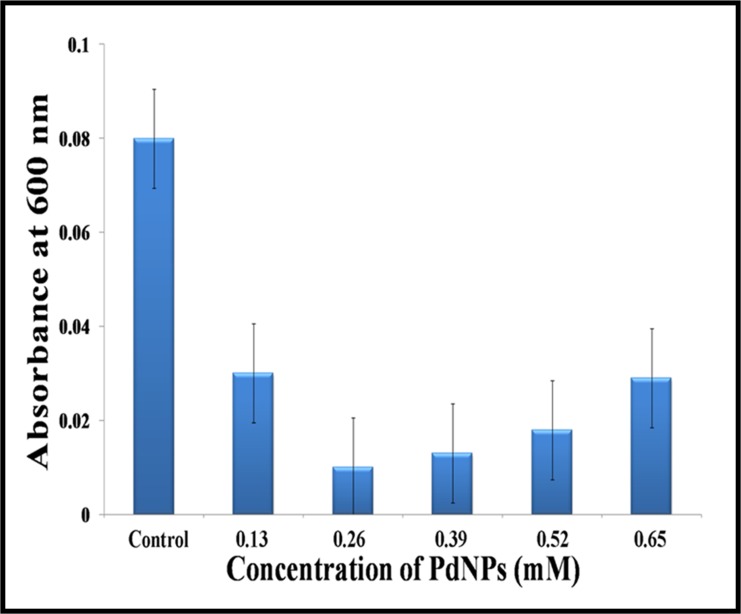
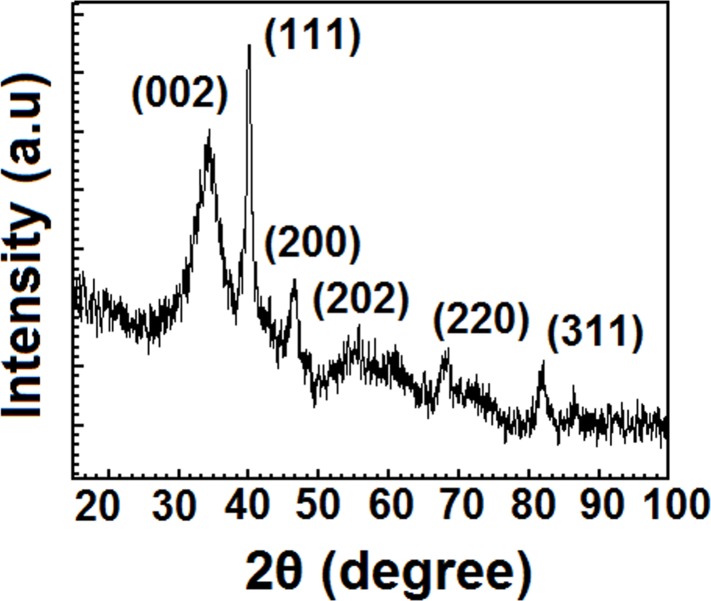
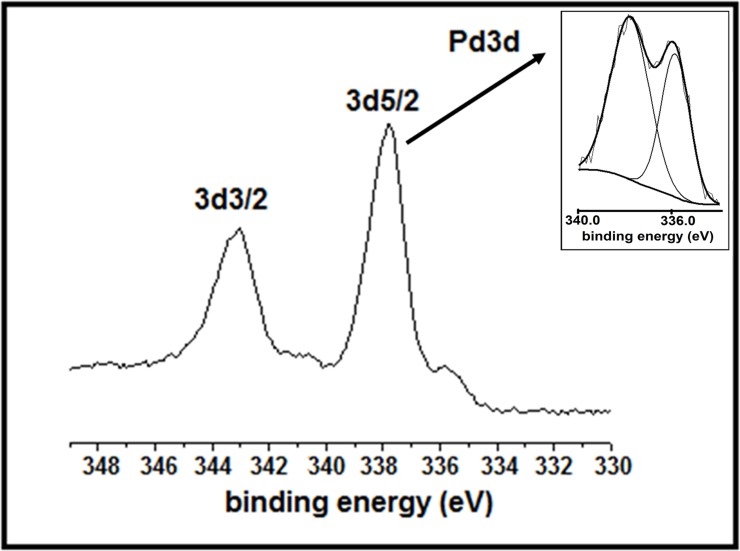
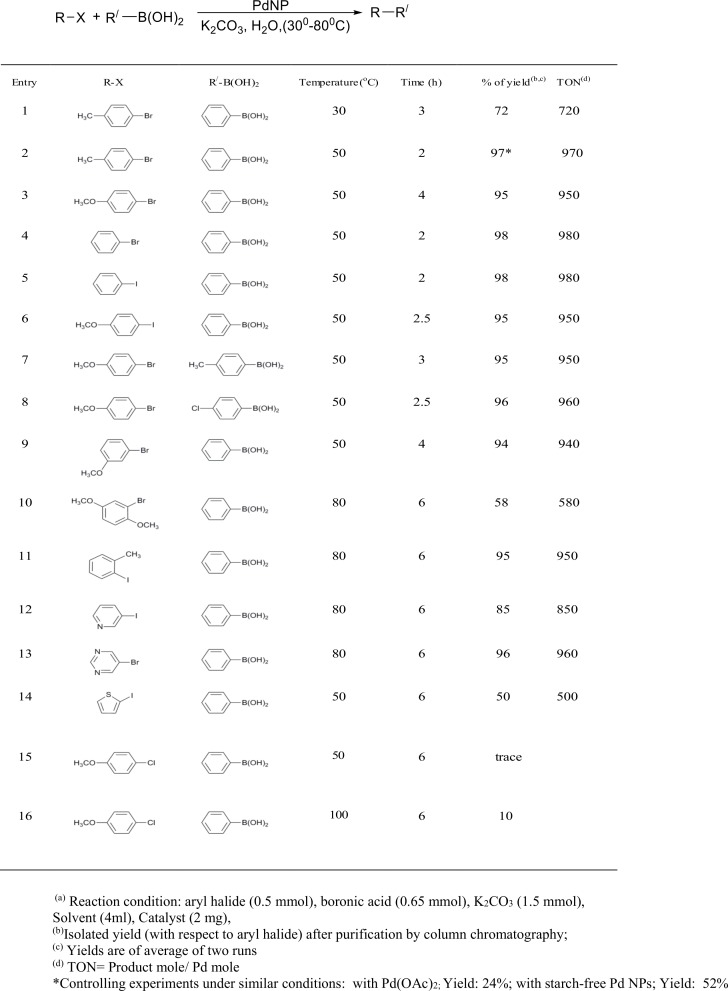
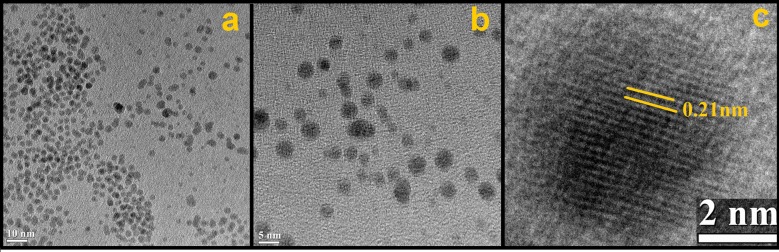
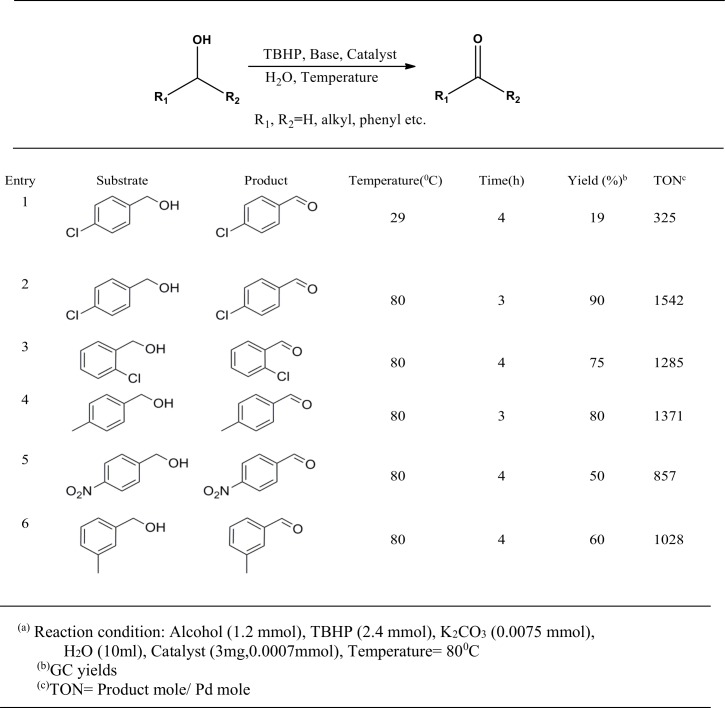
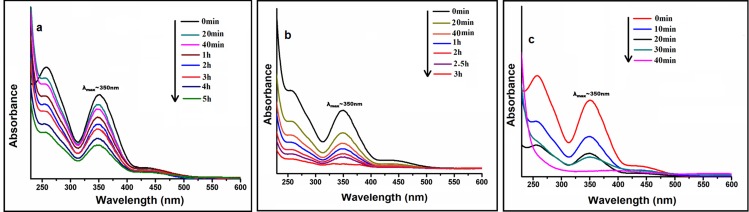
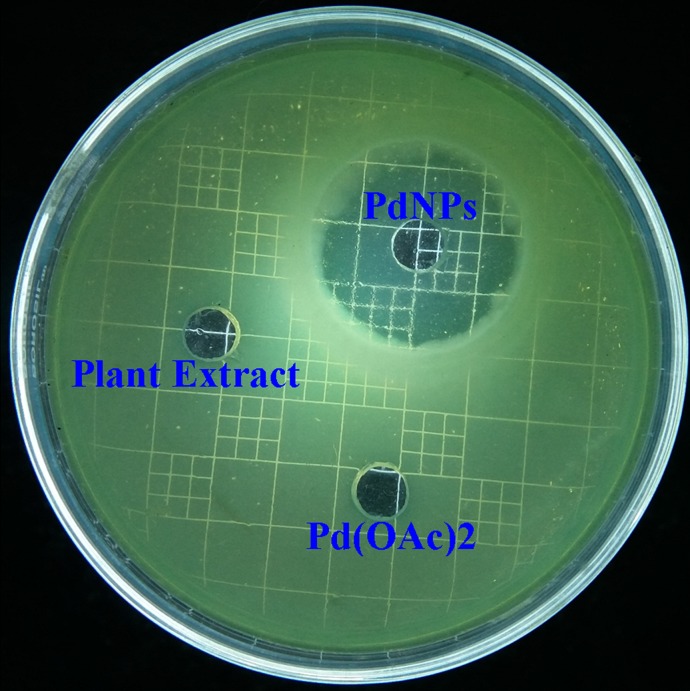
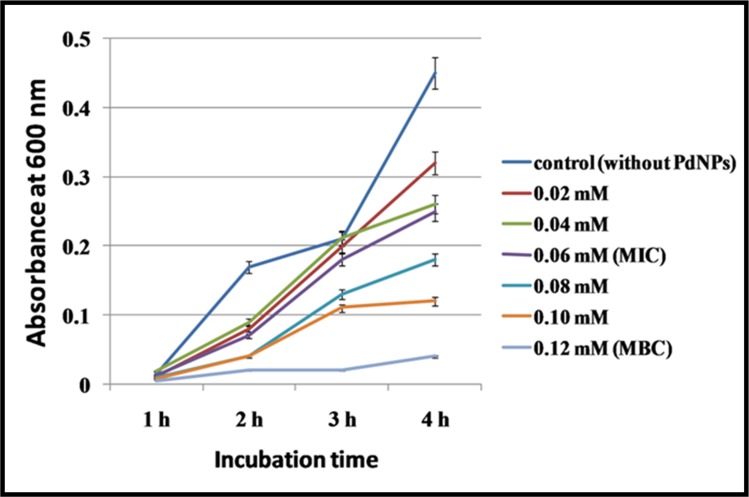
This paper describes a simple in-situ process of synthesizing highly dispersed palladium nanoparticles (PdNPs) using aqueous leaf extract of GarciniapedunculataRoxb as bio-reductant and starch (0.3%) as bio-stabilizer. The PdNPs are characterized by techniques like FTIR, TEM, SEM-EDX, XRD and XPS analysis. It is worthnoting thatwhen the synthesis of nanoparticles was carried out in absence of starch, agglomeration of particles has been noticed.The starch-assisted PdNPs showed excellent aqueous-phase catalytic activities for three important reactions: the Suzuki-Miyaura cross-coupling reactions of aryl halides (aryl bromides and iodides) with arylboronic acids; selective oxidations of alcohols to corresponding carbonyl compounds; and reduction of toxic Cr(VI) to nontoxic Cr(III). Our catalyst could be reused up to four cycles without much compromising with its activity. Furthermore, the material also demonstrated excellent antimicrobial and anti-biofilm activities against a novel multidrug resistant clinical bacterial isolate Cronobactersakazakii strain AMD04. The minimum inhibitory concentration (MIC) and minimum bactericidal concentration (MBC) of PdNPswere found to be 0.06 and 0.12 mM respectively.
本文描述了一种简单的原位合成方法,该方法使用藤黄科植物(Garciniapedunculata Roxb)的水提叶作为生物还原剂,以淀粉(0.3%)作为生物稳定剂,合成高度分散的钯纳米颗粒(PdNPs)。通过傅里叶变换红外光谱(FTIR)、透射电子显微镜(TEM)、扫描电子显微镜-能谱分析(SEM-EDX)、X射线衍射(XRD)和X射线光电子能谱(XPS)分析等技术对PdNPs进行了表征。值得注意的是,当在没有淀粉的情况下进行纳米颗粒合成时,会观察到颗粒团聚现象。淀粉辅助合成的PdNPs对三种重要反应表现出优异的水相催化活性:芳基卤化物(芳基溴化物和碘化物)与芳基硼酸的铃木-宫浦交叉偶联反应;醇选择性氧化为相应的羰基化合物;以及将有毒的Cr(VI)还原为无毒的Cr(III)。我们的催化剂可以重复使用多达四个循环,而其活性不会受到太大影响。此外,该材料还对一种新型多重耐药临床分离菌阪崎肠杆菌AMD04菌株表现出优异的抗菌和抗生物膜活性。发现PdNPs的最低抑菌浓度(MIC)和最低杀菌浓度(MBC)分别为0.06和0.12 mM。