Hossain Kaizar, Quaik Shlrene, Ismail Norli, Rafatullah Mohd, Avasan Maruthi, Shaik Rameeja
Department of School of Industrial Technology, University Sains Malaysia, Pulau Pinang, Malaysia.
Department of Environmental Studies, GITAM University, Vishakhapatnam, AP India.
Iran J Biotechnol. 2016 Sep;14(3):154-162. doi: 10.15171/ijb.1216.
Application of membrane technology to wastewater treatment has expanded over the last decades due to increasingly stringent legislation, greater opportunities for water reuse/recycling processes and continuing advancement in membrane technology.
In the present study, a bench-scale submerged microfiltration membrane bioreactor (MBR) was used to assess the treatment of textile wastewater.
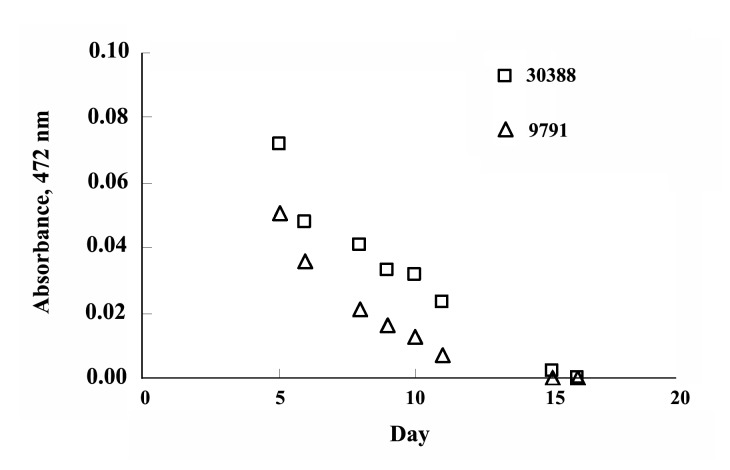
The decolorization capacity of white-rot fungus coriolus versicolor was confirmed through agar plate and liquid batch studies. The temperature and pH of the reactor were controlled at 29±1°C and 4.5±2, respectively. The bioreactor was operated with an average flux of 0.05 m.d (HRT=15hrs) for a month.
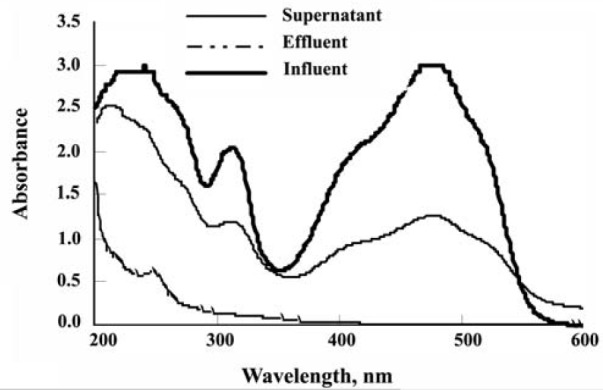
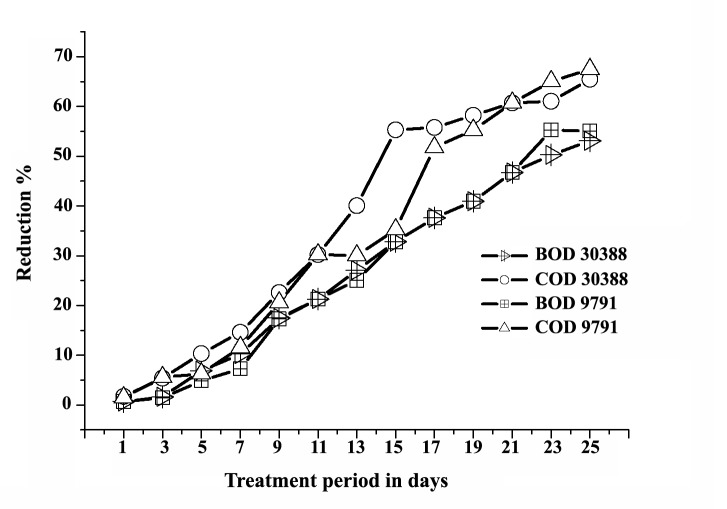
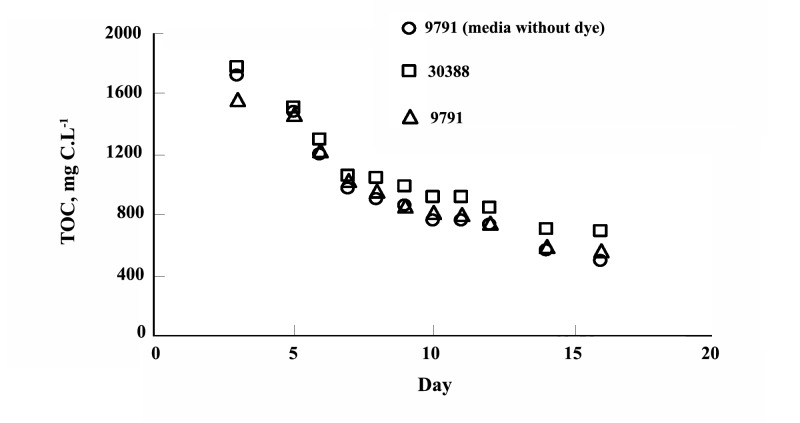
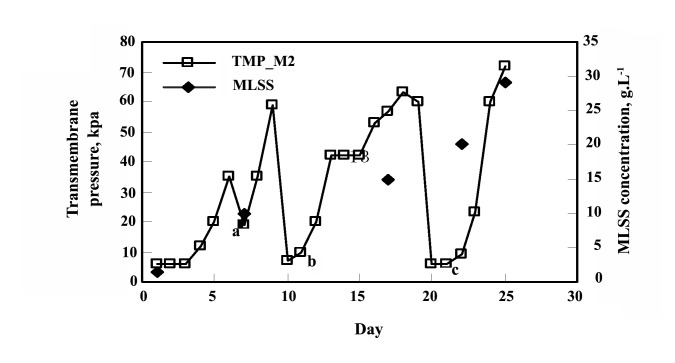
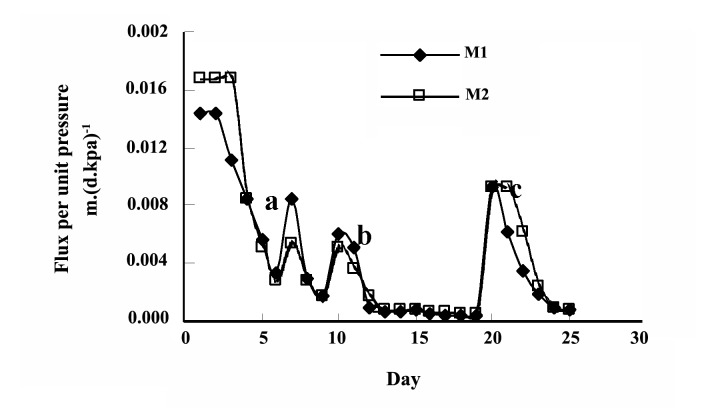
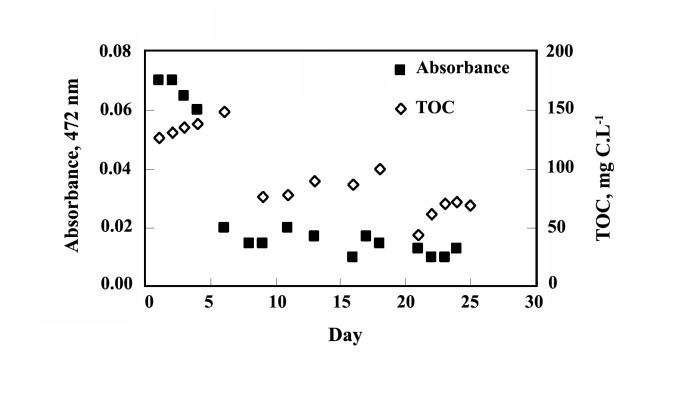
Extensive growth of fungi and their attachment to the membrane led to its fouling and associated increase of the transmembrane pressure requiring a periodic withdrawal of sludge and membrane cleaning. However, stable decoloration activity (approx. 98%), BOD (40-50%), COD (50-67%) and total organic carbon (TOC) removal (>95%) was achieved using the entire system (fungi + membrane), while the contribution of the fungi culture alone for TOC removal, as indicated by the quality of the reactor supernatant, was 35-50% and 70%, respectively.
The treated wastewater quality satisfied the requirement of water quality for dyeing and finishing process excluding light coloration. Therefore, textile wastewater reclamation and reuse is a promising alternative, which can both conserve or supplement the available water resource and reduce or eliminate the environmental pollution.
在过去几十年中,由于立法日益严格、水再利用/循环利用过程有更多机会以及膜技术不断进步,膜技术在废水处理中的应用得到了扩展。
在本研究中,使用了一个实验室规模的浸没式微滤膜生物反应器(MBR)来评估纺织废水的处理效果。
通过琼脂平板和液体批次研究证实了白腐真菌云芝的脱色能力。反应器的温度和pH分别控制在29±1°C和4.5±2。生物反应器以平均通量0.05 m.d(水力停留时间=15小时)运行一个月。
真菌的大量生长及其在膜上的附着导致膜污染以及跨膜压力相应增加,这需要定期排出污泥并进行膜清洗。然而,使用整个系统(真菌+膜)实现了稳定的脱色活性(约98%)、生化需氧量(BOD,40 - 50%)、化学需氧量(COD,50 - 67%)和总有机碳(TOC)去除率(>95%),而仅真菌培养对TOC去除的贡献,根据反应器上清液的质量表明,分别为35 - 50%和70%。
处理后的废水质量满足除浅色染色外的印染工艺水质要求。因此,纺织废水回收再利用是一个有前景的选择,既可以节约或补充可用水资源,又可以减少或消除环境污染。