Pollard Christine D, Sigward Susan M, Powers Christopher M
College of Public Health and Human Sciences, Program in Kinesiology, Oregon State University-Cascades, Bend, Oregon, USA.
Division of Biokinesiology and Physical Therapy, University of Southern California, Los Angeles, California, USA.
Orthop J Sports Med. 2017 Sep 8;5(9):2325967117726267. doi: 10.1177/2325967117726267. eCollection 2017 Sep.
Injury prevention training has been shown to be effective in reducing the incidence of noncontact anterior cruciate ligament (ACL) injury; however, the underlying reason for the success of these training programs is unclear.
To investigate whether an ACL injury prevention program that has been shown to reduce the incidence of ACL injury alters sagittal plane hip and knee biomechanics during a drop-landing task.
Descriptive laboratory study.
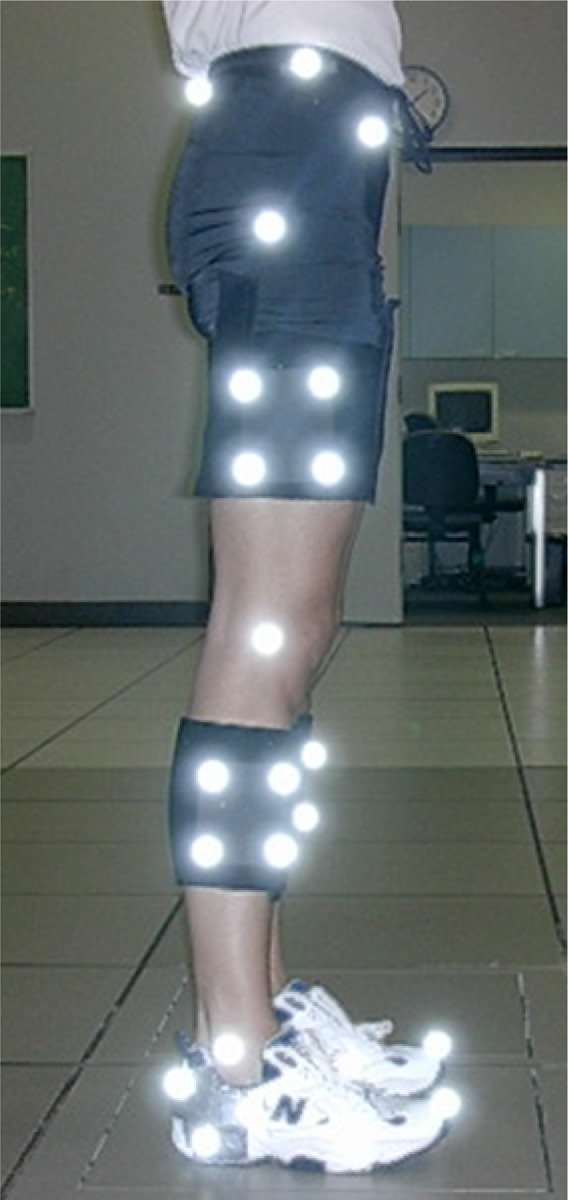
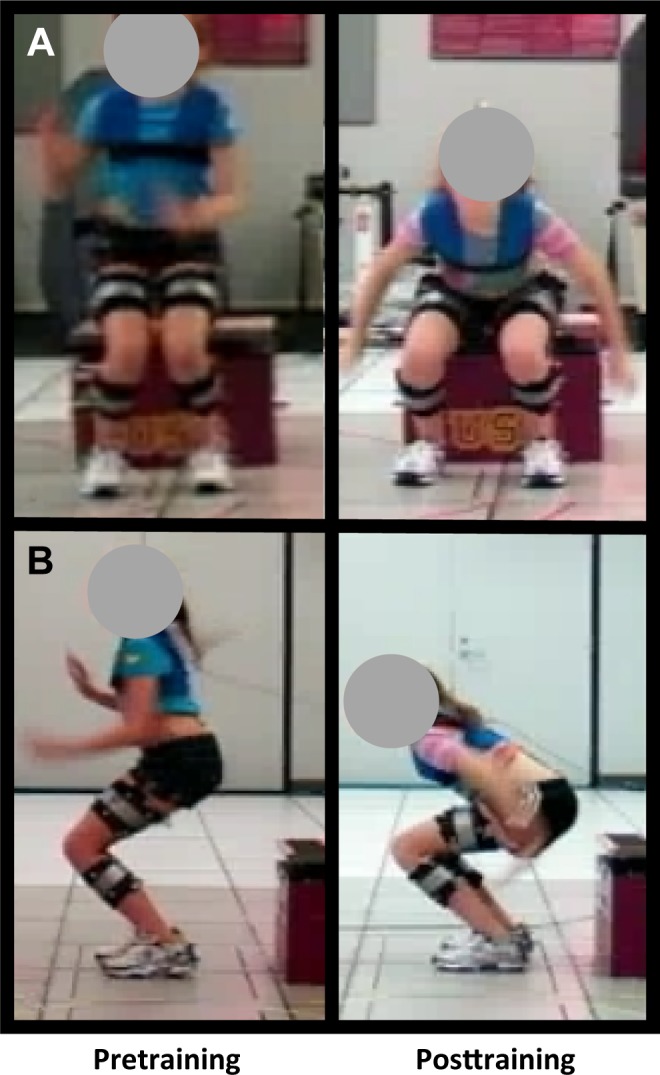
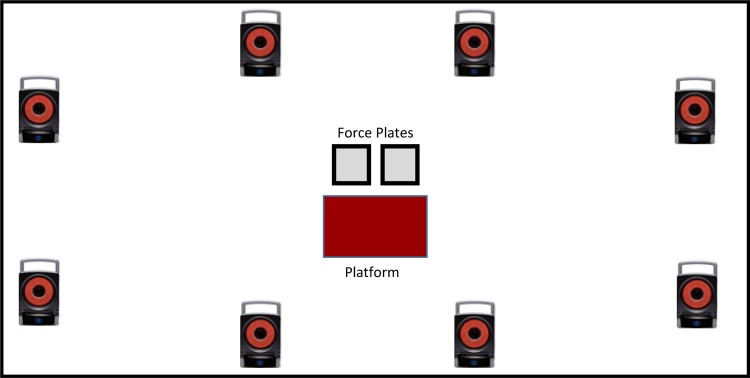
Thirty female club soccer players (age range, 11-17 years) with no history of knee injury participated in this study. Kinematics and ground-reaction forces were collected while each participant performed a drop-landing task prior to and immediately after participation in a 12-week ACL injury prevention training program.
After ACL injury prevention training, participants demonstrated decreased knee extensor moments ( = .03), increased energy absorption at the hip ( = .04), decreased knee-to-hip extensor moment ratios ( = .05), and decreased knee-to-hip energy absorption ratios ( = .03).
Participation in an ACL injury prevention training program decreased reliance on the knee extensor muscles and improved use of the hip extensor muscles, which may explain the protective effect of this type of training program on ACL injury.
Based on these findings, clinicians can better understand how ACL injury prevention training, such as the Prevent Injury and Enhance Performance (PEP) Program, may change movement behavior at both the hip and knee. Furthermore, the study findings may support the implementation of the PEP Program, or a similar program, for clinicians aiming to improve use of the hip in an effort to reduce knee loading and consequent injuries.
预防损伤训练已被证明在降低非接触性前交叉韧带(ACL)损伤发生率方面有效;然而,这些训练项目成功的潜在原因尚不清楚。
研究一项已被证明可降低ACL损伤发生率的ACL损伤预防项目是否会在落地任务期间改变矢状面髋关节和膝关节生物力学。
描述性实验室研究。
30名无膝关节损伤史的女性俱乐部足球运动员(年龄范围11 - 17岁)参与本研究。在每位参与者参加为期12周的ACL损伤预防训练项目之前和之后立即进行落地任务时,收集运动学和地面反作用力数据。
ACL损伤预防训练后,参与者表现出膝关节伸肌力矩降低(P = 0.03),髋关节能量吸收增加(P = 0.04),膝关节与髋关节伸肌力矩比值降低(P = 0.05),以及膝关节与髋关节能量吸收比值降低(P = 0.03)。
参与ACL损伤预防训练项目降低了对膝关节伸肌的依赖,并改善了髋关节伸肌的使用,这可能解释了这类训练项目对ACL损伤的保护作用。
基于这些发现,临床医生可以更好地理解ACL损伤预防训练,如预防损伤与提高表现(PEP)项目,如何改变髋关节和膝关节的运动行为。此外,研究结果可能支持临床医生实施PEP项目或类似项目,以改善髋关节的使用,从而减少膝关节负荷及相关损伤。