Jayakumar Amirtharaj G, Thangaraj Kavitha R, Kini Archana, V Raghupathy, Goel Ashish, C E Eapen, Venkatraman Aparna, Pulimood Anna B, K A Balasubramanian, Ramachandran Anup
The Wellcome Trust Research Laboratory, Division of Gastrointestinal Sciences, Christian Medical College, Vellore 632004, India.
Center for Stem Cell Research, Christian Medical College, Vellore 632004, India.
Toxicol Rep. 2014 Sep 16;1:707-717. doi: 10.1016/j.toxrep.2014.09.001. eCollection 2014.
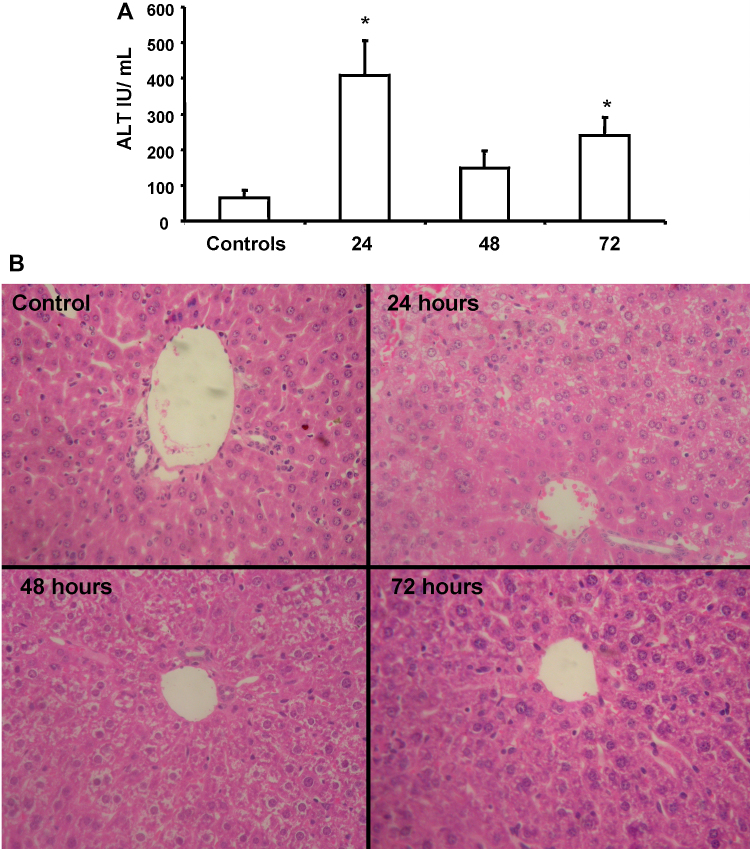
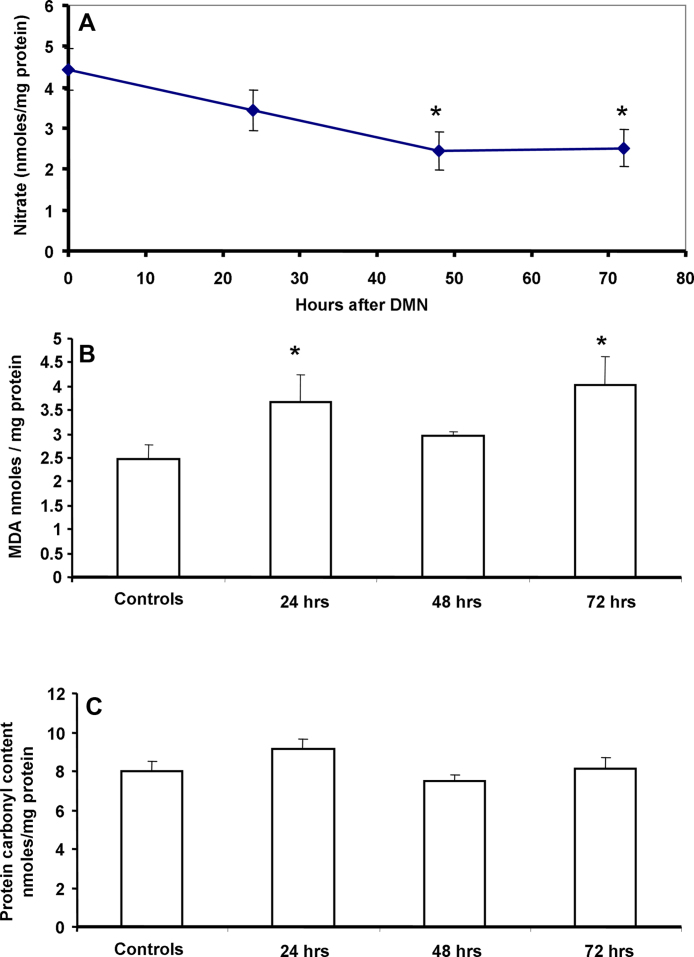
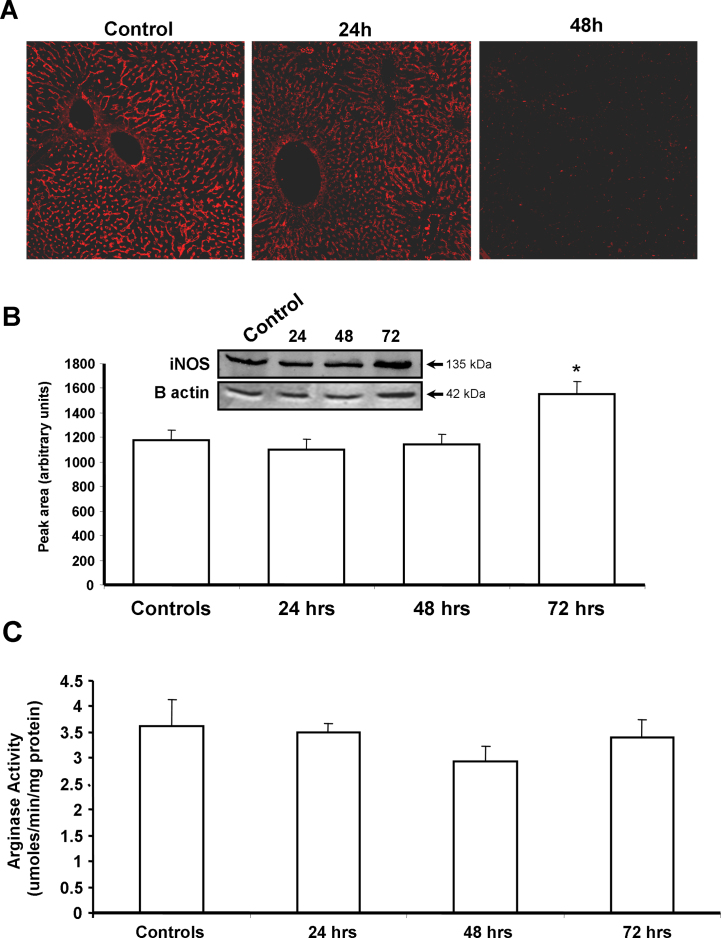
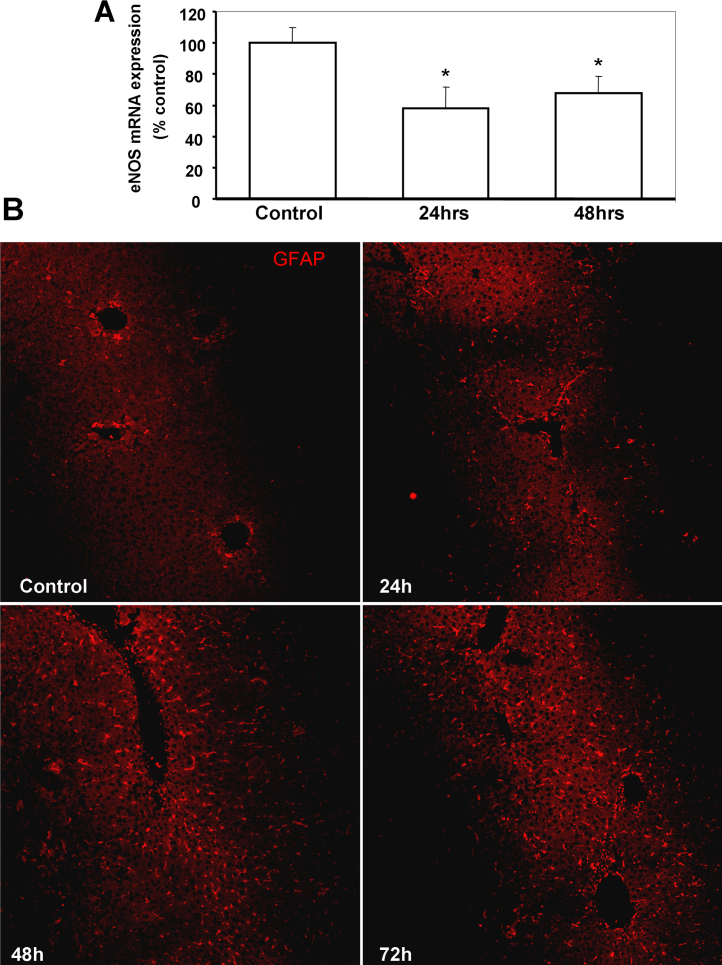
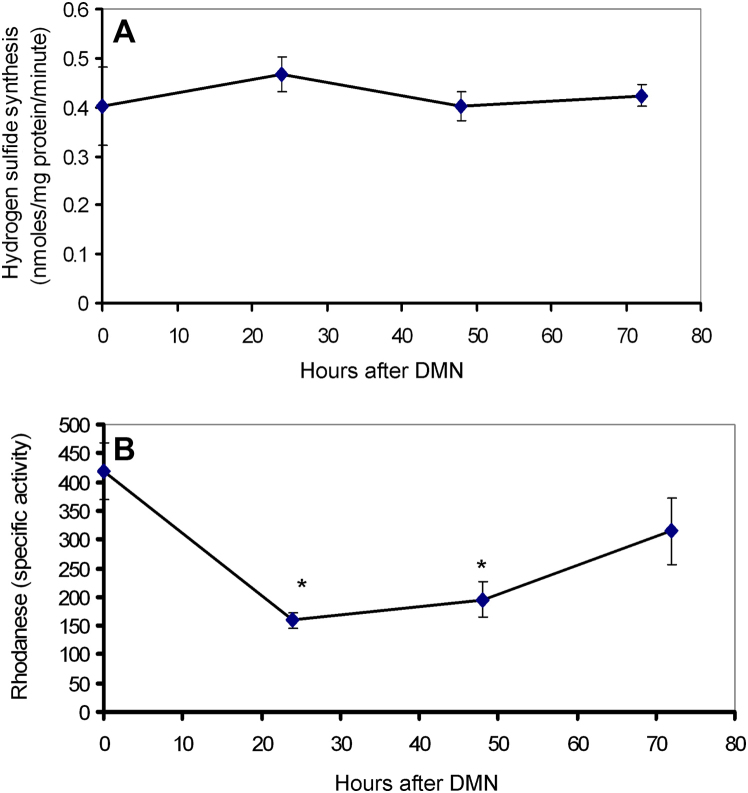
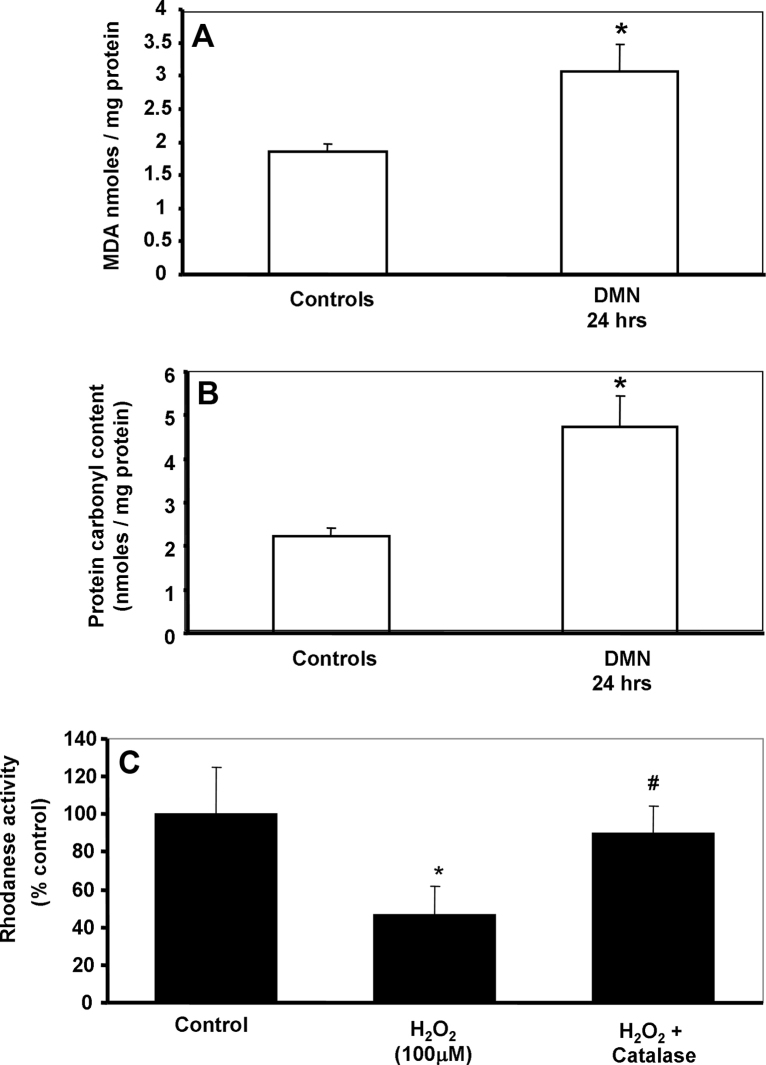
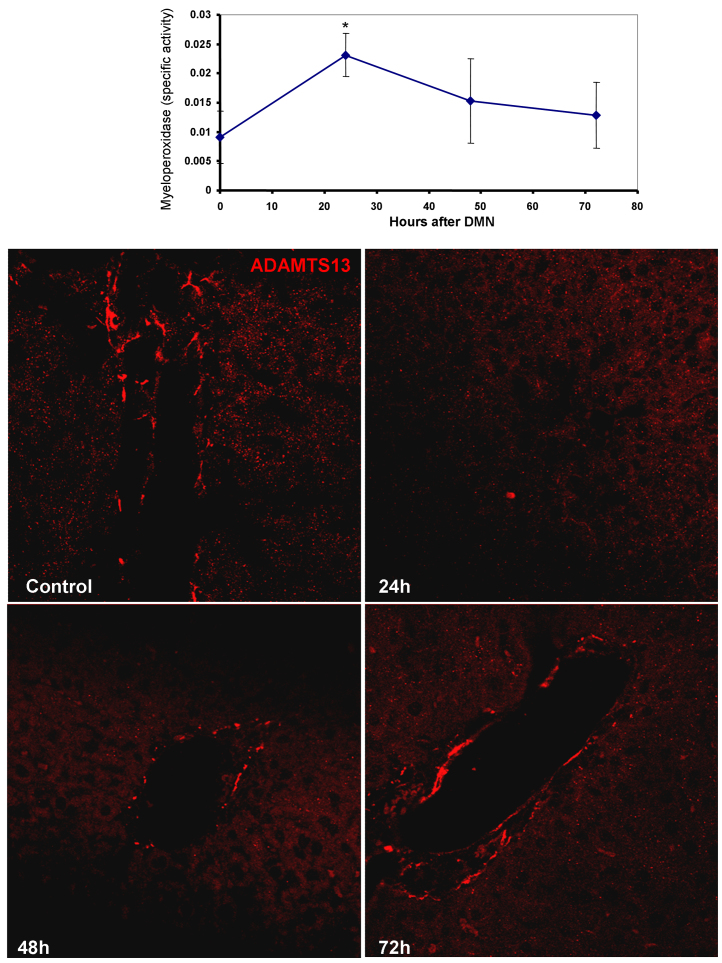
Alterations in liver vascular tone play an important role in chronic liver disease. The hepatic stellate cell (HSC) and mediators such as nitric oxide (NO) and hydrogen sulfide (HS) have been implicated in regulation of vascular tone and intra-hepatic pressure. Though these have been studied in chronic liver damage, changes in response to acute liver injury induced by hepatotoxins such as dimethyl nitrosamine are not well understood. Liver injury was induced in mice by a single intra-peritoneal injection of dimethylnitrosamine (DMN), following which animals were sacrificed at 24, 48 and 72 h. Changes in vascular mediators such as NO and HS as well as stellate cell activation was then examined. It was found that a single low dose of DMN in mice is sufficient to induce activation of hepatic stellate cells within 24 h, accompanied by oxidative stress, compromised metabolism of HS and decreased levels of the von Willebrand factor (vWF) cleaving protease; a disintegrin and metalloproteinase with a thrombospondin type 1 motif, member 13 (ADAMTS13), which functions in intravascular thrombosis. A suppression of hepatic NO levels is also initiated at this time point, which progresses further and is sustained up to 72 h, at which point the HSC activation is still present. Compromised levels of ADAMTS13 and HS metabolism however, begin to recover by 48 h and are almost similar to control by 72 h. In conclusion, these data suggest that even moderate acute insults in the liver can have far reaching consequences on a number of mediators of vascular flow in the liver.
肝脏血管张力的改变在慢性肝病中起重要作用。肝星状细胞(HSC)以及一氧化氮(NO)和硫化氢(HS)等介质参与血管张力和肝内压力的调节。尽管这些在慢性肝损伤中已得到研究,但对由二甲基亚硝胺等肝毒素引起的急性肝损伤的反应变化尚不清楚。通过单次腹腔注射二甲基亚硝胺(DMN)诱导小鼠肝损伤,然后在24、48和72小时处死动物。接着检测血管介质如NO和HS的变化以及星状细胞的激活情况。结果发现,小鼠单次低剂量的DMN足以在24小时内诱导肝星状细胞激活,同时伴有氧化应激、HS代谢受损以及血管性血友病因子(vWF)裂解蛋白酶水平降低;一种具有血小板反应蛋白1型基序的解整合素和金属蛋白酶13(ADAMTS13),其在血管内血栓形成中起作用。此时肝脏NO水平也开始受到抑制,这种抑制进一步发展并持续到72小时,此时HSC激活仍然存在。然而,ADAMTS13水平和HS代谢受损在48小时开始恢复,到72小时几乎与对照组相似。总之,这些数据表明,即使是肝脏的中度急性损伤也可能对肝脏中许多血管血流介质产生深远影响。