Bonaterra Gabriel Alejandro, Wakenhut Florian, Röthlein Doris, Wolf Martin, Bistrian Bruce Ryan, Driscoll David, Kinscherf Ralf
Anatomy and Cell Biology, Department of Medical Cell Biology, University of Marburg, Robert-Koch-Str. 8, 35032 Marburg, Germany.
B. Braun Melsungen AG, Hospital Care Division, Am Schwerzelshof, 34212 Melsungen, Germany.
Toxicol Rep. 2014 Oct 22;1:843-857. doi: 10.1016/j.toxrep.2014.10.011. eCollection 2014.
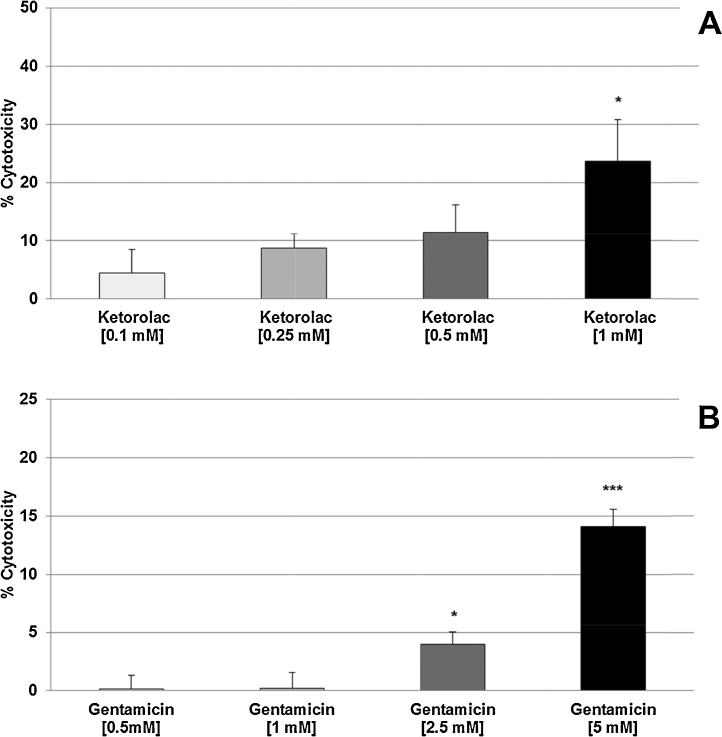
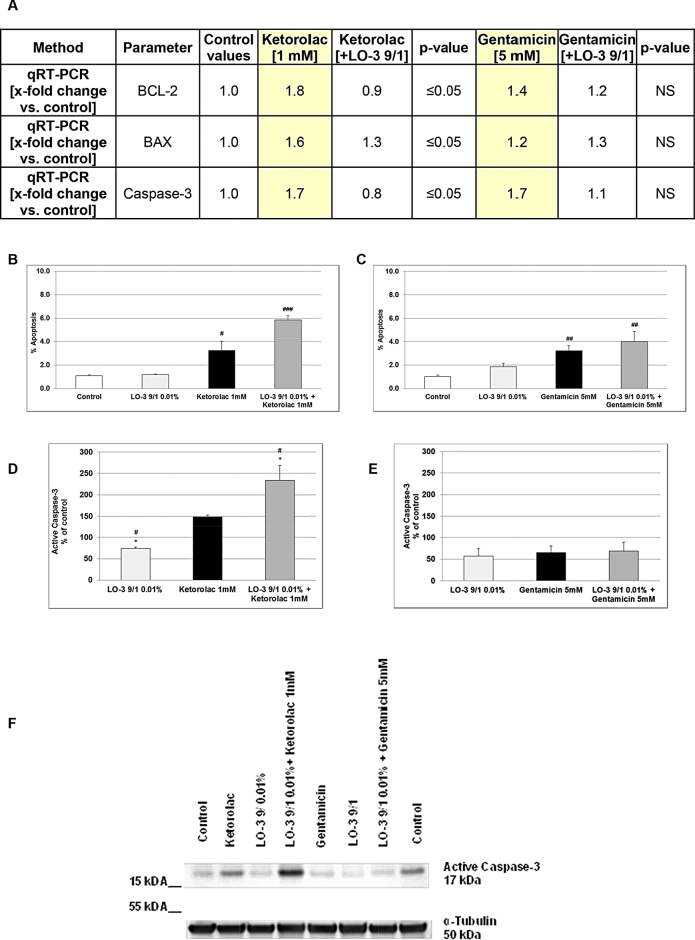
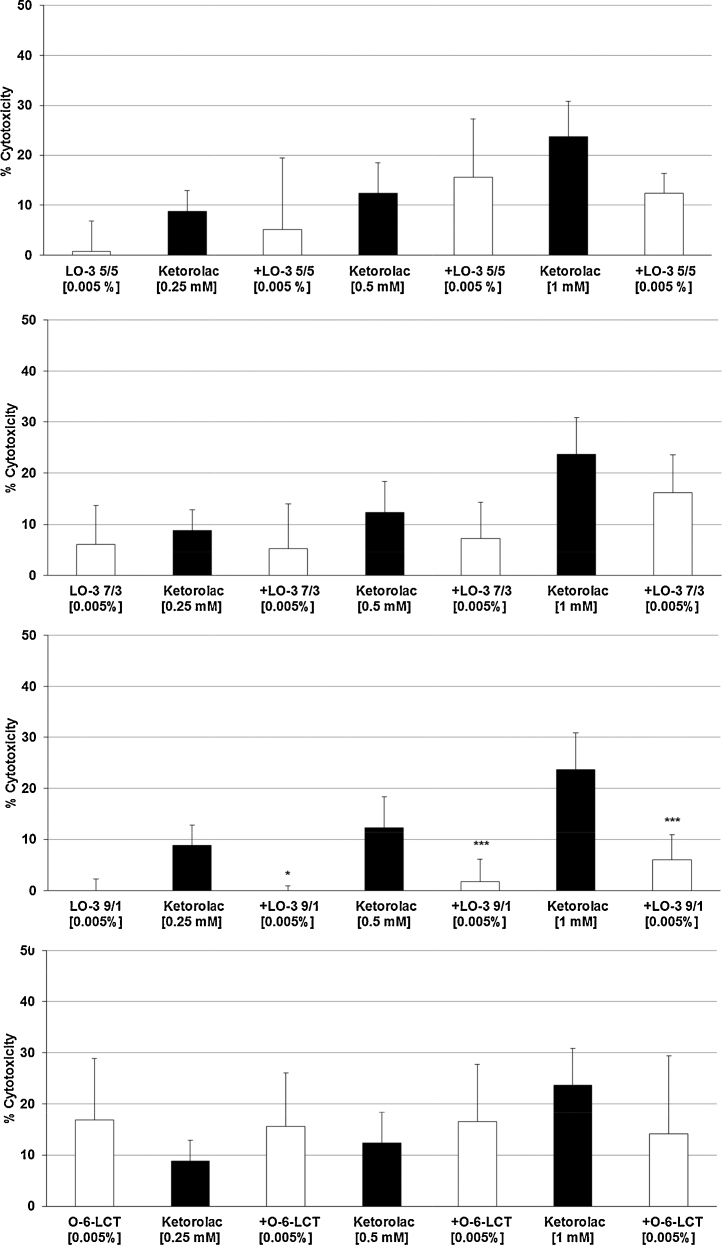
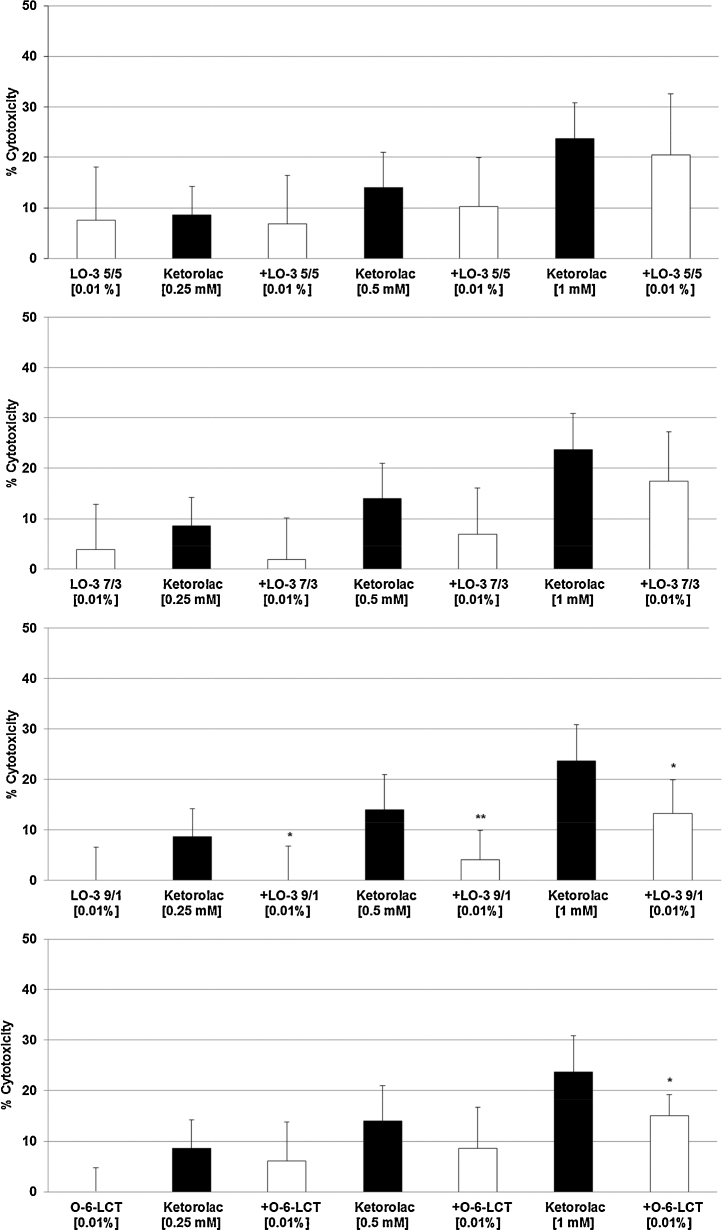
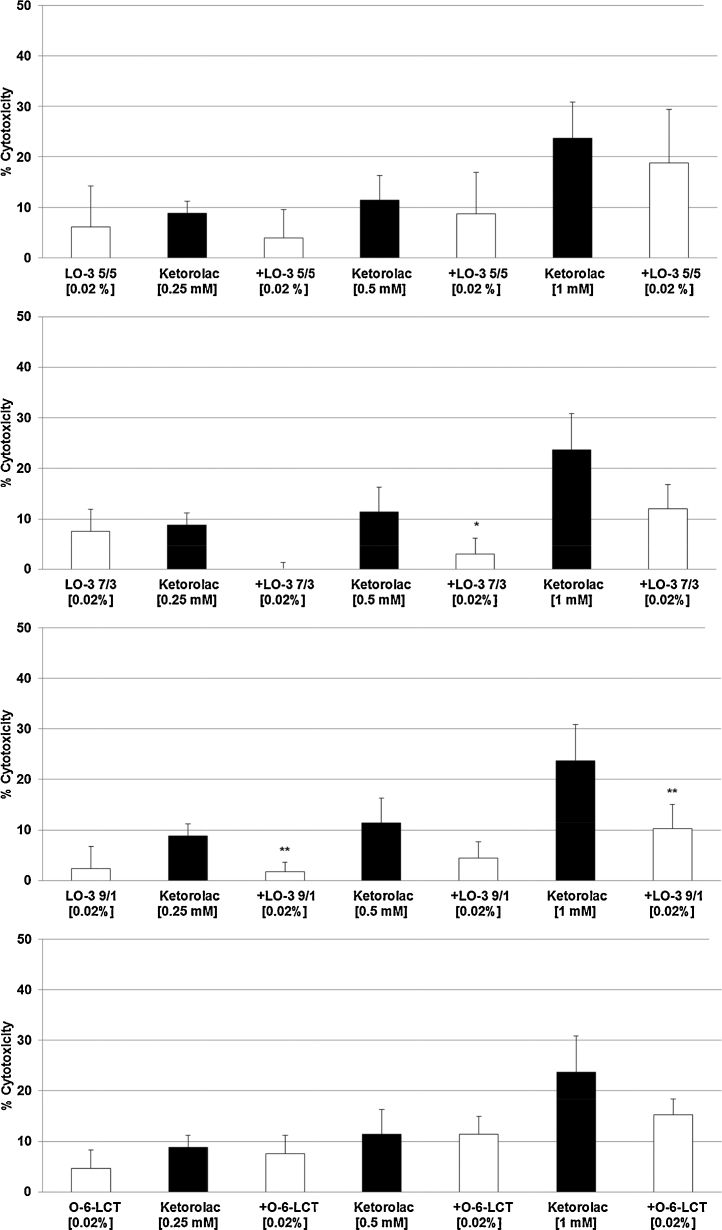
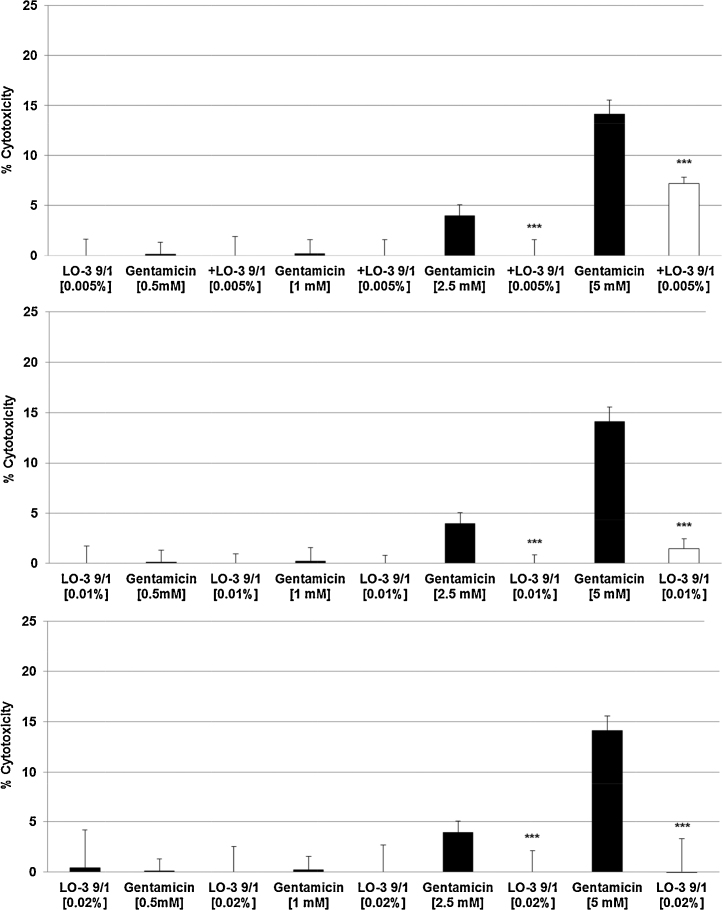
During therapeutic interventions, blood concentrations of intravenously applied drugs are higher, and their onset of pharmacological action is faster than with other routes of drug administration. However, acute drug therapy often produces nephrotoxic side effects, as commonly seen after treatment with Ketorolac or Gentamicin leading to questions about their use, especially for patients at risk for acute renal failure. Omega-6(n-6) and omega-3(n-3) polyunsaturated fatty acids (PUFA) affect eicosanoid metabolism, which plays a role in the regulation of inflammation. Eicosanoids derived from n-6 FA have proinflammatory and immunoactive functions, whereas eicosanoids derived from n-3 PUFA have anti-inflammatory and cytoprotective properties. We hypothesized that providing such injectable drugs with nephrotoxic potential in combination with n3-PUFAs from the outset, might afford rapid cytoprotection of renal cells, given the recent evidence that intravenously administered n3-PUFAs are rapidly incorporated into cell membranes. We used intraglomerular mesangial cells (MES13) that are sensitive to treatment with Ketorolac or Gentamicin instead of proximal tubular cells which do not respond to Ketorolac. We found a significant inhibition of Ketorolac (0.25, 0.5, 1 mM) or Gentamicin (2.5, 5 mM) induced cytotoxicity after pretreatment of MES13 cells with 0.01% of 20%w/v LipOmega-3 Emulsion 9/1, containing 90:10 wt/wt mixture of fish oil derived triglycerides to medium chain triglycerides.
在治疗干预期间,静脉注射药物的血药浓度较高,其药理作用起效比其他给药途径更快。然而,急性药物治疗常产生肾毒性副作用,如使用酮咯酸或庆大霉素治疗后常见的情况,这引发了对其使用的质疑,尤其是对于有急性肾衰竭风险的患者。ω-6(n-6)和ω-3(n-3)多不饱和脂肪酸(PUFA)影响类花生酸代谢,而类花生酸代谢在炎症调节中起作用。源自n-6脂肪酸的类花生酸具有促炎和免疫活性功能,而源自n-3多不饱和脂肪酸的类花生酸具有抗炎和细胞保护特性。我们推测,鉴于最近有证据表明静脉注射的n-3多不饱和脂肪酸能迅速整合到细胞膜中,从一开始就将具有肾毒性潜力的此类注射药物与n-3多不饱和脂肪酸联合使用,可能会为肾细胞提供快速的细胞保护。我们使用了对酮咯酸或庆大霉素治疗敏感的肾小球系膜细胞(MES13),而不是对酮咯酸无反应的近端肾小管细胞。在用含90:10重量/重量比例鱼油衍生甘油三酯与中链甘油三酯混合物的0.01%至20%w/v LipOmega-3 Emulsion 9/1预处理MES13细胞后,我们发现酮咯酸(0.25、0.5、1 mM)或庆大霉素(2.5、5 mM)诱导的细胞毒性受到显著抑制。