Department of Physiology and Pathophysiology, School of Basic Medical Sciences, State Key Laboratory of Medical Neurobiology, Fudan University, Shanghai, 200032, China.
Shanghai Key Laboratory of Clinical Geriatric Medicine, Fudan University, Shanghai, 200032, China.
Stem Cell Res Ther. 2017 Sep 29;8(1):202. doi: 10.1186/s13287-017-0651-x.
Most infarctions occur in the left anterior descending coronary artery and cause myocardium damage of the left ventricle. Although current pluripotent stem cells (PSCs) and directed cardiac differentiation techniques are able to generate fetal-like human cardiomyocytes, isolation of pure ventricular cardiomyocytes has been challenging. For repairing ventricular damage, we aimed to establish a highly efficient purification system to obtain homogeneous ventricular cardiomyocytes and prepare engineered human ventricular heart muscles in a dish.
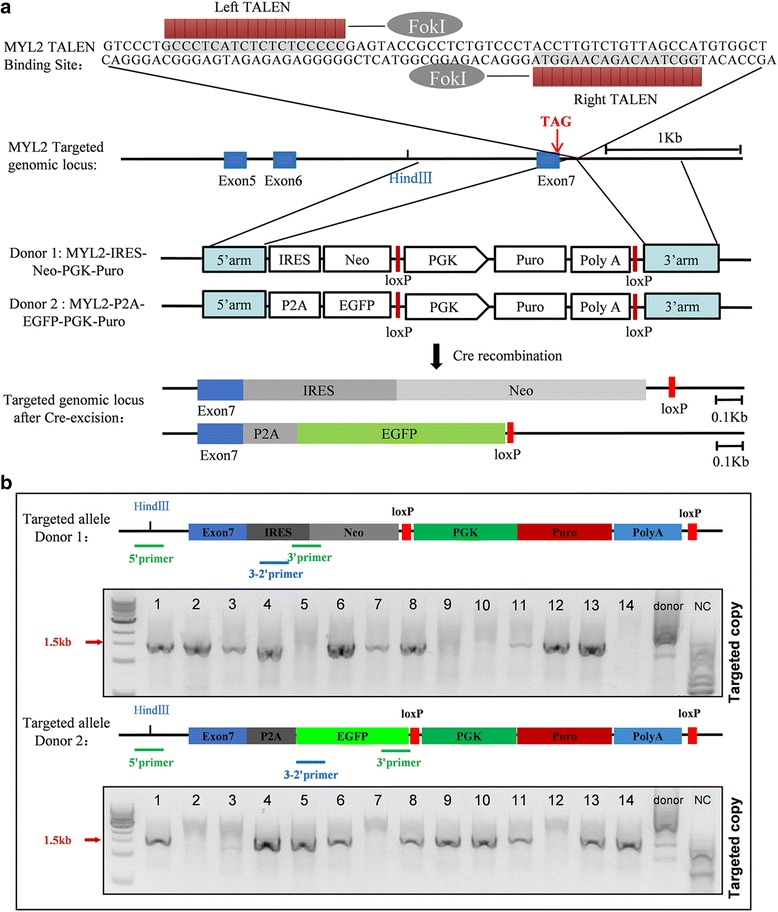
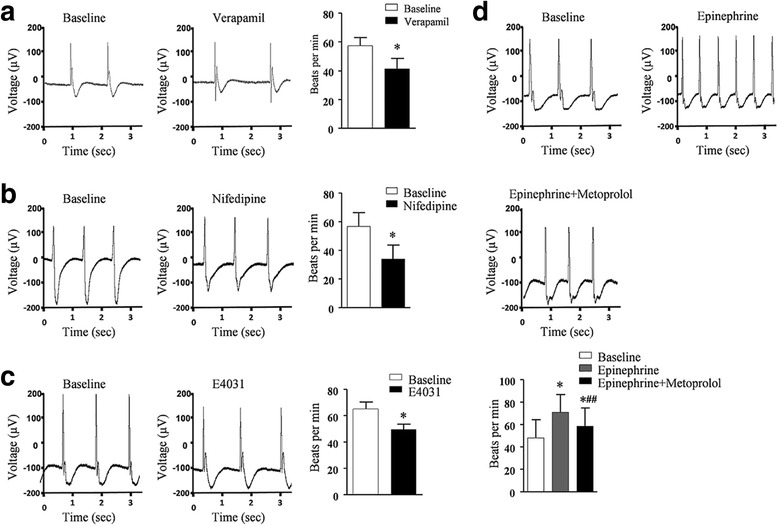
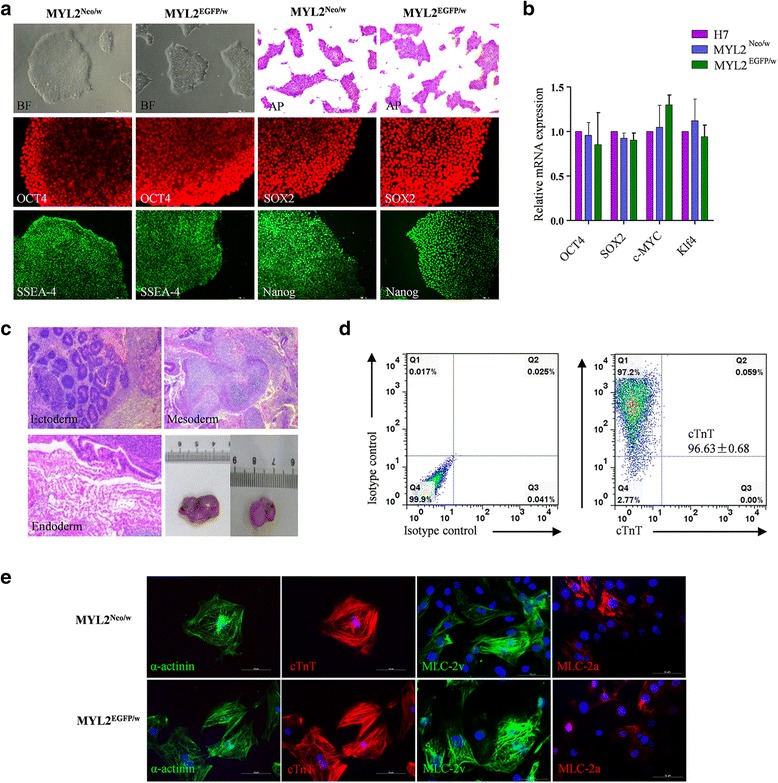
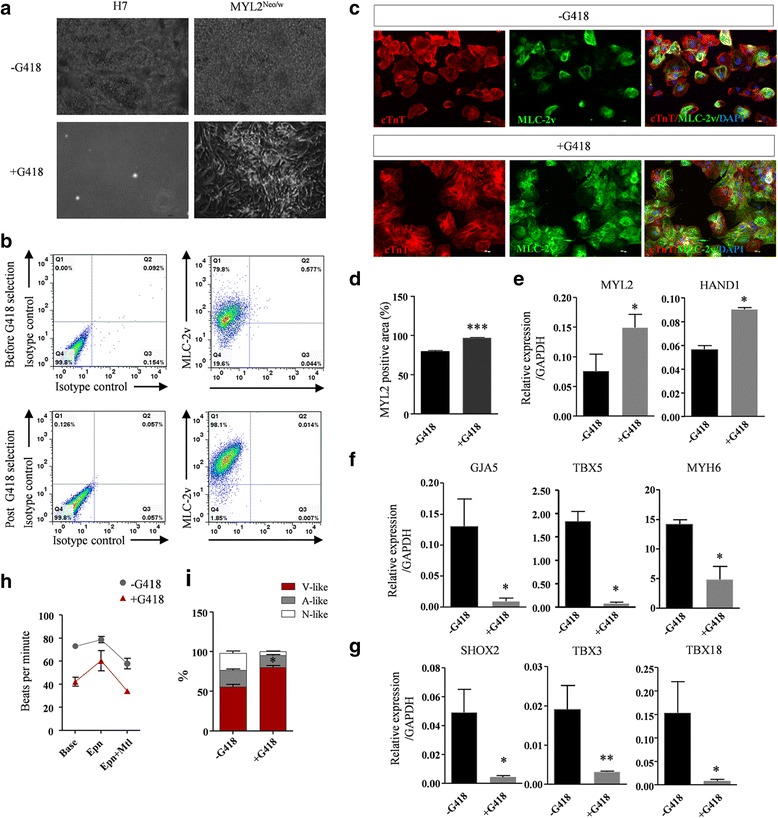
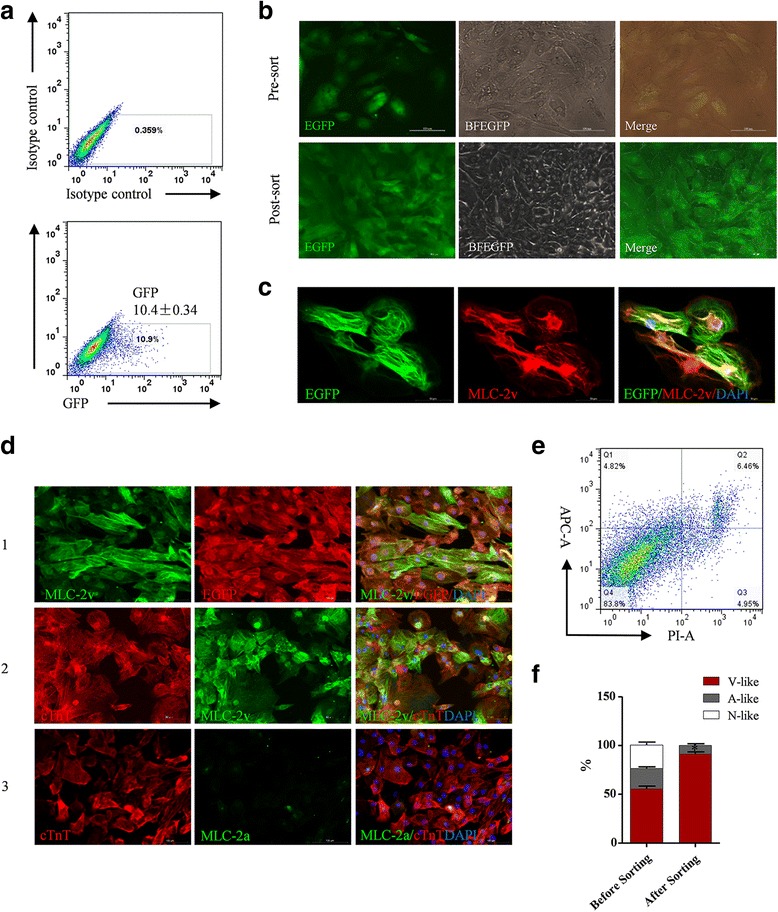
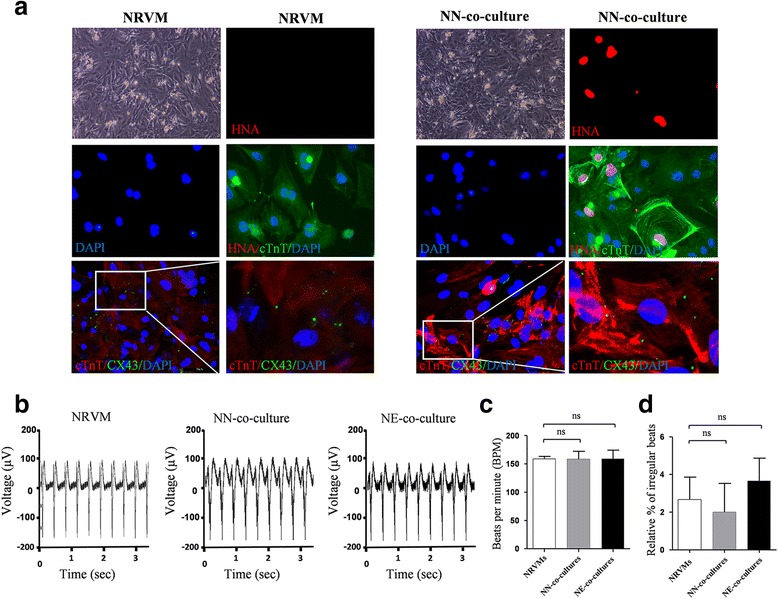
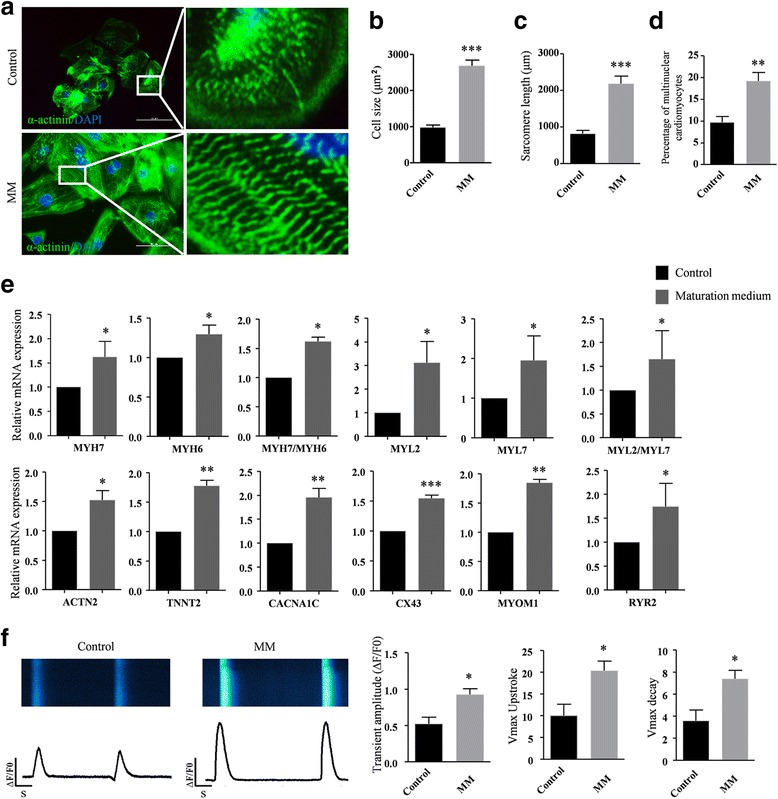
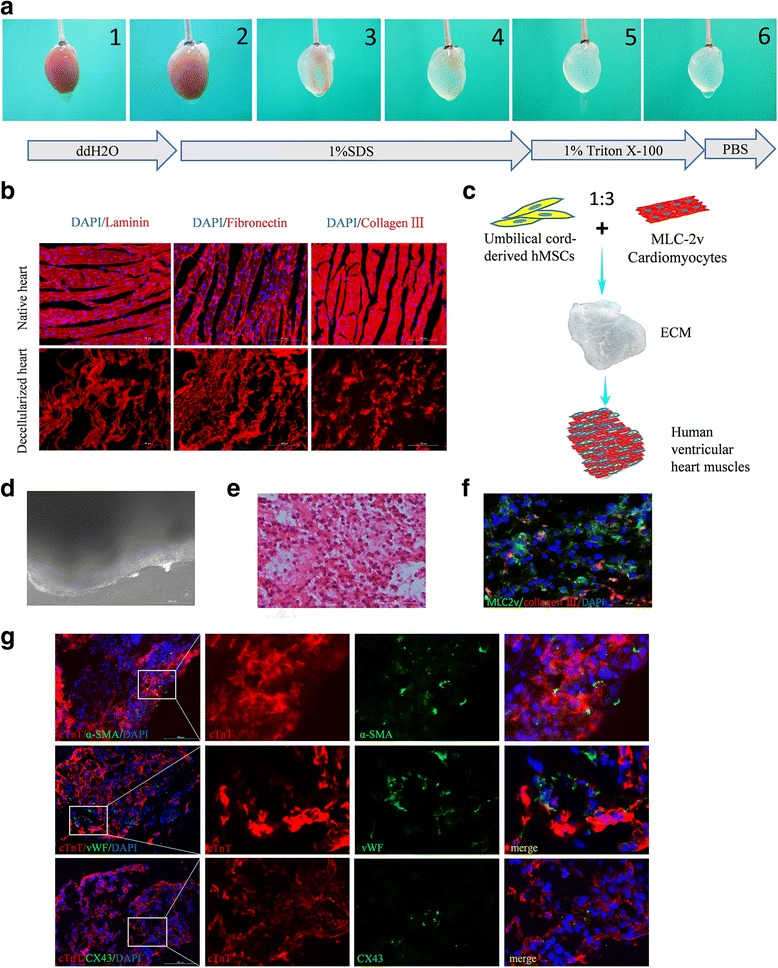
The purification system used TALEN-mediated genomic editing techniques to insert the neomycin or EGFP selection marker directly after the myosin light chain 2 (MYL2) locus in human pluripotent stem cells. Purified early ventricular cardiomyocytes were estimated by immunofluorescence, fluorescence-activated cell sorting, quantitative PCR, microelectrode array, and patch clamp. In subsequent experiments, the mixture of mature MYL2-positive ventricular cardiomyocytes and mesenchymal cells were cocultured with decellularized natural heart matrix. Histological and electrophysiology analyses of the formed tissues were performed 2 weeks later.
Human ventricular cardiomyocytes were efficiently isolated based on the purification system using G418 or flow cytometry selection. When combined with the decellularized natural heart matrix as the scaffold, functional human ventricular heart muscles were prepared in a dish.
These engineered human ventricular muscles can be great tools for regenerative therapy of human ventricular damage as well as drug screening and ventricular-specific disease modeling in the future.
大多数梗死发生在左前降支冠状动脉,导致左心室心肌损伤。尽管目前的多能干细胞(PSCs)和定向心脏分化技术能够产生类胎儿的人类心肌细胞,但分离纯心室心肌细胞一直具有挑战性。为了修复心室损伤,我们旨在建立一种高效的纯化系统,以获得同质的心室心肌细胞,并在培养皿中制备工程化的人类心室心肌。
该纯化系统使用 TALEN 介导的基因组编辑技术,直接在人类多能干细胞的肌球蛋白轻链 2(MYL2)基因座后插入新霉素或 EGFP 选择标记。通过免疫荧光、荧光激活细胞分选、定量 PCR、微电极阵列和膜片钳技术来评估纯化的早期心室心肌细胞。在后续实验中,将成熟的 MYL2 阳性心室心肌细胞和间充质细胞混合物与脱细胞天然心脏基质共培养。 2 周后对形成的组织进行组织学和电生理学分析。
使用基于 G418 或流式细胞术选择的纯化系统,可以有效地分离出人类心室心肌细胞。当与脱细胞天然心脏基质作为支架结合使用时,可以在培养皿中制备功能性的人类心室心肌。
这些工程化的人类心室肌肉可以成为人类心室损伤再生治疗以及未来药物筛选和心室特异性疾病建模的有力工具。