Yu Pei, Zhang Chao, Gao Cai-Yun, Ma Ting, Zhang Hao, Zhou Miao-Miao, Yang Yan-Wei, Yang Lei, Kong Ling-Yi
Jiangsu Key Laboratory of Bioactive Natural Product Research and State Key Laboratory of Natural Medicines, China Pharmaceutical University, Nanjing 210009, China.
Oncotarget. 2017 Jul 17;8(38):64032-64049. doi: 10.18632/oncotarget.19299. eCollection 2017 Sep 8.
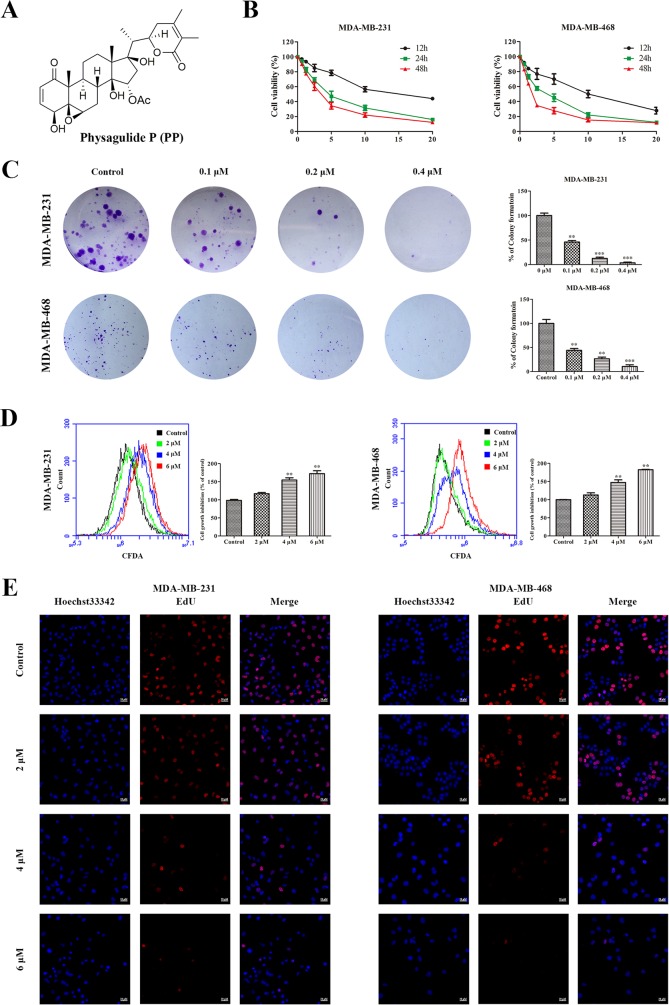
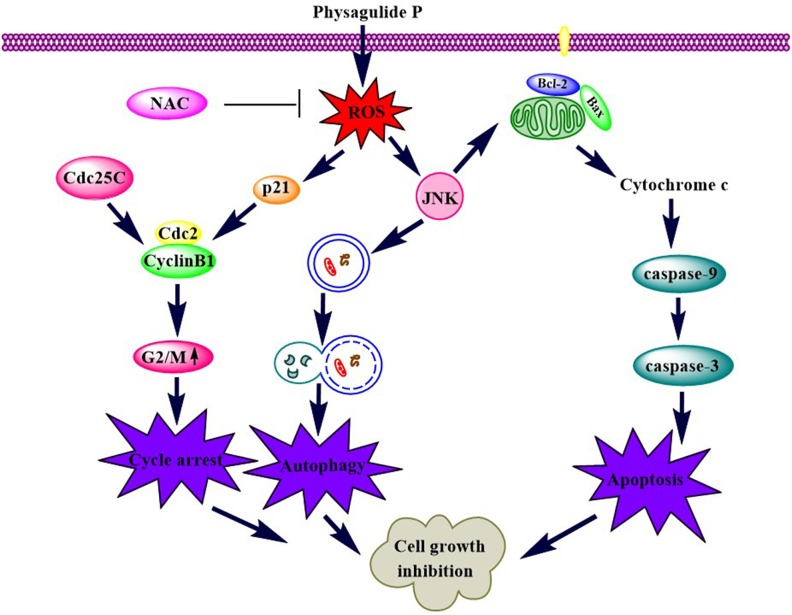
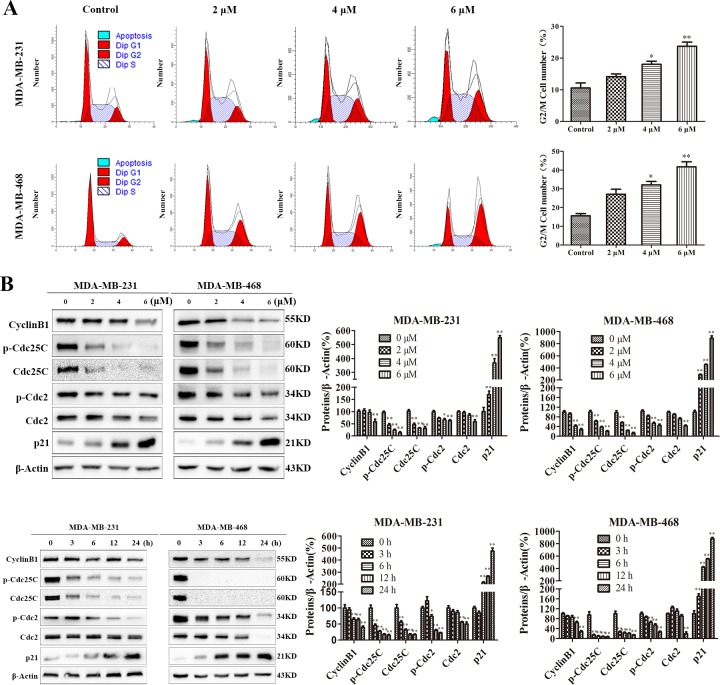
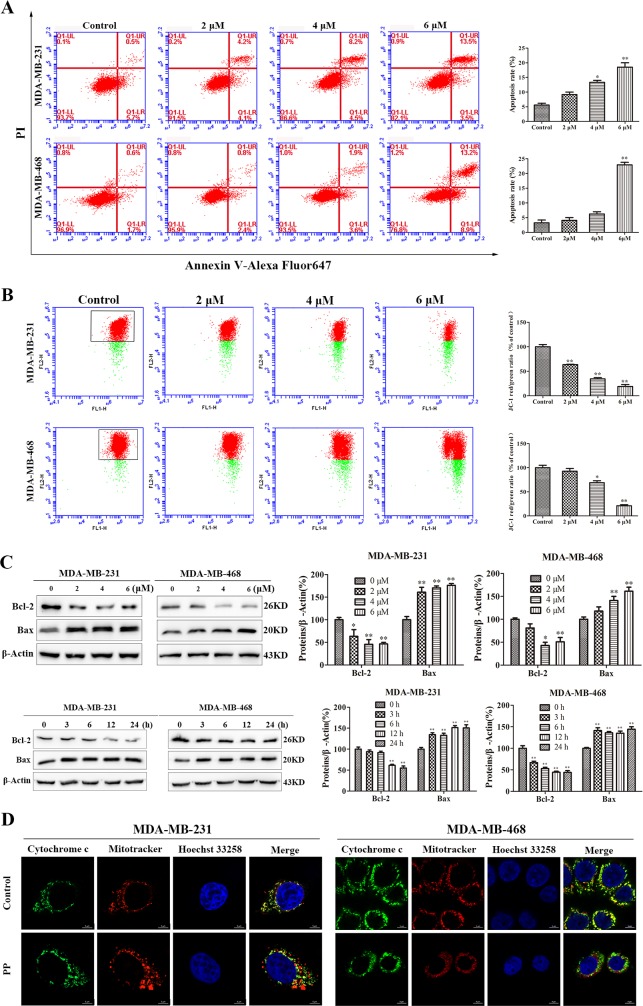
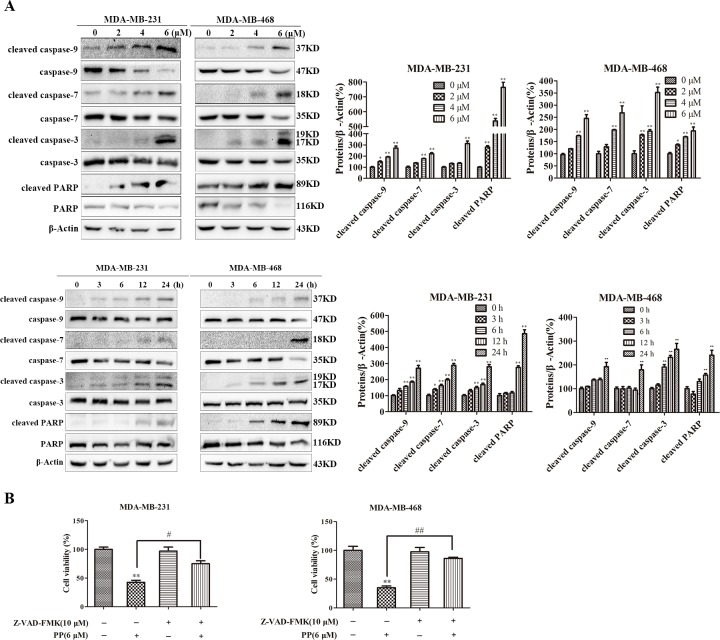
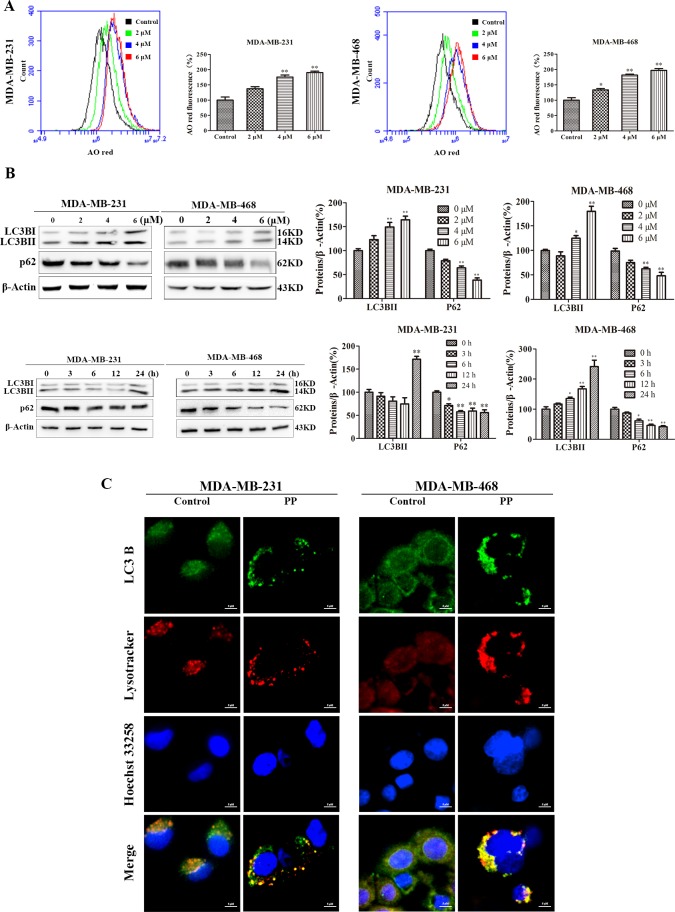
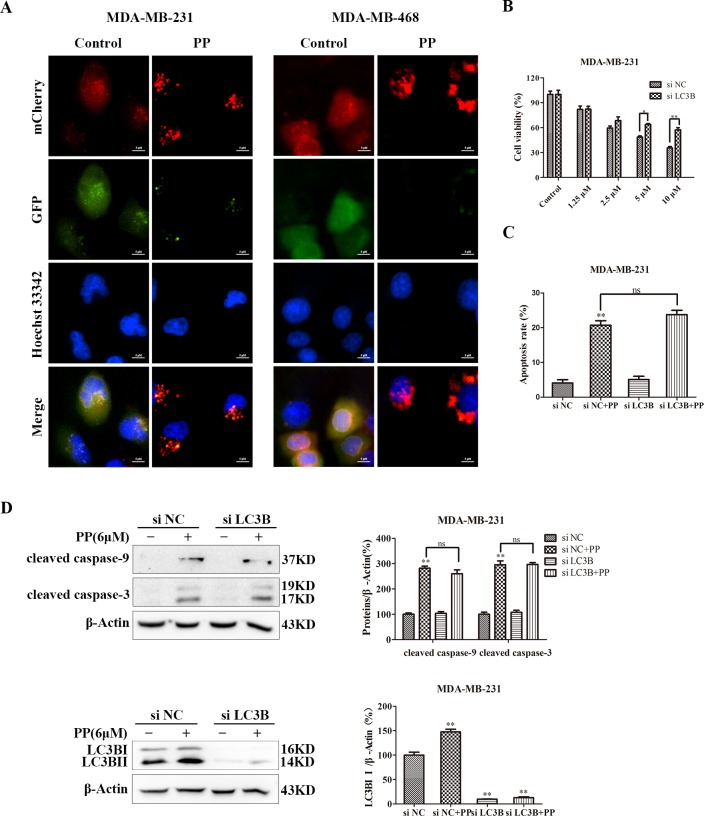
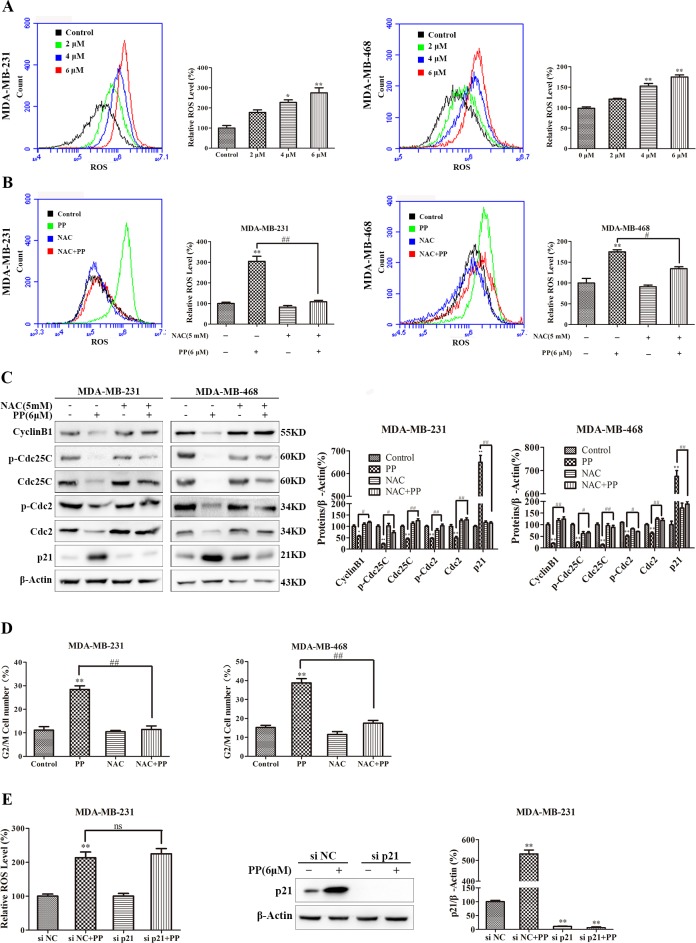
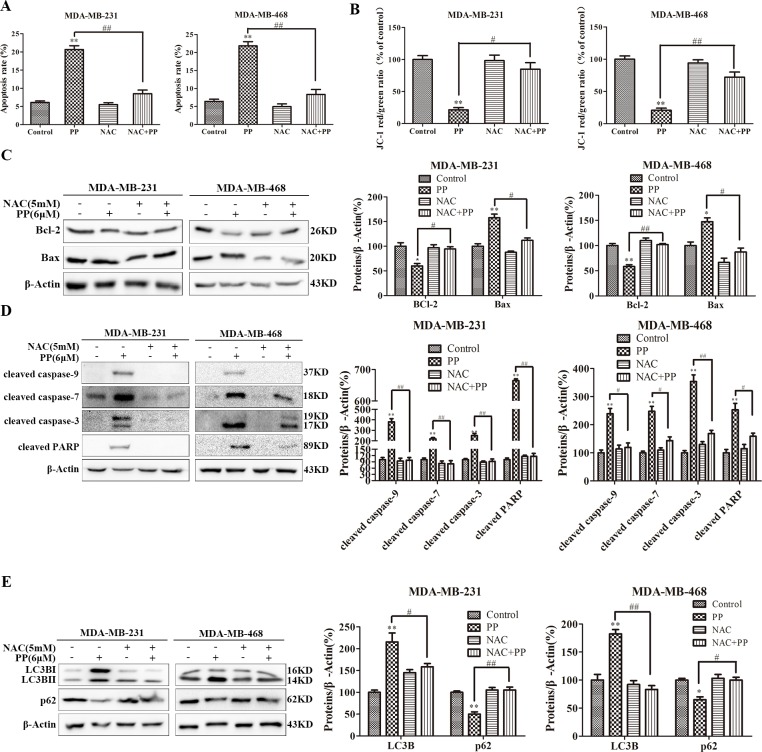
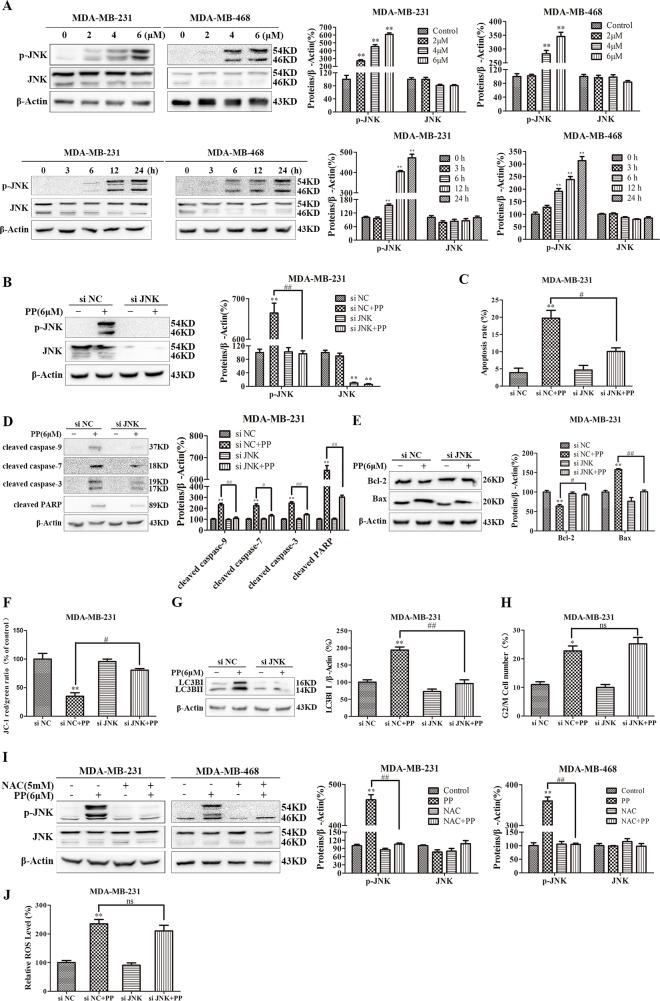
Physagulide P (PP), a new natural compound, was isolated from n our laboratory. In this study, we demonstrated that PP potently suppressed cell proliferation by inducing G2/M phase arrest in MDA-MB-231 and MDA-MB-468 cells. Moreover, PP provoked apoptosis by decreasing the mitochondrial membrane potential and elevating the Bax/Bcl-2 protein expression ratio. The caspase inhibitor Z-VAD-FMK partly restore cell viability, suggesting that apoptosis plays as an important role in the anti-proliferative effect of PP. PP-treated cells also underwent autophagy, as evidenced by the formation of autophagosomes and the accumulation of LC3BII. Furthermore, the knockdown of LC3B reduced PP-induced cytotoxicity, indicating that autophagy played an anticancer effect. PP also induced the generation of reactive oxygen species (ROS) and resulted in c-Jun N-terminal kinases (JNK) activation. Accordingly, JNK siRNA significantly attenuated PP-triggered apoptosis and autophagy, and ROS scavengers almost completely reverse this apoptosis and autophagy. The ROS scavenger also blocked PP-induced G2/M phase arrest and the phosphorylation of JNK. Our results revealed that PP induced G2/M phase arrest, apoptosis and autophagy via the ROS/JNK signaling pathway in MDA-MB-231 and MDA-MB-468 cells. Therefore, PP is a promising candidate for the development of antitumor drugs for the treatment of triple-negative breast cancer.
Physagulide P(PP)是我们实验室从天然物质中分离出的一种新化合物。在本研究中,我们证明PP通过诱导MDA - MB - 231和MDA - MB - 468细胞的G2/M期阻滞来有效抑制细胞增殖。此外,PP通过降低线粒体膜电位和提高Bax/Bcl - 2蛋白表达比率引发细胞凋亡。半胱天冬酶抑制剂Z - VAD - FMK部分恢复了细胞活力,表明细胞凋亡在PP的抗增殖作用中起重要作用。经PP处理的细胞也发生了自噬,自噬体的形成和LC3BII的积累证明了这一点。此外,敲低LC3B降低了PP诱导的细胞毒性,表明自噬发挥了抗癌作用。PP还诱导了活性氧(ROS)的产生并导致c - Jun氨基末端激酶(JNK)激活。因此,JNK siRNA显著减弱了PP引发的细胞凋亡和自噬,而ROS清除剂几乎完全逆转了这种细胞凋亡和自噬。ROS清除剂还阻断了PP诱导的G2/M期阻滞和JNK的磷酸化。我们的结果表明,PP通过ROS/JNK信号通路在MDA - MB - 231和MDA - MB - 468细胞中诱导G2/M期阻滞、细胞凋亡和自噬。因此,PP是开发用于治疗三阴性乳腺癌的抗肿瘤药物的有希望的候选物。