Schultz Jacob, Andersen Asger, Gade Inger Lise, Ringgaard Steffen, Kjaergaard Benedict, Nielsen-Kudsk Jens Erik
1 11297 Department of Cardiology, Aarhus University Hospital, Aarhus, Denmark.
2 373849 Department of Clinical Medicine, Aalborg University, Aalborg, Denmark.
Pulm Circ. 2018 Jan-Mar;8(1):2045893217738217. doi: 10.1177/2045893217738217. Epub 2017 Oct 3.
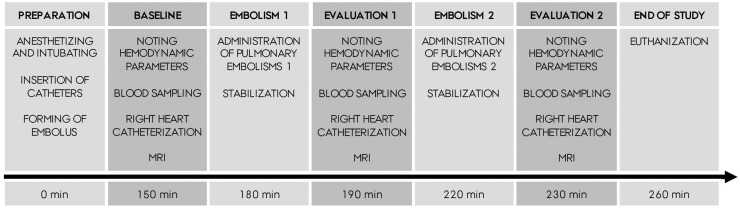
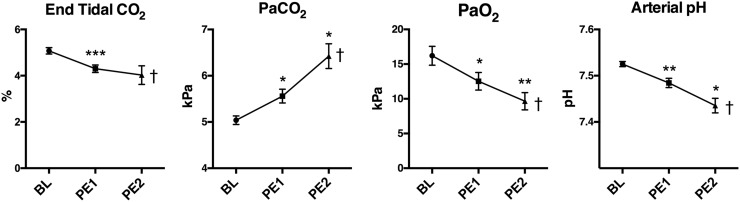
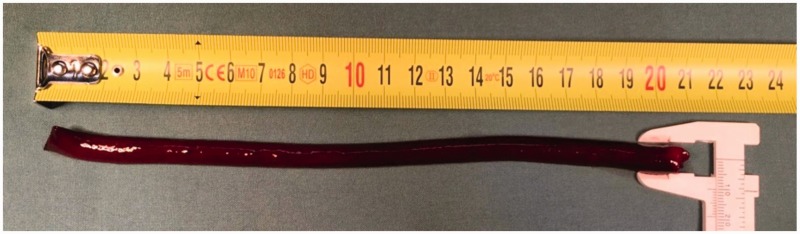
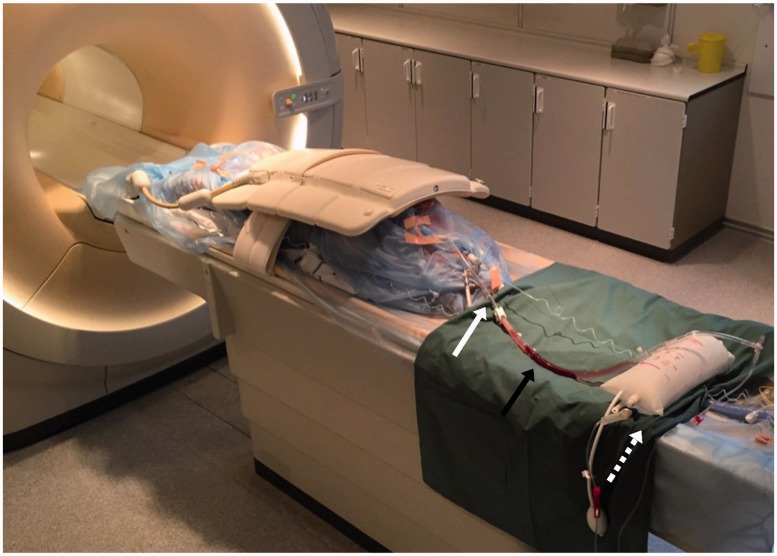
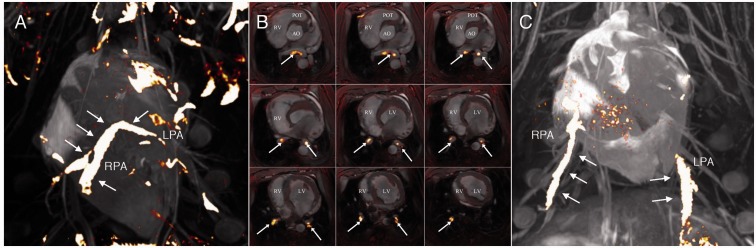
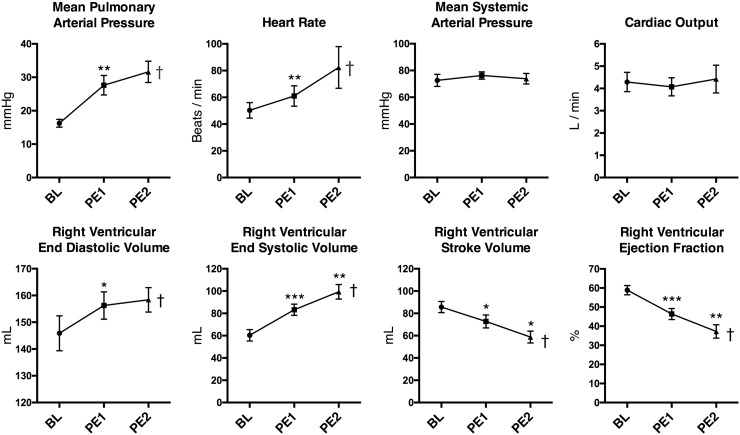
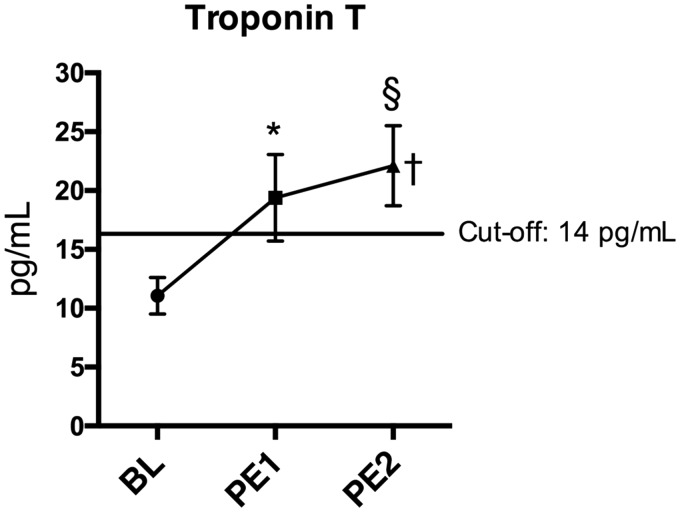
Acute pulmonary embolism (PE) is the third most common cardiovascular cause of death after acute myocardial infarction and stroke. Patients are, however, often under-treated due to the risks associated with systemic thrombolysis and surgical embolectomy. Novel pharmacological and catheter-based treatment strategies show promise, but the data supporting their use in patients are sparse. We therefore aimed to develop an in vivo model of acute PE enabling controlled evaluations of efficacy and safety of novel therapies. Danish Landrace pigs (n = 8) were anaesthetized and mechanically ventilated. Two pre-formed autologous PEs (PE1, PE2, 20 × 1 cm) were administered consecutively via the right external jugular vein. The intact nature and central location were visualized in situ by magnetic resonance imaging (MRI). The hemodynamic and biochemical responses were evaluated at baseline (BL) and after each PE by invasive pressure measurements, MRI, plus arterial and venous blood analysis. Pulmonary arterial pressure increased after administration of the PEs (BL: 16.3 ± 1.2, PE1: 27.6 ± 2.9, PE2: 31.6 ± 3.1 mmHg, BL vs. PE1: P = 0.0027, PE1 vs. PE2: P = 0.22). Animals showed signs of right ventricular strain evident by increased end systolic volume (BL: 60.9 ± 5.1, PE1: 83.3 ± 5.0, PE2: 99.4 ± 6.5 mL, BL vs. PE1: P = 0.0005, PE1 vs. PE2: P = 0.0045) and increased plasma levels of Troponin T. Ejection fraction decreased (BL: 58.9 ± 2.4, PE1: 46.4 ± 2.9, PE2: 37.3 ± 3.5%, BL vs. PE1: p = 0.0008, PE1 vs. PE2: P = 0.009) with a compensatory increase in heart rate preserving cardiac output and systemic blood pressure. The hemodynamic and biochemical responses were comparable to that of patients suffering from intermediate-high-risk PE. This porcine model mirrors the anatomical and physiologic changes seen in human patients with intermediate-high-risk PE, and may enable testing of future therapies for this disease.
急性肺栓塞(PE)是仅次于急性心肌梗死和中风的第三大常见心血管死亡原因。然而,由于全身溶栓和手术取栓存在风险,患者常常得不到充分治疗。新型药物和基于导管的治疗策略显示出前景,但支持其在患者中使用的数据却很稀少。因此,我们旨在建立一种急性PE的体内模型,以便能够对新型疗法的疗效和安全性进行可控评估。将丹麦长白猪(n = 8)麻醉并进行机械通气。通过右颈外静脉连续给予两个预先形成的自体肺栓塞(PE1、PE2,20×1厘米)。通过磁共振成像(MRI)在原位观察其完整性质和中心位置。在基线(BL)以及每次给予肺栓塞后,通过有创压力测量、MRI以及动脉和静脉血液分析来评估血流动力学和生化反应。给予肺栓塞后肺动脉压升高(BL:16.3±1.2,PE1:27.6±2.9,PE2:31.6±3.1 mmHg,BL与PE1比较:P = 0.0027,PE1与PE2比较:P = 0.22)。动物表现出右心室应变的迹象,表现为收缩末期容积增加(BL:60.9±5.1,PE1:83.3±5.0,PE2:99.4±6.5 mL,BL与PE1比较:P = 0.0005,PE1与PE2比较:P = 0.0045)以及肌钙蛋白T血浆水平升高。射血分数降低(BL:58.9±2.4,PE1:46.4±2.9,PE2:37.3±3.5%,BL与PE1比较:p = 0.0008,PE1与PE2比较:P = 0.009),同时心率代偿性增加以维持心输出量和全身血压。血流动力学和生化反应与中高危PE患者的反应相当。这种猪模型反映了中高危PE人类患者中所见的解剖和生理变化,并且可能有助于测试针对该疾病未来的治疗方法。