Stading Ben, Ellison James A, Carson William C, Satheshkumar Panayampalli Subbian, Rocke Tonie E, Osorio Jorge E
Department of Pathobiological Sciences, University of Wisconsin - Madison, Madison, Wisconsin, United States of America.
Poxvirus and Rabies Branch, Division of High-Consequence Pathogens and Pathology, National Center for Emerging Zoonotic Infectious Diseases, Centers for Disease Control and Prevention, Atlanta, Georgia, United States of America.
PLoS Negl Trop Dis. 2017 Oct 4;11(10):e0005958. doi: 10.1371/journal.pntd.0005958. eCollection 2017 Oct.
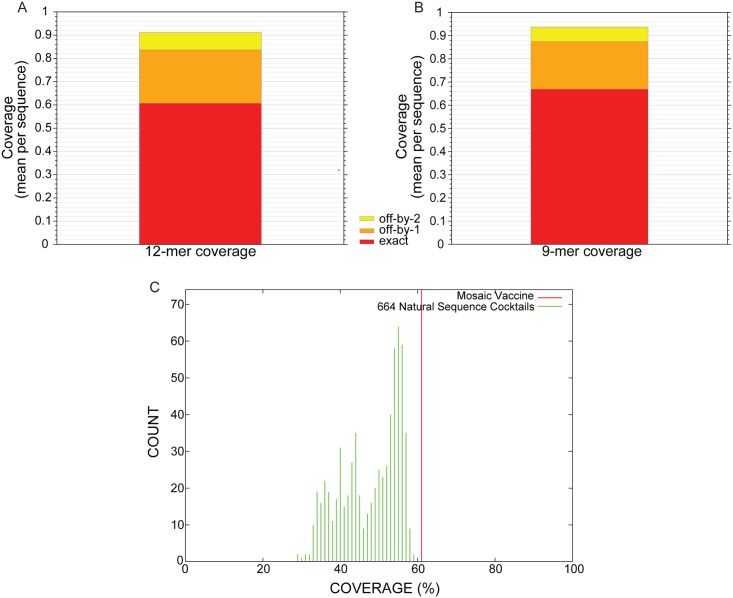
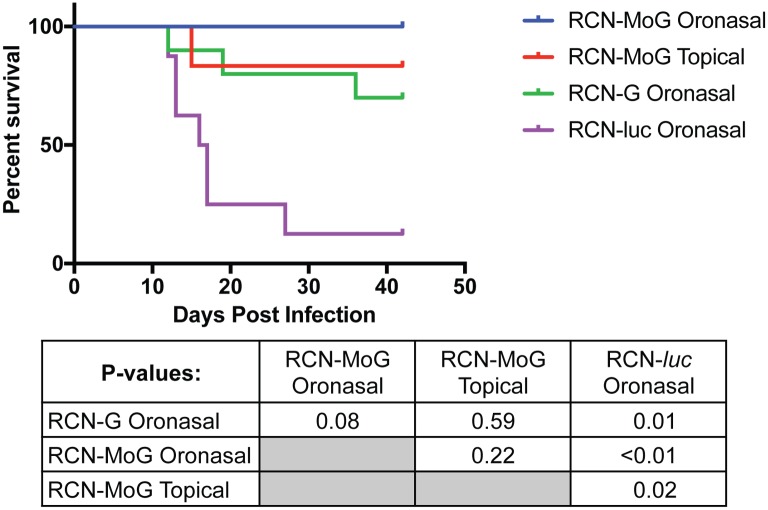
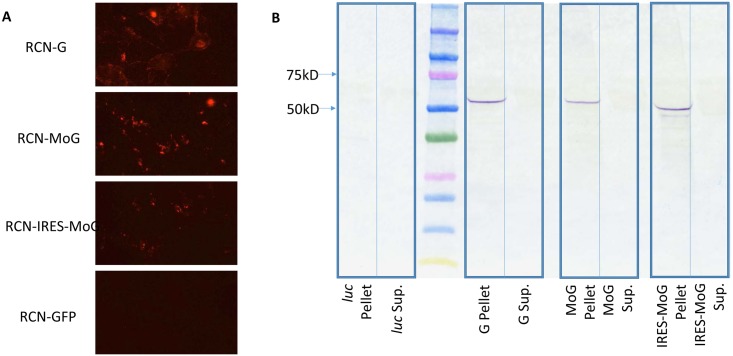
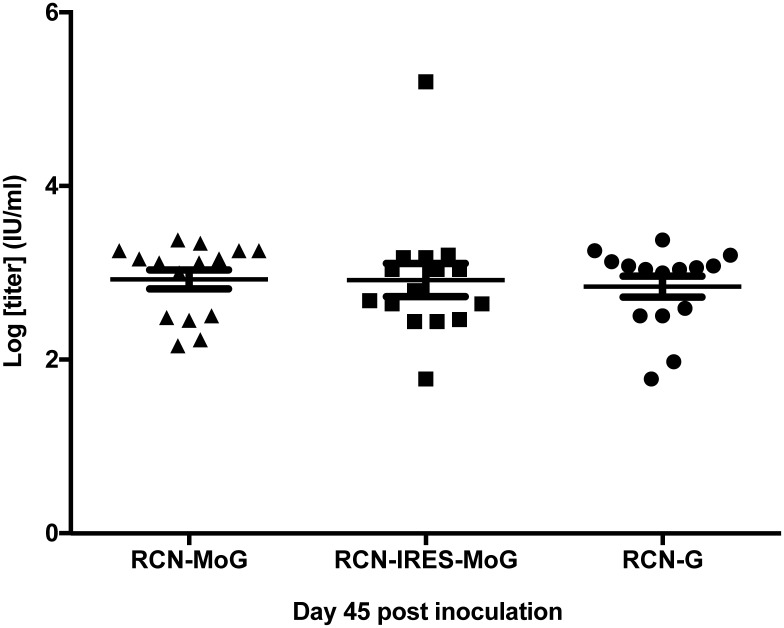
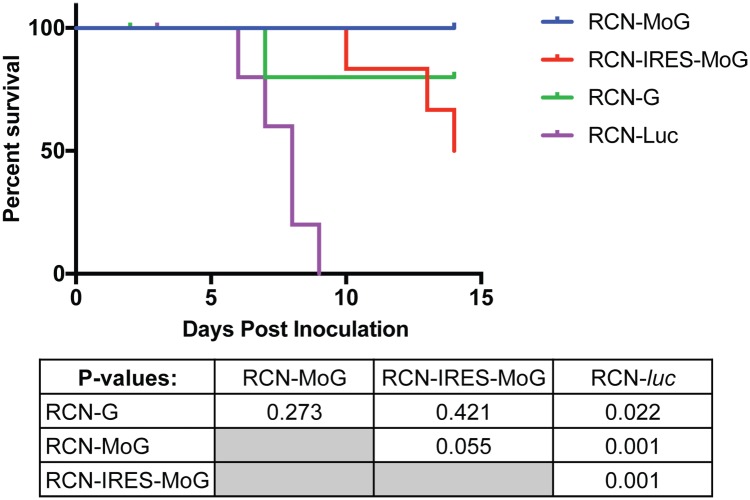
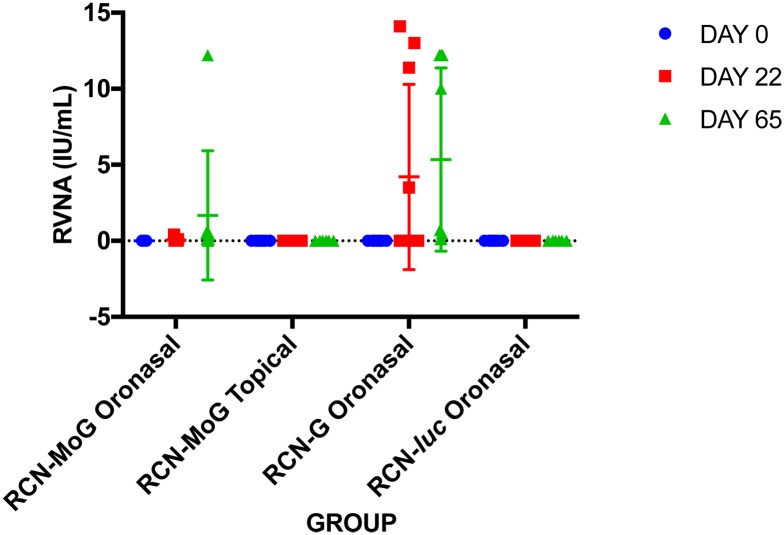
Rabies is an ancient neglected tropical disease that causes tens of thousands of human deaths and millions of cattle deaths annually. In order to develop a new vaccine for potential use in bats, a reservoir of rabies infection for humans and animals alike, an in silico antigen designer tool was used to create a mosaic glycoprotein (MoG) gene using available sequences from the rabies Phylogroup I glycoprotein. This sequence, which represents strains more likely to occur in bats, was cloned into raccoonpox virus (RCN) and the efficacy of this novel RCN-MoG vaccine was compared to RCN-G that expresses the glycoprotein gene from CVS-11 rabies or luciferase (RCN-luc, negative control) in mice and big brown bats (Eptesicus fuscus). Mice vaccinated and boosted intradermally with 1 x 10⁷ plaque forming units (PFU) of each RCN-rabies vaccine construct developed neutralizing antibodies and survived at significantly higher rates than controls. No significant difference in antibody titers or survival was noted between rabies-vaccinated groups. Bats were vaccinated either oronasally (RCN-G, RCN-MoG) with 5x10⁷ PFU or by topical application in glycerin jelly (RCN-MoG, dose 2x10⁸ PFU), boosted (same dose and route) at 46 days post vaccination (dpv), and then challenged with wild-type big brown variant RABV at 65 dpv. Prior to challenge, 90% of RCN-G and 75% of RCN-MoG oronasally vaccinated bats had detectable levels of serum rabies neutralizing antibodies. Bats from the RCN-luc and topically vaccinated RCN-MoG groups did not have measurable antibody responses. The RCN-rabies constructs were highly protective and not significantly different from each other. RCN-MoG provided 100% protection (n = 9) when delivered oronasally and 83% protection (n = 6) when delivered topically; protection provided by the RCN-G construct was 70% (n = 10). All rabies-vaccinated bats survived at a significantly (P ≤ 0.02) higher rate than control bats (12%; n = 8). We have demonstrated the efficacy of a novel, in silico designed rabies MoG antigen that conferred protection from rabies challenge in mice and big brown bats in laboratory studies. With further development, topical or oronasal administration of the RCN-MoG vaccine could potentially mitigate rabies in wild bat populations, reducing spillover of this deadly disease into humans, domestic mammals, and other wildlife.
狂犬病是一种古老的被忽视的热带疾病,每年导致数万人死亡和数百万头牛死亡。为了开发一种可用于蝙蝠的新型疫苗(蝙蝠是人类和动物狂犬病感染的储存宿主),利用计算机抗原设计工具,使用狂犬病I类群糖蛋白的可用序列创建了一个嵌合糖蛋白(MoG)基因。该序列代表更可能在蝙蝠中出现的毒株,将其克隆到浣熊痘病毒(RCN)中,并在小鼠和大棕蝠(棕蝠)中,将这种新型RCN - MoG疫苗的效力与表达来自CVS - 11狂犬病糖蛋白基因的RCN - G或荧光素酶(RCN - luc,阴性对照)进行比较。用每种RCN - 狂犬病疫苗构建体的1×10⁷蚀斑形成单位(PFU)进行皮内接种和加强免疫的小鼠产生了中和抗体,并且存活率显著高于对照组。狂犬病疫苗接种组之间在抗体滴度或存活率方面没有显著差异。蝙蝠通过口服(RCN - G、RCN - MoG)5×10⁷ PFU或在甘油凝胶中局部应用(RCN - MoG,剂量2×10⁸ PFU)进行接种,在接种后46天(dpv)进行加强免疫(相同剂量和途径),然后在65 dpv时用野生型大棕变种狂犬病病毒(RABV)进行攻击。在攻击前,90%口服接种RCN - G的蝙蝠和75%口服接种RCN - MoG的蝙蝠血清中可检测到狂犬病中和抗体水平。RCN - luc组和局部接种RCN - MoG组的蝙蝠没有可测量的抗体反应。RCN - 狂犬病构建体具有高度保护性,且彼此之间没有显著差异。口服给药时,RCN - MoG提供了100%的保护(n = 9),局部给药时提供了(83%的保护(n = 6);RCN - G构建体提供的保护率为70%(n = 10)。所有接种狂犬病疫苗的蝙蝠存活率显著(P≤0.02)高于对照蝙蝠(12%;n = 8)。我们已经证明了一种新型的、通过计算机设计的狂犬病MoG抗原在实验室研究中对小鼠和大棕蝠具有抗狂犬病攻击的保护效力。随着进一步开发,RCN - MoG疫苗的局部或口服给药有可能减轻野生蝙蝠种群中的狂犬病,减少这种致命疾病向人类、家养哺乳动物和其他野生动物的传播。