Behairy Ola Galal, Abd Almonaem Eman Rateb, Abed Neveen Tawfik, Abdel Haiea Omima M, Zakaria Rasha M, AbdEllaty Rania I, Asr Effat H, Mansour Amira Ibrahim, Abdelrahman Amira Mn, Elhady Hoda A
Pediatric Department, Benha Faculty of Medicine, Benha University.
Clinical and Chemical Pathology Department, Benha Faculty of Medicine, Benha University, Benha.
Int J Nephrol Renovasc Dis. 2017 Sep 11;10:261-268. doi: 10.2147/IJNRD.S142824. eCollection 2017.
Although advancements have been made in the management of thalassemic patients, many unrecognized complications have emerged, such as renal abnormalities.
To measure serum levels of cystatin-C and β-2 microglobulin in children with beta-thalassemia major (β-TM) and investigate their significance as early markers of glomerular and tubular dysfunctions.
The study was performed on 70 children with (β-TM) and 20 apparently healthy children matched for age and sex as a control group. For all the enrolled children, a comprehensive medical history was obtained and complete physical examination was performed, blood urea, serum creatinine, serum ferritin, estimated glomerular filtration rate (eGFR) by Schwartz formula and creatinine clearance, albumin/creatinine ratio in urine, serum cystatin-C levels and β-2 microglobulin were measured.
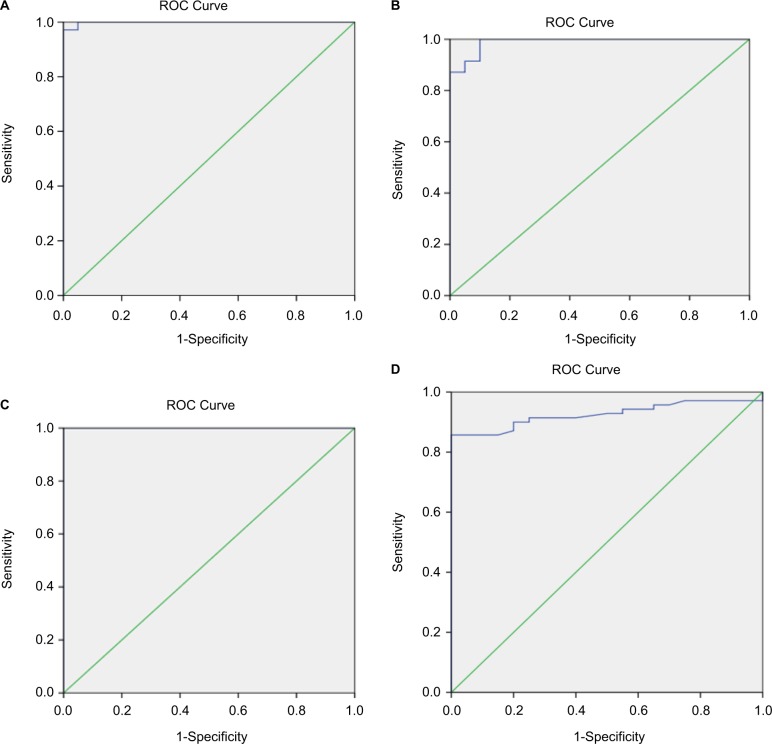
Thalassemic children had significantly higher cystatin-C and β-2 microglobulin levels compared with control. In addition, serum cystatin-C and β-2 microglobulin were positively correlated with urea, creatinine, serum ferritin, albumin/creatinine ratio, duration of chelation therapy and frequency of blood transfusion/year and negatively correlated with creatinine clearance, hemoglobin, and eGFR. Our data demonstrated that cystatin-C and β-2 microglobulin had higher sensitivity and specificity (91.4%, 90.0%, and 85.7%, 100%, respectively) than serum creatinine and creatinine clearance (83.0%, 100% and 81.4%, 100%, respectively) for small changes in GFR.
Cystatin-C and β-2 microglobulin are specific and sensitive early biomarkers for monitoring glomerular and tubular dysfunction in children with β-TM.
尽管地中海贫血患者的管理已取得进展,但仍出现了许多未被认识的并发症,如肾脏异常。
测定重型β地中海贫血(β-TM)患儿血清胱抑素-C和β2微球蛋白水平,并探讨其作为肾小球和肾小管功能障碍早期标志物的意义。
本研究对70例β-TM患儿及20例年龄和性别匹配的健康儿童作为对照组进行。对所有纳入研究的儿童,获取全面的病史并进行全面体格检查,测量血尿素、血清肌酐、血清铁蛋白、用Schwartz公式估算的肾小球滤过率(eGFR)和肌酐清除率、尿白蛋白/肌酐比值、血清胱抑素-C水平和β2微球蛋白。
与对照组相比,地中海贫血患儿的胱抑素-C和β2微球蛋白水平显著更高。此外,血清胱抑素-C和β2微球蛋白与尿素、肌酐、血清铁蛋白、白蛋白/肌酐比值、螯合治疗持续时间和每年输血频率呈正相关,与肌酐清除率、血红蛋白和eGFR呈负相关。我们的数据表明,对于肾小球滤过率的微小变化,胱抑素-C和β2微球蛋白的敏感性和特异性(分别为91.4%、90.0%和85.7%、100%)高于血清肌酐和肌酐清除率(分别为83.0%、100%和81.4%、100%)。
胱抑素-C和β2微球蛋白是监测β-TM患儿肾小球和肾小管功能障碍的特异性和敏感性早期生物标志物。