Department of Medical Chemistry, University of Szeged, H-6720 Szeged, Dóm Square 8, Hungary.
MTA-SZTE Biomimetic Systems Research Group and Department of Medical Chemistry, University of Szeged, H-6720 Szeged, Dóm Square 8, Hungary.
Molecules. 2017 Oct 10;22(10):1692. doi: 10.3390/molecules22101692.
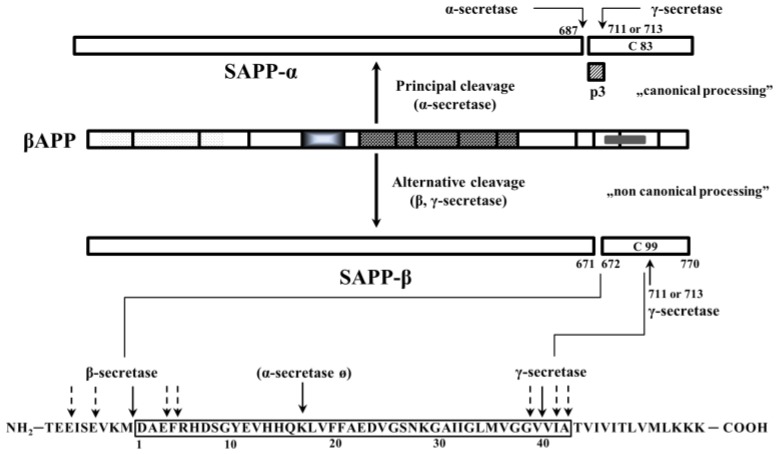
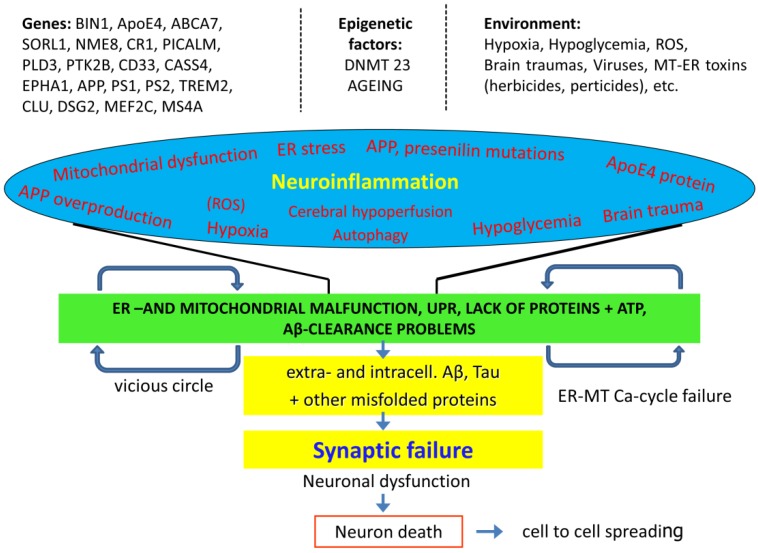
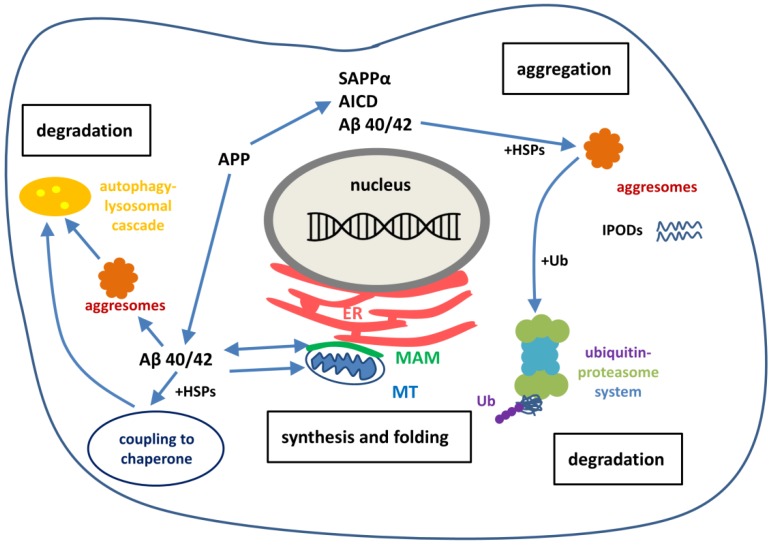
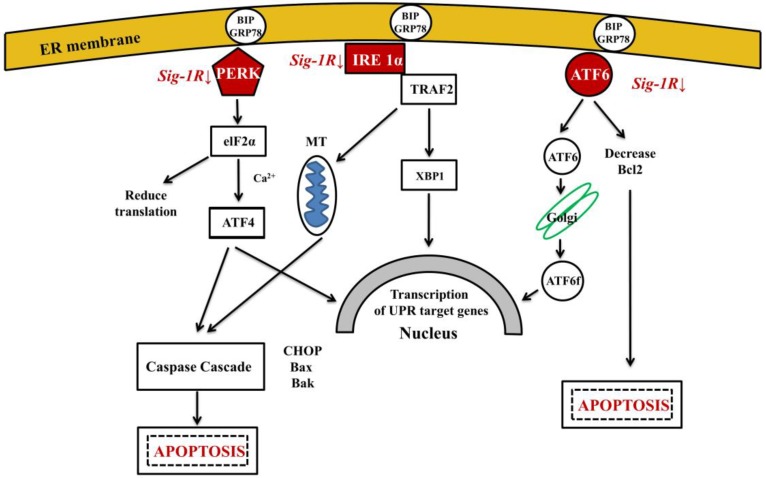
Protein dyshomeostasis is the common mechanism of neurodegenerative diseases such as Alzheimer's disease (AD). Aging is the key risk factor, as the capacity of the proteostasis network declines during aging. Different cellular stress conditions result in the up-regulation of the neurotrophic, neuroprotective amyloid precursor protein (APP). Enzymatic processing of APP may result in formation of toxic Aβ aggregates (β-amyloids). Protein folding is the basis of life and death. Intracellular Aβ affects the function of subcellular organelles by disturbing the endoplasmic reticulum-mitochondria cross-talk and causing severe Ca-dysregulation and lipid dyshomeostasis. The extensive and complex network of proteostasis declines during aging and is not able to maintain the balance between production and disposal of proteins. The effectivity of cellular pathways that safeguard cells against proteotoxic stress (molecular chaperones, aggresomes, the ubiquitin-proteasome system, autophagy) declines with age. Chronic cerebral hypoperfusion causes dysfunction of the blood-brain barrier (BBB), and thus the Aβ-clearance from brain-to-blood decreases. Microglia-mediated clearance of Aβ also declines, Aβ accumulates in the brain and causes neuroinflammation. Recognition of the above mentioned complex pathogenesis pathway resulted in novel drug targets in AD research.
蛋白质稳态失衡是阿尔茨海默病(AD)等神经退行性疾病的共同机制。衰老是的关键风险因素,因为随着年龄的增长,蛋白质稳态网络的能力下降。不同的细胞应激条件导致神经营养、神经保护淀粉样前体蛋白(APP)的上调。APP 的酶促加工可能导致有毒 Aβ 聚集物(β-淀粉样蛋白)的形成。蛋白质折叠是生死的基础。细胞内 Aβ 通过干扰内质网-线粒体串扰和导致严重的 Ca 失调和脂质稳态失衡来影响亚细胞器的功能。蛋白质稳态的广泛而复杂的网络随着年龄的增长而下降,无法维持蛋白质产生和处理之间的平衡。保护细胞免受蛋白毒性应激的细胞途径的有效性(分子伴侣、聚集物、泛素-蛋白酶体系统、自噬)随着年龄的增长而下降。慢性脑灌注不足导致血脑屏障(BBB)功能障碍,从而减少了 Aβ 从脑到血的清除。小胶质细胞介导的 Aβ 清除也下降,Aβ 在大脑中积累并引起神经炎症。对上述复杂发病机制途径的认识导致了 AD 研究中的新药物靶点。