Lucchi Chiara, Costa Anna M, Giordano Carmela, Curia Giulia, Piat Marika, Leo Giuseppina, Vinet Jonathan, Brunel Luc, Fehrentz Jean-Alain, Martinez Jean, Torsello Antonio, Biagini Giuseppe
Laboratory of Experimental Epileptology, Department of Biomedical, Metabolic and Neural Sciences, University of Modena and Reggio EmiliaModena, Italy.
Centre National de la Recherche Scientifique, Max Mousseron Institute of Biomolecules, National School of Chemistry Montpellier, University of MontpellierMontpellier, France.
Front Pharmacol. 2017 Sep 22;8:676. doi: 10.3389/fphar.2017.00676. eCollection 2017.
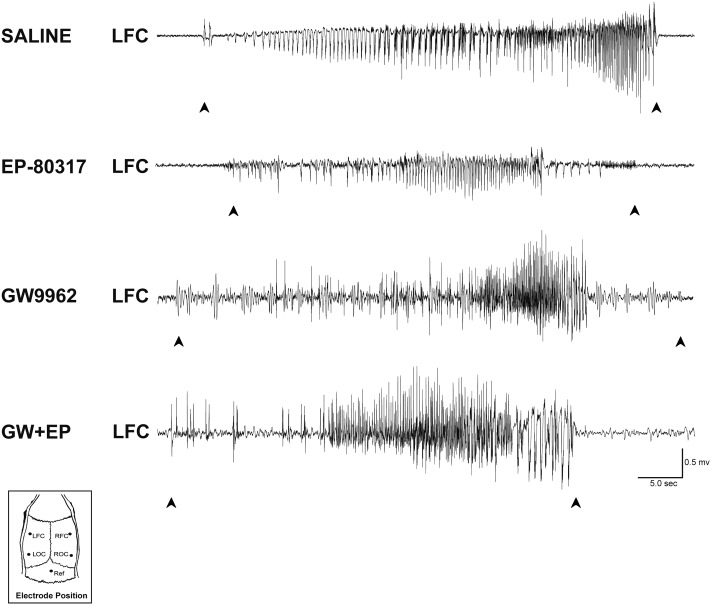
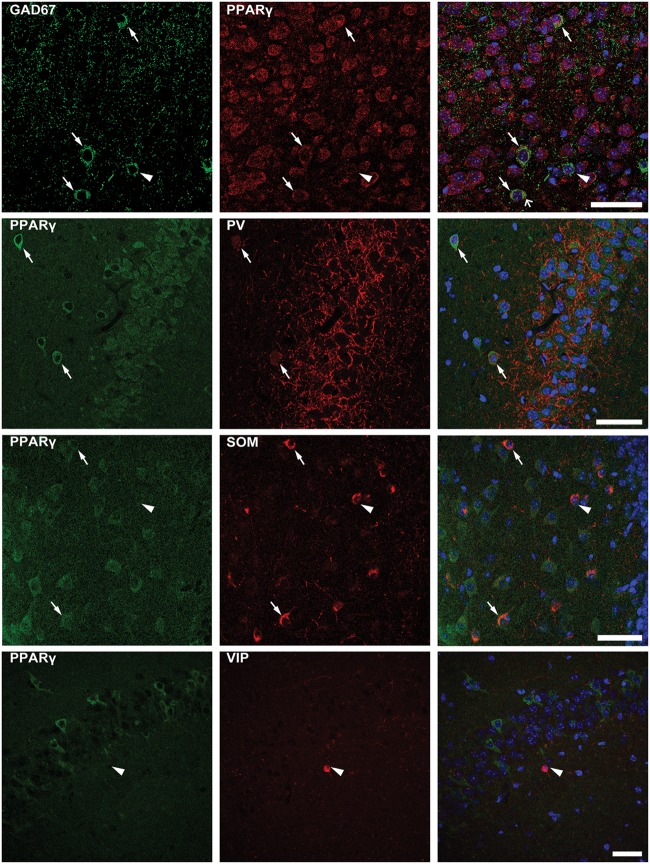
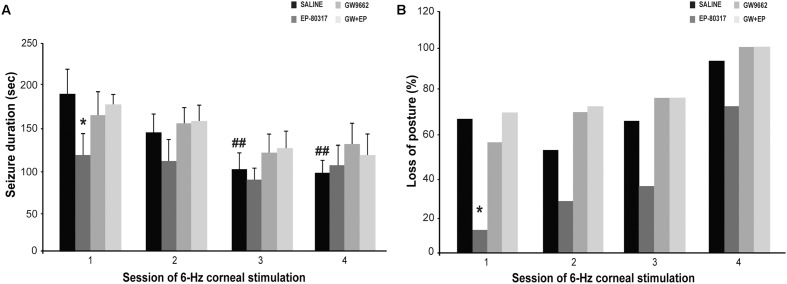
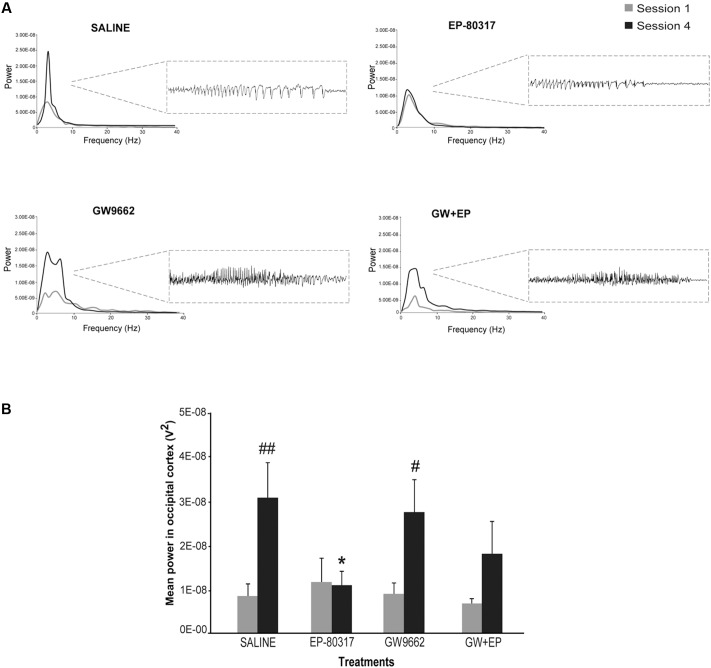
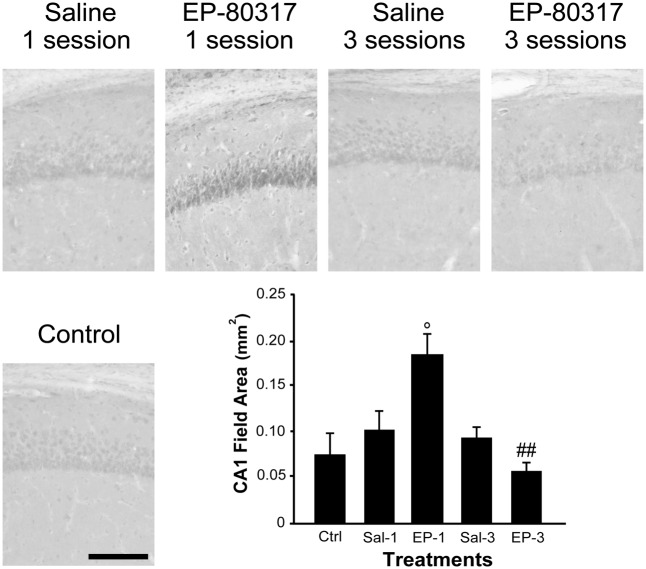
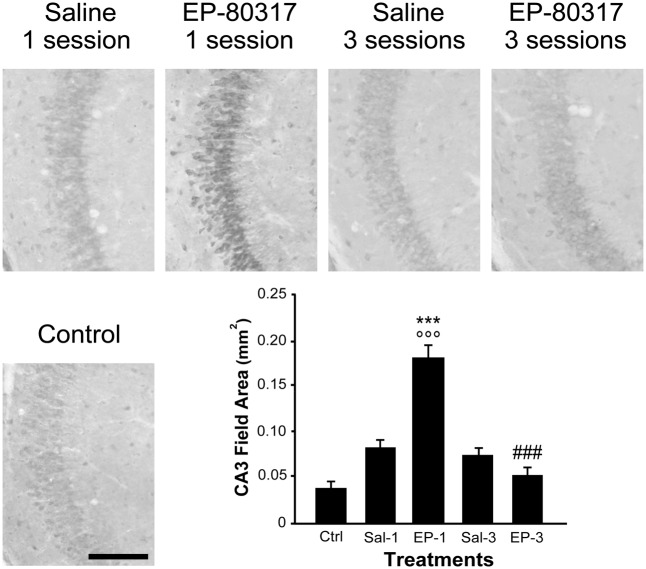
Ghrelin, des-acyl ghrelin and other related peptides possess anticonvulsant activities. Although ghrelin and cognate peptides were shown to physiologically regulate only the ghrelin receptor, some of them were pharmacologically proved to activate the peroxisome proliferator-activated receptor gamma (PPARγ) through stimulation of the scavenger receptor CD36 in macrophages. In our study, we challenged the hypothesis that PPARγ could be involved in the anticonvulsant effects of EP-80317, a ghrelin receptor antagonist. For this purpose, we used the PPARγ antagonist GW9662 to evaluate the modulation of EP-80317 anticonvulsant properties in two different models. Firstly, the anticonvulsant effects of EP-80317 were studied in rats treated with pilocarpine to induce (SE). Secondly, the anticonvulsant activity of EP-80317 was ascertained in the repeated 6-Hz corneal stimulation model in mice. Behavioral and video electrocorticographic (ECoG) analyses were performed in both models. We also characterized levels of immunoreactivity for PPARγ in the hippocampus of 6-Hz corneally stimulated mice. EP-80317 predictably antagonized seizures in both models. Pretreatment with GW9662 counteracted almost all EP-80317 effects both in mice and rats. Only the effects of EP-80317 on power spectra of ECoGs recorded during repeated 6-Hz corneal stimulation were practically unaffected by GW9662 administration. Moreover, GW9662 alone produced a decrease in the latency of tonic-clonic seizures and accelerated the onset of SE in rats. Finally, in the hippocampus of mice treated with EP-80317 we found increased levels of PPARγ immunoreactivity. Overall, these results support the hypothesis that PPARγ is able to modulate seizures and mediates the anticonvulsant effects of EP-80317.
胃饥饿素、去酰基胃饥饿素及其他相关肽具有抗惊厥活性。尽管胃饥饿素及同源肽仅在生理上调节胃饥饿素受体,但其中一些已被药理学证明可通过刺激巨噬细胞中的清道夫受体CD36来激活过氧化物酶体增殖物激活受体γ(PPARγ)。在我们的研究中,我们对PPARγ可能参与胃饥饿素受体拮抗剂EP - 80317的抗惊厥作用这一假设进行了验证。为此,我们使用PPARγ拮抗剂GW9662在两种不同模型中评估EP - 80317抗惊厥特性的调节情况。首先,在经毛果芸香碱诱导癫痫持续状态(SE)的大鼠中研究了EP - 80317的抗惊厥作用。其次,在小鼠的重复6赫兹角膜刺激模型中确定了EP - 80317的抗惊厥活性。在两种模型中均进行了行为学和视频脑电图(ECoG)分析。我们还对6赫兹角膜刺激小鼠海马中PPARγ的免疫反应性水平进行了表征。EP - 80317在两种模型中均可预期地拮抗癫痫发作。用GW9662预处理几乎抵消了EP - 80317在小鼠和大鼠中的所有作用。仅在重复6赫兹角膜刺激期间记录的ECoG功率谱上,EP - 80317的作用几乎不受GW9662给药的影响。此外,单独使用GW9662会使大鼠强直阵挛性癫痫发作的潜伏期缩短,并加速癫痫持续状态的发作。最后,在接受EP - 80317治疗的小鼠海马中,我们发现PPARγ免疫反应性水平升高。总体而言,这些结果支持PPARγ能够调节癫痫发作并介导EP - 80317抗惊厥作用的假设。