Department of Anesthesia and Critical Care, The Second Affiliated Hospital and Yuying Children's Hospital of Wenzhou Medical University, Wenzhou, Zhejiang 325027, China.
Protein Quality Control and Diseases Laboratory, Cancer Center, School of Laboratory Medicine and Life Sciences, Wenzhou Medical University, Wenzhou, Zhejiang 325035, China.
Biosci Rep. 2017 Dec 12;37(6). doi: 10.1042/BSR20171006. Print 2017 Dec 22.
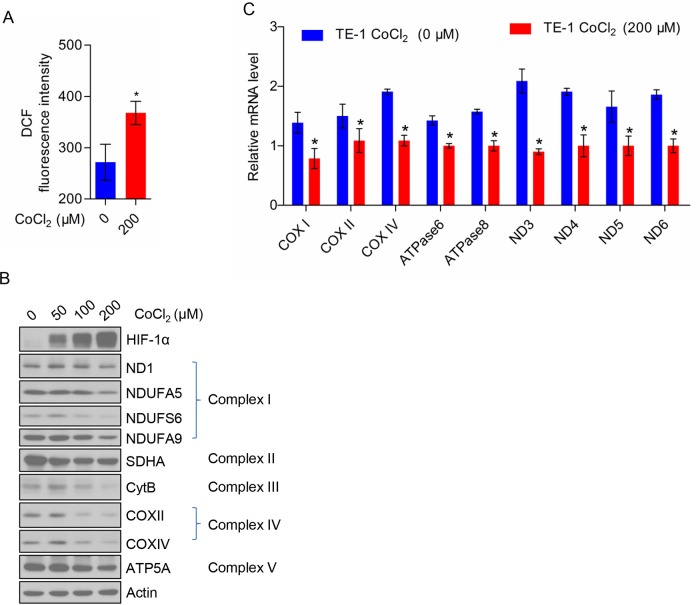
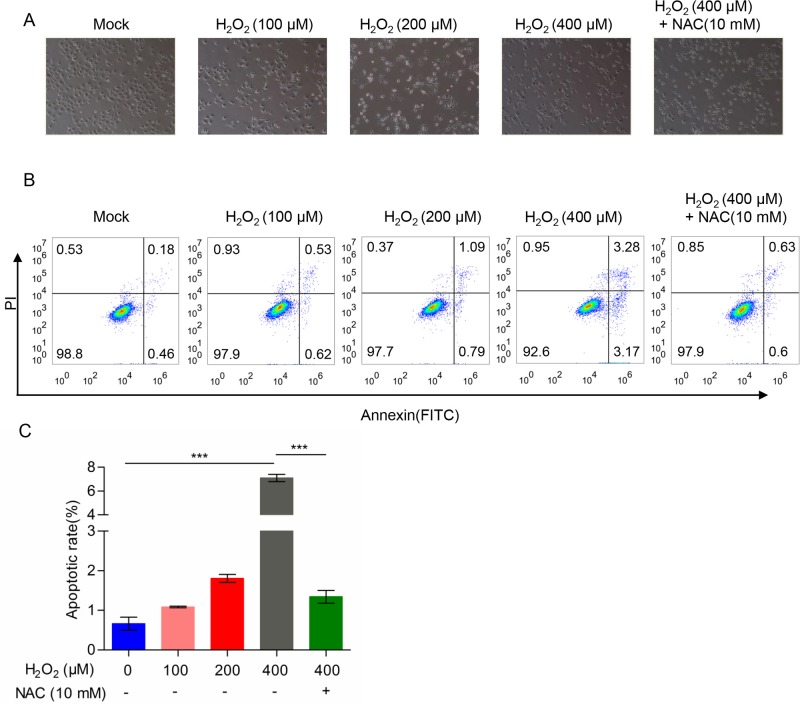
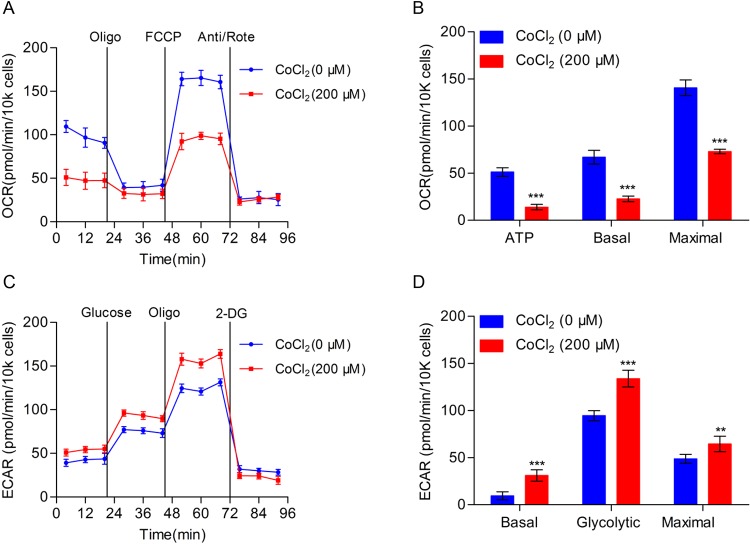
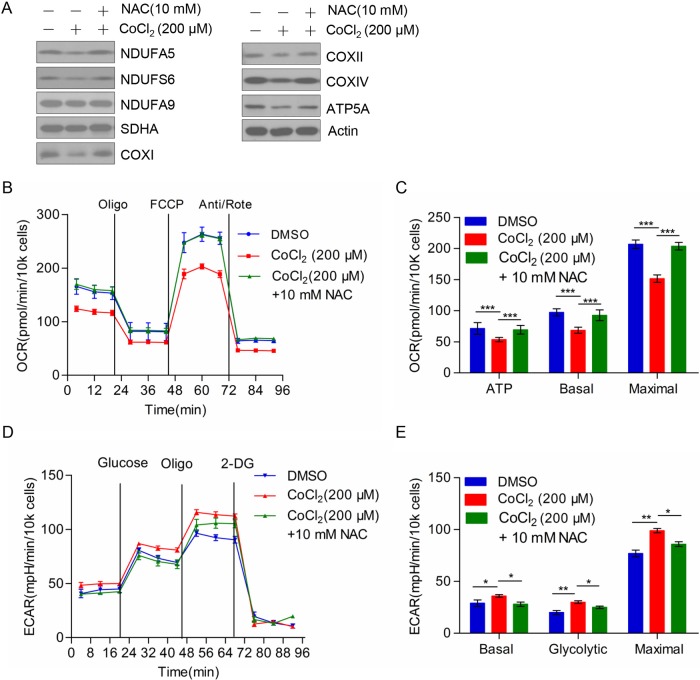
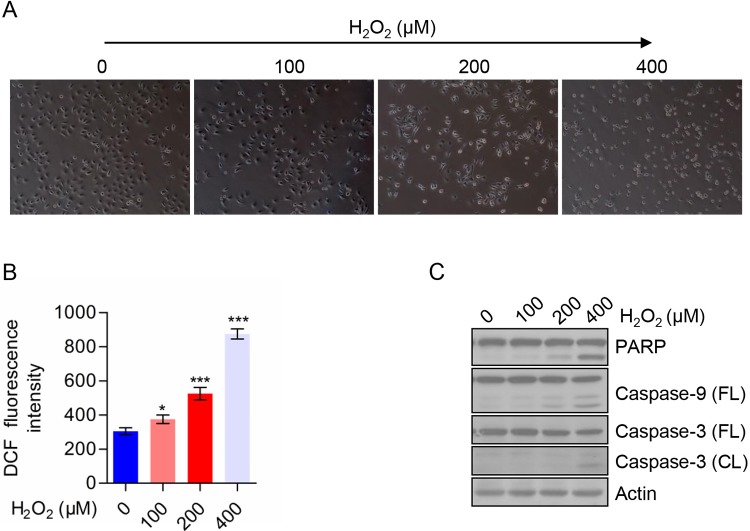
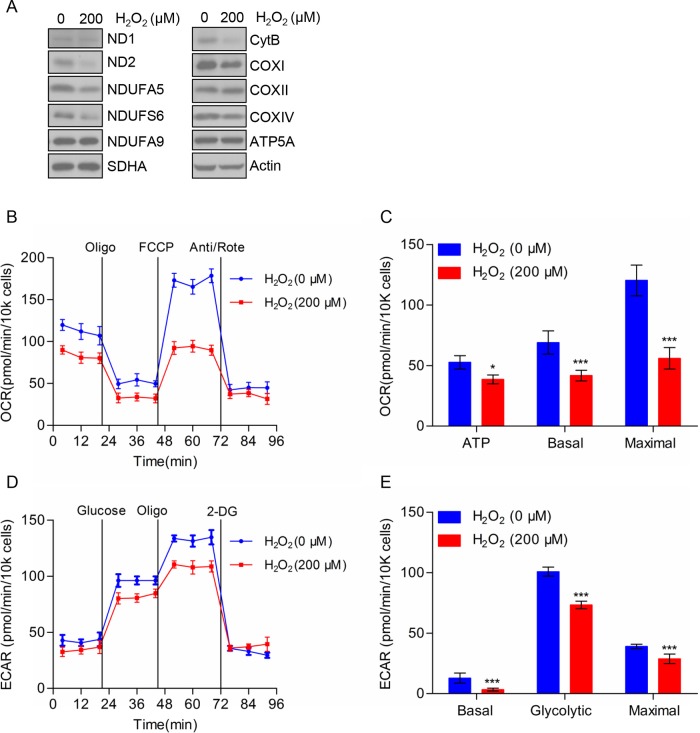
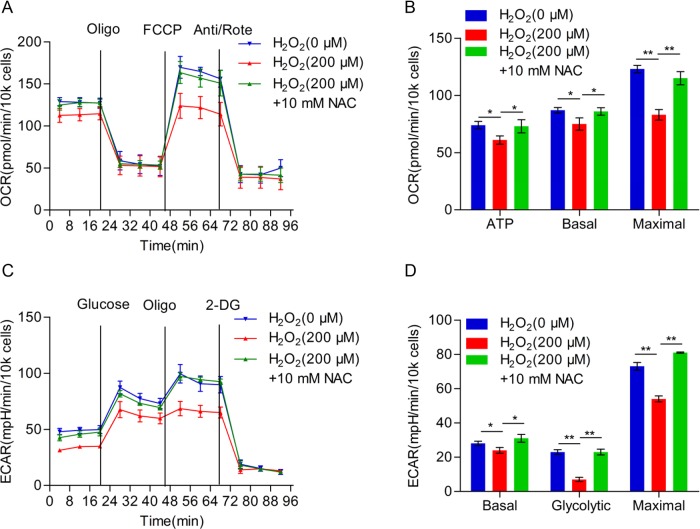
The aim of the present study was to explore the effects of oxidative stress induced by CoCl and HO on the regulation of bioenergetics of esophageal squamous cell carcinoma (ESCC) cell line TE-1 and analyze its underlying mechanism. Western blot results showed that CoCl and HO treatment of TE-1 cells led to significant reduction in mitochondrial respiratory chain complex subunits expression and increasing intracellular reactive oxygen species (ROS) production. We further found that TE-1 cells treated with CoCl, a hypoxia-mimicking reagent, dramatically reduced the oxygen consumption rate (OCR) and increased the extracellular acidification rate (ECAR). However, HO treatment decreased both the mitochondrial respiration and aerobic glycolysis significantly. Moreover, we found that HO induces apoptosis in TE-1 cells through the activation of PARP, Caspase 3, and Caspase 9. Therefore, our findings indicate that CoCl and HO could cause mitochondrial dysfunction by up-regulation of ROS and regulating the cellular bioenergy metabolism, thus affecting the survival of tumor cells.
本研究旨在探讨 CoCl 和 HO 诱导的氧化应激对食管鳞状细胞癌细胞系 TE-1 生物能量调节的影响,并分析其潜在机制。Western blot 结果表明,CoCl 和 HO 处理 TE-1 细胞导致线粒体呼吸链复合亚基表达显著减少,同时细胞内活性氧(ROS)生成增加。我们进一步发现,用 CoCl(一种模拟缺氧的试剂)处理 TE-1 细胞,显著降低了耗氧率(OCR),并增加了细胞外酸化率(ECAR)。然而,HO 处理显著降低了线粒体呼吸和有氧糖酵解。此外,我们发现 HO 通过激活 PARP、Caspase 3 和 Caspase 9 诱导 TE-1 细胞凋亡。因此,我们的研究结果表明,CoCl 和 HO 可以通过上调 ROS 引起线粒体功能障碍,并调节细胞生物能量代谢,从而影响肿瘤细胞的存活。