Dufton Neil P, Peghaire Claire R, Osuna-Almagro Lourdes, Raimondi Claudio, Kalna Viktoria, Chauhan Abhishek, Webb Gwilym, Yang Youwen, Birdsey Graeme M, Lalor Patricia, Mason Justin C, Adams David H, Randi Anna M
Vascular Sciences, Imperial Centre for Translational and Experimental Medicine, National Heart and Lung Institute, Imperial College London, London, W12 0NN, UK.
Centre for Liver Research, Institute of Biomedical Research, Institute of Immunology and Immunotherapy, College of Medical and Dental Sciences, University of Birmingham, Birmingham, B15 2TT, UK.
Nat Commun. 2017 Oct 12;8(1):895. doi: 10.1038/s41467-017-01169-0.
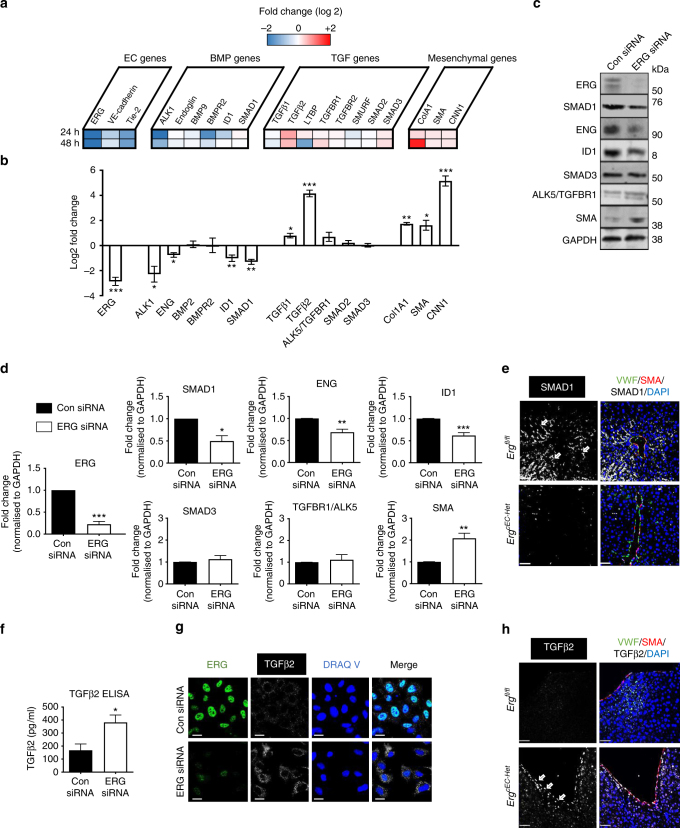
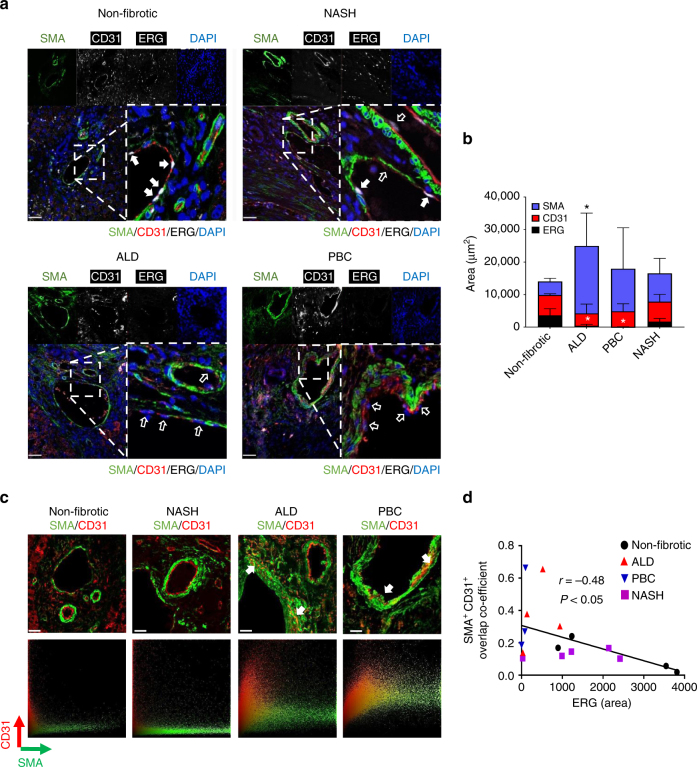
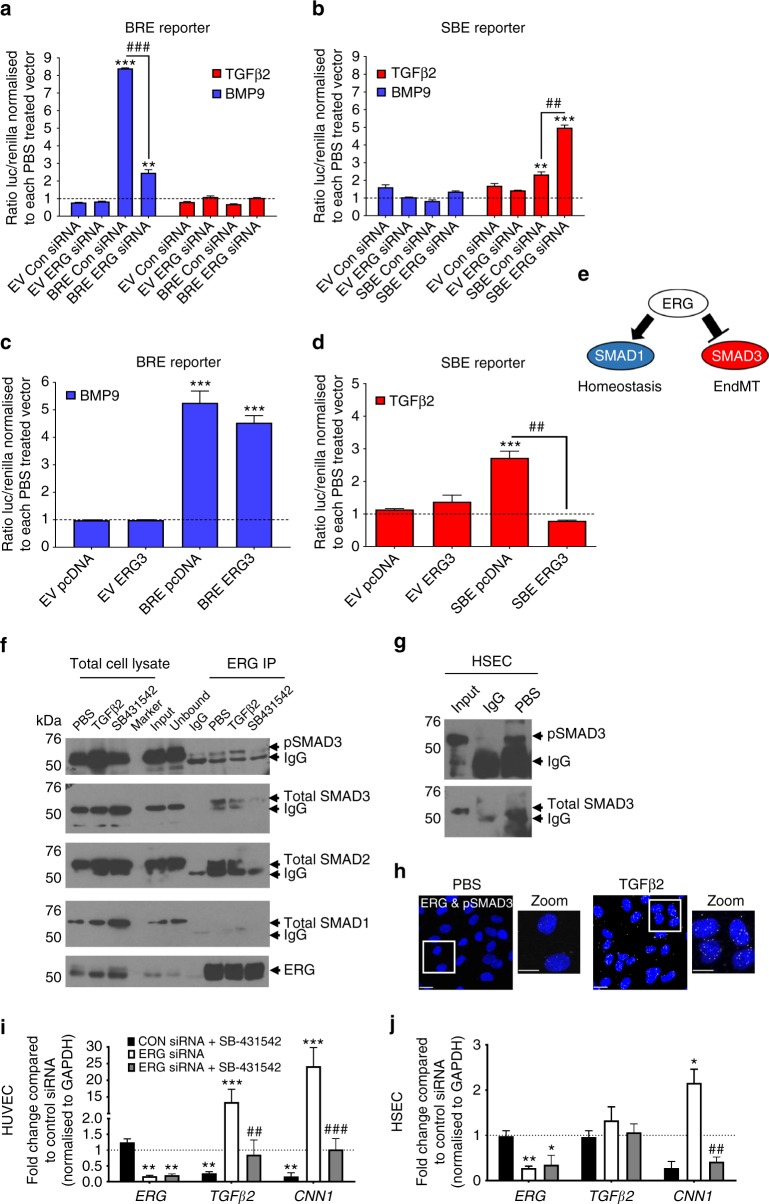
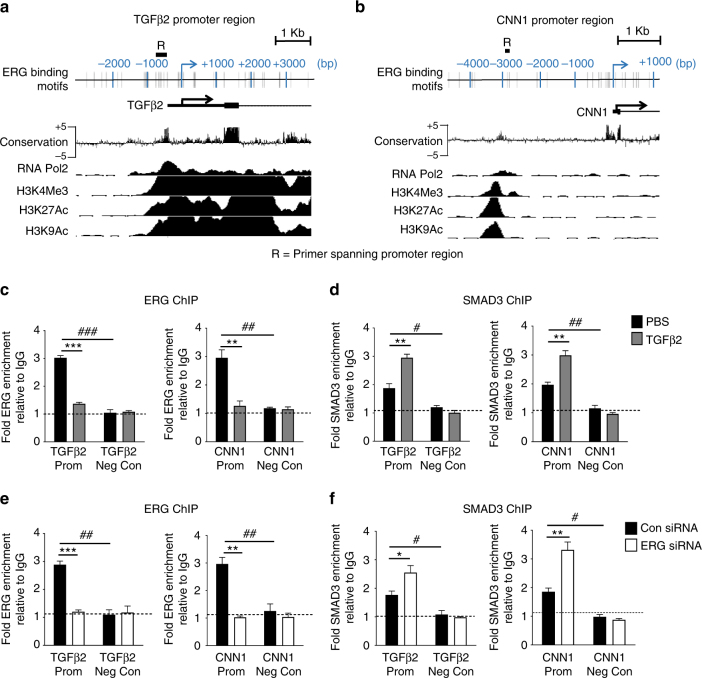
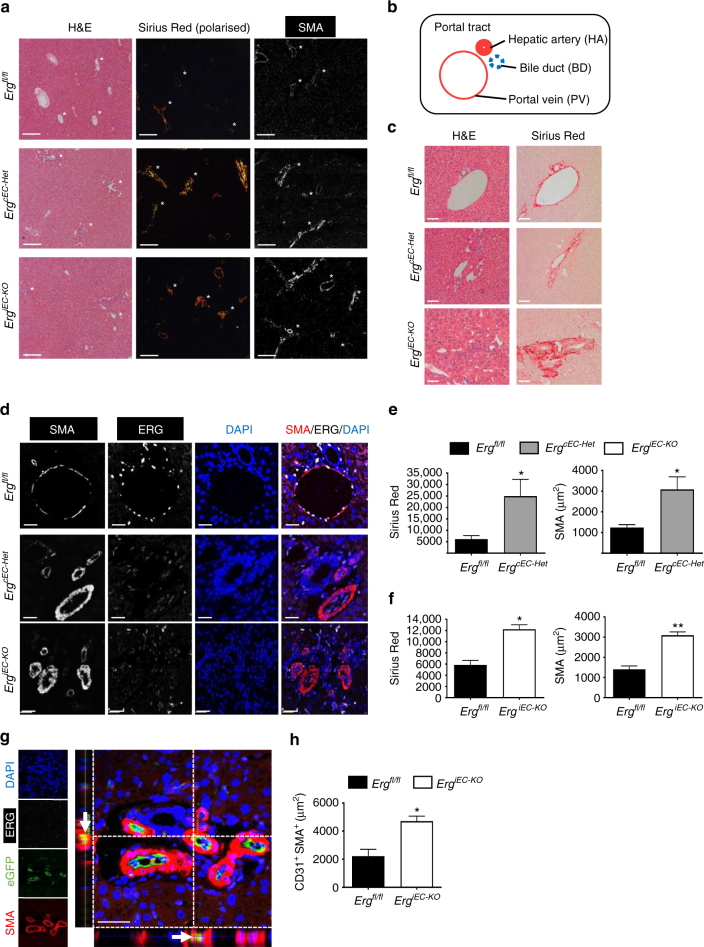
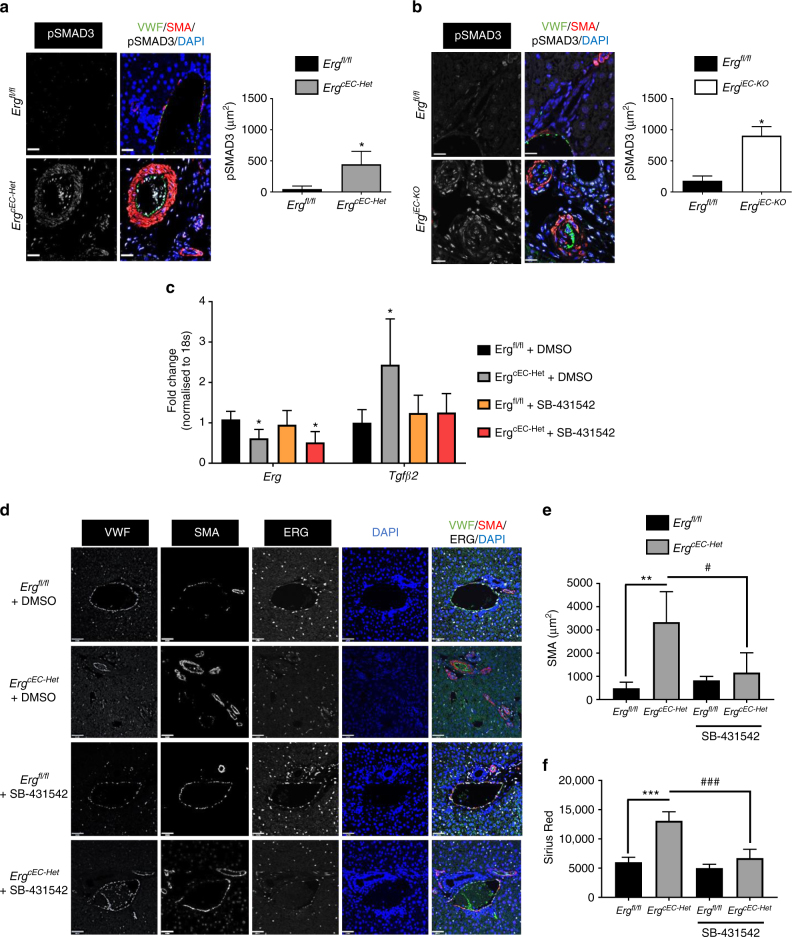
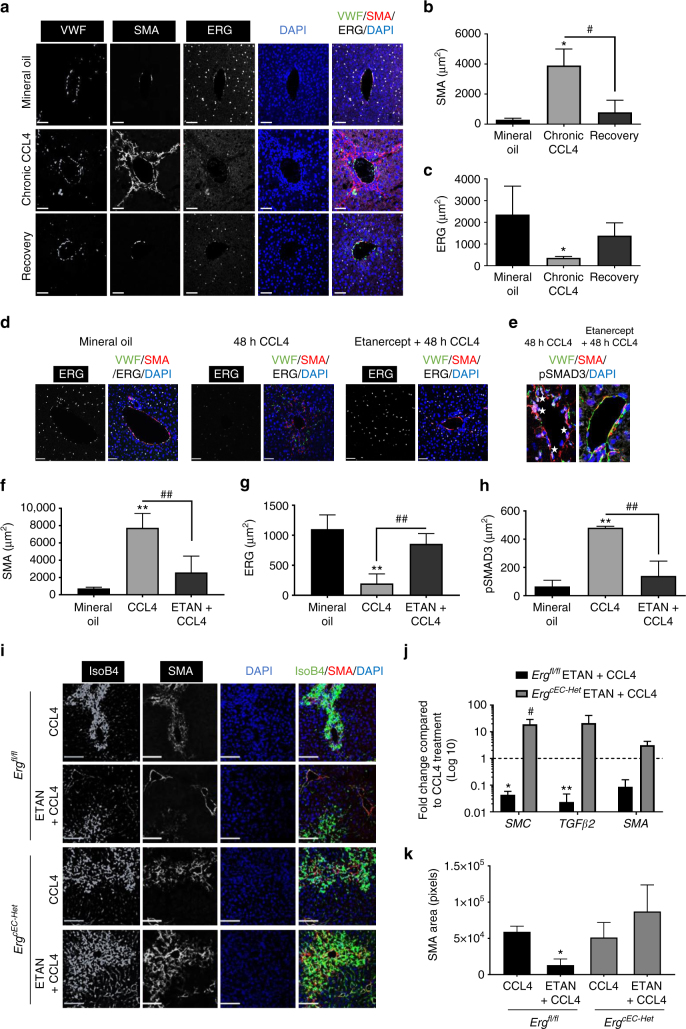
The role of the endothelium in protecting from chronic liver disease and TGFβ-mediated fibrosis remains unclear. Here we describe how the endothelial transcription factor ETS-related gene (ERG) promotes liver homoeostasis by controlling canonical TGFβ-SMAD signalling, driving the SMAD1 pathway while repressing SMAD3 activity. Molecular analysis shows that ERG binds to SMAD3, restricting its access to DNA. Ablation of ERG expression results in endothelial-to-mesenchymal transition (EndMT) and spontaneous liver fibrogenesis in EC-specific constitutive hemi-deficient (Erg ) and inducible homozygous deficient mice (Erg ), in a SMAD3-dependent manner. Acute administration of the TNF-α inhibitor etanercept inhibits carbon tetrachloride (CCL)-induced fibrogenesis in an ERG-dependent manner in mice. Decreased ERG expression also correlates with EndMT in tissues from patients with end-stage liver fibrosis. These studies identify a pathogenic mechanism where loss of ERG causes endothelial-dependent liver fibrogenesis via regulation of SMAD2/3. Moreover, ERG represents a promising candidate biomarker for assessing EndMT in liver disease.The transcription factor ERG is key to endothelial lineage specification and vascular homeostasis. Here the authors show that ERG balances TGFβ signalling through the SMAD1 and SMAD3 pathways, protecting the endothelium from endothelial-to-mesenchymal transition and consequent liver fibrosis in mice via a SMAD3-dependent mechanism.
内皮细胞在预防慢性肝病和转化生长因子β(TGFβ)介导的肝纤维化中的作用仍不清楚。在此,我们描述了内皮转录因子ETS相关基因(ERG)如何通过控制经典的TGFβ - SMAD信号通路来促进肝脏稳态,激活SMAD1通路同时抑制SMAD3活性。分子分析表明,ERG与SMAD3结合,限制其与DNA的结合。在EC特异性组成型半缺陷(Erg )和诱导型纯合缺陷小鼠(Erg )中,ERG表达缺失以SMAD3依赖的方式导致内皮 - 间充质转化(EndMT)和自发性肝纤维化。急性给予TNF-α抑制剂依那西普以ERG依赖的方式抑制小鼠四氯化碳(CCL)诱导的纤维化。ERG表达降低也与终末期肝纤维化患者组织中的EndMT相关。这些研究确定了一种致病机制,即ERG缺失通过调节SMAD2/3导致内皮依赖性肝纤维化。此外,ERG是评估肝病中EndMT的一个有前景的候选生物标志物。转录因子ERG是内皮细胞谱系特化和血管稳态的关键。本文作者表明,ERG通过SMAD1和SMAD3通路平衡TGFβ信号,通过SMAD3依赖机制保护内皮细胞免于内皮 - 间充质转化及随之而来的小鼠肝纤维化。