Zhang Yi, Chao Feng-Lei, Zhou Chun-Ni, Jiang Lin, Zhang Lei, Chen Lin-Mu, Luo Yan-Min, Xiao Qian, Tang Yong
Department of Laboratory Medicine, Key Laboratory of Diagnostic Medicine, Ministry of Education, Chongqing Medical University, Chongqing 400016, PR China.
Department of Histology and Embryology, Chongqing Medical University, Chongqing 400016, PR China.
Oncotarget. 2017 Jul 22;8(39):65860-65875. doi: 10.18632/oncotarget.19505. eCollection 2017 Sep 12.
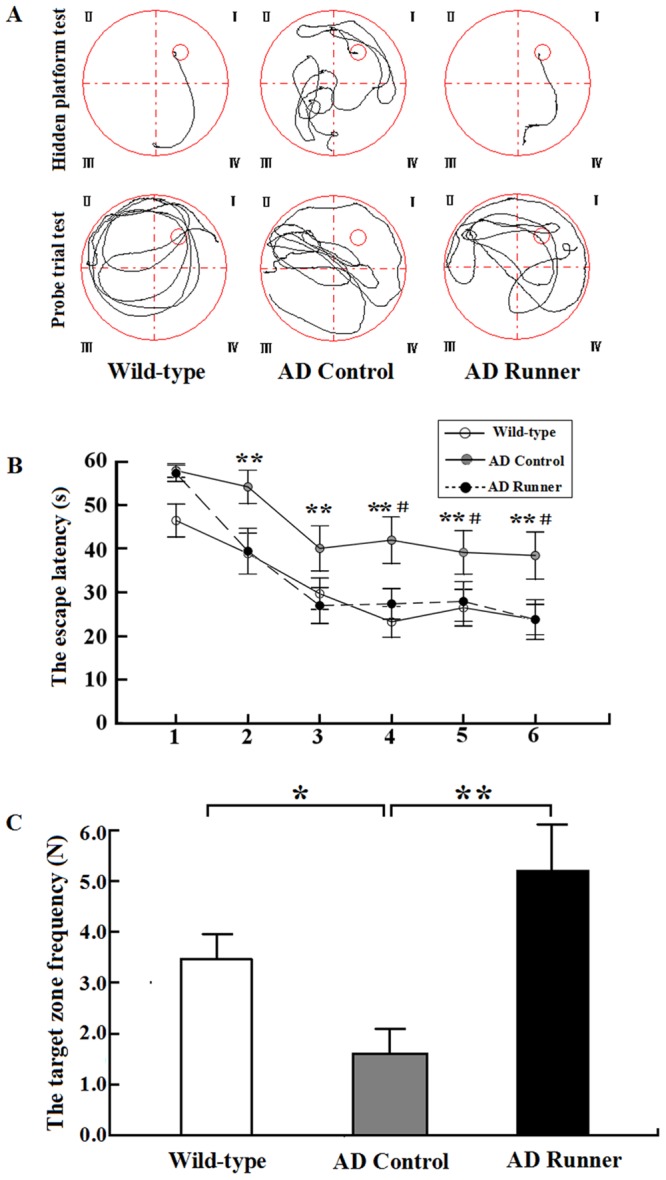
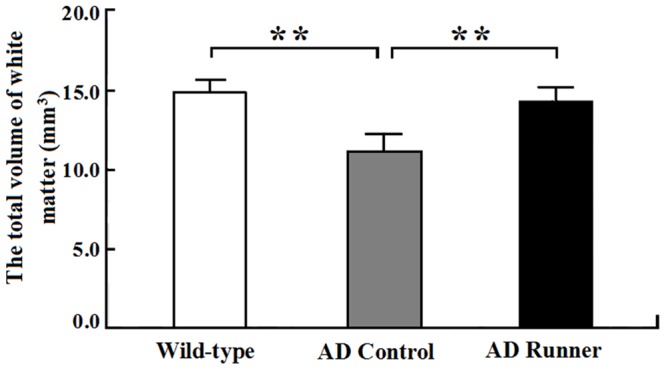
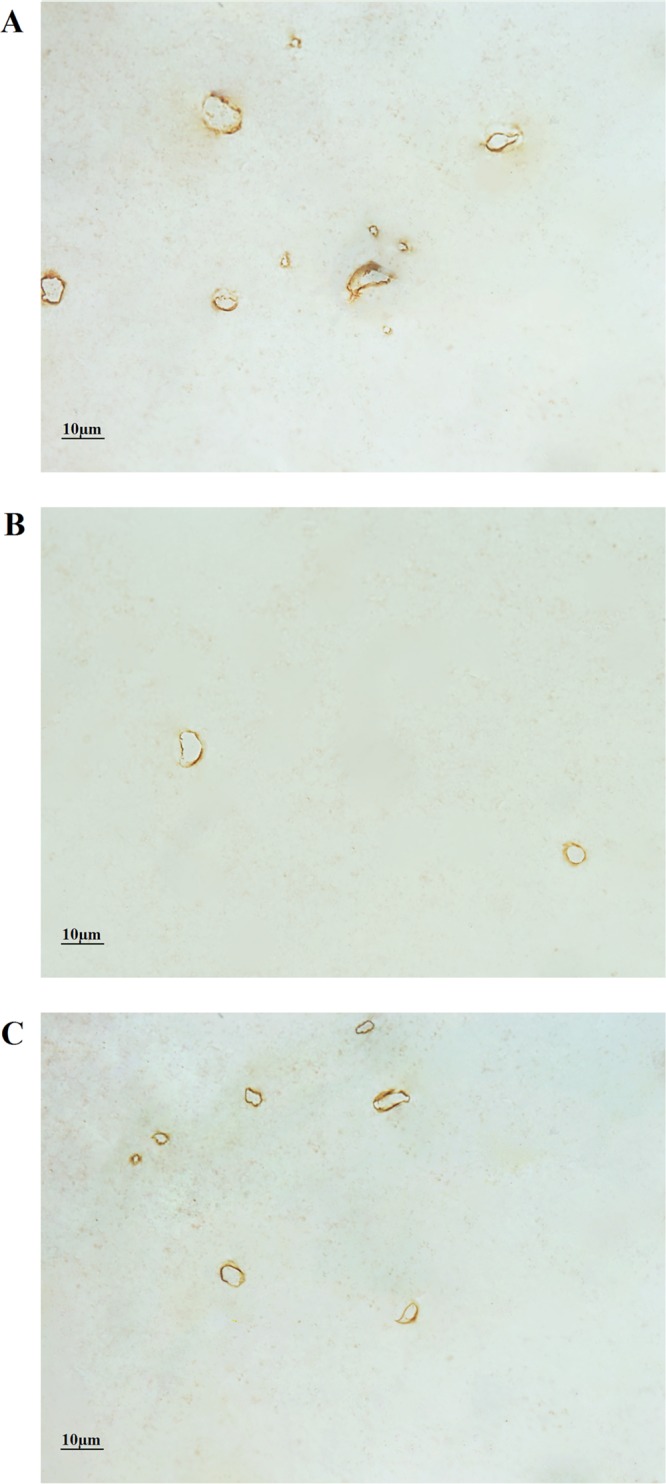
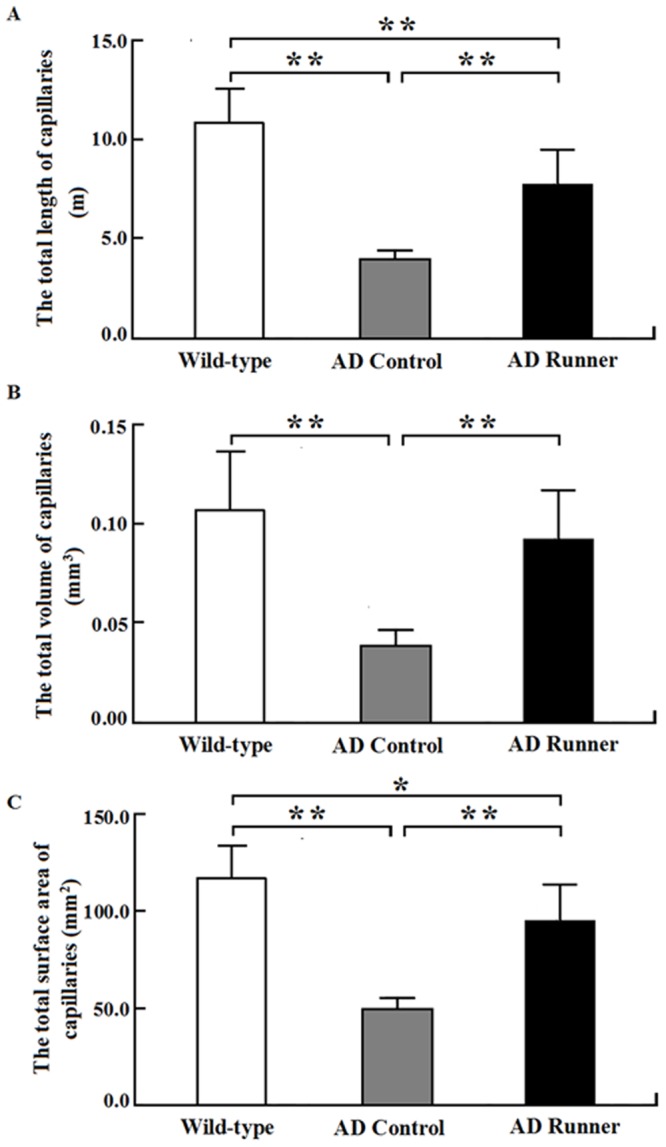
Previous studies have shown that exercise can prevent white matter atrophy in APP/PS1 transgenic Alzheimer's disease (AD) mice. However, the mechanism of this protective effect remains unknown. To further understand this issue, we investigated the effects of exercise on the blood supply of white matter in transgenic AD mice. Six-month-old male APP/PS1 mice were randomly divided into a control group and a running group, and age-matched non-transgenic littermates were used as a wild-type control group. Mice in the running group ran on a treadmill at low intensity for four months. Then, spatial learning and memory abilities, white matter and white matter capillaries were examined in all mice. The 10-month-old AD mice exhibited deficits in cognitive function, and 4 months of exercise improved these deficits. The white matter volume and the total length, total volume and total surface area of the white matter capillaries were decreased in the 10-month-old AD mice, and 4 months of exercise dramatically delayed the changes in these parameters in the AD mice. Our results demonstrate that even low-intensity running exercise can improve spatial learning and memory abilities, delay white matter atrophy and protect white matter capillaries in early-stage AD mice. Protecting capillaries might be an important structural basis for the exercise-induced protection of the structural integrity of white matter in AD.
先前的研究表明,运动可以预防APP/PS1转基因阿尔茨海默病(AD)小鼠的白质萎缩。然而,这种保护作用的机制尚不清楚。为了进一步了解这个问题,我们研究了运动对转基因AD小鼠白质血液供应的影响。将6个月大的雄性APP/PS1小鼠随机分为对照组和跑步组,并将年龄匹配的非转基因同窝小鼠作为野生型对照组。跑步组的小鼠在跑步机上进行低强度跑步4个月。然后,对所有小鼠的空间学习和记忆能力、白质和白质毛细血管进行检测。10个月大的AD小鼠表现出认知功能缺陷,4个月的运动改善了这些缺陷。10个月大的AD小鼠白质体积以及白质毛细血管的总长度、总体积和总表面积均减少,4个月的运动显著延缓了AD小鼠这些参数的变化。我们的结果表明,即使是低强度跑步运动也可以改善早期AD小鼠的空间学习和记忆能力,延缓白质萎缩并保护白质毛细血管。保护毛细血管可能是运动诱导保护AD小鼠白质结构完整性的重要结构基础。