Enuka Yehoshua, Feldman Morris E, Chowdhury Animesh, Srivastava Swati, Lindzen Moshit, Sas-Chen Aldema, Massart Renaud, Cheishvili David, Suderman Matthew J, Zaltsman Yoav, Mazza Chiara A, Shukla Kirti, Körner Cindy, Furth Noa, Lauriola Mattia, Oren Moshe, Wiemann Stefan, Szyf Moshe, Yarden Yosef
Department of Biological Regulation, Weizmann Institute of Science, Rehovot 76100, Israel.
Department of Pharmacology and Therapeutics, McGill University, Montreal, Quebec, Canada.
Nucleic Acids Res. 2017 Dec 15;45(22):12681-12699. doi: 10.1093/nar/gkx865.
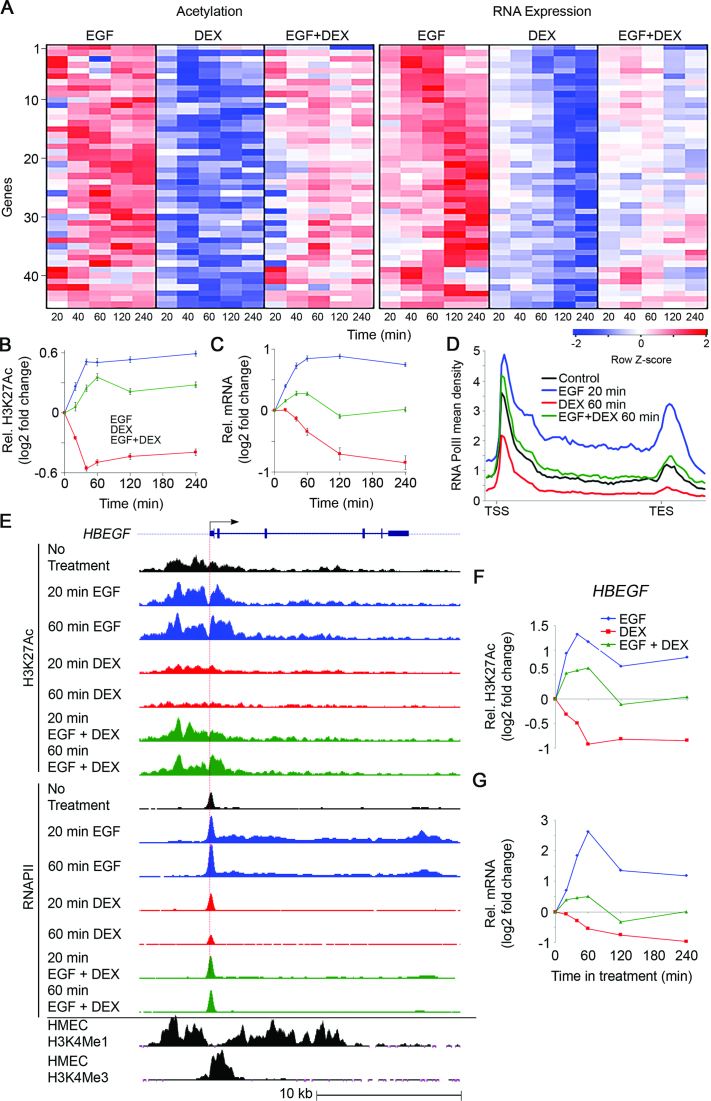
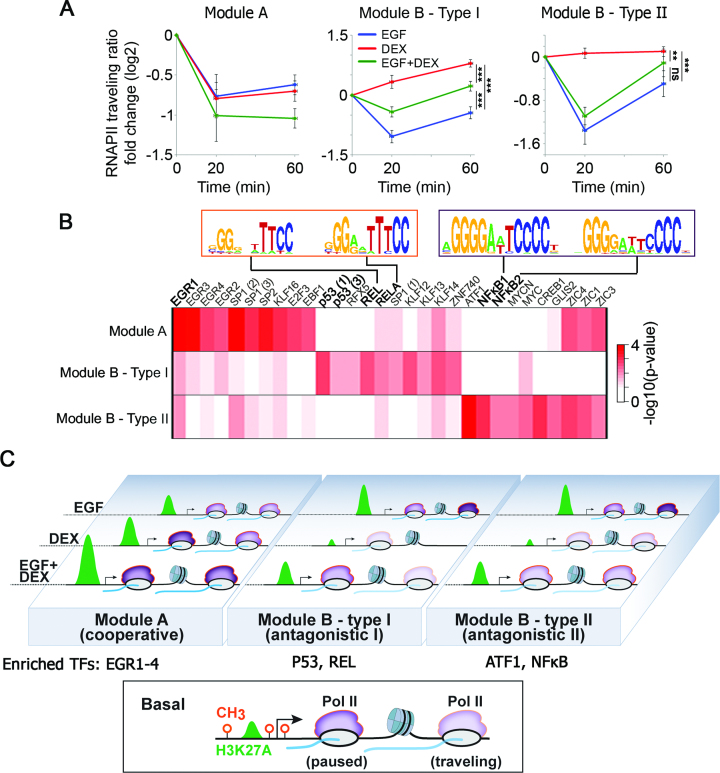
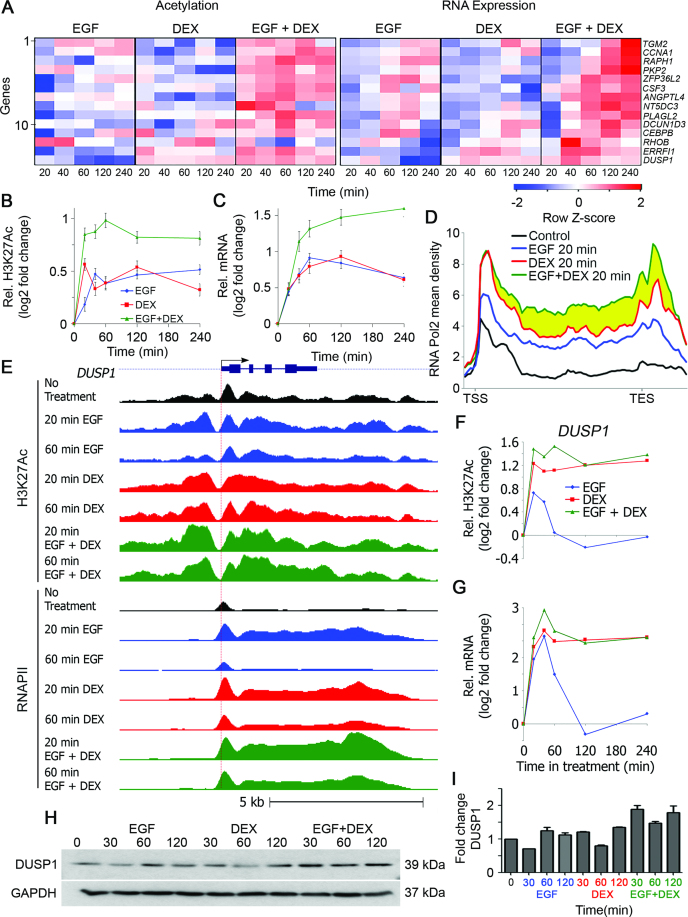
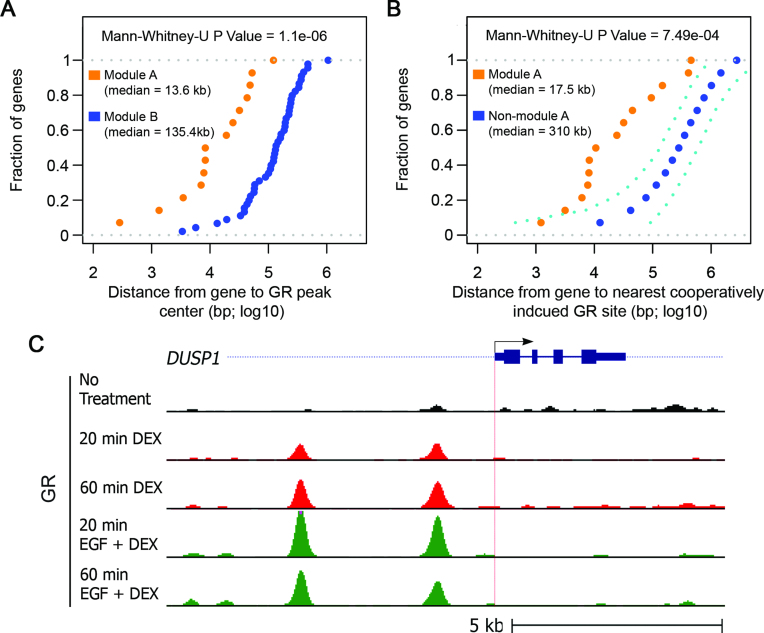
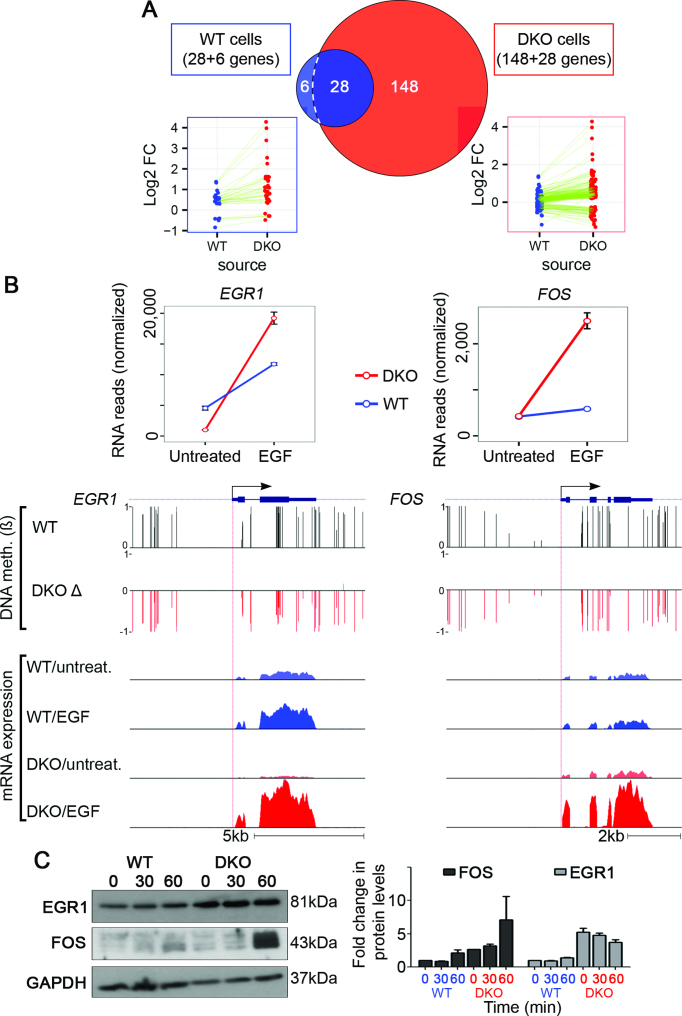
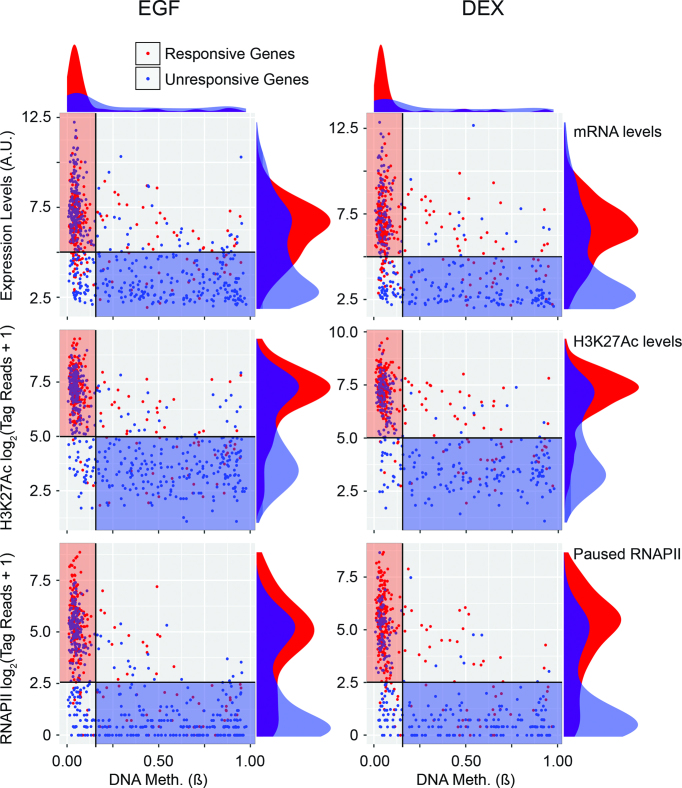
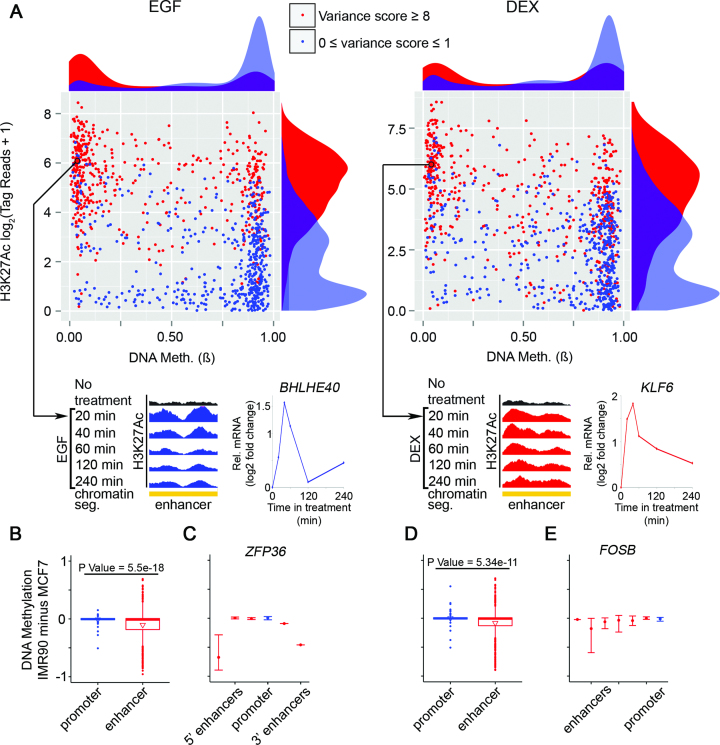
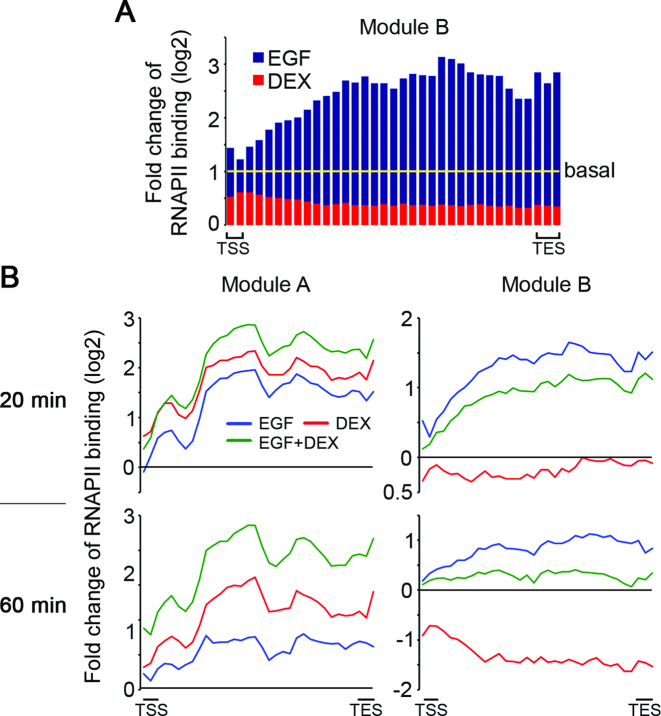
Crosstalk between growth factors (GFs) and steroid hormones recurs in embryogenesis and is co-opted in pathology, but underlying mechanisms remain elusive. Our data from mammary cells imply that the crosstalk between the epidermal GF and glucocorticoids (GCs) involves transcription factors like p53 and NF-κB, along with reduced pausing and traveling of RNA polymerase II (RNAPII) at both promoters and bodies of GF-inducible genes. Essentially, GCs inhibit positive feedback loops activated by GFs and stimulate the reciprocal inhibitory loops. As expected, no alterations in DNA methylation accompany the transcriptional events instigated by either stimulus, but forced demethylation of regulatory regions broadened the repertoire of GF-inducible genes. We report that enhancers, like some promoters, are poised for activation by GFs and GCs. In addition, within the cooperative interface of the crosstalk, GFs enhance binding of the GC receptor to DNA and, in synergy with GCs, promote productive RNAPII elongation. Reciprocally, within the antagonistic interface GFs hyper-acetylate chromatin at unmethylated promoters and enhancers of genes involved in motility, but GCs hypoacetylate the corresponding regions. In conclusion, unmethylated genomic regions that encode feedback regulatory modules and differentially recruit RNAPII and acetylases/deacetylases underlie the crosstalk between GFs and a steroid hormone.
生长因子(GFs)与类固醇激素之间的相互作用在胚胎发育过程中反复出现,并在病理学中被利用,但潜在机制仍不清楚。我们从乳腺细胞获得的数据表明,表皮生长因子与糖皮质激素(GCs)之间的相互作用涉及p53和NF-κB等转录因子,同时RNA聚合酶II(RNAPII)在生长因子诱导基因的启动子和基因体处的暂停和移动减少。本质上,糖皮质激素抑制生长因子激活的正反馈回路,并刺激相互抑制回路。不出所料,两种刺激引发的转录事件都没有伴随DNA甲基化的改变,但调节区域的强制去甲基化扩大了生长因子诱导基因的范围。我们报告说,增强子与一些启动子一样,准备好被生长因子和糖皮质激素激活。此外,在相互作用的协同界面内,生长因子增强糖皮质激素受体与DNA的结合,并与糖皮质激素协同促进有成效的RNAPII延伸。相反,在拮抗界面内,生长因子使参与运动的基因的未甲基化启动子和增强子处的染色质高度乙酰化,但糖皮质激素使相应区域的染色质低乙酰化。总之,编码反馈调节模块并在生长因子和类固醇激素之间的相互作用中差异招募RNAPII和乙酰化酶/去乙酰化酶的未甲基化基因组区域是其基础。