Ramadan Abdulraouf, Griesenauer Brad, Adom Djamilatou, Kapur Reuben, Hanenberg Helmut, Liu Chen, Kaplan Mark H, Paczesny Sophie
Indiana University School of Medicine, Indianapolis, IN.
Rutgers Robert Wood Johnson Medical School, New Brunswick, NJ.
J Exp Med. 2017 Dec 4;214(12):3577-3596. doi: 10.1084/jem.20170041. Epub 2017 Oct 16.
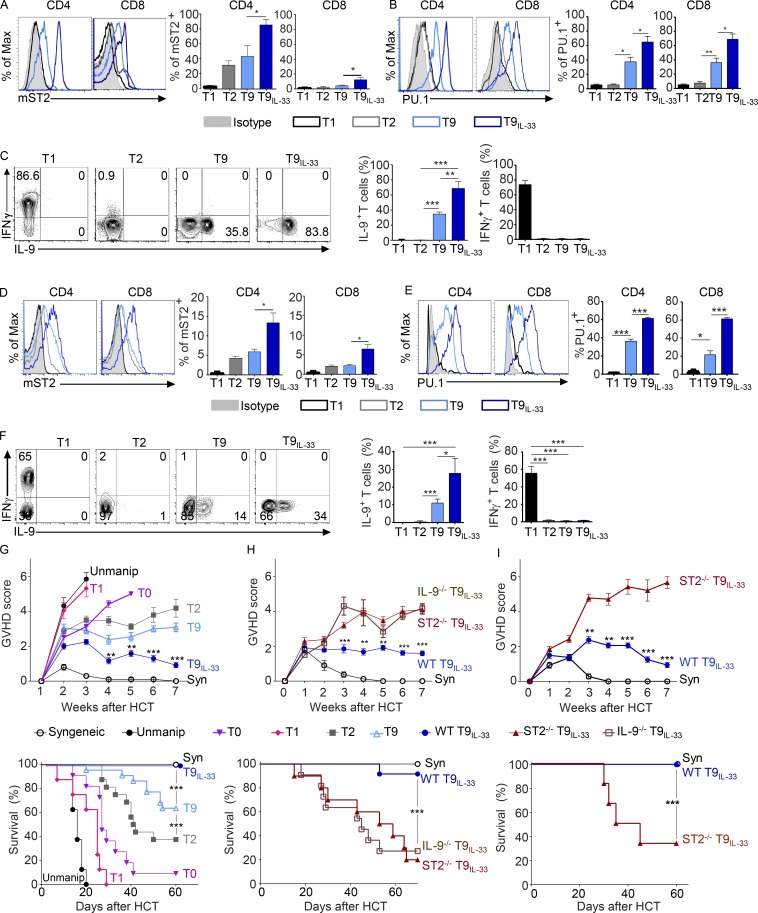
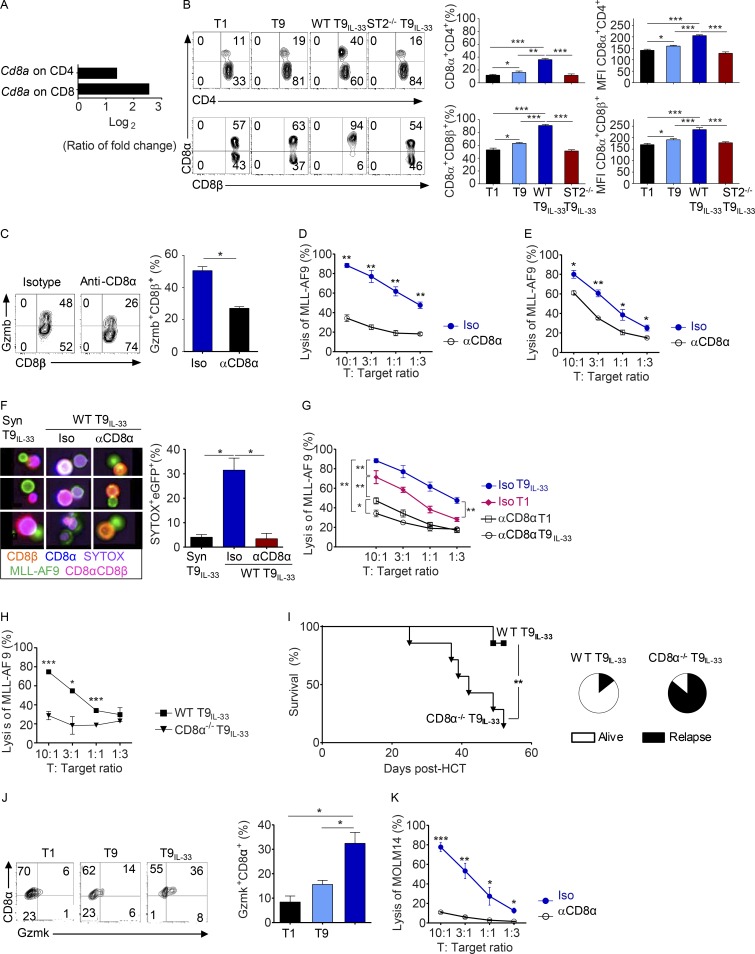
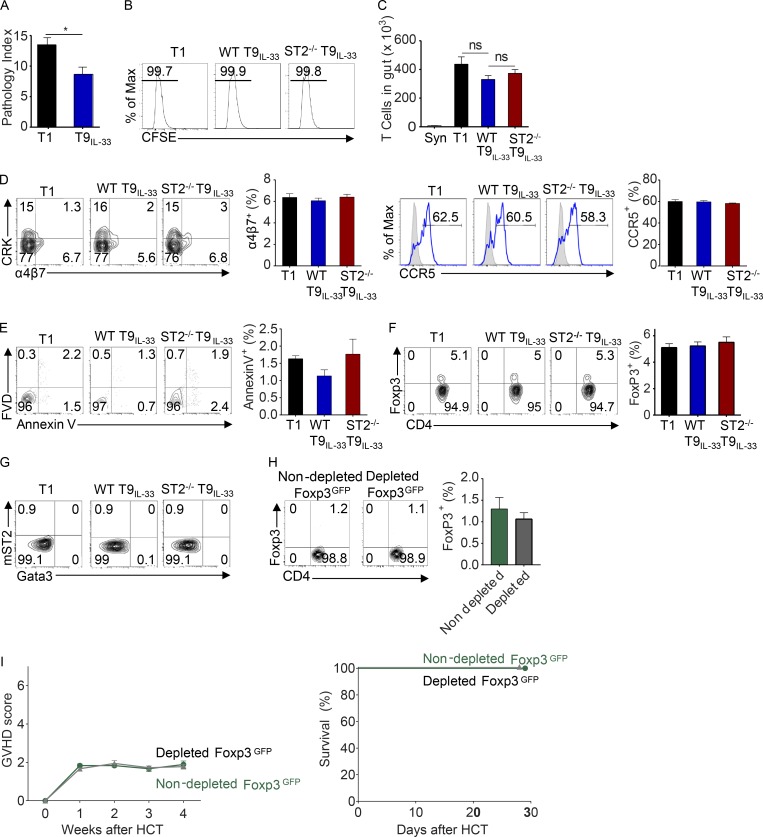
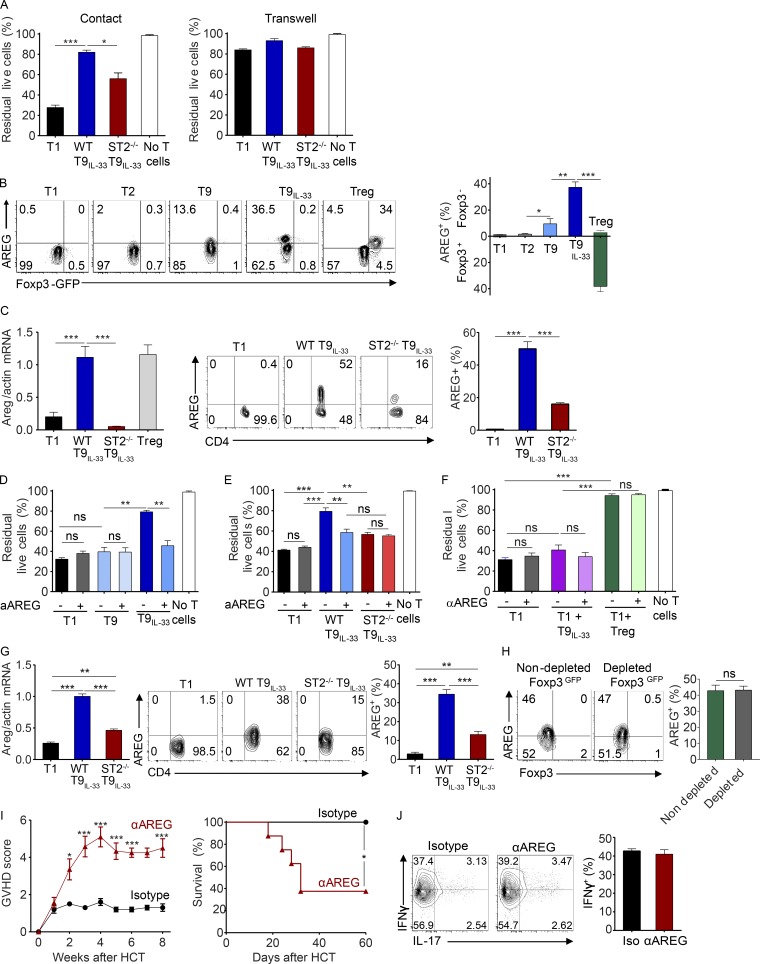
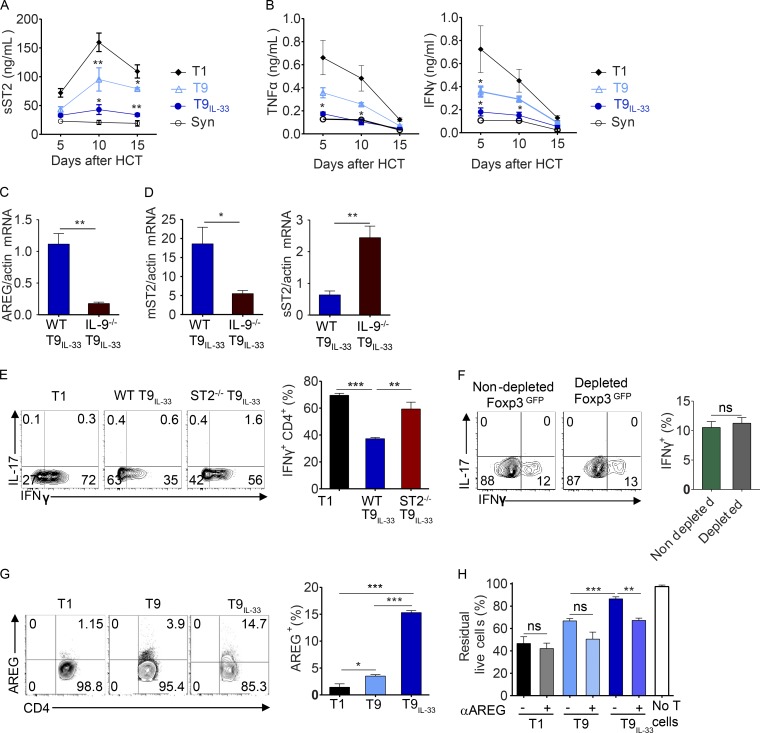
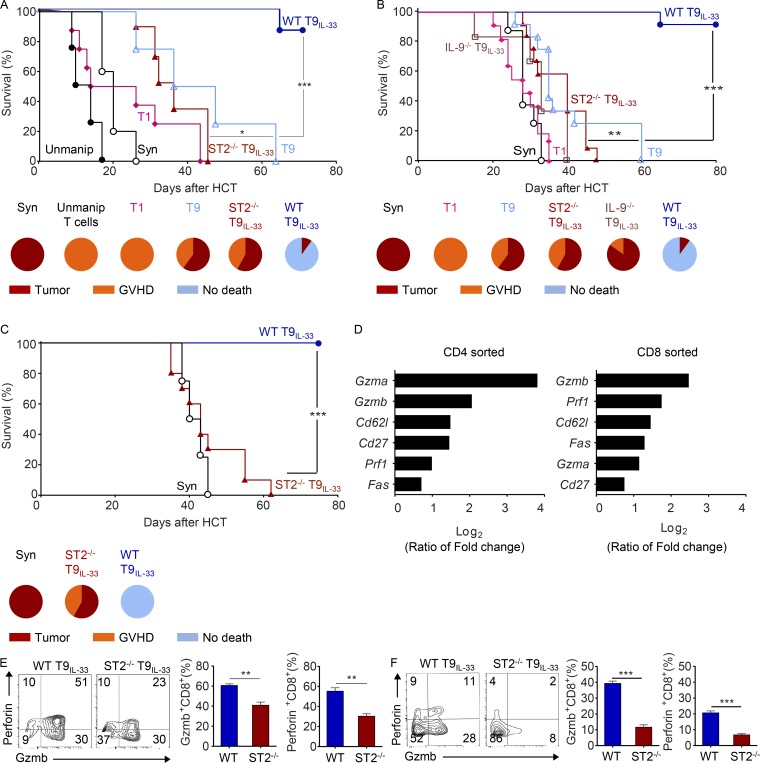
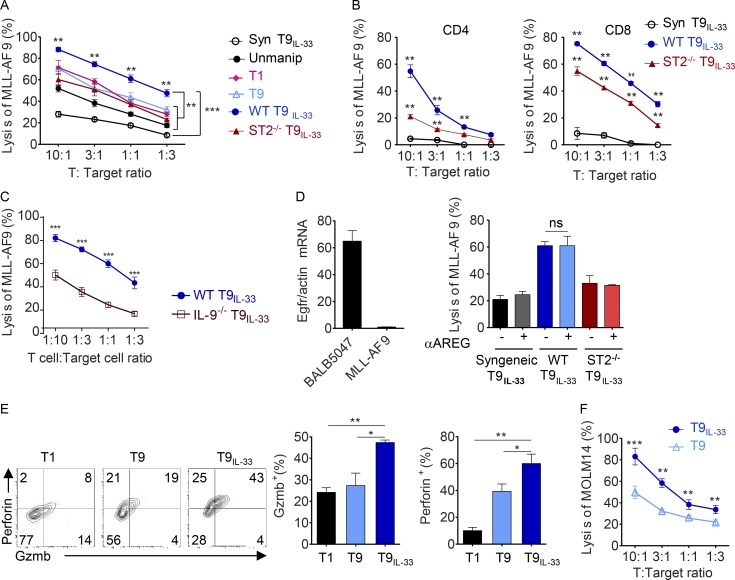
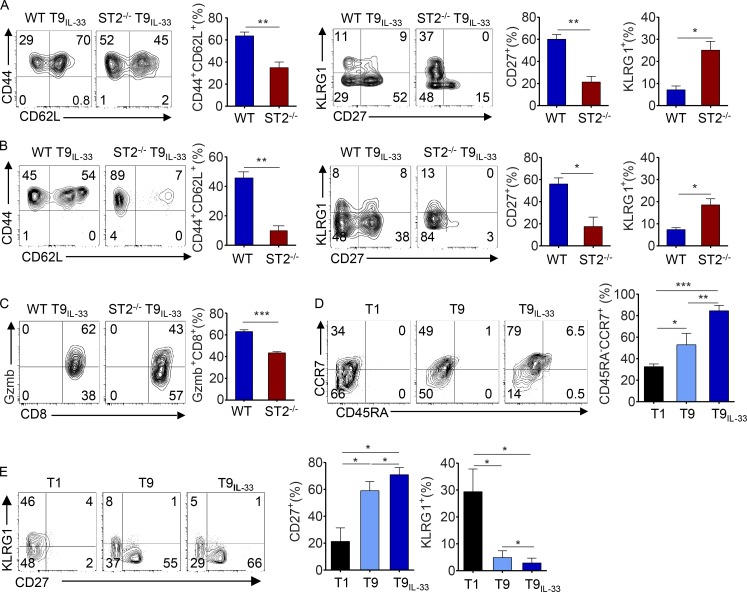
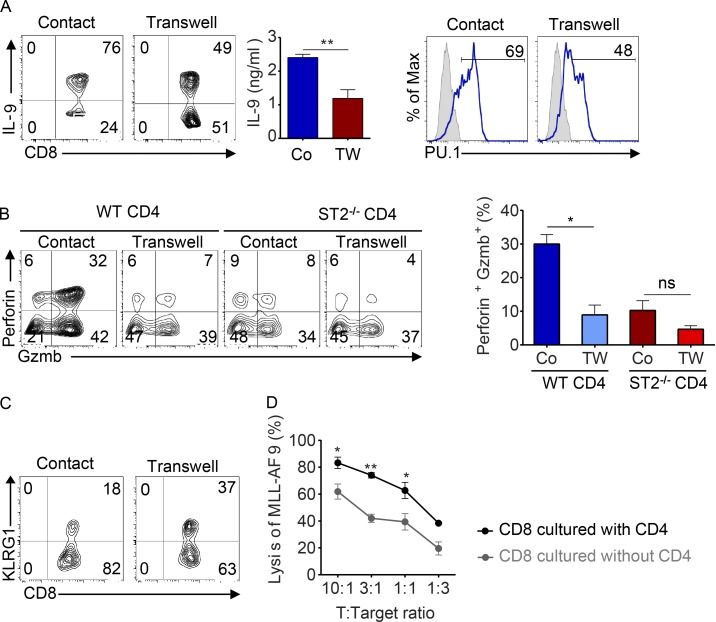
Allogeneic immune cells, particularly T cells in donor grafts, recognize and eliminate leukemic cells via graft-versus-leukemia (GVL) reactivity, and transfer of these cells is often used for high-risk hematological malignancies, including acute myeloid leukemia. Unfortunately, these cells also attack host normal tissues through the often fatal graft-versus-host disease (GVHD). Full separation of GVL activity from GVHD has yet to be achieved. Here, we show that, in mice and humans, a population of interleukin-9 (IL-9)-producing T cells activated via the ST2-IL-33 pathway (T9 cells) increases GVL while decreasing GVHD through two opposing mechanisms: protection from fatal immunity by amphiregulin expression and augmentation of antileukemic activity compared with T9, T1, and unmanipulated T cells through CD8α expression. Thus, adoptive transfer of allogeneic T9 cells offers an attractive approach for separating GVL activity from GVHD.
同种异体免疫细胞,特别是供体移植物中的T细胞,通过移植物抗白血病(GVL)反应识别并清除白血病细胞,这些细胞的移植常用于包括急性髓系白血病在内的高危血液系统恶性肿瘤。不幸的是,这些细胞也会通过通常致命的移植物抗宿主病(GVHD)攻击宿主正常组织。GVL活性与GVHD的完全分离尚未实现。在此,我们表明,在小鼠和人类中,通过ST2-IL-33途径激活的产生白细胞介素-9(IL-9)的T细胞群体(T9细胞)通过两种相反的机制增加GVL同时降低GVHD:通过双调蛋白表达保护免受致命免疫,以及与T9、T1和未处理的T细胞相比,通过CD8α表达增强抗白血病活性。因此,同种异体T9细胞的过继性转移为分离GVL活性与GVHD提供了一种有吸引力的方法。