Sun Yi, Deng Yingping, Xiao Mili, Hu Lan, Li Zhihua, Chen Chao
Department of Neonatology, Children's Hospital of Fudan University, Shanghai 201102, P.R. China.
Int J Mol Med. 2017 Dec;40(6):1657-1668. doi: 10.3892/ijmm.2017.3153. Epub 2017 Sep 27.
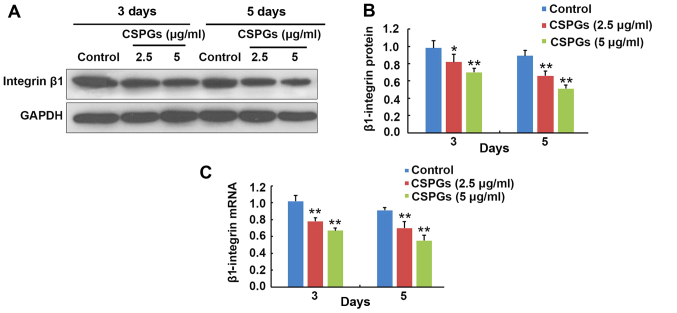
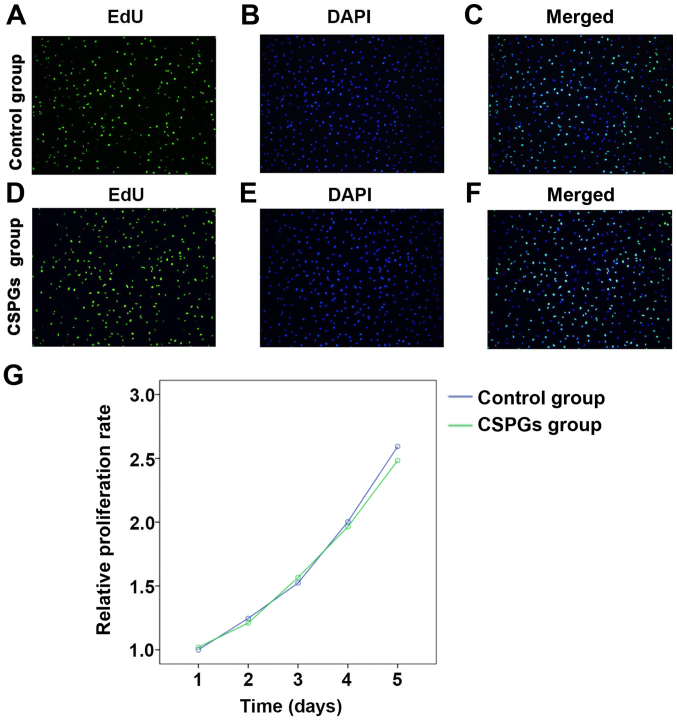
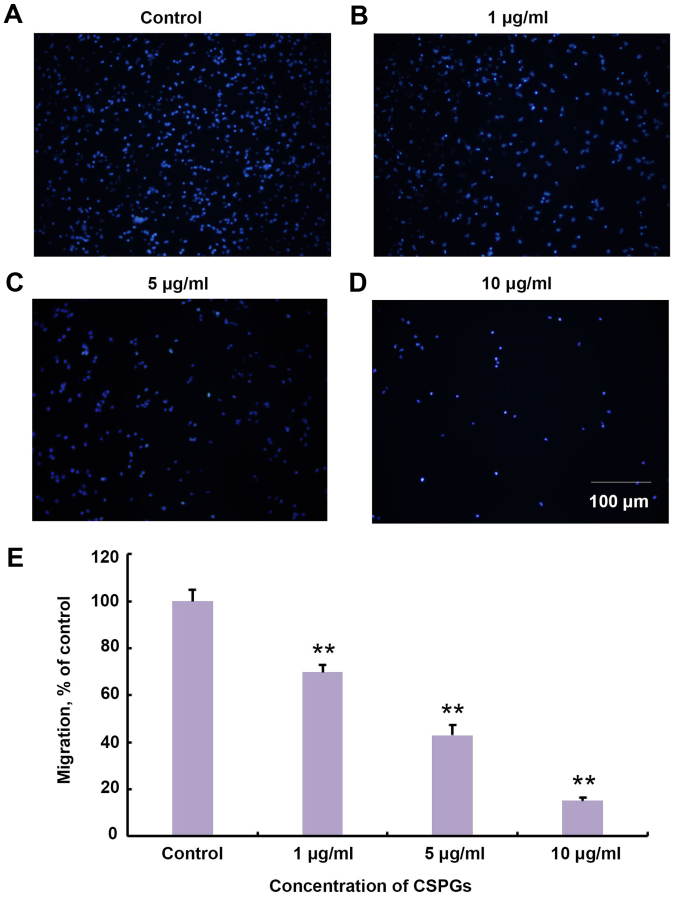
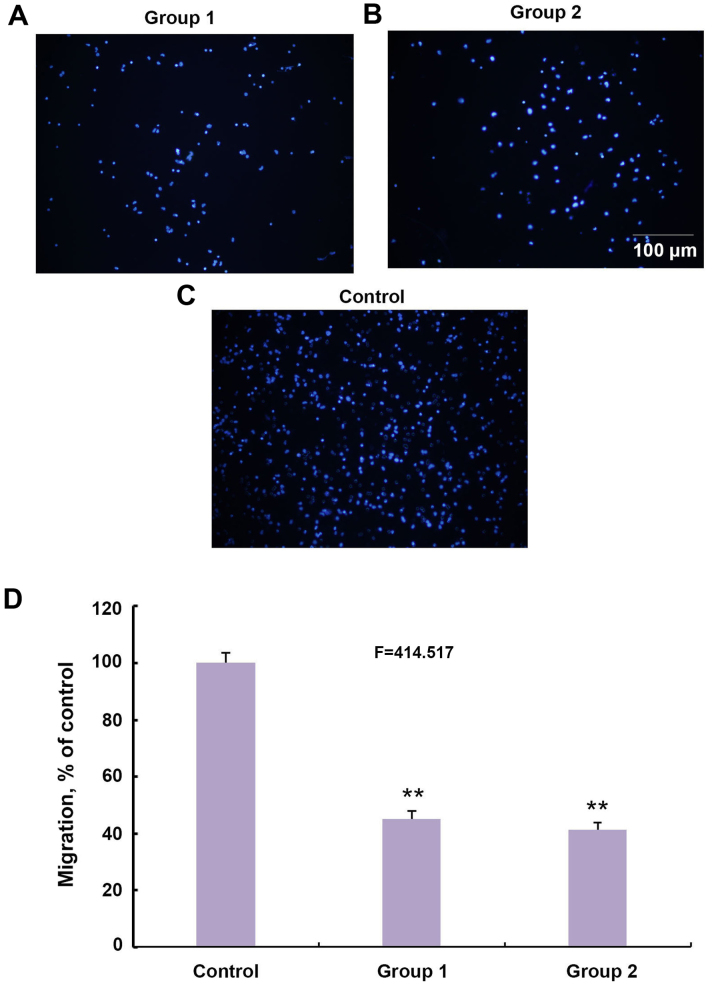
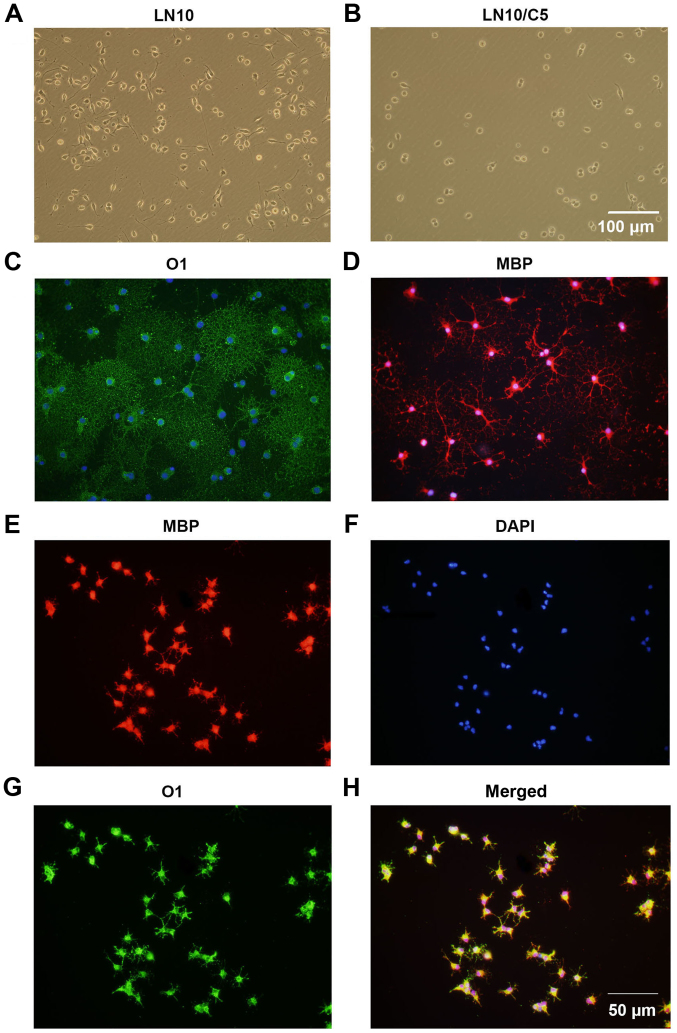
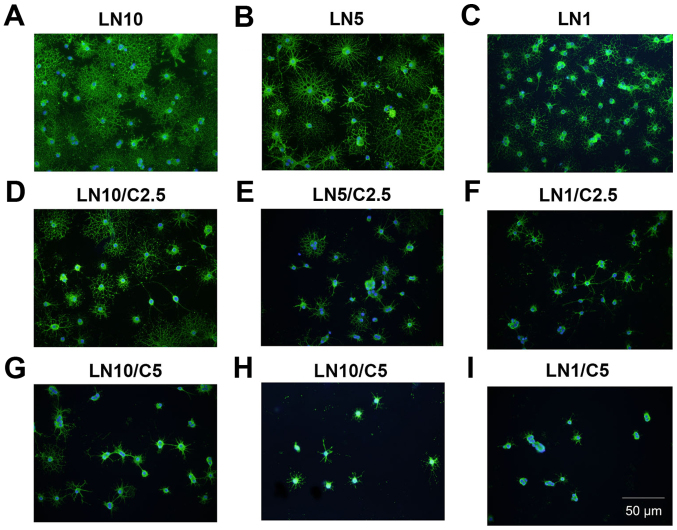
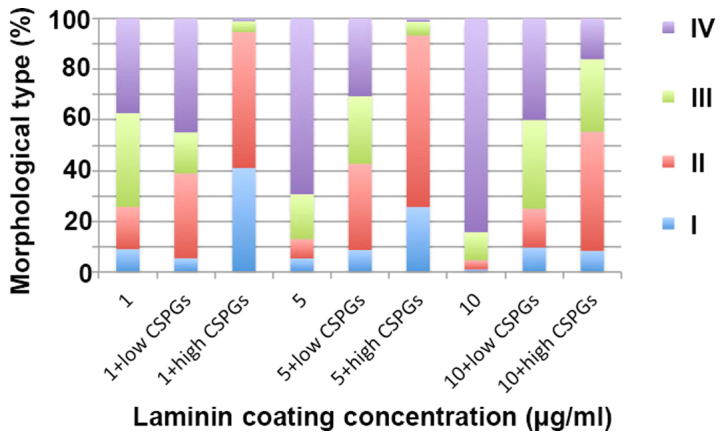
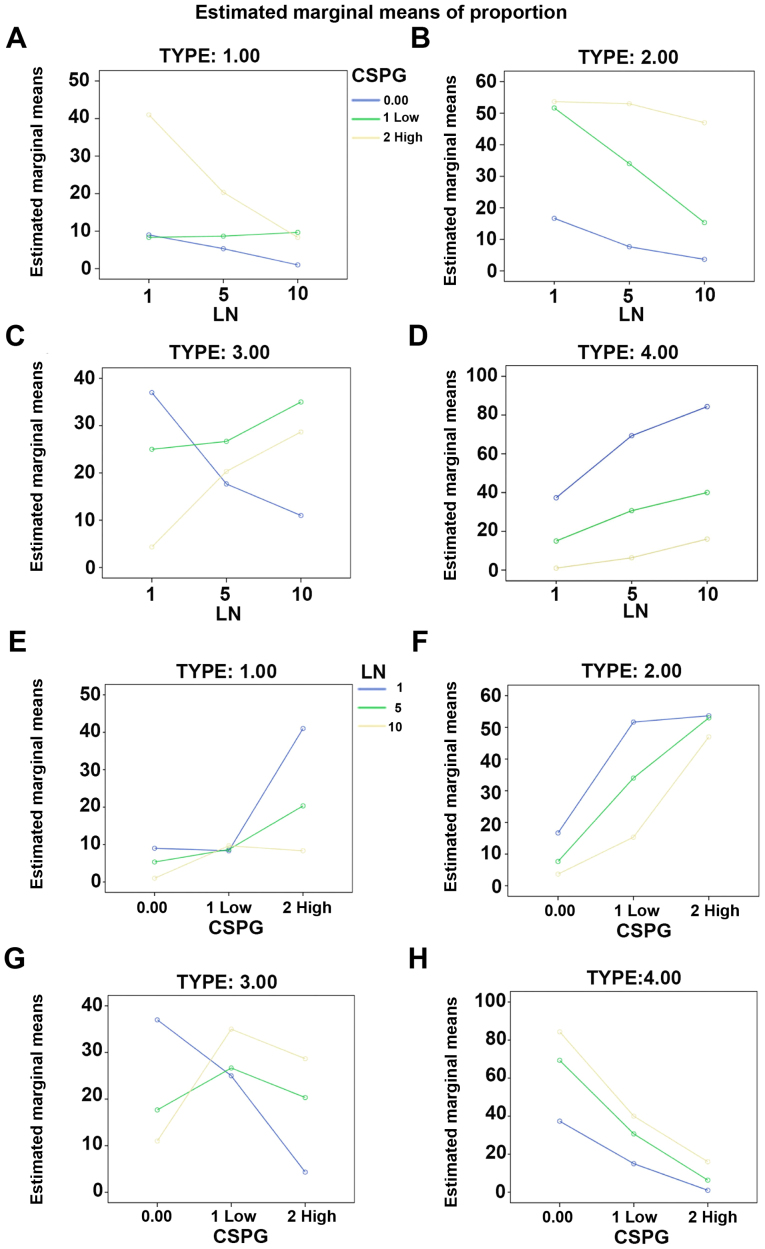
Cerebral white matter injury (WMI) is a recognized problem in premature infants, particularly in those with very low birth weights. Although the survival rate of premature infants has notably increased due to the advancement of modern medical treatments, their likelihood of developmental disability is higher than infants with an average birth weight. It has been previously reported that oligodendrocyte precursor cells (OPCs) are selectively vulnerable to WMI in premature infants. Following brain injury, glial scars may develop within the white matter. Their main constituent is chondroitin sulphate proteoglycans (CSPGs), revealing a potential association between CSPGs and OPCs. In the present study rat OPCs were cultured in vitro, and the effect of CSPGs on the proliferation, migration and differentiation of OPCs was determined. It was revealed that CSPGs did not affect proliferation, but they did inhibit the migration and differentiation of OPCs. It was also identified that the inhibitory effect of CSPGs was counteracted by laminin. Factor analysis revealed that CSPGs and laminin served interactive roles in OPC differentiation. The effect of CSPGs on OPCs was associated with the downregulation of β1-integrin, indicating that CSPGs potentially competitively inhibit the β1-integrin signaling pathway. Collectively, these results suggest that CSPGs serve a role as inhibitors of OPC differentiation and migration, as well as indicating an interaction between CSPGs and laminin. The present study has revealed a potential novel therapeutic target for WMI in premature infants, and identified β1-integrin signaling as a pathological mechanism for dysfunctional myelination in white matter.
脑白质损伤(WMI)是早产儿中一个公认的问题,尤其是在那些极低出生体重的婴儿中。尽管由于现代医学治疗的进步,早产儿的存活率显著提高,但他们发生发育障碍的可能性高于平均出生体重的婴儿。先前有报道称,少突胶质前体细胞(OPCs)在早产儿中对WMI具有选择性易损性。脑损伤后,白质内可能会形成胶质瘢痕。其主要成分是硫酸软骨素蛋白聚糖(CSPGs),揭示了CSPGs与OPCs之间的潜在关联。在本研究中,对大鼠OPCs进行体外培养,并确定CSPGs对OPCs增殖、迁移和分化的影响。结果显示,CSPGs不影响增殖,但确实抑制了OPCs的迁移和分化。还发现层粘连蛋白可抵消CSPGs的抑制作用。因子分析表明,CSPGs和层粘连蛋白在OPC分化中起相互作用。CSPGs对OPCs的影响与β1整合素的下调有关,表明CSPGs可能竞争性抑制β1整合素信号通路。总体而言,这些结果表明CSPGs作为OPC分化和迁移的抑制剂发挥作用,并表明CSPGs与层粘连蛋白之间存在相互作用。本研究揭示了早产儿WMI的一个潜在新治疗靶点,并确定β1整合素信号传导是白质髓鞘形成功能障碍的病理机制。