Sun Yizhe, Chen Yingyu, Zhang Jingyu, Cao Lulu, He Minwei, Liu Xi, Zhao Ning, Yin Ang, Huang He, Wang Lu
Peking University Center for Human Disease Genomics, Department of Immunology, Key Laboratory of Medical Immunology, Ministry of Health, School of Basic Medical Sciences, Peking University Health Science Center, Beijing 100191, China.
Department of Hematology, Peking University Third hospital, Beijing 100191, China.
Cell Death Dis. 2017 Aug 31;8(8):e3031. doi: 10.1038/cddis.2017.370.
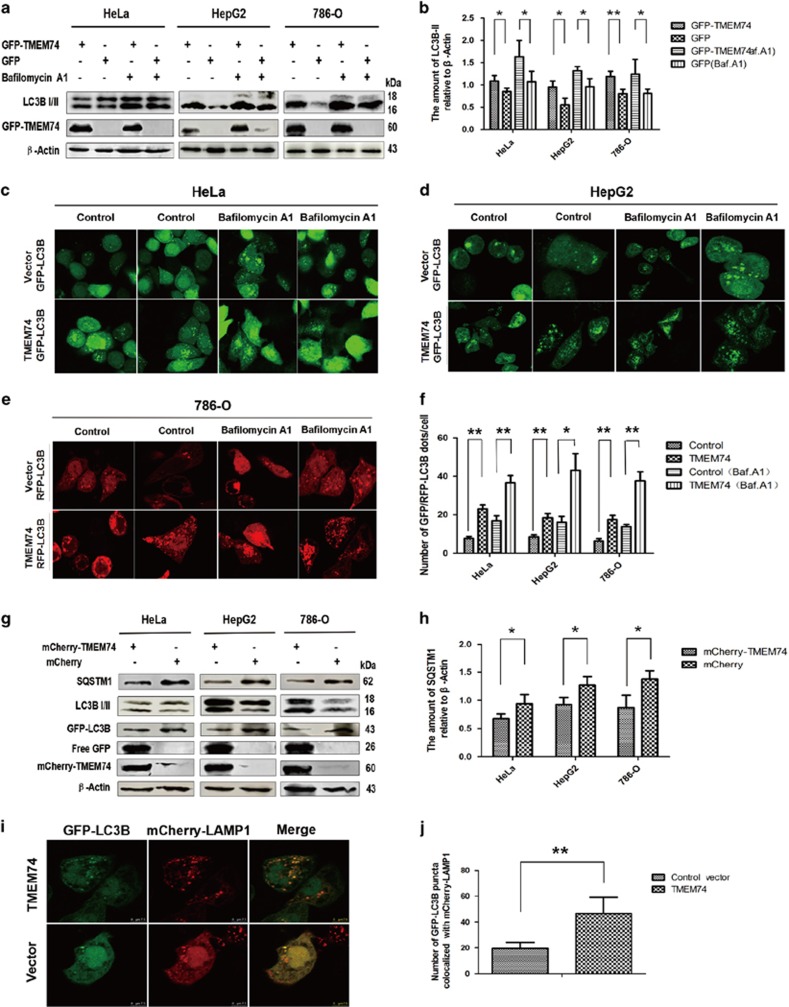
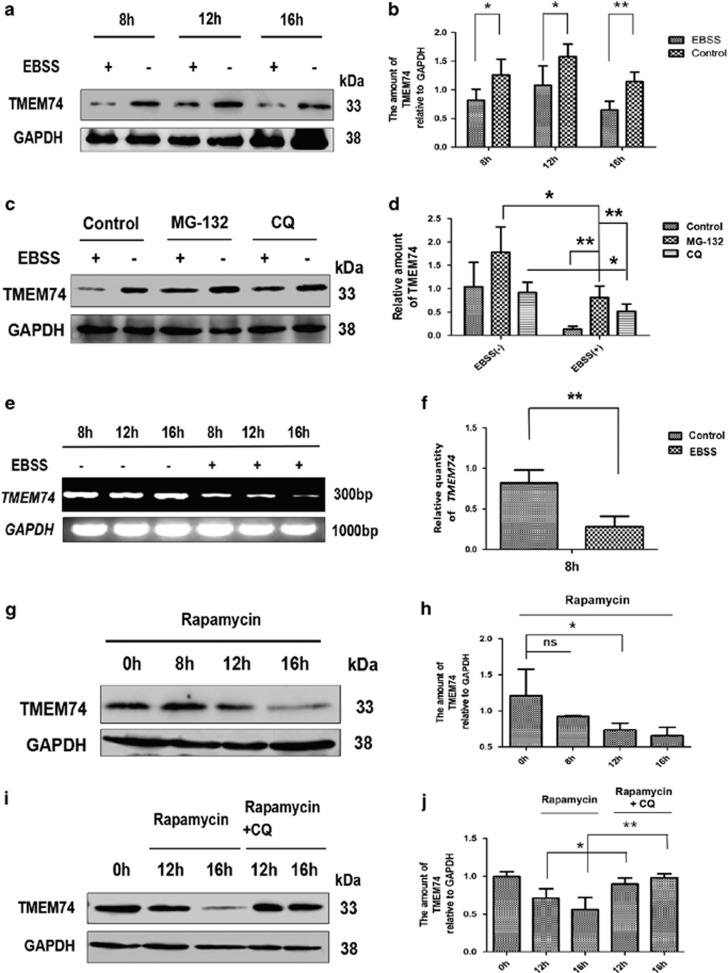
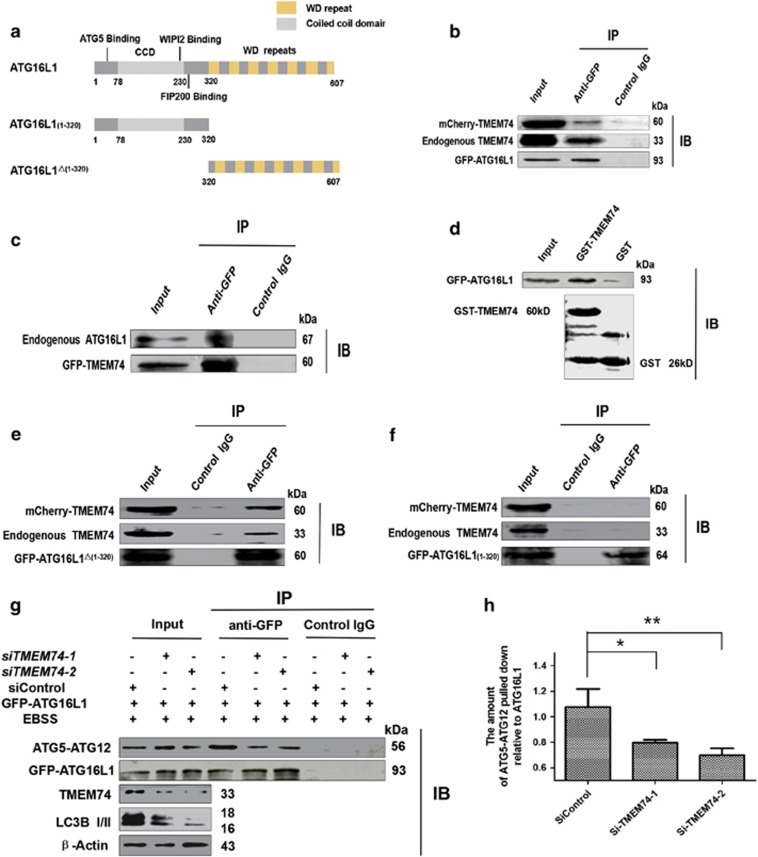
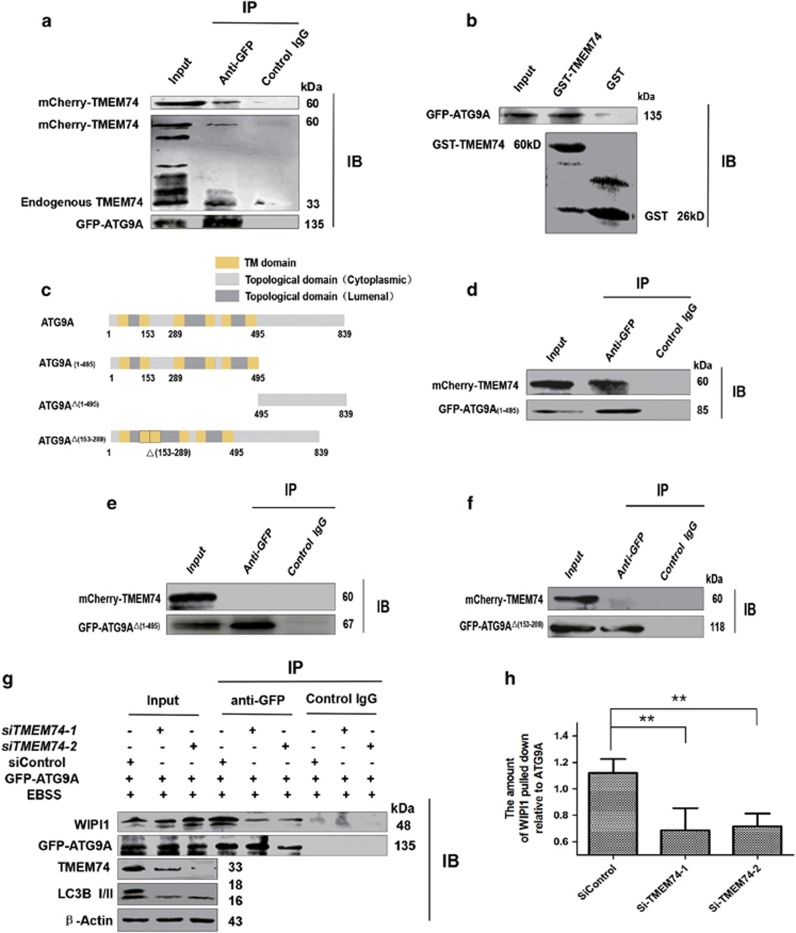
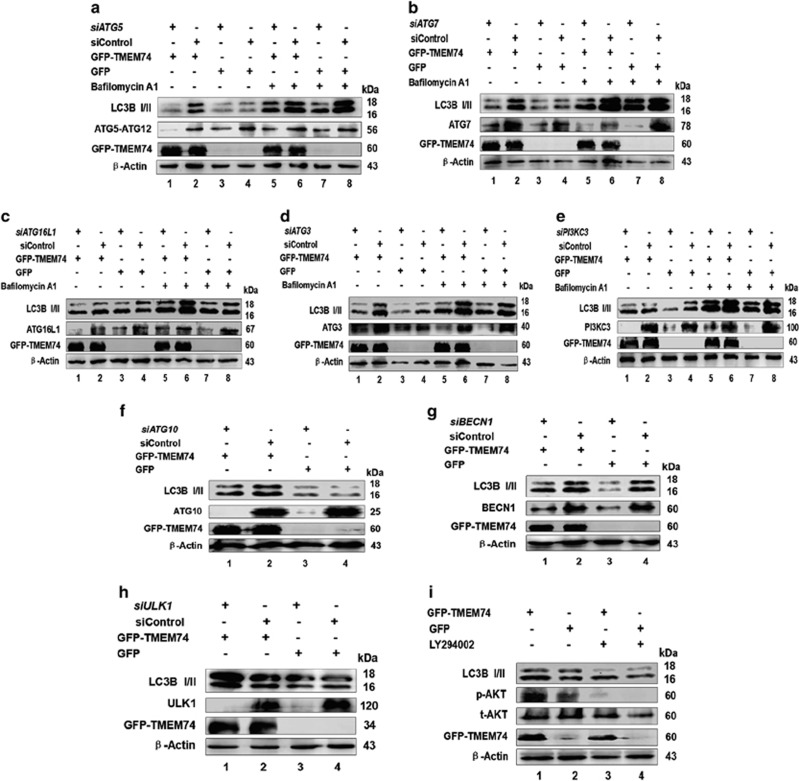
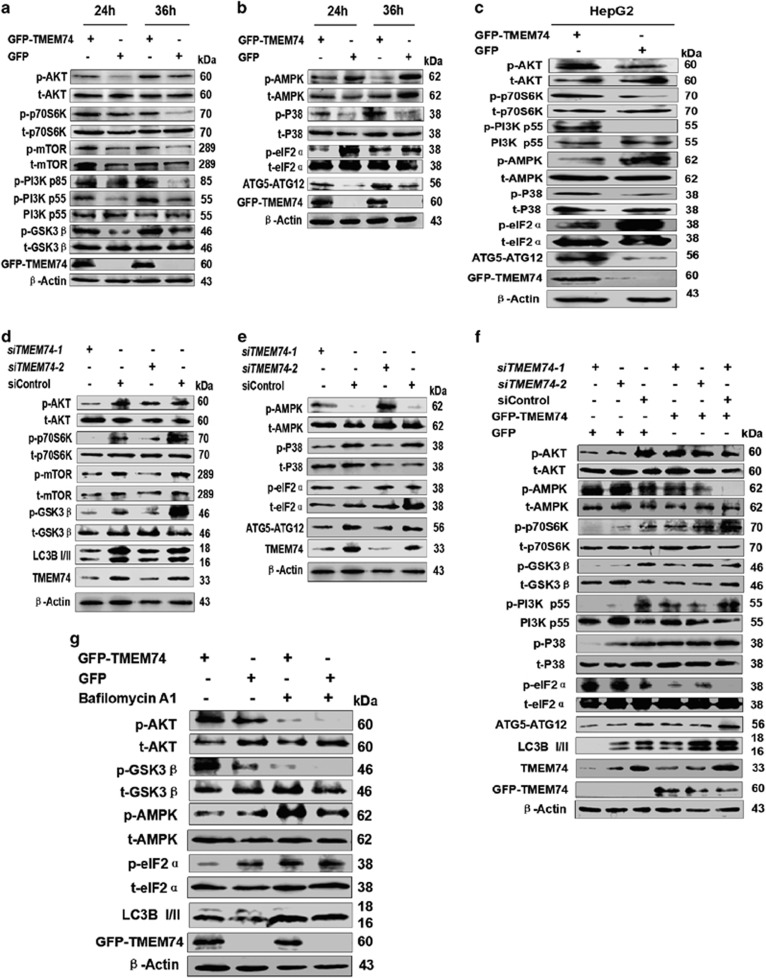
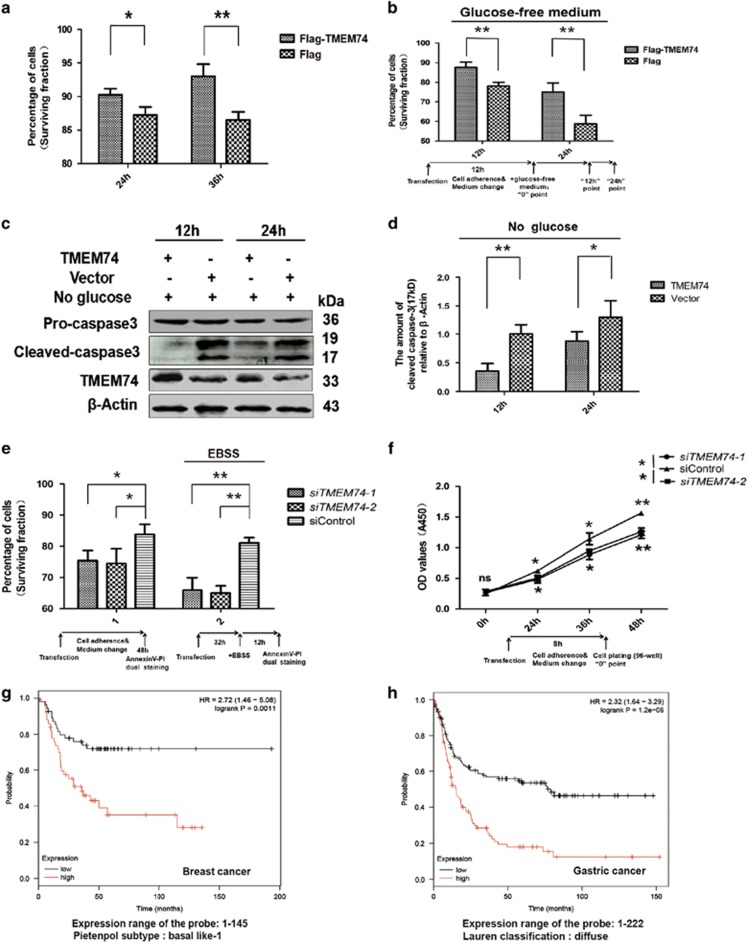
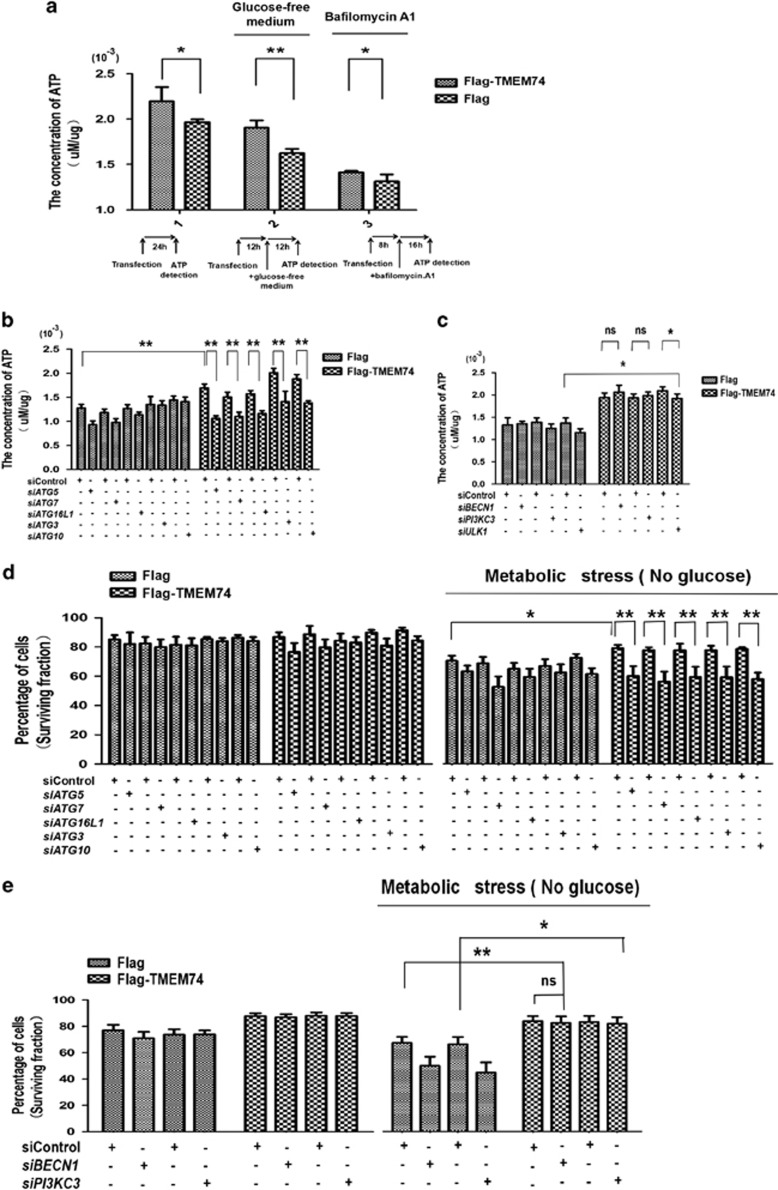
Autophagy is a highly inducible system of intracellular degradation that occurs in lysosomes or vacuoles. Transmembrane 74 (TMEM74) has been shown to induce autophagy. However, the mechanism by which TMEM74 stimulates autophagy and the impacts of TMEM74-induced autophagy on tumor cell survival remain unclear. In this study, TMEM74 was shown to increase the autophagic flux process in different tumor cell lines. Further investigations revealed that TMEM74 interacts with ATG16L1 and ATG9A. Moreover, distinctive from the common autophagy models, it is found that TMEM74-related autophagy is independent of BECN1/PI3KC3 complex and ULK1, and TMEM74 may initiate and promote autophagy directly via interactions with ATG16L1 and ATG9A responsible for the nucleation and elongation respectively. Considering the ultimate outcome of TMEM74-induced autophagy in tumor cells, TMEM74-triggered autophagy induces a pro-survival effect on tumor cells, particularly cells under metabolic stress, consistent with alteration of a series of signal pathways. Intriguingly, TMEM74 itself can be downregulated through the autophagic process, which indicates that a potential self-regulatory loop exists so as to maintain an appropriate level of autophagy, avoiding excessive autophagy to commit tumor cells to death. According to the clinical database analysis, the high expression of TMEM74 significantly shortens the surviving periods of patients in several specific cancers indicating that TMEM74 itself can be treated as an effective potential target with clinical values to prolong surviving periods of cancer patients in the future. In conclusion, our study reveals a new mechanism by which autophagy is stimulated by a novel positive modulator through a unique pathway and demonstrates a novel connection between autophagy and cell survival, which undoubtedly serves to broaden our understanding of autophagy.
自噬是一种高度可诱导的细胞内降解系统,发生于溶酶体或液泡中。跨膜蛋白74(TMEM74)已被证明可诱导自噬。然而,TMEM74刺激自噬的机制以及TMEM74诱导的自噬对肿瘤细胞存活的影响仍不清楚。在本研究中,TMEM74被证明可增加不同肿瘤细胞系中的自噬通量过程。进一步研究表明,TMEM74与自噬相关蛋白16样蛋白1(ATG16L1)和自噬相关蛋白9A(ATG9A)相互作用。此外,与常见的自噬模型不同,发现TMEM74相关的自噬独立于Beclin1/Ⅲ型磷脂酰肌醇3激酶(PI3KC3)复合物和Unc-51样自噬激活激酶1(ULK1),并且TMEM74可能分别通过与负责成核和延伸的ATG16L1和ATG9A相互作用直接启动和促进自噬。考虑到TMEM74诱导的自噬在肿瘤细胞中的最终结果,TMEM74触发的自噬对肿瘤细胞,特别是处于代谢应激状态的细胞产生促生存作用,这与一系列信号通路的改变一致。有趣的是,TMEM74自身可通过自噬过程被下调,这表明存在一个潜在的自我调节环路,以维持适当的自噬水平,避免过度自噬导致肿瘤细胞死亡。根据临床数据库分析,TMEM74的高表达显著缩短了几种特定癌症患者的生存期,这表明TMEM74本身可被视为未来延长癌症患者生存期的具有临床价值的有效潜在靶点。总之,我们的研究揭示了一种新机制,即一种新型正调节剂通过独特途径刺激自噬,并证明了自噬与细胞存活之间的新联系,这无疑有助于拓宽我们对自噬的理解。