Lucas-Roxburgh Rebecca, Benschop Jackie, Lockett Bruce, van den Heever Ursula, Williams Ruth, Howe Laryssa
Institute of Veterinary, Animal, and Biomedical Sciences, Massey University, Palmerston North, New Zealand.
Molecular Epidemiology and Public Health Laboratory, Hopkirk Research Institute, Massey University, Palmerston North, New Zealand.
PLoS One. 2017 Oct 19;12(10):e0186424. doi: 10.1371/journal.pone.0186424. eCollection 2017.
The incidence of oropharyngeal cancer (OPC) in New Zealand (NZ) has more than doubled over the last 14 years with 126 cases in 2010. Overseas studies have shown that human papillomavirus (HPV) plays a significant role in the development of these cancers. However, the role of HPV in OPC and the burden on the NZ health system is unclear.
The aim of the study was to determine the prevalence and the genotypes of HPV associated with OPC in New Zealand.
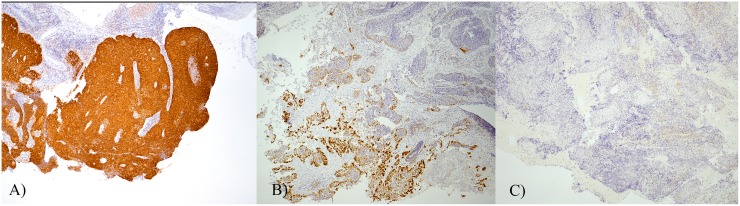
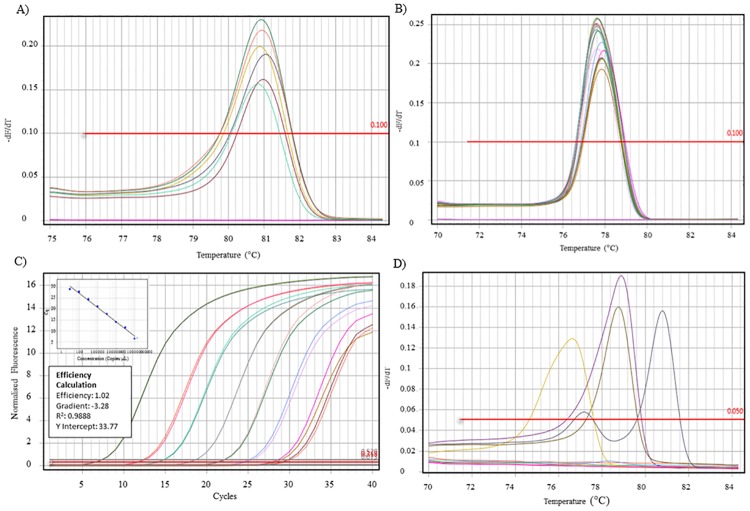
In this study, 621 OPC were identified from cancer registry data from 1996-98, 2003-05, and 2010-12. Biopsies of 267 cases were then retrieved from laboratories throughout New Zealand. p16 immunohistochemistry and a human beta globin PCR were performed on all specimens. HPV genotyping was performed on all beta globin positive specimens using real-time PCR with melt analysis.
Using a p16/PCR algorithm, 77.9% (95% CI: 71.1-83.5%) of cases were attributable to HPV. Of these, 98.5% were HPV 16 positive. There was also one case each of HPV 33 and 35. The percentage of HPV positive cases increased from 61.9% (95% CI: 40.9%- 79.2%) in 1996-98 to 87.5% (95% CI: 79.8%- 92.5%) in 2010-12. Results from the multivariable model, adjusted for sex and ethnicity found statistically significant associations between HPV positivity and timeframe (OR: 5.65, 95% CI: 2.60-12.30, 2010-12 vs 1996-98), and between HPV positivity and patient age (OR: 0.55, 95% CI: 0.33-0.99, ≥61 years vs ≤60 years).
This data is consistent with data from other developed countries showing an increase in cases of HPV positive OPC in New Zealand, and the majority of cases being attributable to HPV 16. These results support the recent inclusion of males into the nationally funded immunization schedule for Gardasil® 9.
在过去14年中,新西兰口咽癌(OPC)的发病率增加了一倍多,2010年有126例病例。海外研究表明,人乳头瘤病毒(HPV)在这些癌症的发生发展中起重要作用。然而,HPV在OPC中的作用以及对新西兰卫生系统的负担尚不清楚。
本研究的目的是确定新西兰与OPC相关的HPV的流行率和基因型。
在本研究中,从1996 - 1998年、2003 - 2005年和2010 - 2012年的癌症登记数据中确定了621例OPC病例。然后从新西兰各地的实验室中检索出267例病例的活检样本。对所有样本进行p16免疫组织化学和人β - 珠蛋白PCR检测。使用实时PCR熔解分析对所有β - 珠蛋白阳性样本进行HPV基因分型。
使用p16/PCR算法,77.9%(95%可信区间:71.1 - 83.5%)的病例归因于HPV。其中,98.5%为HPV 16阳性。还有1例HPV 33和1例HPV 35阳性病例。HPV阳性病例的比例从1996 - 1998年的61.9%(95%可信区间:40.9% - 79.2%)增加到2010 - 2012年的87.5%(95%可信区间:79.8% - 92.5%)。多变量模型的结果在对性别和种族进行调整后发现,HPV阳性与时间框架之间存在统计学显著关联(比值比:5.65,95%可信区间:2.60 - 12.30,2010 - 2012年与1996 - 1998年相比),以及HPV阳性与患者年龄之间存在统计学显著关联(比值比:0.55,95%可信区间:0.33 - 0.99,≥61岁与≤60岁相比)。
这些数据与其他发达国家的数据一致,表明新西兰HPV阳性OPC病例有所增加,且大多数病例归因于HPV 16。这些结果支持最近将男性纳入国家资助的九价加卫苗免疫接种计划。