Esposito Michele, Bader Yousef, Pedicini Robert, Breton Catalina, Mullin Andrew, Kapur Navin K
The Cardiovascular Center, Tufts Medical Center, Boston, MA, United States.
The Cardiovascular Center, Tufts Medical Center, Boston, MA, United States.
Indian Heart J. 2017 Sep-Oct;69(5):668-674. doi: 10.1016/j.ihj.2017.05.011. Epub 2017 May 22.
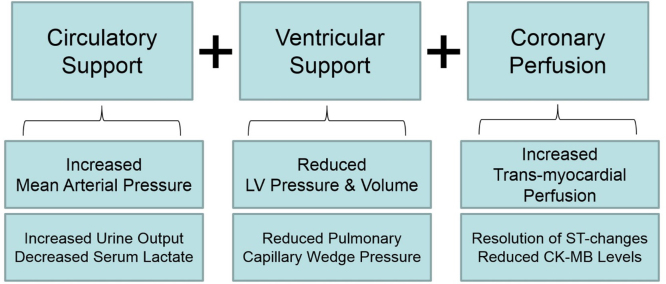
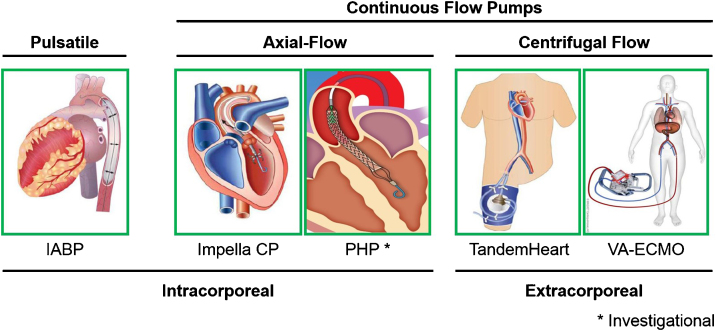
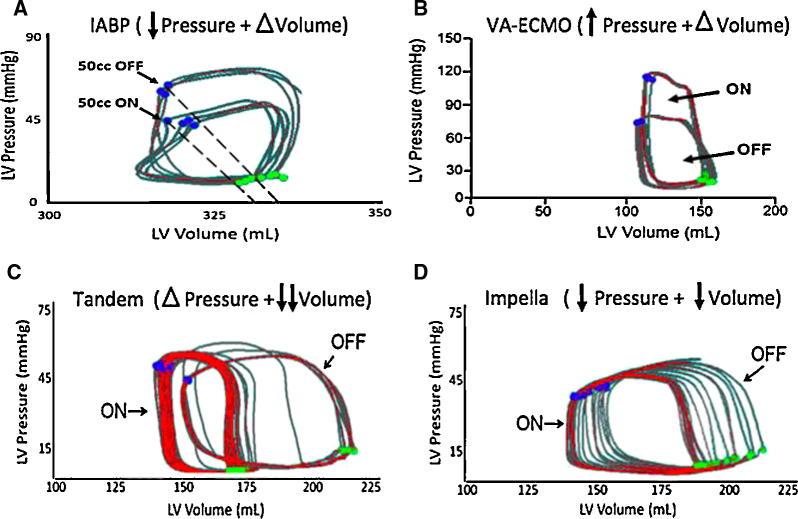
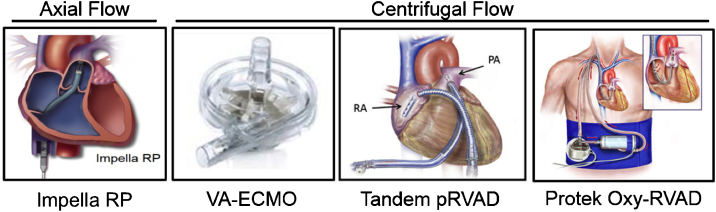
In the setting of ST-segment elevation myocardial infarction (STEMI) complicated by cardiogenic shock, three primary treatment objectives include providing circulatory support, ventricular unloading, and restoring myocardial perfusion. In addition to primary percutaneous coronary intervention, each of these three objectives can be achieved with appropriate use of an acute mechanical circulatory support (AMCS) pump. Over the past decade, utilization of percutaneously-delivered AMCS devices including the Impella axial-flow catheter, TandemHeart left atrial-to-femoral artery bypass system, and veno-arterial extracorporeal membrane oxygenation (VA-ECMO) has grown exponentially. In this review, we will discuss the hemodynamic impact of each AMCS device and clinical data surrounding their use in the setting of STEMI complicated by cardiogenic shock.
在ST段抬高型心肌梗死(STEMI)并发心源性休克的情况下,三个主要治疗目标包括提供循环支持、减轻心室负荷以及恢复心肌灌注。除了直接经皮冠状动脉介入治疗外,这三个目标中的每一个都可以通过适当使用急性机械循环支持(AMCS)泵来实现。在过去十年中,包括Impella轴流导管、TandemHeart左心房至股动脉旁路系统以及静脉-动脉体外膜肺氧合(VA-ECMO)在内的经皮输送AMCS设备的使用呈指数级增长。在本综述中,我们将讨论每种AMCS设备的血流动力学影响以及它们在STEMI并发心源性休克情况下使用的临床数据。