Puri Nitin, Arefiev Yevgeniy, Chao Robert, Sacerdoti David, Chaudry Hibba, Nichols Alexandra, Srikanthan Krithika, Nawab Athar, Sharma Dana, Lakhani Vishal Hari, Klug Rebecca, Sodhi Komal, Peterson Stephen J
Department of Physiology & Pharmacology, University of Toledo College of Medicine, Toledo, OH 43614, USA.
Department of Medicine, Weill Cornell Medicine/NYP Brooklyn Methodist Hospital, Brooklyn, NY 11215, USA.
J Nutr Metab. 2017;2017:4964571. doi: 10.1155/2017/4964571. Epub 2017 Sep 14.
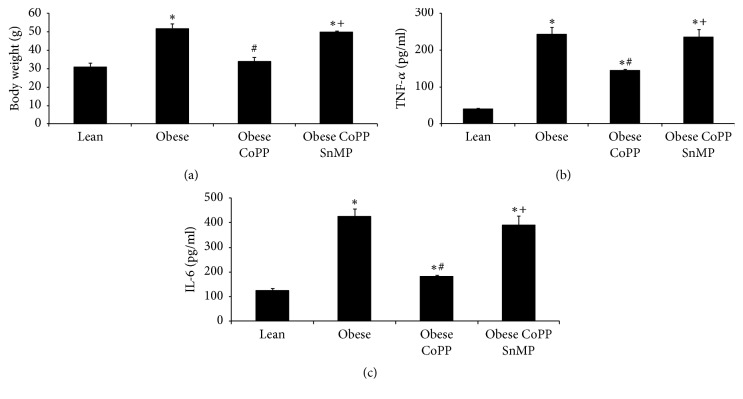
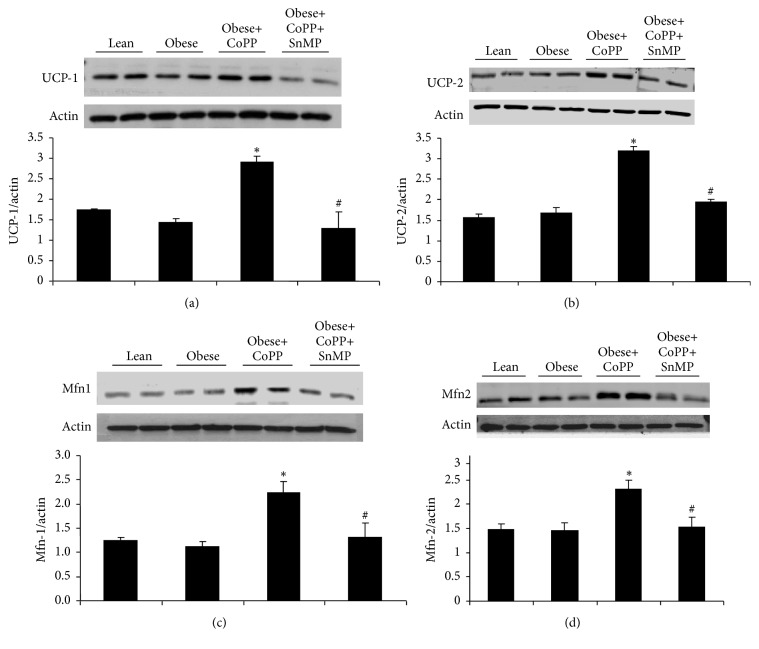
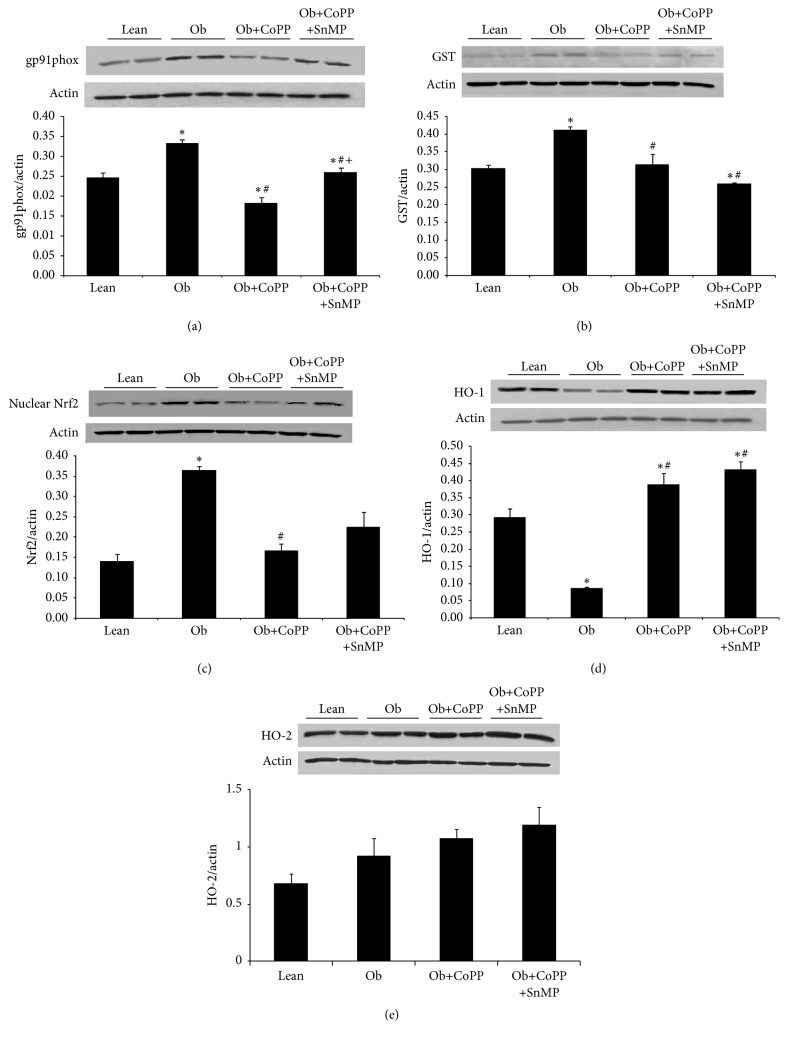
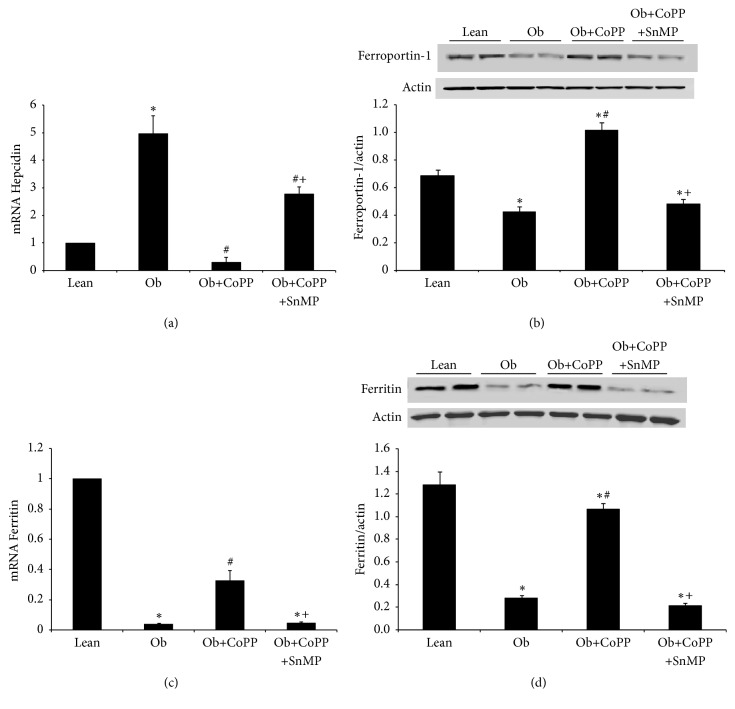
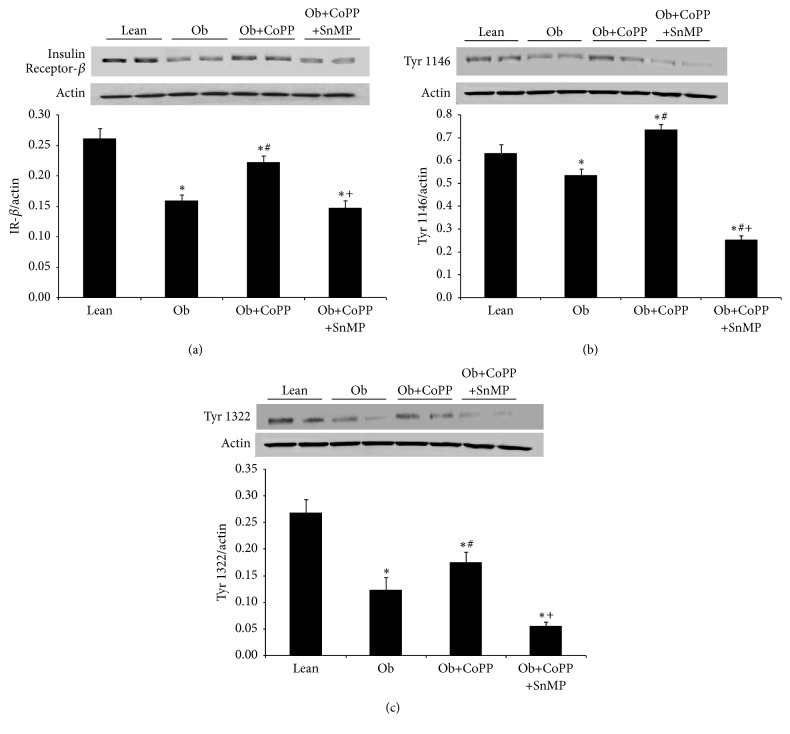
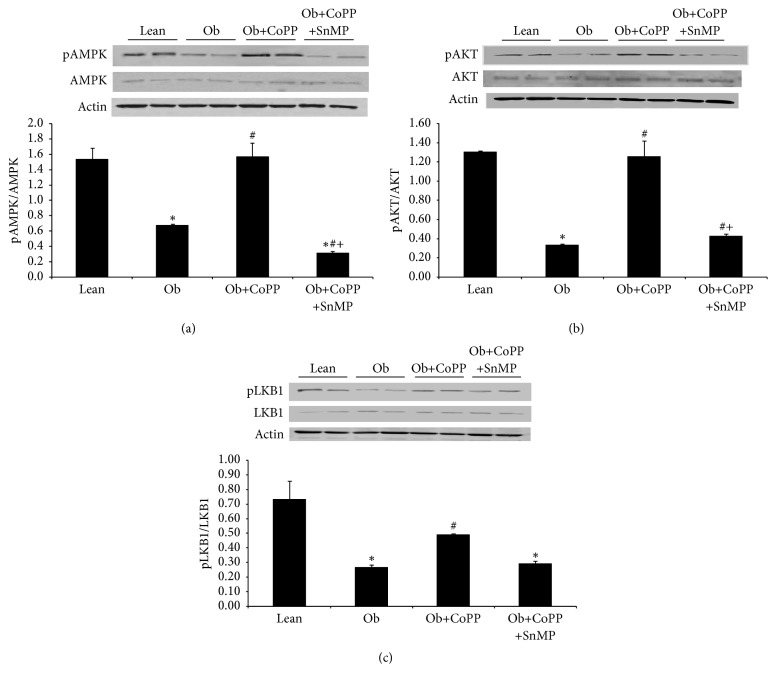
Hepcidin, a phase II reactant secreted by hepatocytes, regulates cellular iron levels by increasing internalization of ferroportin-a transmembrane protein facilitating egress of cellular iron. Chronic low-grade inflammatory states, such as obesity, have been shown to increase oxidative stress and enhance hepcidin secretion from hepatocytes and macrophages. Heme-heme oxygenase (HO) is a stress response system which reduces oxidative stress. We investigated the effects of HO-1 induction on hepatic hepcidin levels and on iron homeostasis in hepatic tissues from lean and obese mice. Obese mice exhibited hyperglycemia ( < 0.05); increased levels of proinflammatory cytokines (MCP-1, IL-6, < 0.05); oxidative stress ( < 0.05); and increased hepatic hepcidin levels ( < 0.05). Enhancement of hepcidin was reflected in the reduced expression of ferroportin in obese mice ( < 0.05). However, this effect is accompanied by a significant decline in ferritin expression. Additionally, there are reduced insulin receptor phosphorylation and attenuation of metabolic regulators pAMPK, pAKT, and pLKB1. Cobalt protoporphyrin- (CoPP-) induced HO-1 upregulation in obese mice reversed these alterations ( < 0.05), while attenuating hepatic hepcidin levels. These effects of CoPP were prevented in obese mice concurrently exposed to an inhibitor of HO (SnMP) ( < 0.05). Our results highlight a modulatory effect of HO on iron homeostasis mediated through the suppression of hepatic hepcidin.
铁调素是一种由肝细胞分泌的II期反应物,它通过增加铁转运蛋白(一种促进细胞内铁外流的跨膜蛋白)的内化来调节细胞内铁水平。慢性低度炎症状态,如肥胖,已被证明会增加氧化应激,并增强肝细胞和巨噬细胞中铁调素的分泌。血红素-血红素加氧酶(HO)是一种减轻氧化应激的应激反应系统。我们研究了HO-1诱导对瘦小鼠和肥胖小鼠肝脏组织中铁调素水平及铁稳态的影响。肥胖小鼠表现出高血糖(<0.05);促炎细胞因子(MCP-1、IL-6,<0.05)水平升高;氧化应激(<0.05);以及肝脏铁调素水平升高(<0.05)。肥胖小鼠中铁调素的增强反映在铁转运蛋白表达降低(<0.05)。然而,这种作用伴随着铁蛋白表达的显著下降。此外,胰岛素受体磷酸化减少,代谢调节因子pAMPK、pAKT和pLKB1减弱。钴原卟啉(CoPP)诱导肥胖小鼠HO-1上调可逆转这些改变(<0.05),同时降低肝脏铁调素水平。在同时暴露于HO抑制剂(SnMP)的肥胖小鼠中,CoPP的这些作用被阻断(<0.05)。我们的结果突出了HO通过抑制肝脏铁调素对铁稳态的调节作用。