Quattrocelli Mattia, Capote Joanna, Ohiri Joyce C, Warner James L, Vo Andy H, Earley Judy U, Hadhazy Michele, Demonbreun Alexis R, Spencer Melissa J, McNally Elizabeth M
Center for Genetic Medicine, Northwestern University Feinberg School of Medicine, Chicago, Illinois, United States of America.
Department of Neurology, David Geffen School of Medicine at UCLA, Los Angeles, California, United States of America.
PLoS Genet. 2017 Oct 24;13(10):e1007070. doi: 10.1371/journal.pgen.1007070. eCollection 2017 Oct.
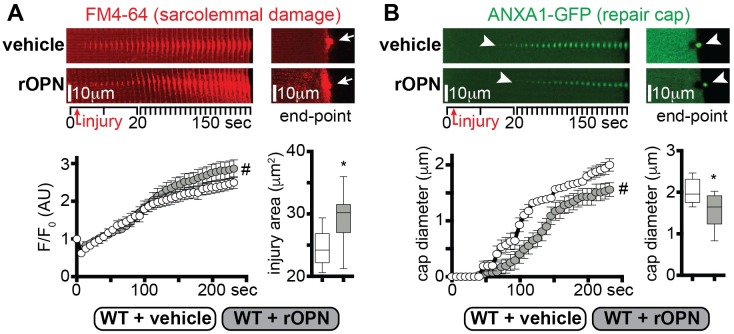
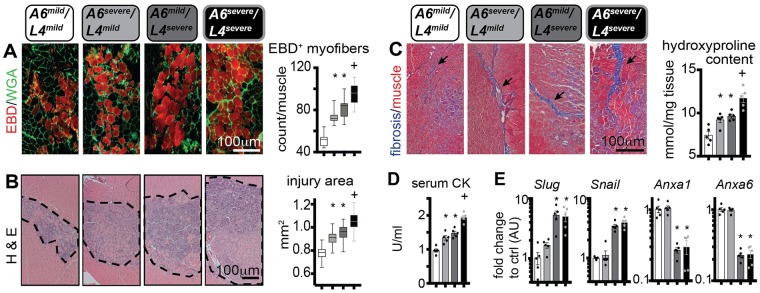
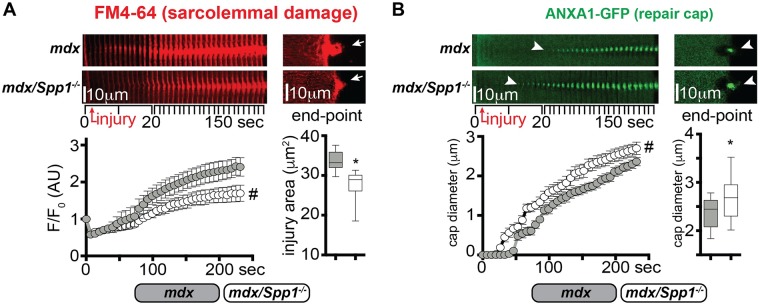
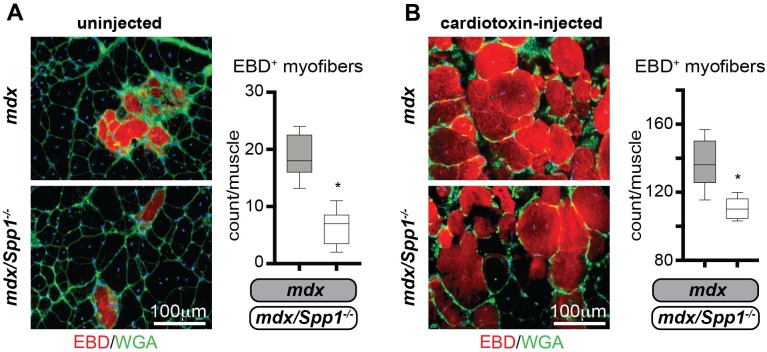
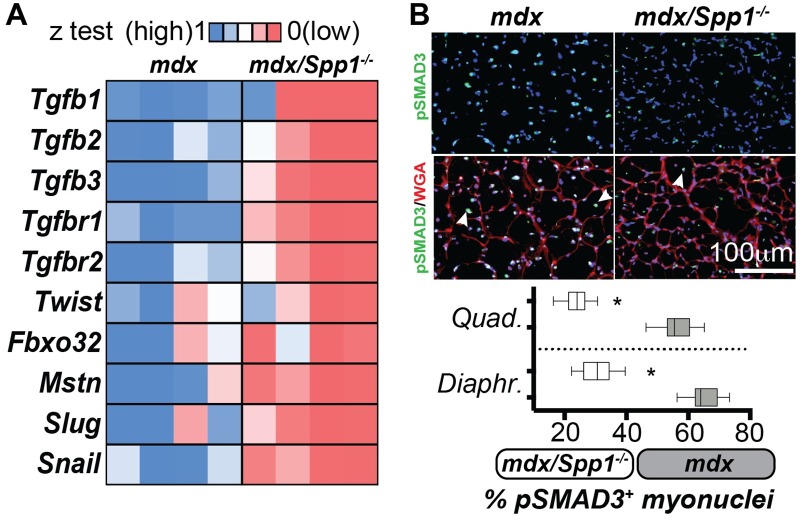
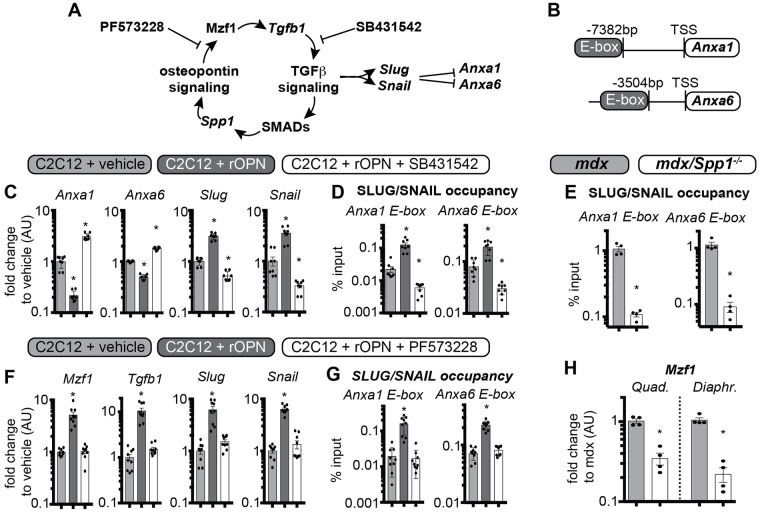
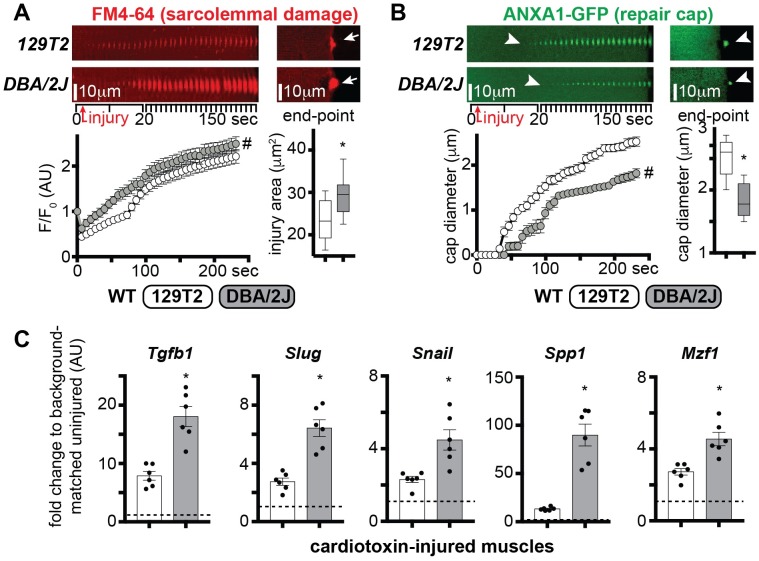
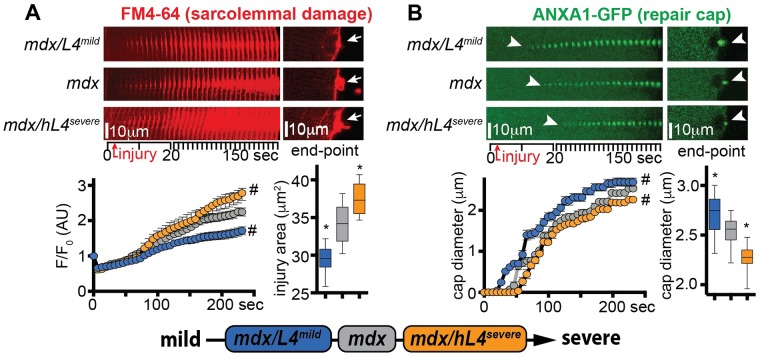
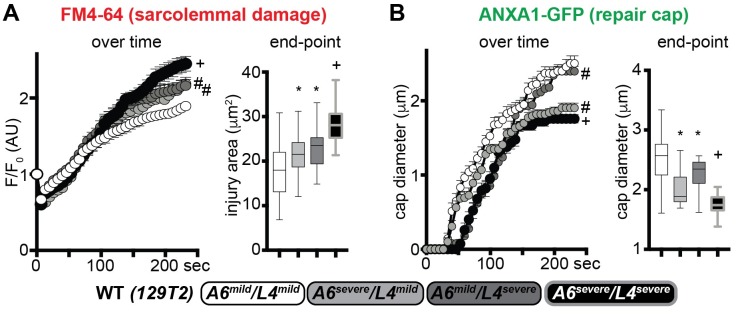
Genetic disruption of the dystrophin complex produces muscular dystrophy characterized by a fragile muscle plasma membrane leading to excessive muscle degeneration. Two genetic modifiers of Duchenne Muscular Dystrophy implicate the transforming growth factor β (TGFβ) pathway, osteopontin encoded by the SPP1 gene and latent TGFβ binding protein 4 (LTBP4). We now evaluated the functional effect of these modifiers in the context of muscle injury and repair to elucidate their mechanisms of action. We found that excess osteopontin exacerbated sarcolemmal injury, and correspondingly, that loss of osteopontin reduced injury extent both in isolated myofibers and in muscle in vivo. We found that ablation of osteopontin was associated with reduced expression of TGFβ and TGFβ-associated pathways. We identified that increased TGFβ resulted in reduced expression of Anxa1 and Anxa6, genes encoding key components of the muscle sarcolemma resealing process. Genetic manipulation of Ltbp4 in dystrophic muscle also directly modulated sarcolemmal resealing, and Ltbp4 alleles acted in concert with Anxa6, a distinct modifier of muscular dystrophy. These data provide a model in which a feed forward loop of TGFβ and osteopontin directly impacts the capacity of muscle to recover from injury, and identifies an intersection of genetic modifiers on muscular dystrophy.
肌营养不良蛋白复合体的基因破坏会导致肌肉营养不良,其特征是肌膜脆弱,导致过度的肌肉退化。杜氏肌营养不良症的两个基因修饰因子涉及转化生长因子β(TGFβ)途径,即由SPP1基因编码的骨桥蛋白和潜伏性TGFβ结合蛋白4(LTBP4)。我们现在评估了这些修饰因子在肌肉损伤和修复背景下的功能作用,以阐明它们的作用机制。我们发现过量的骨桥蛋白会加剧肌膜损伤,相应地,在分离的肌纤维和体内肌肉中,骨桥蛋白的缺失会降低损伤程度。我们发现骨桥蛋白的缺失与TGFβ和TGFβ相关途径的表达降低有关。我们确定,TGFβ的增加会导致Anxa1和Anxa6的表达降低,这两个基因编码肌肉肌膜重新封闭过程的关键成分。在营养不良的肌肉中对Ltbp4进行基因操作也直接调节了肌膜的重新封闭,并且Ltbp4等位基因与Anxa6协同作用,Anxa6是一种不同的肌营养不良症修饰因子。这些数据提供了一个模型,其中TGFβ和骨桥蛋白的前馈环直接影响肌肉从损伤中恢复的能力,并确定了基因修饰因子在肌营养不良症上的一个交叉点。