Song Chanyoung, Phuengkham Hathaichanok, Kim Sun-Young, Lee Min Sang, Jeong Ji Hoon, Shin Sung Jae, Lim Yong Taik
SKKU Advanced Institute of Nanotechnology, School of Chemical Engineering.
Department of Pharmacy, Sungkyunkwan University, Suwon.
Int J Nanomedicine. 2017 Oct 12;12:7501-7517. doi: 10.2147/IJN.S144623. eCollection 2017.
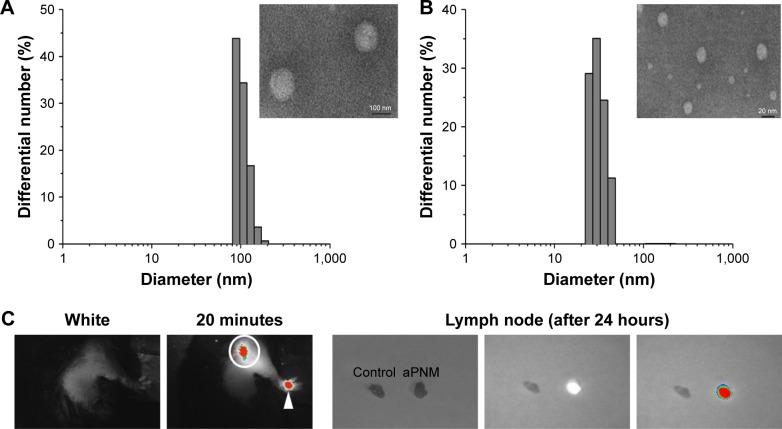
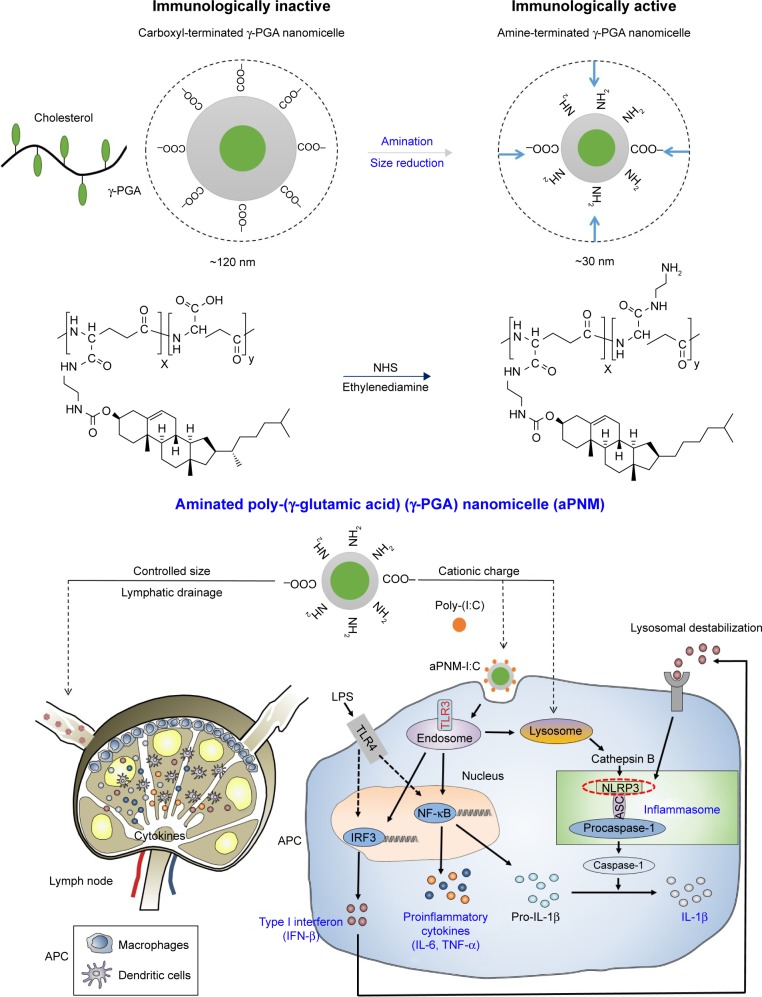
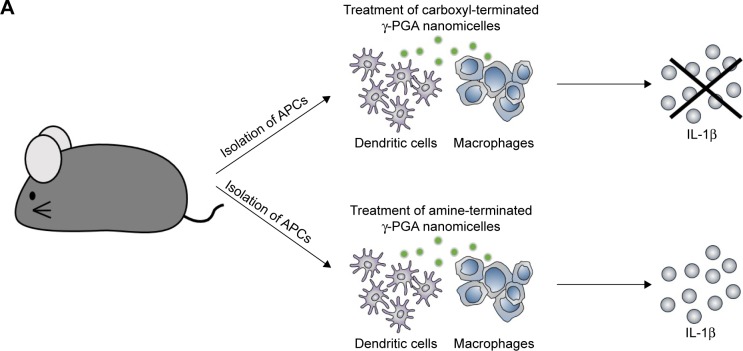
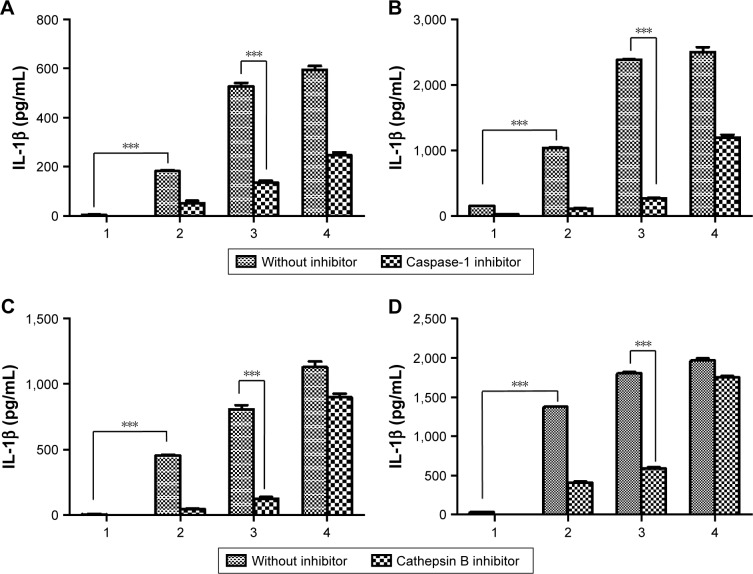
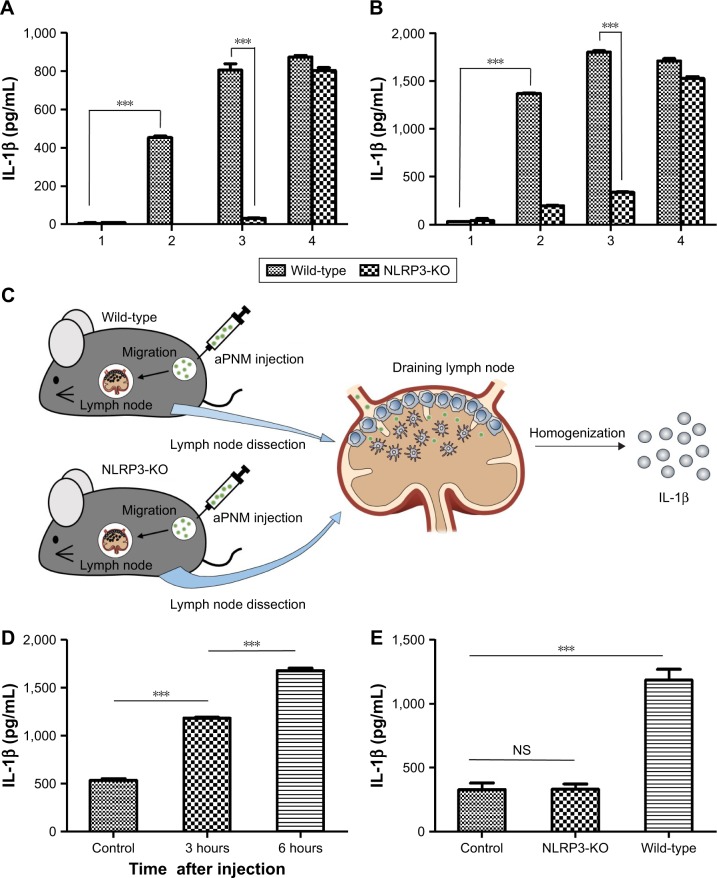
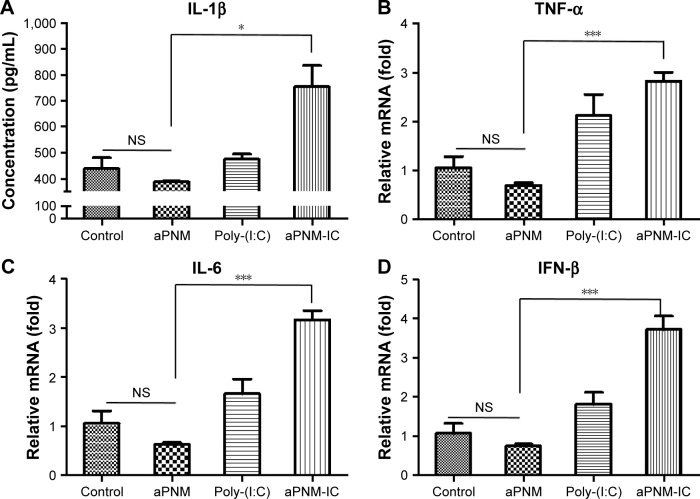
In this study, we suggest a designer vaccine adjuvant that can mimic the drainage of pathogens into lymph nodes and activate innate immune response in lymph nodes. By the amination of multivalent carboxyl groups in poly-(γ-glutamic acid) (γ-PGA) nanomicelles, the size was reduced for rapid entry into lymphatic vessels, and the immunologically inert nanomicelles were turned into potential activators of inflammasomes. Aminated γ-PGA nanomicelles (aPNMs) induced NLRP3 inflammasome activation and the subsequent release of proinflammatory IL-1β. The NLRP3-dependent inflammasome induction mechanism was confirmed through enzyme (cathepsin B and caspase-1) inhibitors and NLRP3 knockout mice model. After the aPNMs were combined with a clinically evaluated TLR3 agonist, polyinosinic-polycytidylic acid sodium salt (aPNM-IC), they triggered multiple arms of the innate immune response, including the secretion of pro-inflammatory cytokines by both inflammasomes and an inflammasome-independent pathway and the included type I interferons.
在本研究中,我们提出了一种设计型疫苗佐剂,它能够模拟病原体向淋巴结的引流并激活淋巴结中的先天免疫反应。通过对聚(γ-谷氨酸)(γ-PGA)纳米胶束中的多价羧基进行胺化,纳米胶束尺寸减小,以便快速进入淋巴管,原本免疫惰性的纳米胶束转变为炎性小体的潜在激活剂。胺化γ-PGA纳米胶束(aPNMs)诱导NLRP3炎性小体激活以及随后促炎性白细胞介素-1β的释放。通过酶(组织蛋白酶B和半胱天冬酶-1)抑制剂和NLRP3基因敲除小鼠模型证实了NLRP3依赖性炎性小体诱导机制。aPNMs与临床评估的Toll样受体3(TLR3)激动剂聚肌苷酸-聚胞苷酸钠盐(aPNM-IC)结合后,触发了先天免疫反应的多个环节,包括炎性小体和非炎性小体依赖性途径分泌促炎细胞因子以及产生I型干扰素。