Yoest Jennifer M
Department of Pathology, University of Pittsburgh Medical Center, Pittsburgh, PA, USA.
Immunotargets Ther. 2017 Oct 10;6:73-82. doi: 10.2147/ITT.S126227. eCollection 2017.
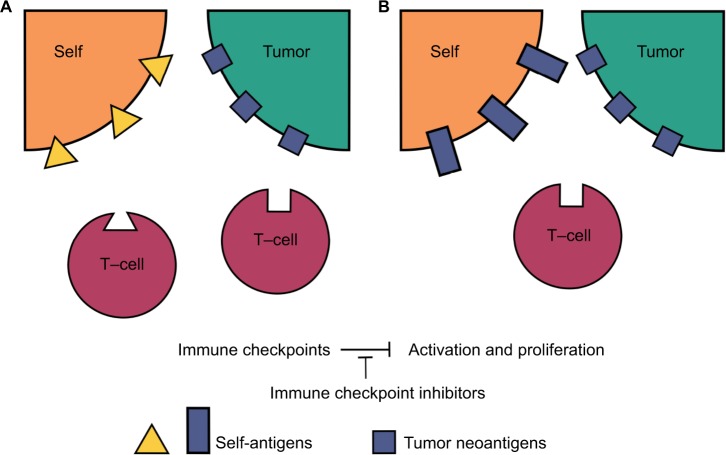
Identification and characterization of T-cell regulatory mechanisms, or checkpoints, have led to a wave of drug development aimed at inhibiting these targets to "remove the brakes" of the immune system. This class of anticancer therapeutics, termed immune checkpoint inhibitors (ICIs), has harnessed the potential of the body's own immune system to recognize cancerous cells and selectively eliminate them, in some cases with alarming success. This new breakthrough, however, has not been without its drawbacks. Immune-related adverse events (irAEs) are adverse events encountered during treatment with ICIs that are thought to be mediated through the patient's immune system which can manifest with a variety of symptoms which often resemble autoimmunity. These events range widely in presentation and severity and are reported frequently. Here, we will discuss a large selection of case reports in order to inform the clinician, laboratorian, and researcher of the scope of organ systems affected, the severity of the conditions being encountered, and the responses of these events to treatment, as well as explore the use of ICIs in the setting of preexisting autoimmunity. We will also consider the ability to detect autoantibodies before and during irAEs as well as the correlations that irAEs have with clinical outcomes. Finally, we will conclude by exploring the possibility that two distinct pathways may be contributing to the phenomenon of irAEs within this class of drugs, and the role that this might play in future research and clinical practice.
T细胞调节机制或检查点的识别与表征,引发了一波药物研发热潮,旨在抑制这些靶点以“松开”免疫系统的“刹车”。这类抗癌疗法被称为免疫检查点抑制剂(ICI),它利用了人体自身免疫系统识别癌细胞并选择性消除它们的潜力,在某些情况下取得了惊人的成功。然而,这一重大突破并非没有缺点。免疫相关不良事件(irAE)是在使用ICI治疗期间遇到的不良事件,被认为是通过患者的免疫系统介导的,可能表现出多种症状,常类似于自身免疫。这些事件的表现和严重程度差异很大,且报告频繁。在此,我们将讨论大量病例报告,以便让临床医生、检验人员和研究人员了解受影响的器官系统范围、所遇到病症的严重程度、这些事件对治疗的反应,同时探讨在已有自身免疫情况下ICI的使用。我们还将考虑在irAE发生之前和期间检测自身抗体的能力,以及irAE与临床结果的相关性。最后,我们将通过探讨两种不同途径可能导致这类药物中irAE现象的可能性,以及这在未来研究和临床实践中可能发挥的作用来得出结论。