Division of Systems Biomedicine and Pharmacology, Leiden Academic Centre for Drug Research (LACDR), Leiden University, Leiden, The Netherlands.
Department of Pediatrics, Erasmus MC - Sophia Children's Hospital, Rotterdam, The Netherlands.
Br J Clin Pharmacol. 2018 Feb;84(2):358-368. doi: 10.1111/bcp.13459. Epub 2017 Nov 29.
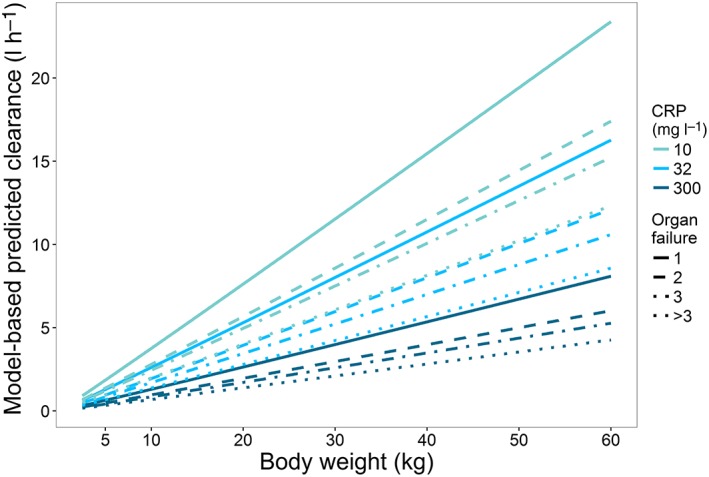
Inflammation and organ failure have been reported to have an impact on cytochrome P450 (CYP) 3A-mediated clearance of midazolam in critically ill children. Our aim was to evaluate a previously developed population pharmacokinetic model both in critically ill children and other populations, in order to allow the model to be used to guide dosing in clinical practice.
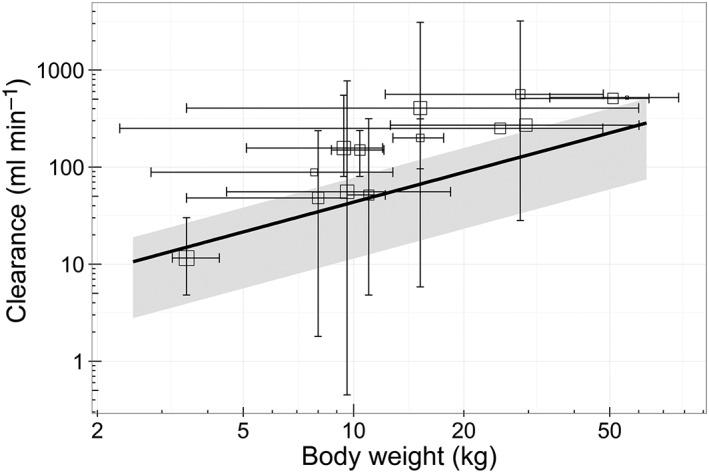
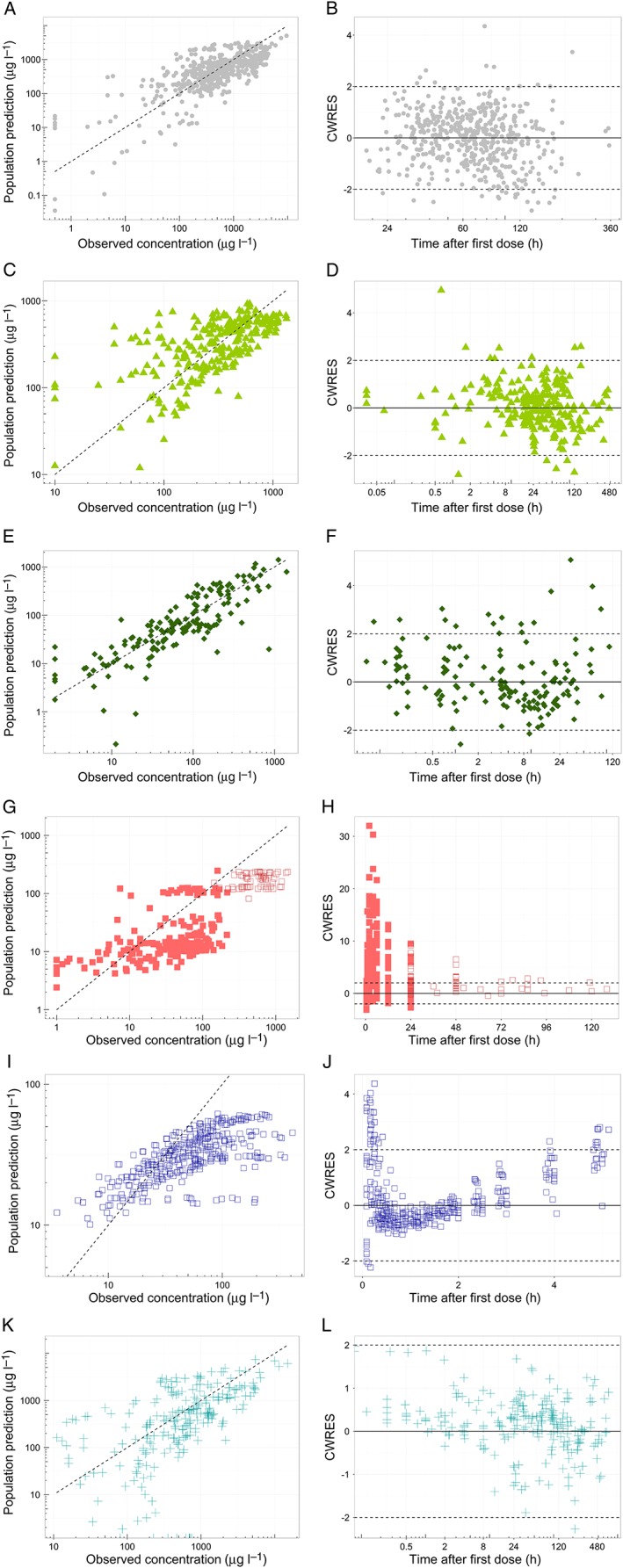
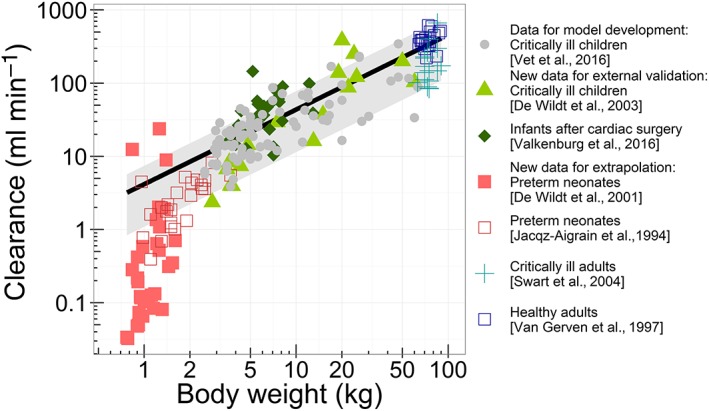
The model was evaluated externally in 136 individuals, including (pre)term neonates, infants, children and adults (body weight 0.77-90 kg, C-reactive protein level 0.1-341 mg l and 0-4 failing organs) using graphical and numerical diagnostics.
The pharmacokinetic model predicted midazolam clearance and plasma concentrations without bias in postoperative or critically ill paediatric patients and term neonates [median prediction error (MPE) <30%]. Using the model for extrapolation resulted in well-predicted clearance values in critically ill and healthy adults (MPE <30%), while clearance in preterm neonates was over predicted (MPE >180%).
The recently published pharmacokinetic model for midazolam, quantifying the influence of maturation, inflammation and organ failure in children, yields unbiased clearance predictions and can therefore be used for dosing instructions in term neonates, children and adults with varying levels of critical illness, including healthy adults, but not for extrapolation to preterm neonates.
据报道,炎症和器官衰竭会影响危重症儿童中环孢素 P450(CYP)3A 介导的咪达唑仑清除率。我们的目的是评估先前开发的群体药代动力学模型在危重症儿童和其他人群中的应用,以便能够将该模型用于指导临床实践中的剂量调整。
使用图形和数值诊断方法,在包括(早产)新生儿、婴儿、儿童和成人(体重 0.77-90kg,C 反应蛋白水平 0.1-341mg/L,0-4 个衰竭器官)的 136 名个体中对该模型进行了外部评估。
该药代动力学模型对术后或危重症儿科患者和足月新生儿的咪达唑仑清除率和血浆浓度无偏差预测(中位数预测误差(MPE)<30%)。使用该模型进行外推,在危重症和健康成人中可得到良好预测的清除率值(MPE<30%),而早产儿的清除率则被高估(MPE>180%)。
最近发表的咪达唑仑群体药代动力学模型,量化了儿童成熟度、炎症和器官衰竭的影响,可产生无偏差的清除率预测,因此可用于足月新生儿、儿童和不同程度危重症的成人(包括健康成人)的剂量指导,但不能外推至早产儿。