Cretin Elodie, Pazart Lionel, Rousseau Marie-Christine, Noé Alain, Decavel Pierre, Chassagne Aline, Godard-Marceau Aurélie, Trimaille Hélène, Mathieu-Nicot Florence, Beaussant Yvan, Gabriel Damien, Daneault Serge, Aubry Régis
Clinical Investigation Center, CIC 1431 Inserm, University Hospital of Besançon, Besançon, France.
Palliative Care Unit, University Hospital of Besançon, Besançon, France.
PLoS One. 2017 Oct 26;12(10):e0186776. doi: 10.1371/journal.pone.0186776. eCollection 2017.
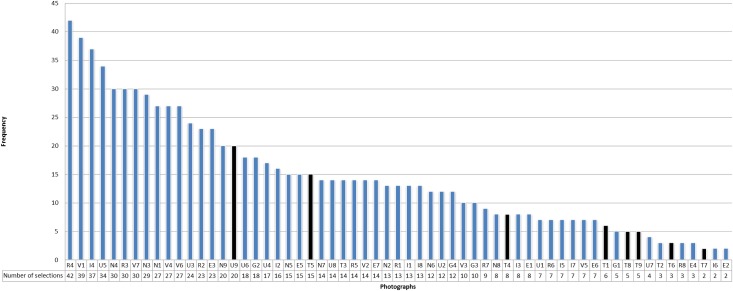
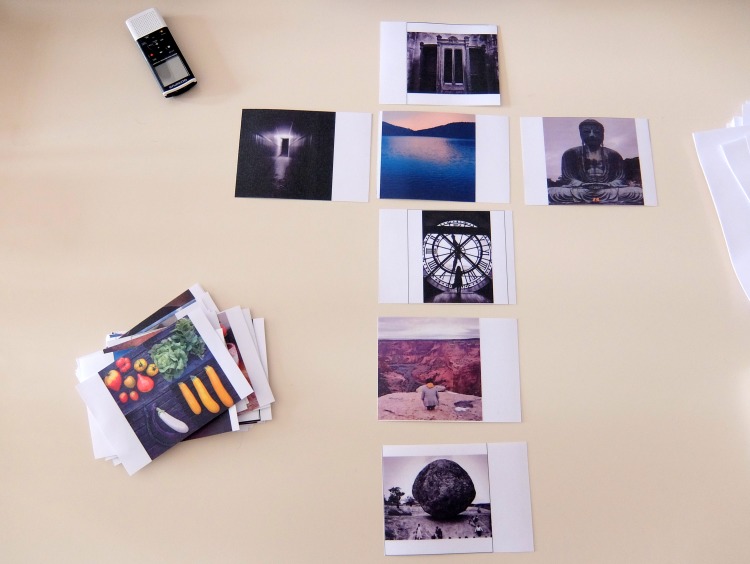
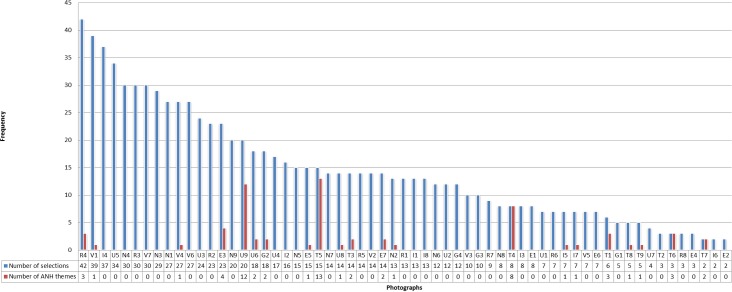
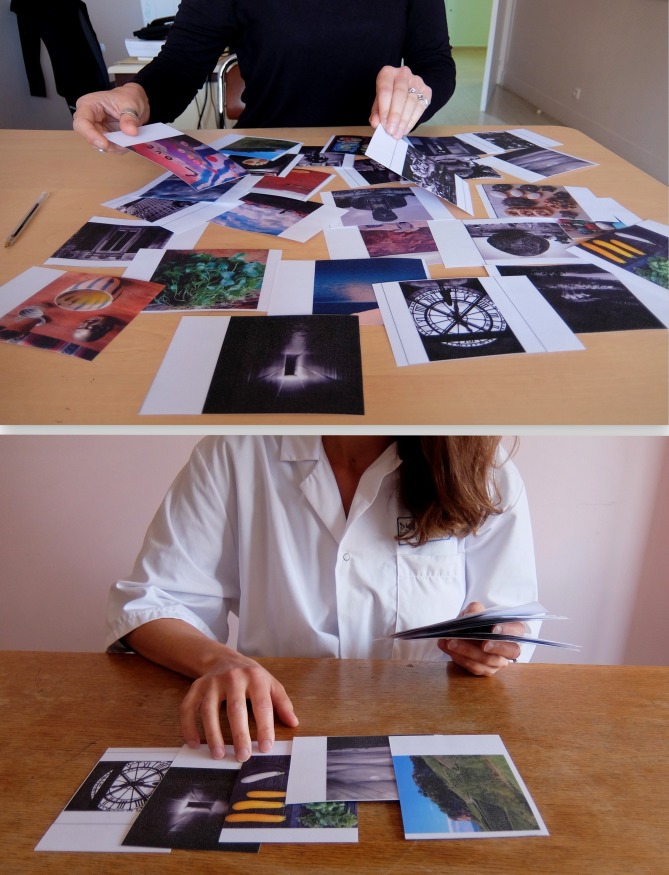
The question of withdrawing artificial nutrition and hydration from people in a permanent vegetative state sparks considerable ethical and legal debate. Therefore, understanding the elements that influence such a decision is crucial. However, exploring perceptions of artificial nutrition and hydration is methodologically challenging for several reasons. First, because of the emotional state of the professionals and family members, who are facing an extremely distressing situation; second, because this question mirrors representations linked to a deep-rooted fear of dying of hunger and thirst; and third, because of taboos surrounding death. We sought to determine the best method to explore such complex situations in depth. This article aims to assess the relevance of the photo-elicitation interview method to analyze the perceptions and attitudes of health professionals and families of people in a permanent vegetative state regarding artificial nutrition and hydration. The photo-elicitation interview method consists in inserting one or more photographs into a research interview. An original set of 60 photos was built using Google Images and participants were asked to choose photos (10 maximum) and talk about them. The situations of 32 patients were explored in 23 dedicated centers for people in permanent vegetative state across France. In total, 138 interviews were conducted with health professionals and family members. We found that the photo-elicitation interview method 1) was well accepted by the participants and allowed them to express their emotions constructively, 2) fostered narration, reflexivity and introspection, 3) offered a sufficient "unusual angle" to allow participants to go beyond stereotypes and habits of thinking, and 4) can be replicated in other research areas. The use of visual methods currently constitutes an expanding area of research and this study stressed that this is of special interest to enhance research among populations facing end-of-life and ethical issues.
从处于永久性植物状态的人身上撤掉人工营养和水分的问题引发了大量伦理和法律辩论。因此,了解影响这一决定的因素至关重要。然而,由于若干原因,探究对人工营养和水分的看法在方法上具有挑战性。首先,由于专业人员和家庭成员所处的情绪状态,他们正面临极其痛苦的情形;其次,因为这个问题反映了与对饥饿和干渴死亡的根深蒂固恐惧相关的观念;第三,由于围绕死亡的禁忌。我们试图确定深入探究此类复杂情形的最佳方法。本文旨在评估照片引发访谈法对于分析健康专业人员以及处于永久性植物状态者的家人对人工营养和水分的看法及态度的相关性。照片引发访谈法是指在研究访谈中插入一张或多张照片。利用谷歌图片制作了一组60张原创照片,要求参与者选择照片(最多10张)并谈论这些照片。在法国23个专门针对永久性植物状态者的中心,对32名患者的情况进行了探究。总共与健康专业人员和家庭成员进行了138次访谈。我们发现,照片引发访谈法1)被参与者欣然接受,并使他们能够建设性地表达自己的情感,2)促进了叙述、反思和内省,3)提供了一个足够的“独特视角”,使参与者能够超越刻板印象和思维习惯,4)可以在其他研究领域复制。视觉方法的使用目前构成了一个不断扩大的研究领域,本研究强调,这对于加强针对面临临终和伦理问题人群的研究特别有意义。