Dolci Sissi, Pino Annachiara, Berton Valeria, Gonzalez Pau, Braga Alice, Fumagalli Marta, Bonfanti Elisabetta, Malpeli Giorgio, Pari Francesca, Zorzin Stefania, Amoroso Clelia, Moscon Denny, Rodriguez Francisco J, Fumagalli Guido, Bifari Francesco, Decimo Ilaria
Section of Pharmacology, Department of Diagnostics and Public Health, University of Verona, Verona, Italy.
Group of Molecular Neurology, Hospital Nacional de Parapléjicos, Toledo, Spain.
Front Pharmacol. 2017 Oct 12;8:703. doi: 10.3389/fphar.2017.00703. eCollection 2017.
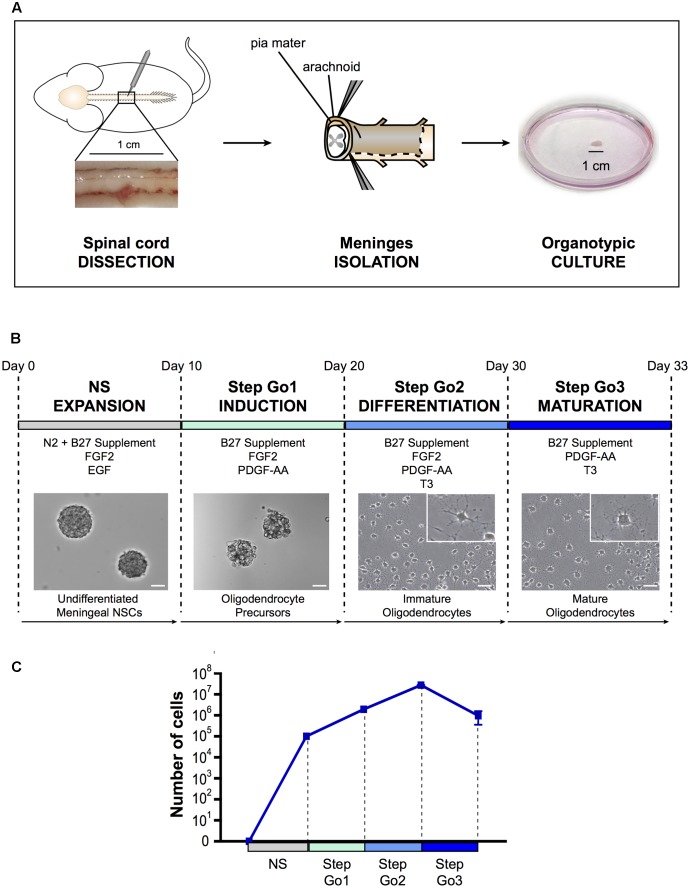
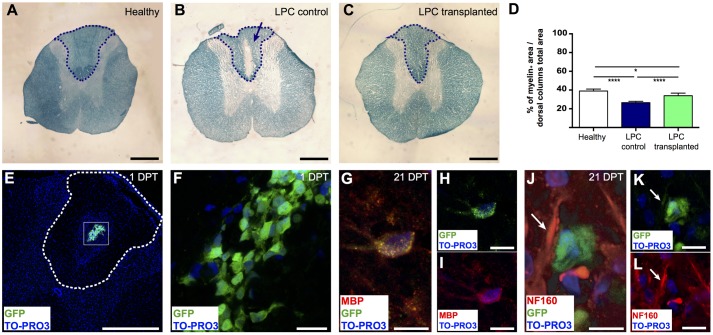
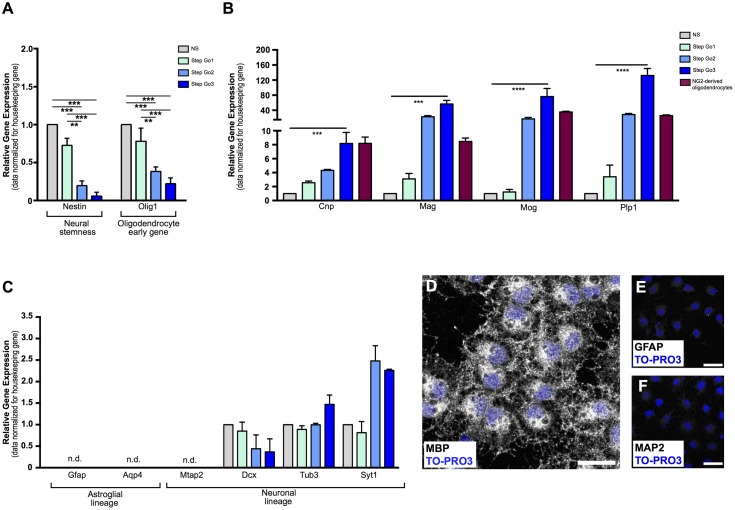
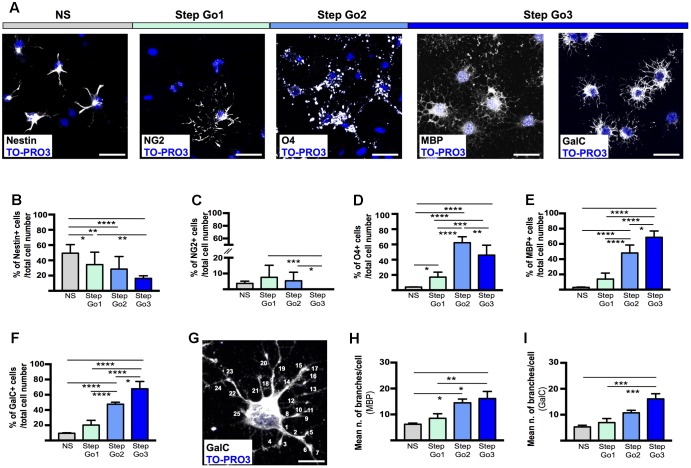
Oligodendrocyte loss can lead to cognitive and motor deficits. Current remyelinating therapeutic strategies imply either modulation of endogenous oligodendrocyte precursors or transplantation of expanded oligodendrocytes. Cell therapy, however, still lacks identification of an adequate source of oligodendrocyte present in adulthood and able to efficiently produce transplantable cells. Recently, a neural stem cell-like population has been identified in meninges. We developed a protocol to obtain high yield of oligodendrocyte lineage cells from one single biopsy of adult rat meningeal tissue. From 1 cm of adult rat spinal cord meninges, we efficiently expanded a homogenous culture of 10 millions of meningeal-derived oligodendrocyte lineage cells in a short period of time (approximately 4 weeks). Meningeal-derived oligodendrocyte lineage cells show typical mature oligodendrocyte morphology and express specific oligodendrocyte markers, such as galactosylceramidase and myelin basic protein. Moreover, when transplanted in a chemically demyelinated spinal cord model, meningeal-derived oligodendrocyte lineage cells display -remyelinating potential. This oligodendrocyte lineage cell population derives from an accessible and adult source, being therefore a promising candidate for autologous cell therapy of demyelinating diseases. In addition, the described method to differentiate meningeal-derived neural stem cells into oligodendrocyte lineage cells may represent a valid model to dissect oligodendrocyte differentiation and to screen for drugs capable to promote oligodendrocyte regeneration.
少突胶质细胞的损失会导致认知和运动功能障碍。目前的髓鞘再生治疗策略包括对内源性少突胶质细胞前体的调节或对扩增的少突胶质细胞进行移植。然而,细胞治疗仍然缺乏对成年期存在的、能够有效产生可移植细胞的合适少突胶质细胞来源的识别。最近,在脑膜中发现了一种神经干细胞样细胞群。我们开发了一种方案,可从成年大鼠脑膜组织的单次活检中获得高产率的少突胶质细胞系细胞。从1厘米成年大鼠脊髓脑膜中,我们在短时间内(约4周)高效扩增出了1000万个源自脑膜的少突胶质细胞系细胞的同质培养物。源自脑膜的少突胶质细胞系细胞呈现典型的成熟少突胶质细胞形态,并表达特定的少突胶质细胞标志物,如半乳糖基神经酰胺酶和髓鞘碱性蛋白。此外,当将其移植到化学性脱髓鞘脊髓模型中时,源自脑膜的少突胶质细胞系细胞显示出髓鞘再生潜力。这种少突胶质细胞系细胞群源自一个可获取的成年来源,因此是脱髓鞘疾病自体细胞治疗的一个有前景的候选者。此外,所描述的将源自脑膜的神经干细胞分化为少突胶质细胞系细胞的方法可能代表了一个有效的模型,用于剖析少突胶质细胞的分化并筛选能够促进少突胶质细胞再生的药物。