Kerekes Nóra, Fielding Cecilia, Apelqvist Susanne
Department of Health Sciences, University West, Trollhättan, Sweden.
R&E, Swedish Prison and Probation Services, Norrköping, Sweden.
Front Psychiatry. 2017 Oct 16;8:204. doi: 10.3389/fpsyt.2017.00204. eCollection 2017.
The effect of yoga in the reduction of depressive symptoms, anxiety, stress, anger as well as in the increased ability of behavioral control has been shown. These effects of yoga are highly relevant for prison inmates who often have poor mental health and low impulse control. While it has been shown that yoga and meditation can be effective in improving subjective well-being, mental health, and executive functioning within prison populations, only a limited number of studies have proved this, using randomized controlled settings.
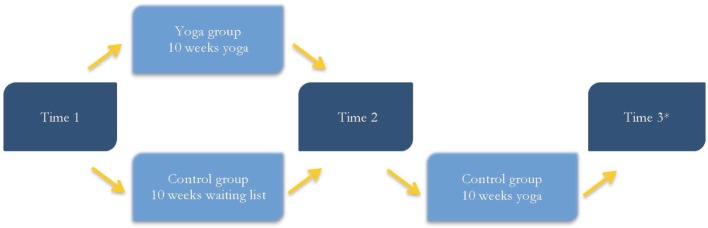
A total of 152 participants from nine Swedish correctional facilities were randomly assigned to a 10-week yoga group (one class a week; = 77) or a control group ( = 75). Before and after the intervention period, participants answered questionnaires measuring stress, aggression, affective states, sleep quality, and psychological well-being and completed a computerized test measuring attention and impulsivity.
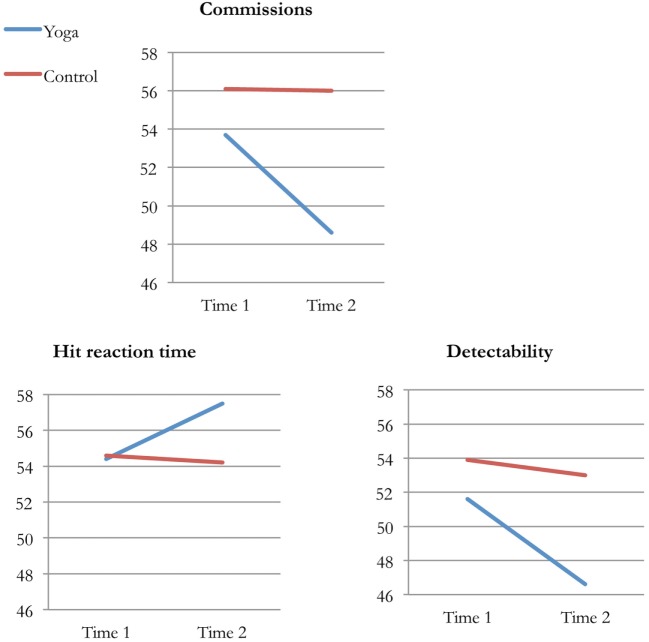
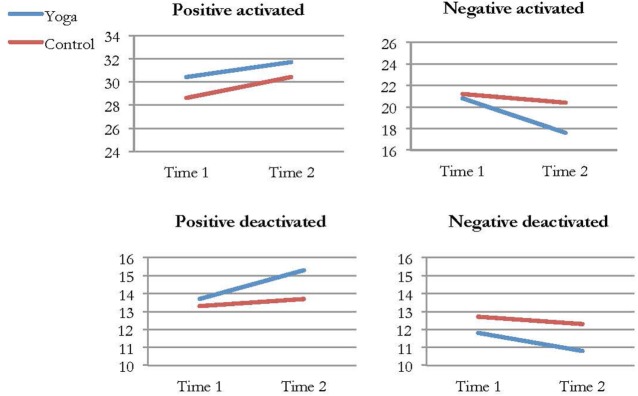
After the intervention period, significant improvements were found on 13 of the 16 variables within the yoga group (e.g., less perceived stress, better sleep quality, an increased psychological and emotional well-being, less aggressive, and antisocial behavior) and on two within the control group. Compared to the control group, yoga class participants reported significantly improved emotional well-being and less antisocial behavior after 10 weeks of yoga. They also showed improved performance on the computerized test that measures attention and impulse control.
It can be concluded that the yoga practiced in Swedish correctional facilities has positive effects on inmates' well-being and on considerable risk factors associated with recidivism, such as impulsivity and antisocial behavior. Accordingly, the results show that yoga practice can play an important part in the rehabilitation of prison inmates.
瑜伽已被证明在减轻抑郁症状、焦虑、压力、愤怒以及提高行为控制能力方面有效果。瑜伽的这些效果与监狱囚犯高度相关,他们往往心理健康状况不佳且冲动控制能力较低。虽然已有研究表明瑜伽和冥想对改善监狱人群的主观幸福感、心理健康和执行功能有效,但只有少数研究在随机对照的情况下证明了这一点。
来自瑞典九个惩教机构的152名参与者被随机分配到为期10周的瑜伽组(每周一节课;n = 77)或对照组(n = 75)。在干预期前后,参与者回答了测量压力、攻击性、情感状态、睡眠质量和心理健康的问卷,并完成了一项测量注意力和冲动性的计算机化测试。
干预期后,瑜伽组16个变量中的13个有显著改善(例如,感知到的压力更小、睡眠质量更好、心理和情绪幸福感增强、攻击性和反社会行为减少),对照组有两个变量有改善。与对照组相比,参加瑜伽课程的参与者在进行10周瑜伽训练后,报告情绪幸福感显著提高,反社会行为减少。他们在测量注意力和冲动控制的计算机化测试中也表现出更好的成绩。
可以得出结论,瑞典惩教机构中进行的瑜伽对囚犯的幸福感以及与累犯相关的相当多风险因素,如冲动性和反社会行为,有积极影响。因此,结果表明瑜伽练习可以在监狱囚犯的康复中发挥重要作用。