Department of Mechanical Engineering, Stanford University, Stanford, United States.
Department of Bioengineering, Stanford University, Stanford, United States.
Elife. 2017 Oct 31;6:e27854. doi: 10.7554/eLife.27854.
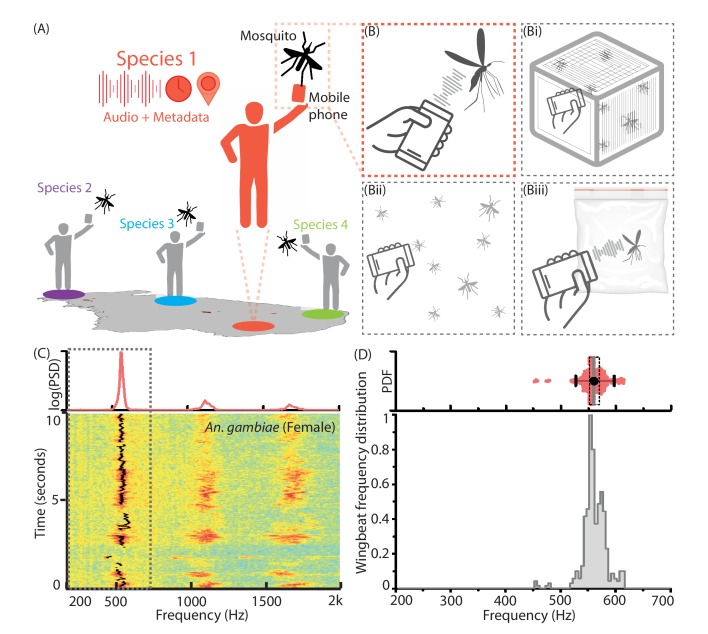
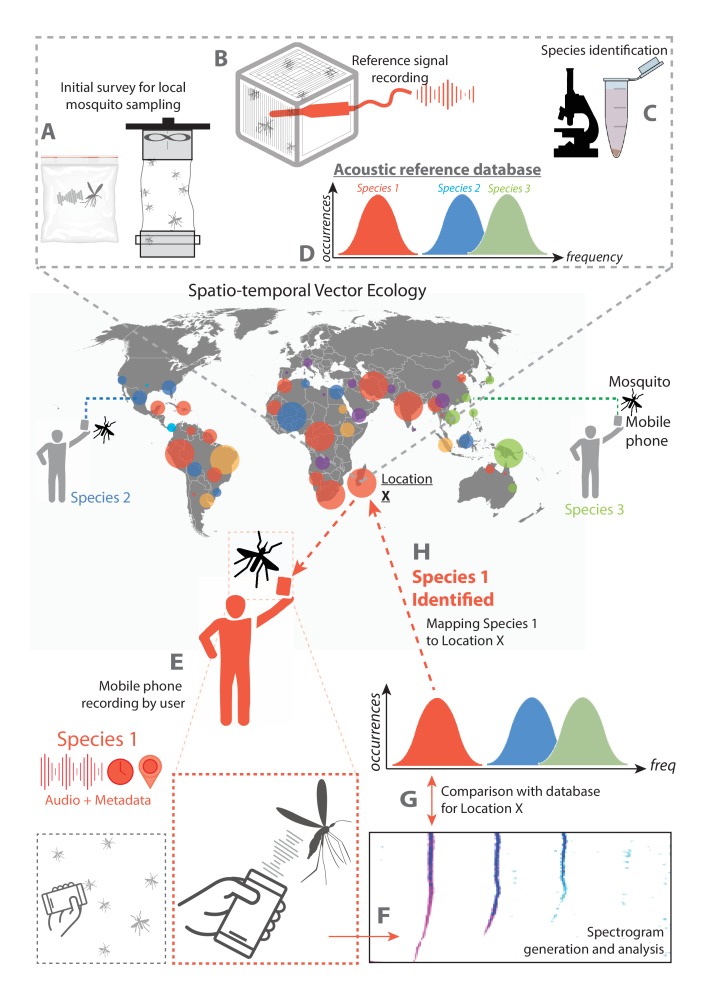
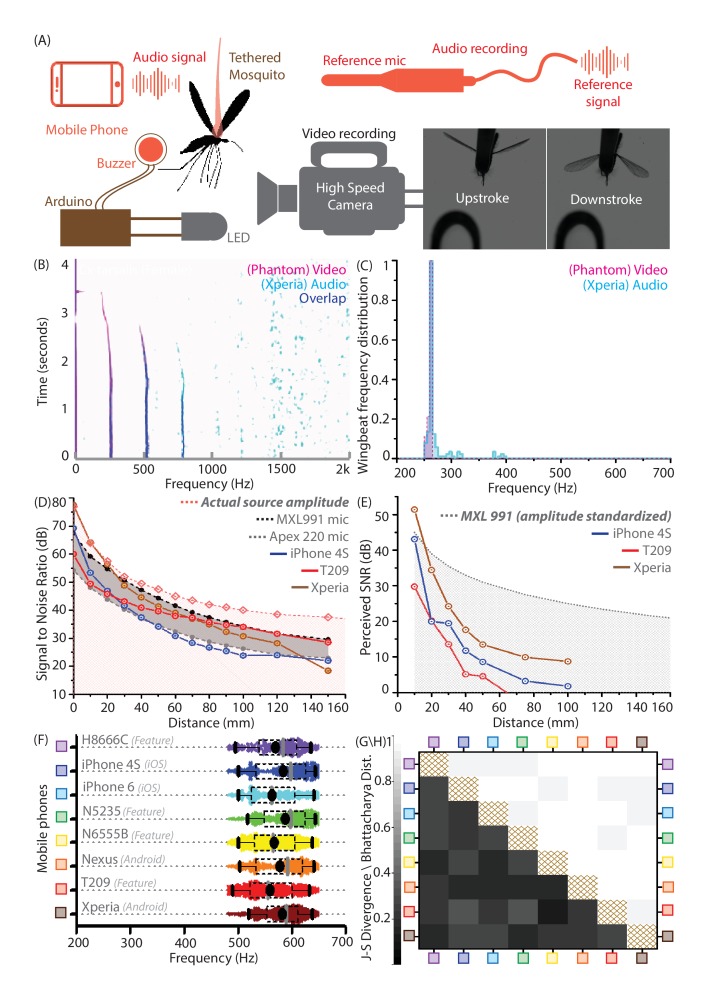
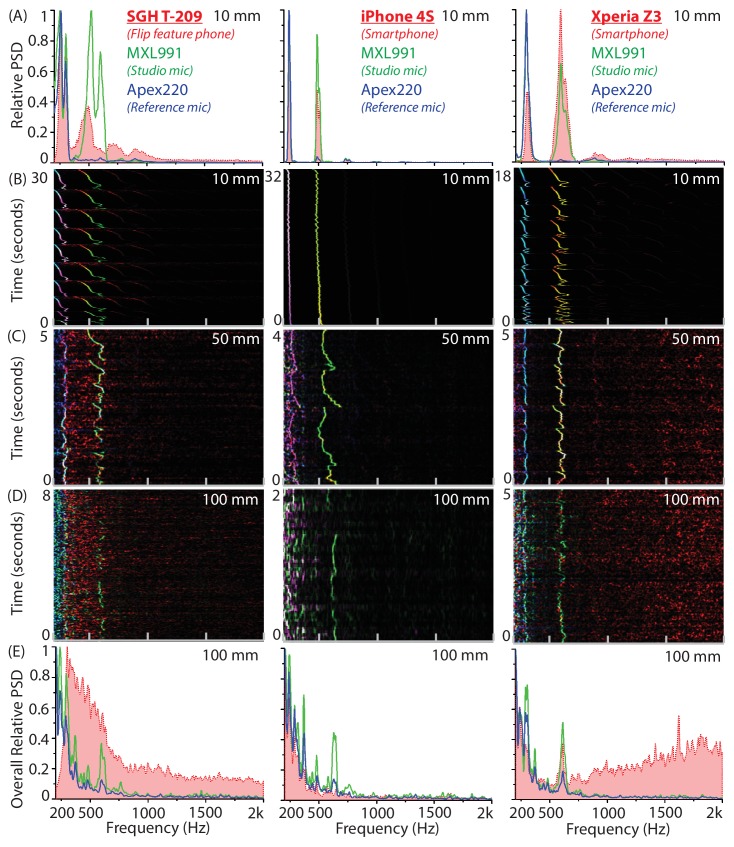
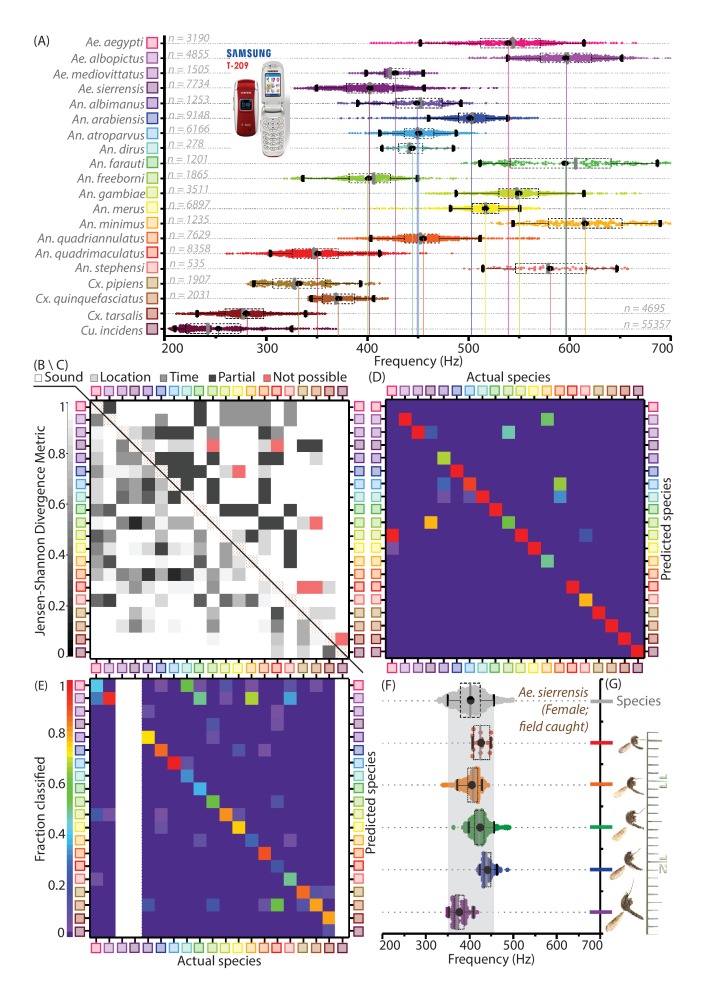
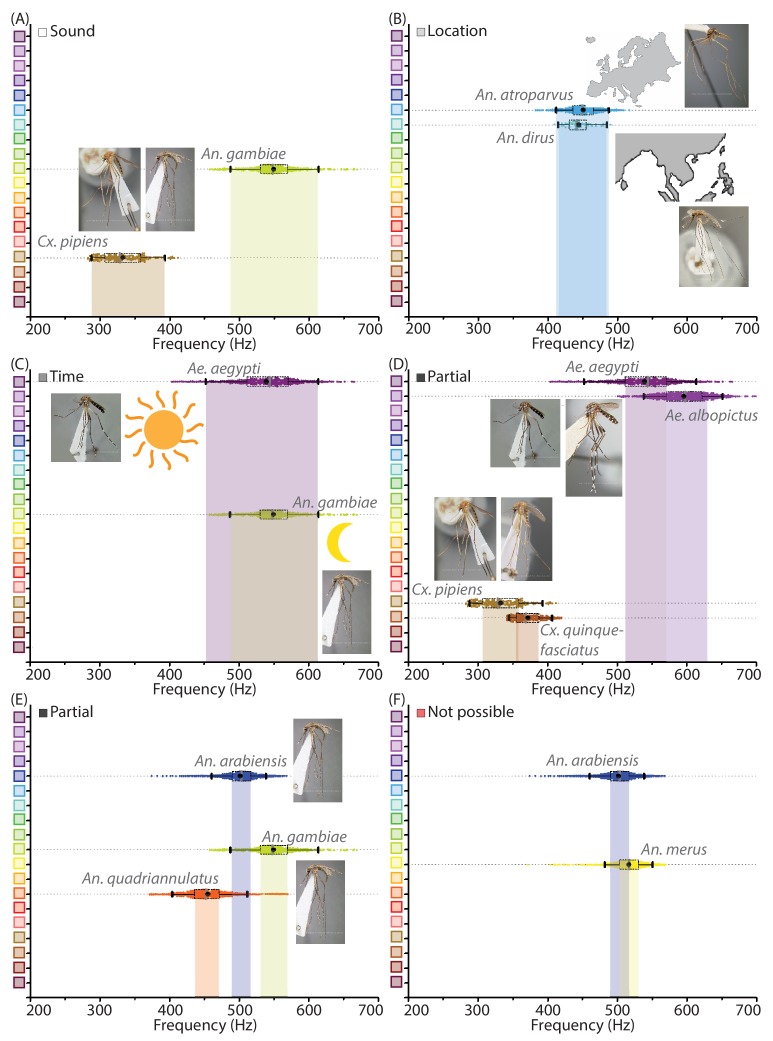
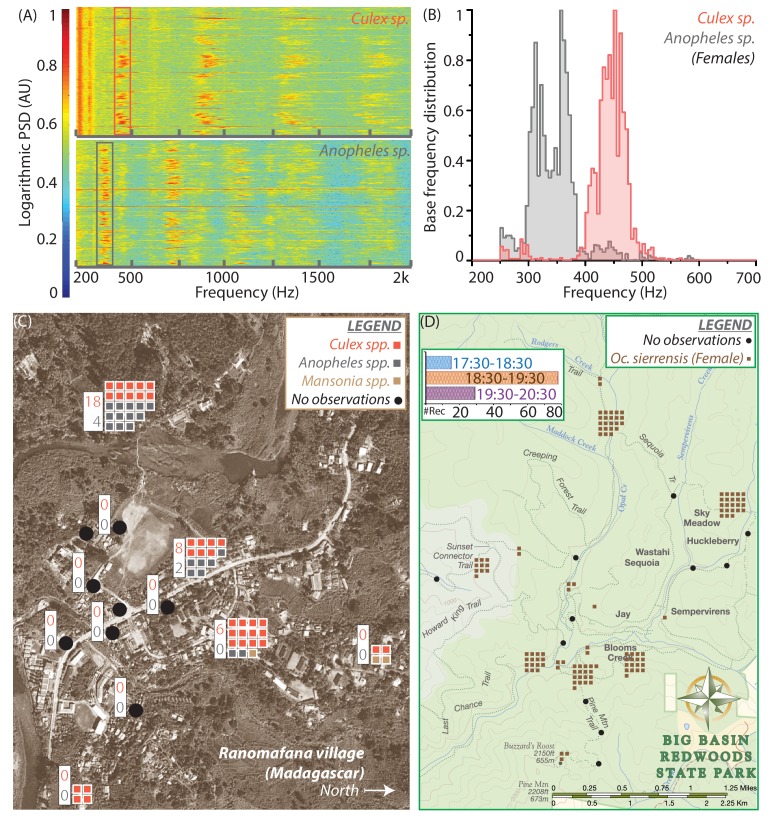
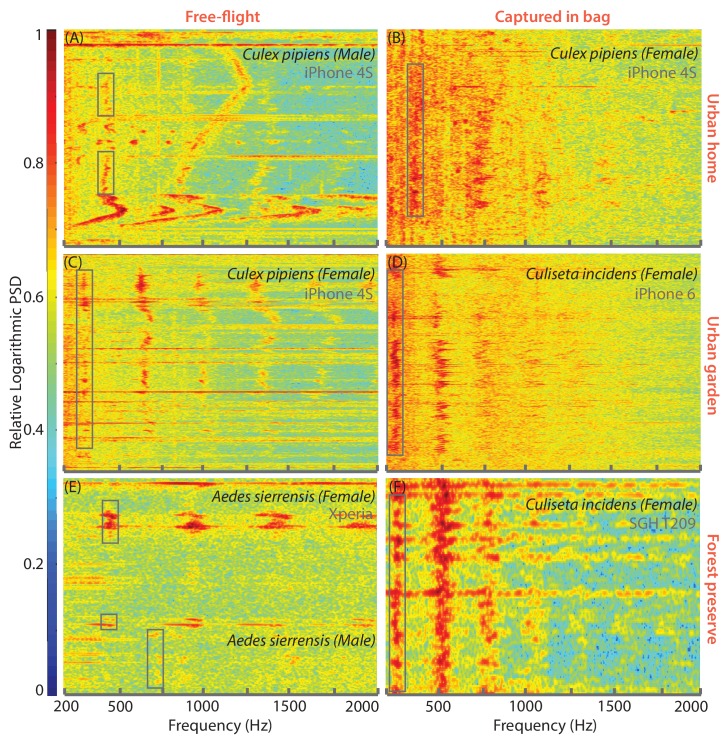
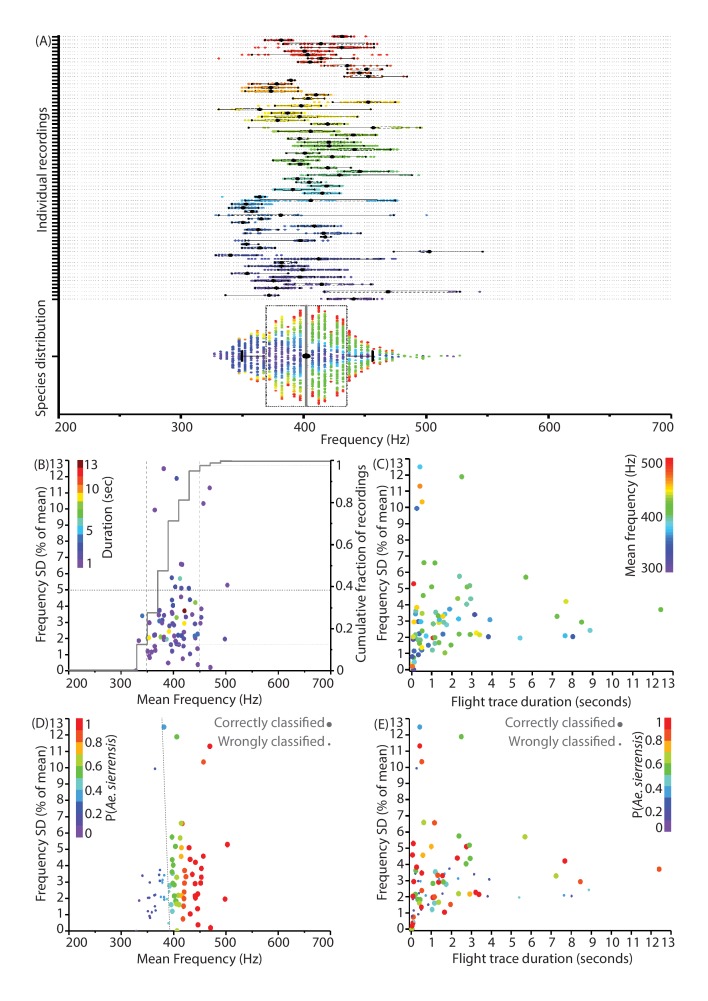
The direct monitoring of mosquito populations in field settings is a crucial input for shaping appropriate and timely control measures for mosquito-borne diseases. Here, we demonstrate that commercially available mobile phones are a powerful tool for acoustically mapping mosquito species distributions worldwide. We show that even low-cost mobile phones with very basic functionality are capable of sensitively acquiring acoustic data on species-specific mosquito wingbeat sounds, while simultaneously recording the time and location of the human-mosquito encounter. We survey a wide range of medically important mosquito species, to quantitatively demonstrate how acoustic recordings supported by spatio-temporal metadata enable rapid, non-invasive species identification. As proof-of-concept, we carry out field demonstrations where minimally-trained users map local mosquitoes using their personal phones. Thus, we establish a new paradigm for mosquito surveillance that takes advantage of the existing global mobile network infrastructure, to enable continuous and large-scale data acquisition in resource-constrained areas.
在野外环境中直接监测蚊虫种群,是制定针对蚊媒疾病的适当和及时控制措施的关键投入。在这里,我们证明了商用手机是在全球范围内声学绘制蚊种分布的有力工具。我们表明,即使是具有非常基本功能的低成本手机,也能够灵敏地获取关于特定物种蚊子振翅声音的声学数据,同时记录人与蚊子相遇的时间和地点。我们调查了广泛的具有医学重要性的蚊子物种,定量证明了声学记录如何在时空元数据的支持下,实现快速、非侵入性的物种识别。作为概念验证,我们进行了实地演示,让经过最少培训的用户使用他们的个人手机来绘制当地蚊子的分布图。因此,我们建立了一种新的蚊子监测范例,利用现有的全球移动网络基础设施,在资源有限的地区实现持续和大规模的数据采集。