Pacheco Natasha L, Heaven Michael R, Holt Leanne M, Crossman David K, Boggio Kristin J, Shaffer Scott A, Flint Daniel L, Olsen Michelle L
Department of Cell, Developmental, and Integrative Biology, University of Alabama at Birmingham, 1918 University Blvd, Birmingham, AL 35294 USA.
Vulcan Analytical, LLC, 1500 1st Ave. North, Birmingham, AL 35203 USA.
Mol Autism. 2017 Oct 24;8:56. doi: 10.1186/s13229-017-0174-4. eCollection 2017.
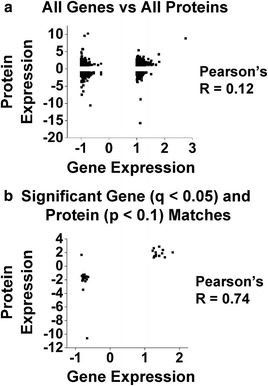
Rett syndrome (RTT) is an X-linked neurodevelopmental disorder caused by mutations in the transcriptional regulator MeCP2. Much of our understanding of MeCP2 function is derived from transcriptomic studies with the general assumption that alterations in the transcriptome correlate with proteomic changes. Advances in mass spectrometry-based proteomics have facilitated recent interest in the examination of global protein expression to better understand the biology between transcriptional and translational regulation.
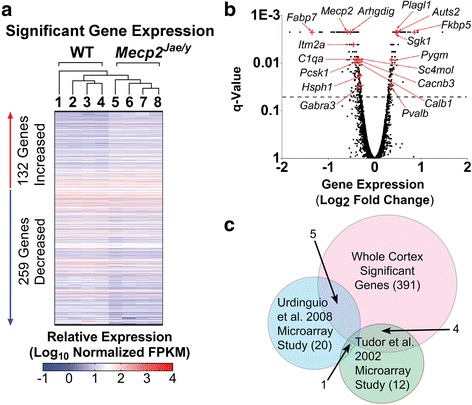
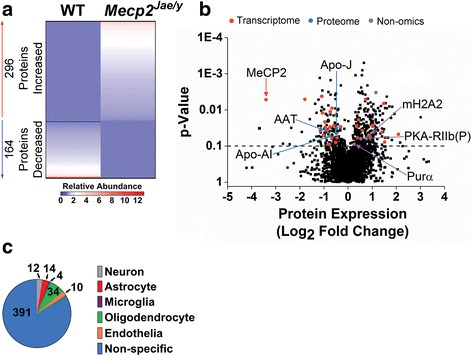
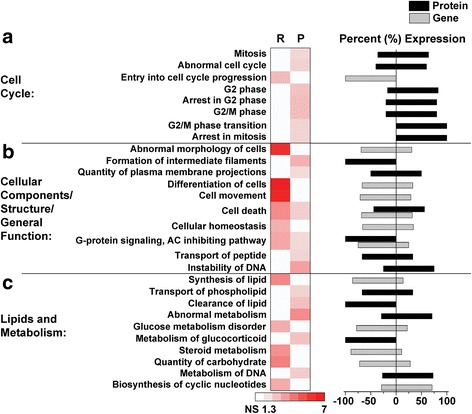
We therefore performed the first comprehensive transcriptome-proteome comparison in a RTT mouse model to elucidate RTT pathophysiology, identify potential therapeutic targets, and further our understanding of MeCP2 function. The whole cortex of wild-type and symptomatic RTT male littermates ( = 4 per genotype) were analyzed using RNA-sequencing and data-independent acquisition liquid chromatography tandem mass spectrometry. Ingenuity® Pathway Analysis was used to identify significantly affected pathways in the transcriptomic and proteomic data sets.
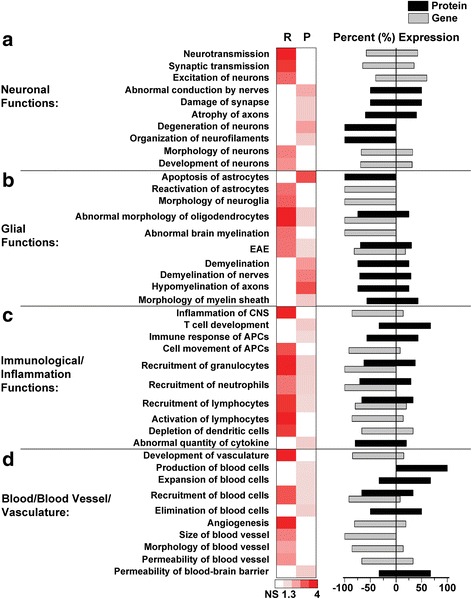
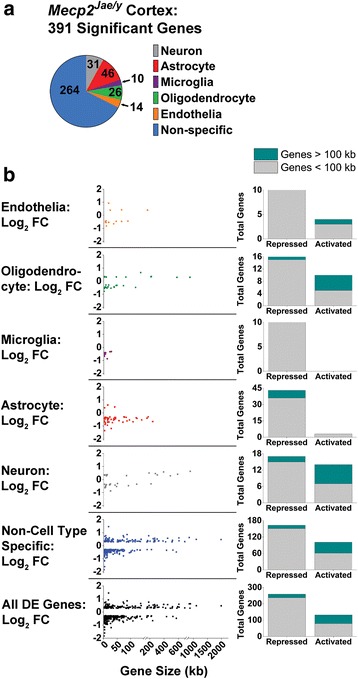
Our results indicate these two "omics" data sets supplement one another. In addition to confirming previous works regarding mRNA expression in -deficient animals, the current study identified hundreds of novel protein targets. Several selected protein targets were validated by Western blot analysis. These data indicate RNA metabolism, proteostasis, monoamine metabolism, and cholesterol synthesis are disrupted in the RTT proteome. Hits common to both data sets indicate disrupted cellular metabolism, calcium signaling, protein stability, DNA binding, and cytoskeletal cell structure. Finally, in addition to confirming disrupted pathways and identifying novel hits in neuronal structure and synaptic transmission, our data indicate aberrant myelination, inflammation, and vascular disruption. Intriguingly, there is no evidence of reactive gliosis, but instead, gene, protein, and pathway analysis suggest astrocytic maturation and morphological deficits.
This comparative omics analysis supports previous works indicating widespread CNS dysfunction and may serve as a valuable resource for those interested in cellular dysfunction in RTT.
雷特综合征(RTT)是一种由转录调节因子MeCP2突变引起的X连锁神经发育障碍。我们对MeCP2功能的许多理解都来自转录组学研究,一般假设转录组的改变与蛋白质组的变化相关。基于质谱的蛋白质组学进展促进了近期对全球蛋白质表达检查的兴趣,以更好地理解转录和翻译调控之间的生物学关系。
因此,我们在一个RTT小鼠模型中进行了首次全面的转录组-蛋白质组比较,以阐明RTT的病理生理学,确定潜在的治疗靶点,并进一步了解MeCP2的功能。使用RNA测序和数据非依赖采集液相色谱串联质谱对野生型和有症状的RTT雄性同窝小鼠(每个基因型4只)的整个皮质进行分析。使用Ingenuity®通路分析来识别转录组和蛋白质组数据集中受显著影响的通路。
我们的结果表明这两个“组学”数据集相互补充。除了证实先前关于MeCP2缺陷动物中mRNA表达的研究外,本研究还鉴定了数百个新的蛋白质靶点。通过蛋白质印迹分析验证了几个选定的蛋白质靶点。这些数据表明RTT蛋白质组中的RNA代谢、蛋白质稳态、单胺代谢和胆固醇合成受到破坏。两个数据集共有的命中结果表明细胞代谢、钙信号传导、蛋白质稳定性、DNA结合和细胞骨架细胞结构受到破坏。最后,除了证实受破坏的通路并在神经元结构和突触传递中识别新的命中结果外,我们的数据还表明有异常的髓鞘形成、炎症和血管破坏。有趣的是,没有反应性胶质增生的证据,相反,基因、蛋白质和通路分析表明星形胶质细胞成熟和形态缺陷。
这种比较组学分析支持先前表明广泛的中枢神经系统功能障碍的研究,并且可能为那些对RTT中的细胞功能障碍感兴趣的人提供有价值的资源。