Bull Alan T, Idris Hamidah, Sanderson Roy, Asenjo Juan, Andrews Barbara, Goodfellow Michael
School of Biosciences, University of Kent, Canterbury, Kent, CT2 7NJ, UK.
School of Biology, Ridley Building, Newcastle University, Newcastle upon Tyne, NE1 7RU, UK.
Extremophiles. 2018 Jan;22(1):47-57. doi: 10.1007/s00792-017-0976-5. Epub 2017 Nov 3.
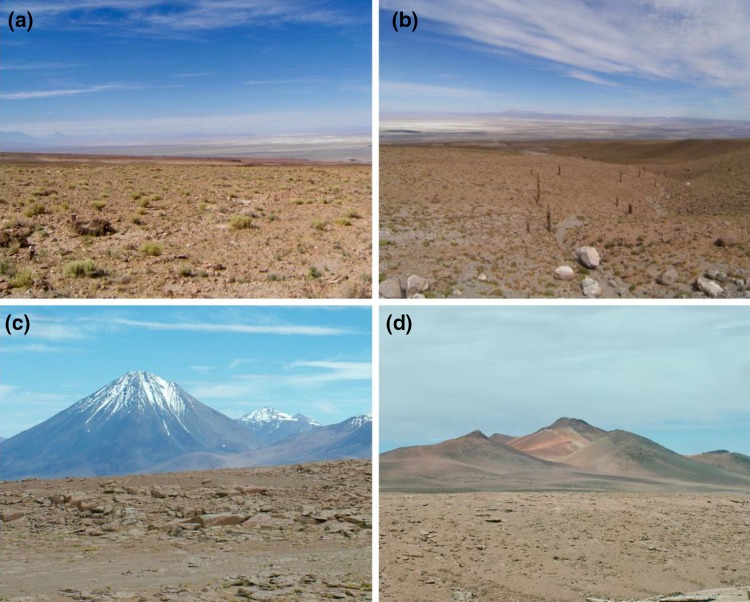
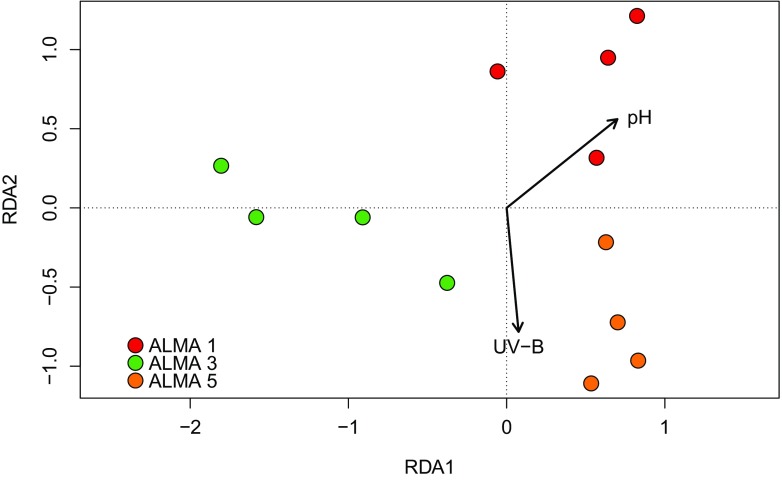
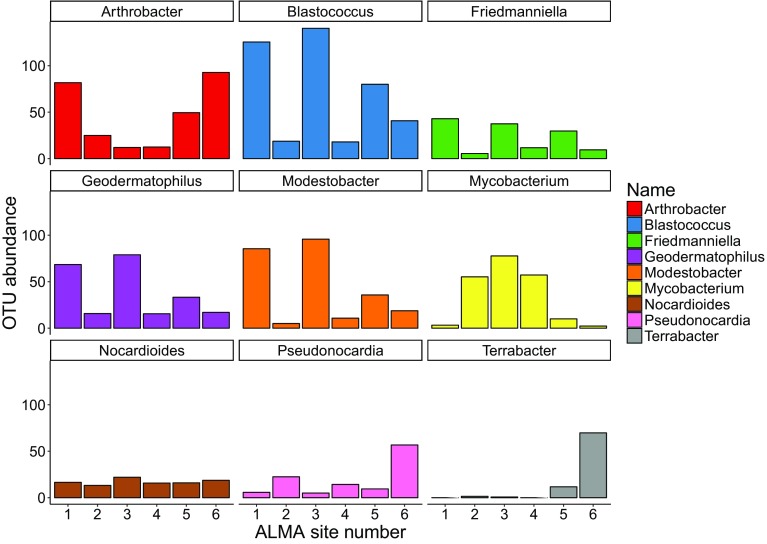
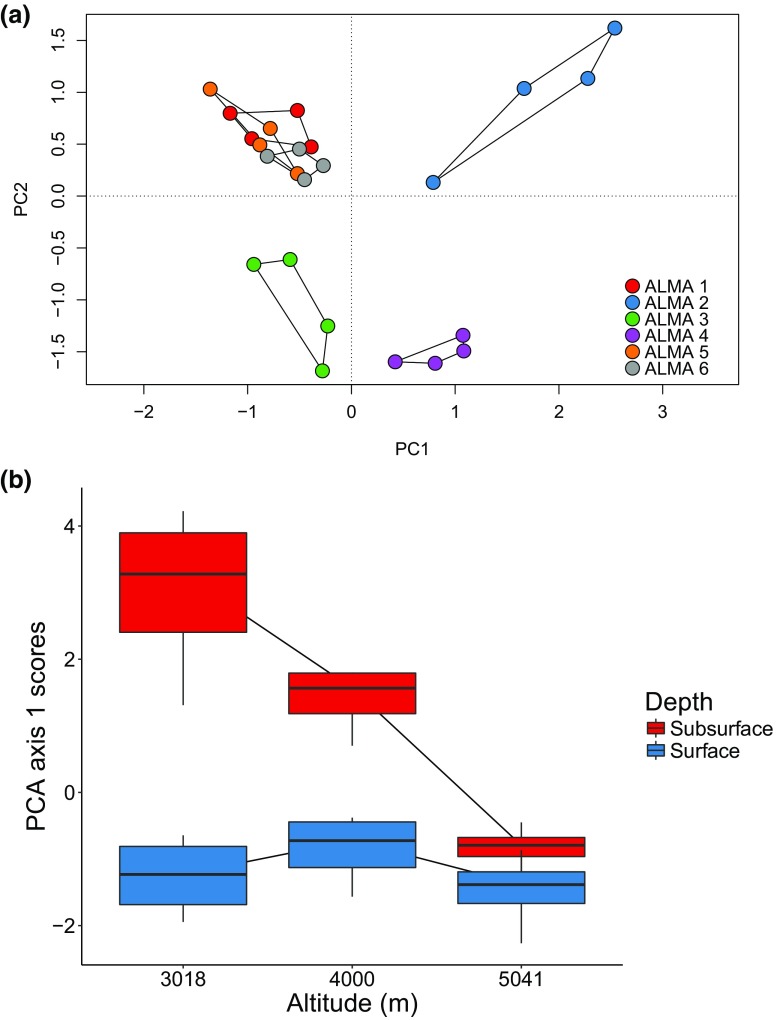
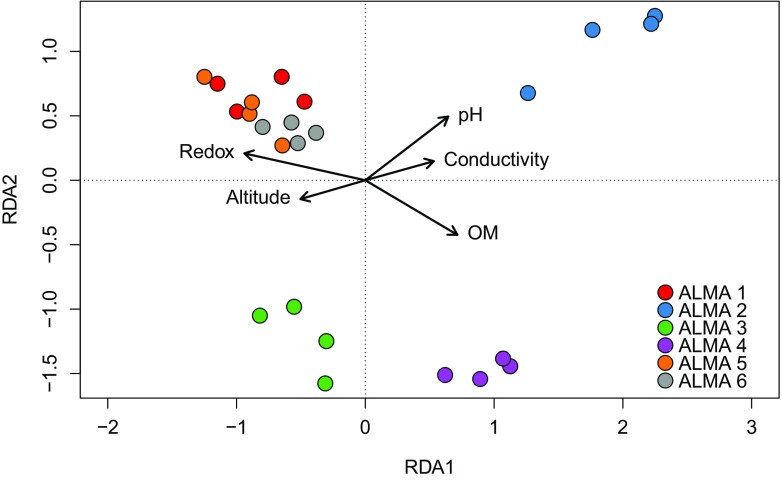
The data reported in this paper are among the first relating to the microbiology of hyper-arid, very high altitude deserts and they provide base line information on the structure of actinobacterial communities. The high mountain Cerro Chajnantor landscape of the Central Andes in northern Chile is exposed to the world's most intense levels of solar radiation and its impoverished soils are severely desiccated. The purpose of this research was to define the actinobacterial community structures in soils at altitudes ranging from 3000 to 5000 m above sea level. Pyrosequencing surveys have revealed an extraordinary degree of microbial dark matter at these elevations that includes novel candidate actinobacterial classes, orders and families. Ultraviolet-B irradiance and a range of edaphic factors were found to be highly significant in determining community compositions at family and genus levels of diversity.
本文所报告的数据是首批与超干旱、极高海拔沙漠微生物学相关的数据,它们提供了放线菌群落结构的基线信息。智利北部安第斯山脉中部的高山塞罗查尼亚托景观,面临着世界上最强的太阳辐射,其贫瘠的土壤严重干燥。本研究的目的是确定海拔3000至5000米土壤中的放线菌群落结构。焦磷酸测序调查揭示了这些海拔高度存在异常程度的微生物暗物质,其中包括新的候选放线菌类、目和科。发现紫外线B辐照度和一系列土壤因子在决定多样性的科和属水平上的群落组成方面具有高度显著性。