Department of Genetics and Genomic Sciences, Icahn School of Medicine at Mount Sinai, One Gustave L. Levy Place, 1470 Madison Avenue, Room S8-111, New York, NY, 10029, USA.
Icahn Institute of Genomics and Multiscale Biology, Icahn School of Medicine at Mount Sinai, One Gustave L. Levy Place, New York, NY, 10029, USA.
Mol Neurodegener. 2017 Nov 6;12(1):82. doi: 10.1186/s13024-017-0219-3.
Oligodendrocytes (OLs) and myelin are critical for normal brain function and have been implicated in neurodegeneration. Several lines of evidence including neuroimaging and neuropathological data suggest that Alzheimer's disease (AD) may be associated with dysmyelination and a breakdown of OL-axon communication.
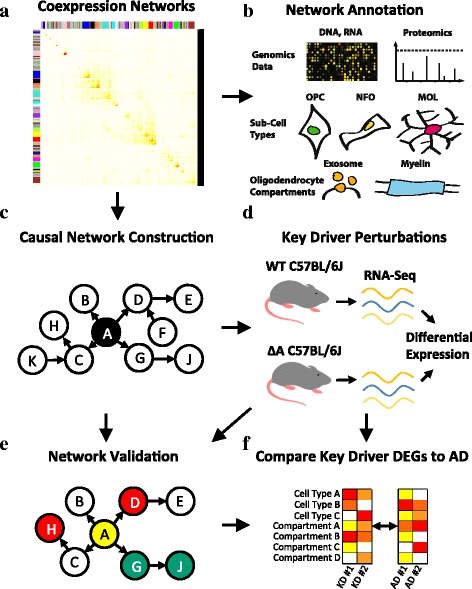
In order to understand this phenomenon on a molecular level, we systematically interrogated OL-enriched gene networks constructed from large-scale genomic, transcriptomic and proteomic data obtained from human AD postmortem brain samples. We then validated these networks using gene expression datasets generated from mice with ablation of major gene expression nodes identified in our AD-dysregulated networks.
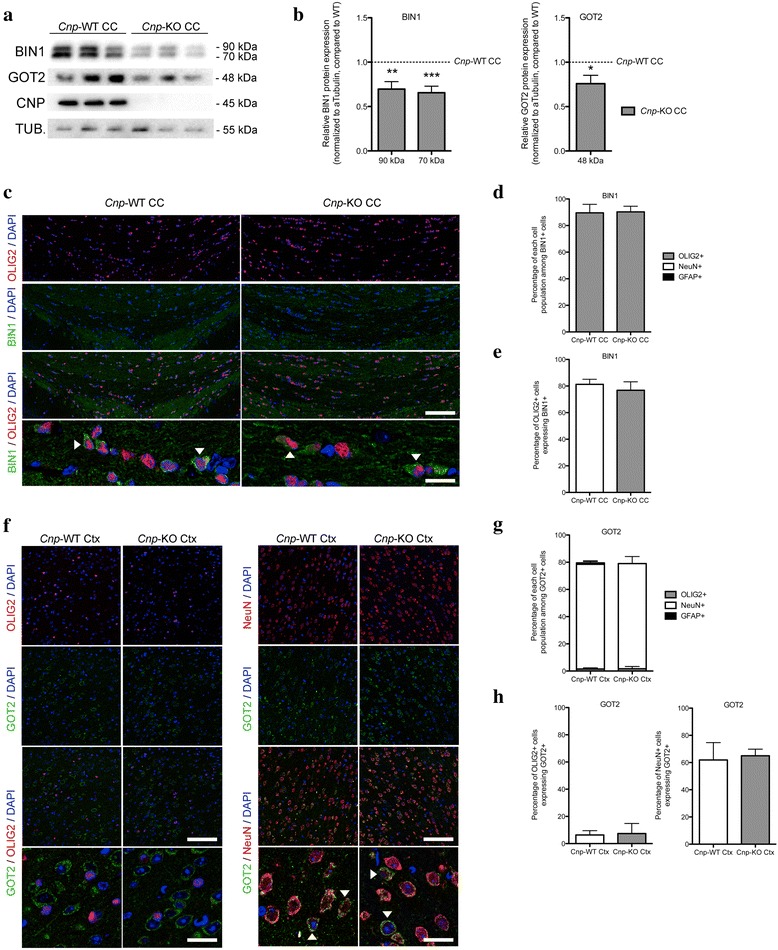
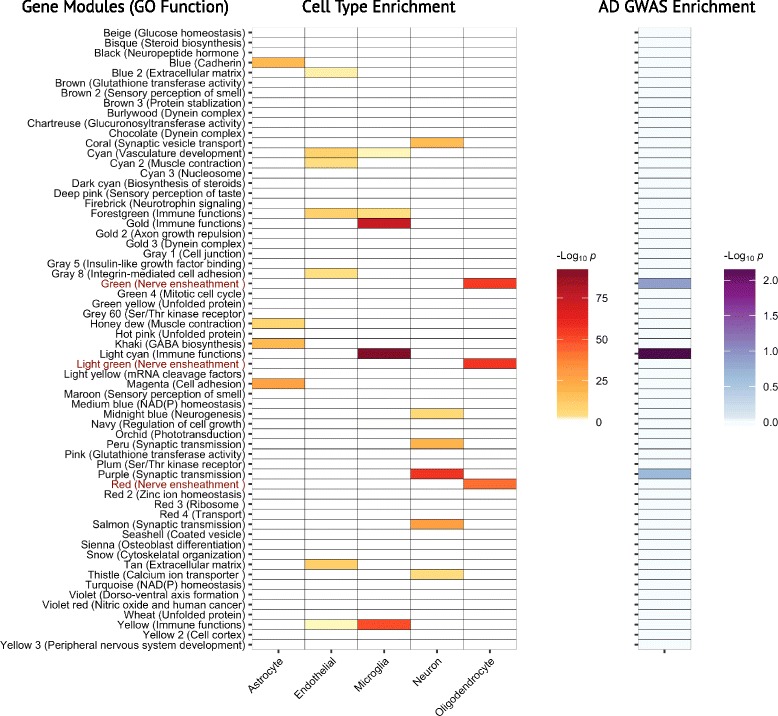
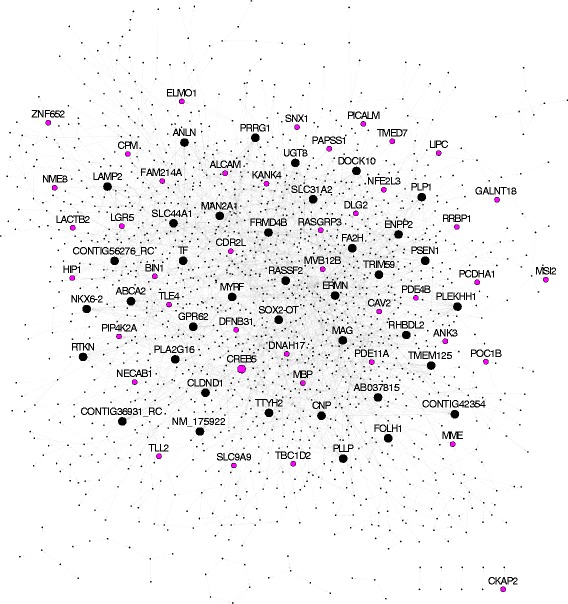
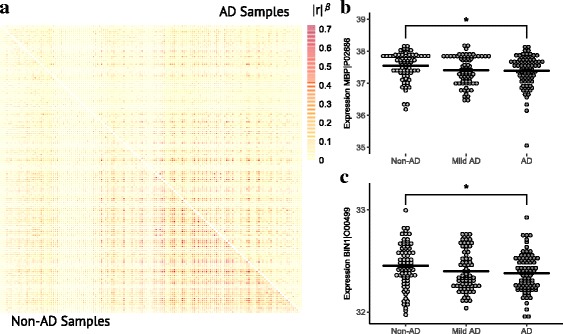
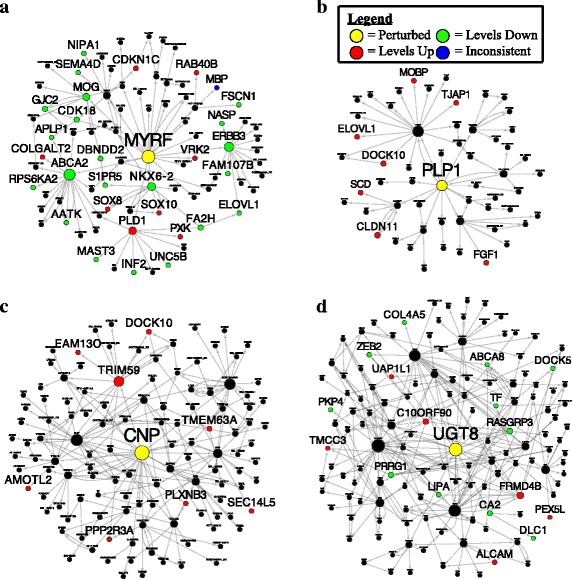
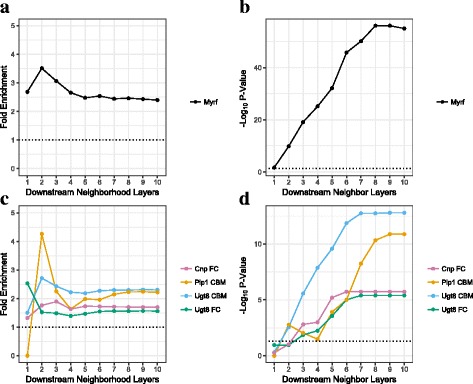
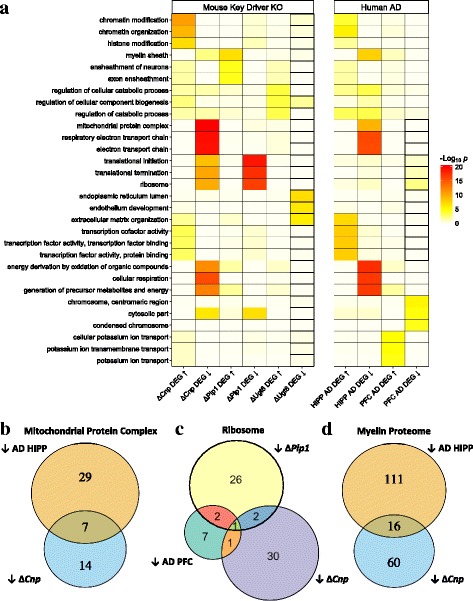
The robust OL gene coexpression networks that we identified were highly enriched for genes associated with AD risk variants, such as BIN1 and demonstrated strong dysregulation in AD. We further corroborated the structure of the corresponding gene causal networks using datasets generated from the brain of mice with ablation of key network drivers, such as UGT8, CNP and PLP1, which were identified from human AD brain data. Further, we found that mice with genetic ablations of Cnp mimicked aspects of myelin and mitochondrial gene expression dysregulation seen in brain samples from patients with AD, including decreased protein expression of BIN1 and GOT2.
This study provides a molecular blueprint of the dysregulation of gene expression networks of OL in AD and identifies key OL- and myelination-related genes and networks that are highly associated with AD.
少突胶质细胞(OLs)和髓鞘对于正常的大脑功能至关重要,并与神经退行性变有关。包括神经影像学和神经病理学数据在内的几条证据表明,阿尔茨海默病(AD)可能与脱髓鞘和 OL-轴突通讯中断有关。
为了在分子水平上理解这一现象,我们系统地研究了从人类 AD 尸检脑组织样本中获得的大规模基因组、转录组和蛋白质组数据构建的 OL 富集基因网络。然后,我们使用从我们的 AD 失调网络中鉴定的主要基因表达节点缺失的小鼠生成的基因表达数据集来验证这些网络。
我们确定的稳健的 OL 基因共表达网络高度富集与 AD 风险变异相关的基因,例如 BIN1,并在 AD 中表现出强烈的失调。我们使用从人类 AD 大脑数据中鉴定的关键网络驱动因素(如 UGT8、CNP 和 PLP1)缺失的小鼠的数据集进一步证实了相应基因因果网络的结构。此外,我们发现 Cnp 基因缺失的小鼠模拟了 AD 患者大脑样本中观察到的髓鞘和线粒体基因表达失调的某些方面,包括 BIN1 和 GOT2 蛋白表达降低。
这项研究提供了 AD 中 OL 基因表达网络失调的分子蓝图,并确定了与 AD 高度相关的关键 OL 和髓鞘形成相关基因和网络。