
HIV-1 整合酶-LDGF 别构抑制剂 MUT-A:耐药谱、病毒成熟和感染性受损,但不影响 RNA 包装或病毒免疫原性。
The HIV-1 integrase-LEDGF allosteric inhibitor MUT-A: resistance profile, impairment of virus maturation and infectivity but without influence on RNA packaging or virus immunoreactivity.
机构信息
Biodim Mutabilis, 93230, Romainville, France.
INSERM, U1016, Institut Cochin, Paris, France.
出版信息
Retrovirology. 2017 Nov 9;14(1):50. doi: 10.1186/s12977-017-0373-2.
BACKGROUND
HIV-1 Integrase (IN) interacts with the cellular co-factor LEDGF/p75 and tethers the HIV preintegration complex to the host genome enabling integration. Recently a new class of IN inhibitors was described, the IN-LEDGF allosteric inhibitors (INLAIs). Designed to interfere with the IN-LEDGF interaction during integration, the major impact of these inhibitors was surprisingly found on virus maturation, causing a reverse transcription defect in target cells.
RESULTS
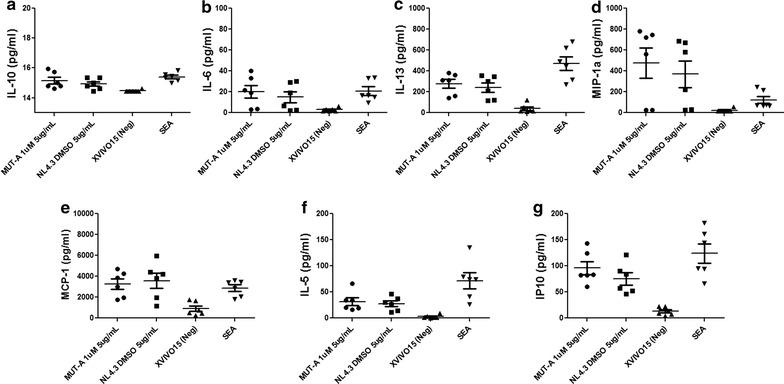
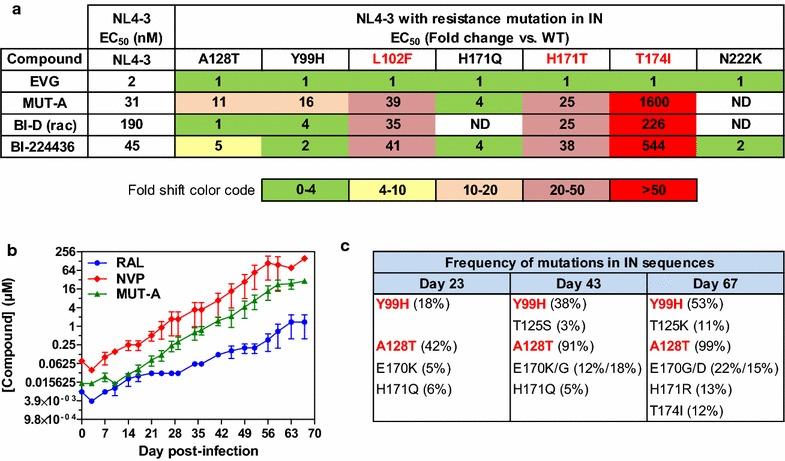
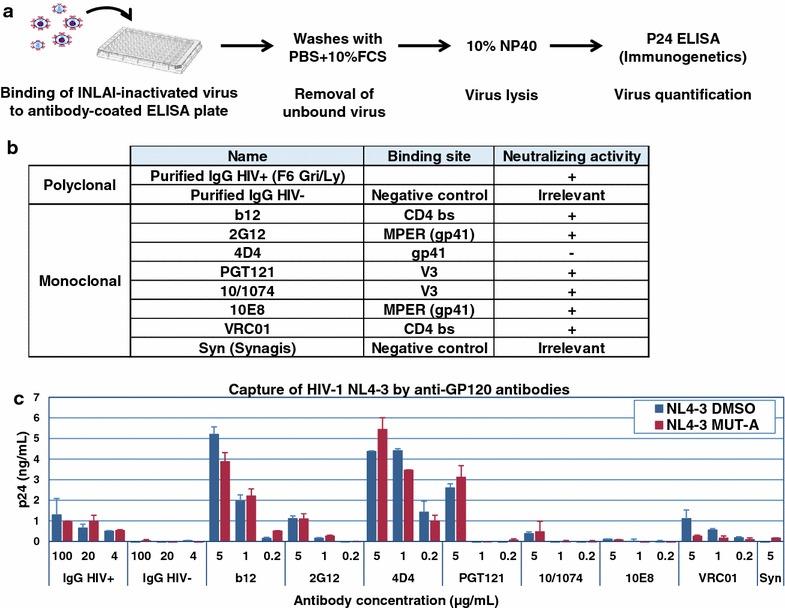
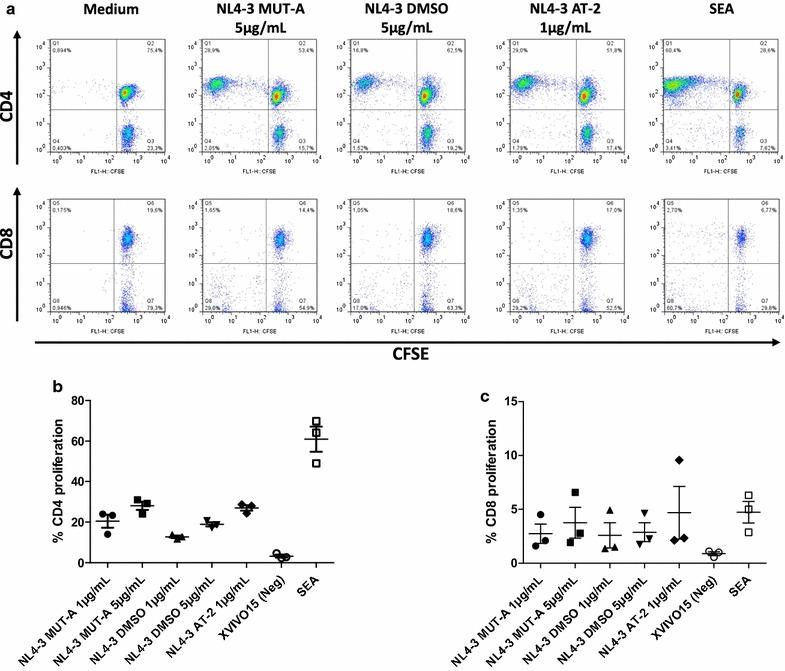
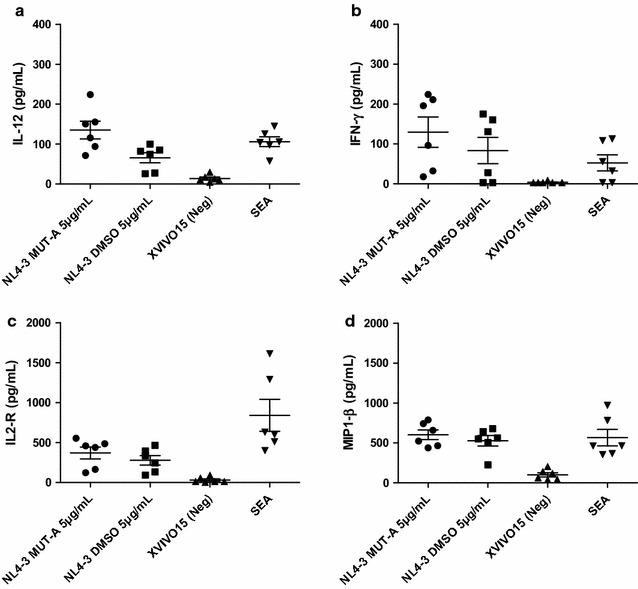
Here we describe the MUT-A compound as a genuine INLAI with an original chemical structure based on a new type of scaffold, a thiophene ring. MUT-A has all characteristics of INLAI compounds such as inhibition of IN-LEDGF/p75 interaction, IN multimerization, dual antiretroviral (ARV) activities, normal packaging of genomic viral RNA and complete Gag protein maturation. MUT-A has more potent ARV activity compared to other INLAIs previously reported, but similar profile of resistance mutations and absence of ARV activity on SIV. HIV-1 virions produced in the presence of MUT-A were non-infectious with the formation of eccentric condensates outside of the core. In studying the immunoreactivity of these non-infectious virions, we found that inactivated HIV-1 particles were captured by anti-HIV-specific neutralizing and non-neutralizing antibodies (b12, 2G12, PGT121, 4D4, 10-1074, 10E8, VRC01) with efficiencies comparable to non-treated virus. Autologous CD4 T lymphocyte proliferation and cytokine induction by monocyte-derived dendritic cells (MDDC) pulsed either with MUT-A-inactivated HIV or non-treated HIV were also comparable.
CONCLUSIONS
Although strongly defective in infectivity, HIV-1 virions produced in the presence of the MUT-A INLAI have a normal protein and genomic RNA content as well as B and T cell immunoreactivities comparable to non-treated HIV-1. These inactivated viruses might form an attractive new approach in vaccine research in an attempt to study if this new type of immunogen could elicit an immune response against HIV-1 in animal models.
背景
HIV-1 整合酶(IN)与细胞共因子 LEDGF/p75 相互作用,并将 HIV 前整合复合物固定在宿主基因组上,从而实现整合。最近,一类新的 IN 抑制剂,即 IN-LEDGF 别构抑制剂(INLAIs)被描述出来。这些抑制剂旨在整合过程中干扰 IN-LEDGF 相互作用,但其主要影响出人意料地出现在病毒成熟过程中,导致靶细胞中的逆转录缺陷。
结果
在这里,我们将 MUT-A 化合物描述为一种真正的 INLAI,其具有基于新型支架(噻吩环)的原始化学结构。MUT-A 具有 INLAI 化合物的所有特征,如抑制 IN-LEDGF/p75 相互作用、IN 多聚化、双重抗逆转录病毒(ARV)活性、基因组病毒 RNA 的正常包装以及完整的 Gag 蛋白成熟。与之前报道的其他 INLAIs 相比,MUT-A 具有更强的 ARV 活性,但对 SIV 的耐药突变谱和 ARV 活性相似。在 MUT-A 的存在下产生的 HIV-1 病毒粒子无感染性,核心外形成偏心凝聚物。在研究这些无感染性病毒粒子的免疫反应性时,我们发现失活的 HIV-1 颗粒被抗 HIV 特异性中和和非中和抗体(b12、2G12、PGT121、4D4、10-1074、10E8、VRC01)捕获,效率与未处理的病毒相当。用 MUT-A 失活的 HIV 或未经处理的 HIV 冲击的单核细胞衍生树突状细胞(MDDC)刺激的同源 CD4 T 淋巴细胞增殖和细胞因子诱导也相当。
结论
尽管感染性严重缺陷,但在 MUT-A INLAI 的存在下产生的 HIV-1 病毒粒子具有正常的蛋白和基因组 RNA 含量以及 B 和 T 细胞免疫反应性,与未经处理的 HIV-1 相当。这些失活病毒可能形成一种有吸引力的新方法,用于疫苗研究,试图研究这种新型免疫原是否能在动物模型中引发针对 HIV-1 的免疫反应。



 Zotero 插件