College of Life and Health Sciences, Northeastern University, No.195, Chuangxin Road, Hunnan District, Shenyang 110169, China.
China Medical University-The Queen's University of Belfast Joint College, No.77 Puhe Road, Shenyang North New Area, Shenyang 110122, China.
Redox Biol. 2018 Apr;14:535-548. doi: 10.1016/j.redox.2017.11.001. Epub 2017 Nov 7.
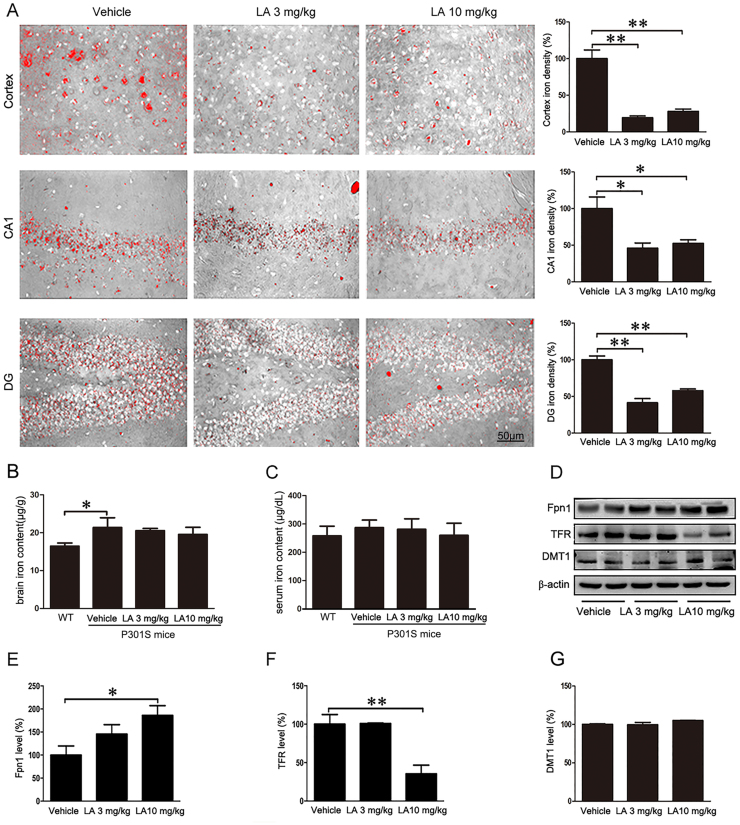
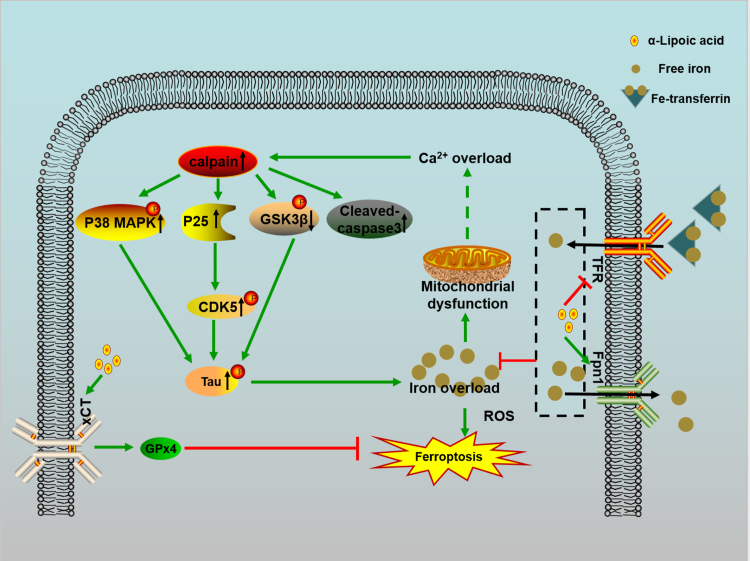
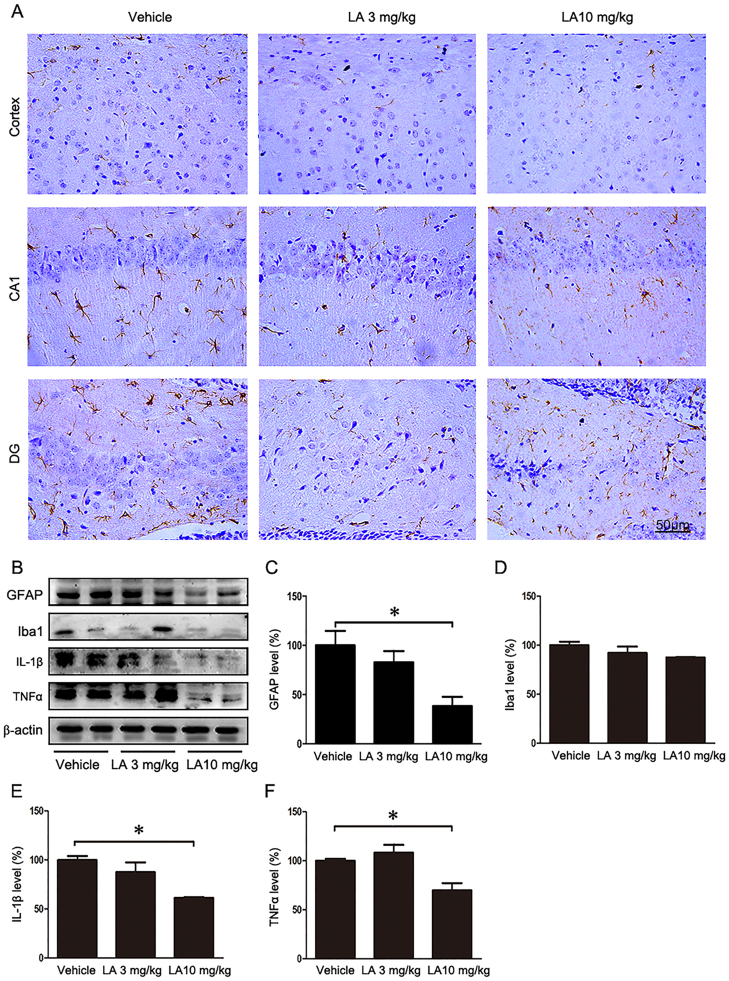
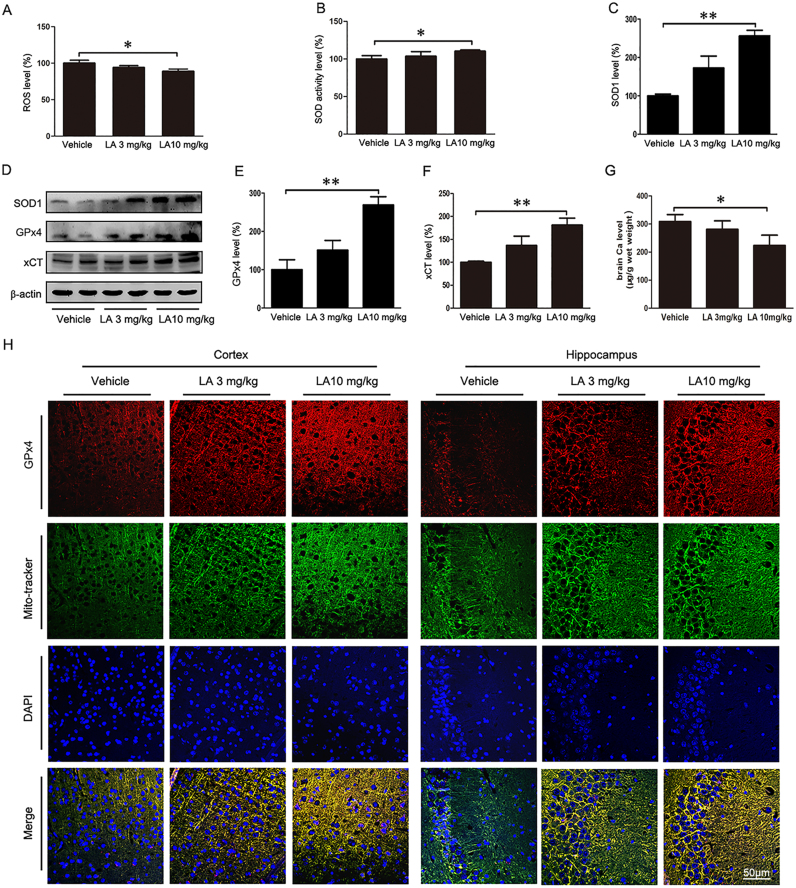
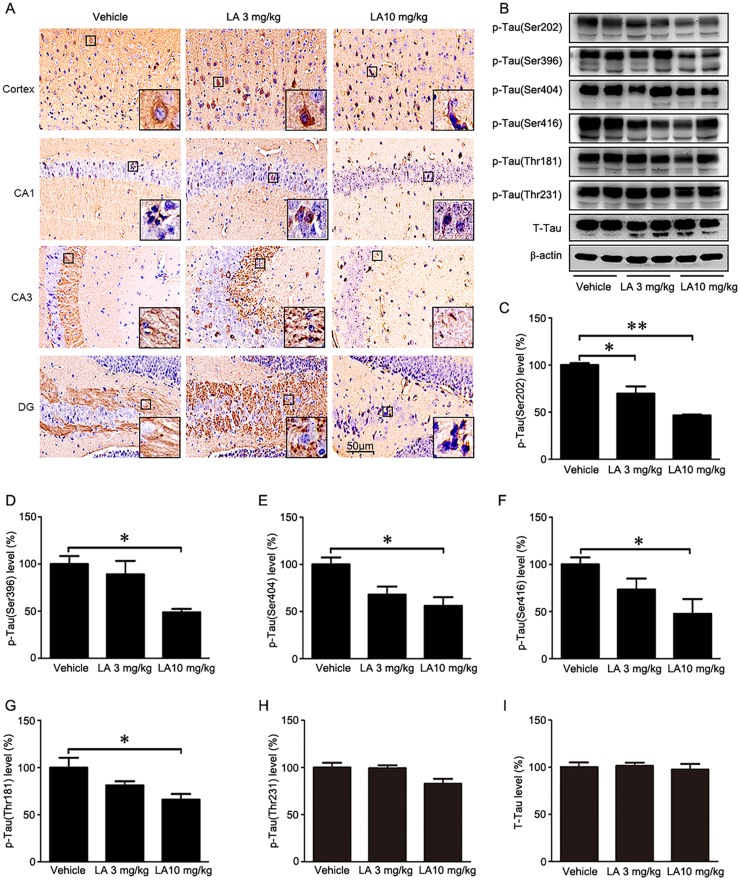
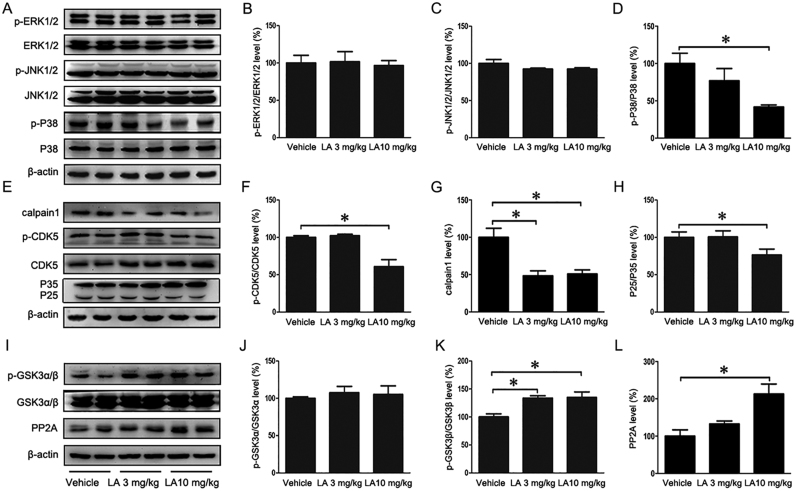
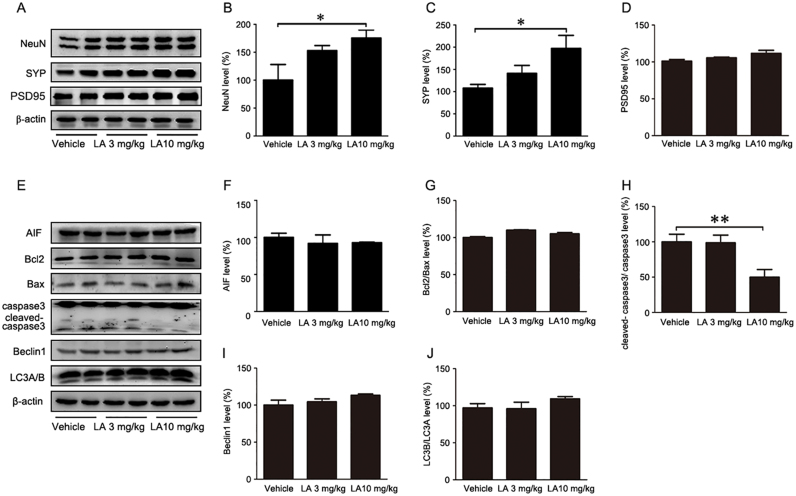
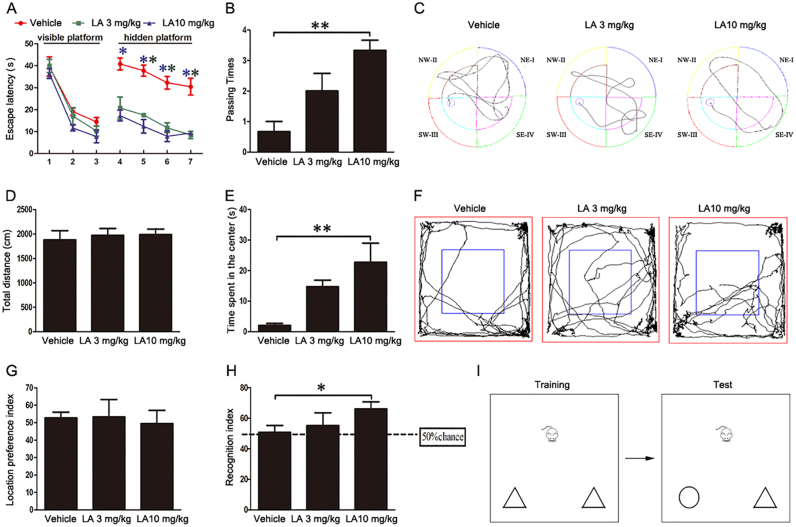
Alzheimer's disease (AD) is the most common neurodegenerative disease and is characterized by neurofibrillary tangles (NFTs) composed of Tau protein. α-Lipoic acid (LA) has been found to stabilize the cognitive function of AD patients, and animal study findings have confirmed its anti-amyloidogenic properties. However, the underlying mechanisms remain unclear, especially with respect to the ability of LA to control Tau pathology and neuronal damage. Here, we found that LA supplementation effectively inhibited the hyperphosphorylation of Tau at several AD-related sites, accompanied by reduced cognitive decline in P301S Tau transgenic mice. Furthermore, we found that LA not only inhibited the activity of calpain1, which has been associated with tauopathy development and neurodegeneration via modulating the activity of several kinases, but also significantly decreased the calcium content of brain tissue in LA-treated mice. Next, we screened for various modes of neural cell death in the brain tissue of LA-treated mice. We found that caspase-dependent apoptosis was potently inhibited, whereas autophagy did not show significant changes after LA supplementation. Interestingly, Tau-induced iron overload, lipid peroxidation, and inflammation, which are involved in ferroptosis, were significantly blocked by LA administration. These results provide compelling evidence that LA plays a role in inhibiting Tau hyperphosphorylation and neuronal loss, including ferroptosis, through several pathways, suggesting that LA may be a potential therapy for tauopathies.
阿尔茨海默病(AD)是最常见的神经退行性疾病,其特征是由 Tau 蛋白组成的神经原纤维缠结(NFTs)。α-硫辛酸(LA)已被发现可稳定 AD 患者的认知功能,动物研究结果也证实了其抗淀粉样变性的特性。然而,其潜在机制仍不清楚,特别是 LA 控制 Tau 病理学和神经元损伤的能力。在这里,我们发现 LA 补充剂可有效抑制 AD 相关部位 Tau 的过度磷酸化,同时减少 P301S Tau 转基因小鼠的认知能力下降。此外,我们发现 LA 不仅抑制了钙蛋白酶 1 的活性,钙蛋白酶 1 可通过调节几种激酶的活性来参与 Tau 病的发展和神经退行性变,而且还显著降低了 LA 处理小鼠脑组织中的钙含量。接下来,我们在 LA 处理小鼠的脑组织中筛选各种神经细胞死亡模式。我们发现,半胱天冬酶依赖性细胞凋亡被强烈抑制,而自噬在 LA 补充后没有明显变化。有趣的是,LA 给药可显著阻断 Tau 诱导的铁过载、脂质过氧化和炎症(涉及铁死亡)。这些结果提供了有力的证据,表明 LA 通过多种途径在抑制 Tau 过度磷酸化和神经元丢失(包括铁死亡)中发挥作用,提示 LA 可能是治疗 Tau 病的一种潜在疗法。