Maurer Sarah
Department of Chemistry and Biochemistry, Central Connecticut State University, 1615 Stanley St., New Britain, CT 06050, USA.
Life (Basel). 2017 Nov 14;7(4):44. doi: 10.3390/life7040044.
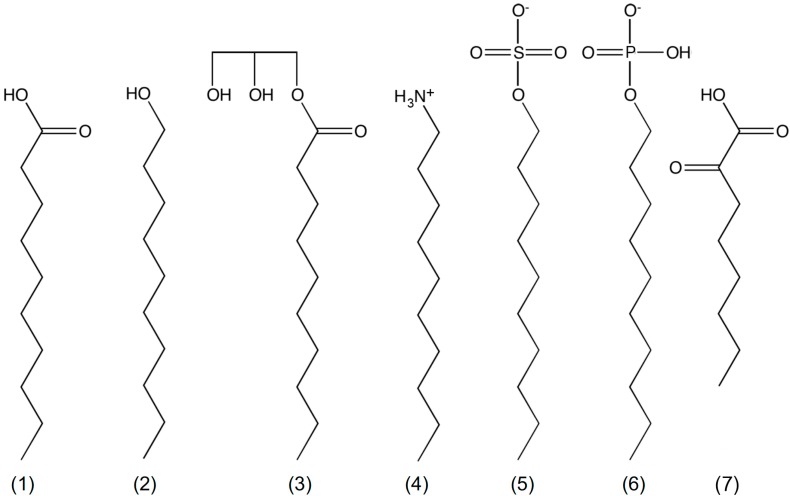
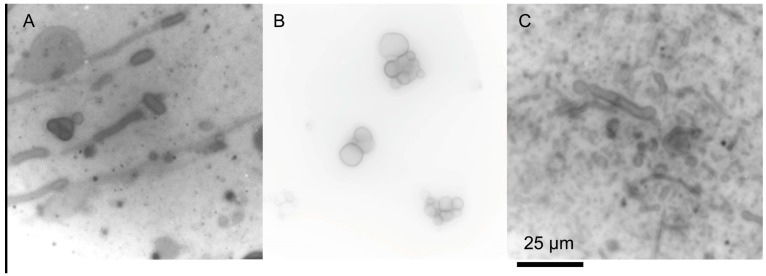
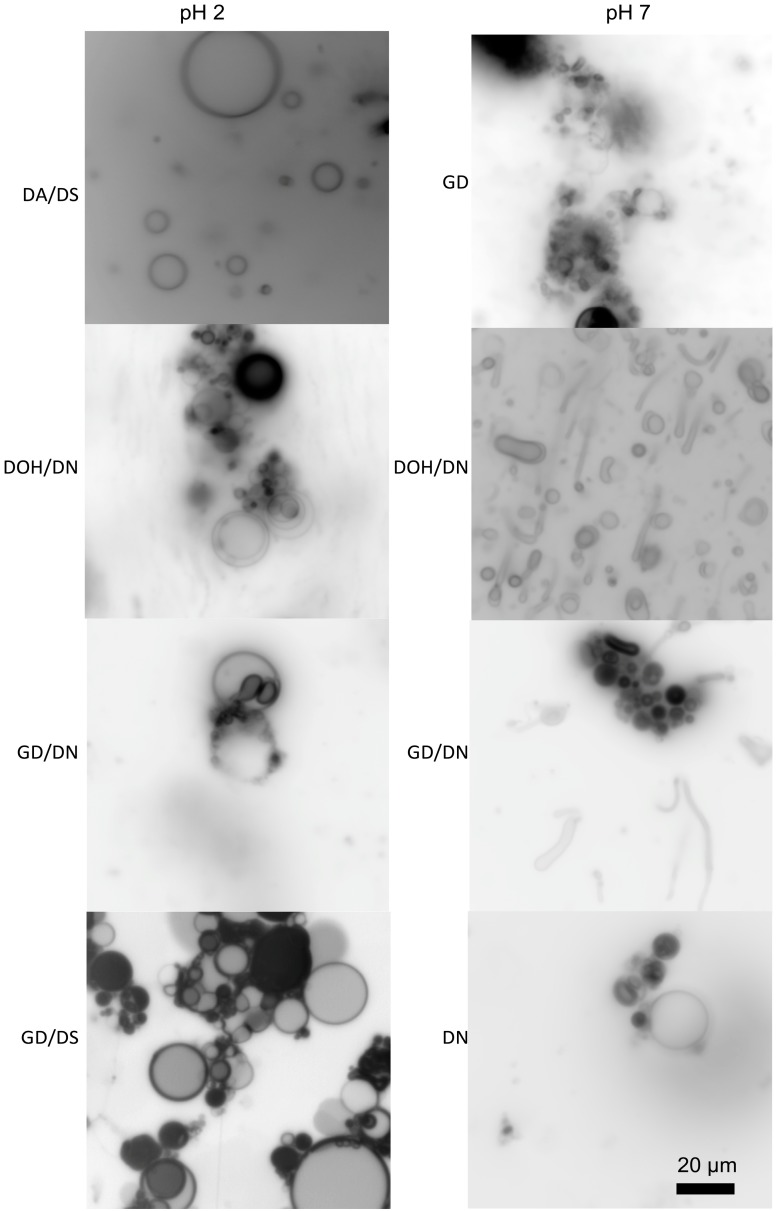
One of the key steps in the origins of life was the formation of a membrane to separate protocells from their environment. These membranes are proposed to have been formed out of single chain amphiphiles, which are less stable than the dialkyl lipids used to form modern membranes. This lack of stability, specifically for decanoate, is often used to refute ocean locations for the origins of life. This review addresses the formation of membranes in hydrothermal-vent like conditions, as well as other environmental constraints. Specifically, single chain amphiphiles can form membranes at high sea salt concentrations (150 g/L), high temperatures (65 °C), and a wide pH range (2 to 10). It additionally discusses the major challenges and advantages of membrane formation in both ocean and fresh water locations.
生命起源的关键步骤之一是形成一层膜,将原始细胞与周围环境分隔开来。有人提出,这些膜是由单链两亲分子形成的,它们比用于形成现代膜的二烷基脂质稳定性更低。这种稳定性的缺乏,尤其是癸酸盐的稳定性缺乏,常被用来反驳生命起源于海洋的观点。这篇综述探讨了在类似热液喷口的条件下膜的形成以及其他环境限制因素。具体而言,单链两亲分子能够在高海盐浓度(150克/升)、高温(65℃)以及较宽的pH范围(2至10)下形成膜。此外,还讨论了在海洋和淡水环境中形成膜的主要挑战和优势。