Smilowitz Henry M, Tarmu Lauren J, Sanders Mary Melinda, Taylor John A, Choudhary Dharamainder, Xue Crystal, Dyment Nathaniel A, Sasso Dan, Deng Xiaomeng, Hainfeld James F
Department of Cell Biology, University of Connecticut Health Center, Farmington, CT.
Department of Human Behavior, College of Southern Nevada, North Las Vegas.
Int J Nanomedicine. 2017 Oct 27;12:7937-7946. doi: 10.2147/IJN.S140977. eCollection 2017.
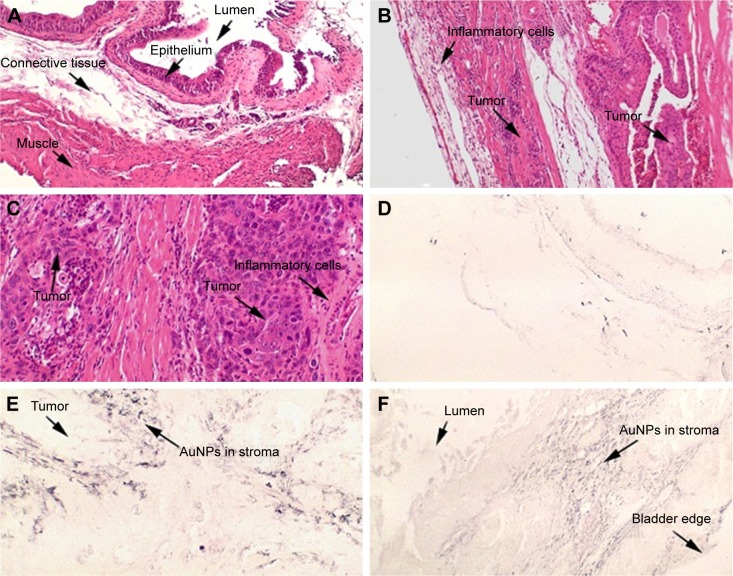
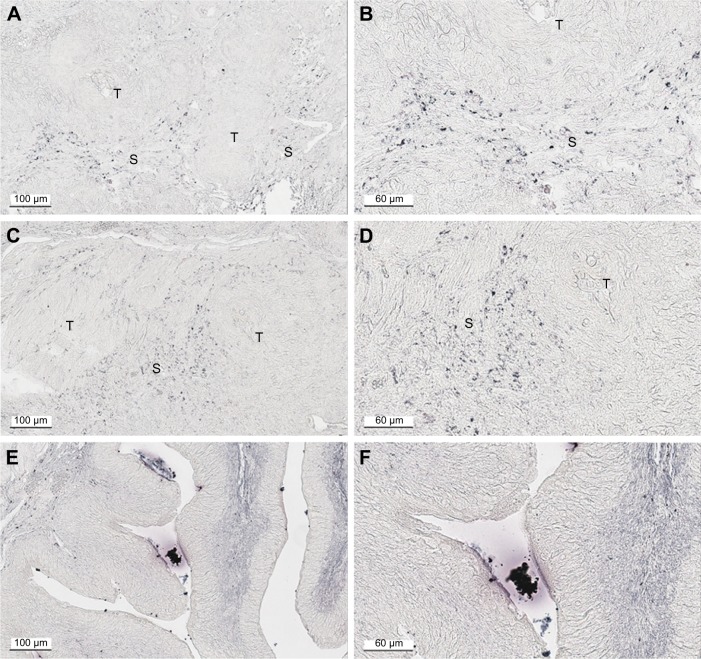
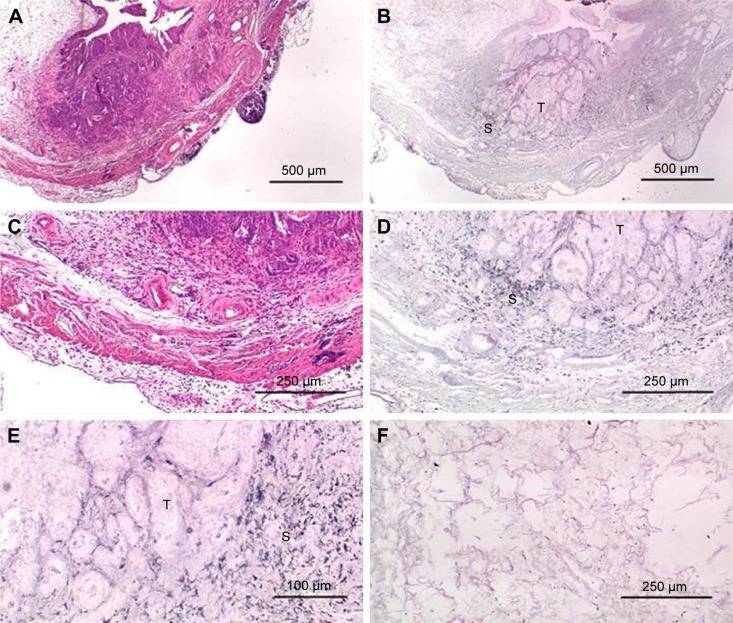
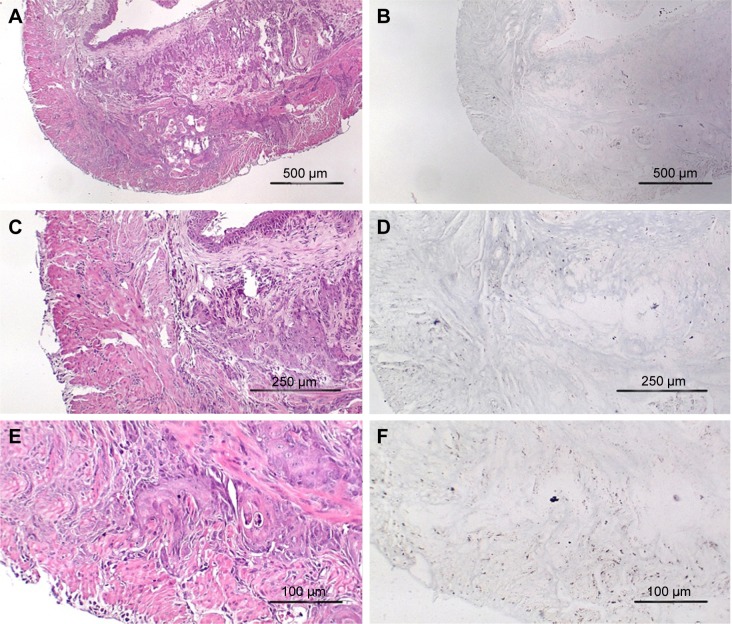
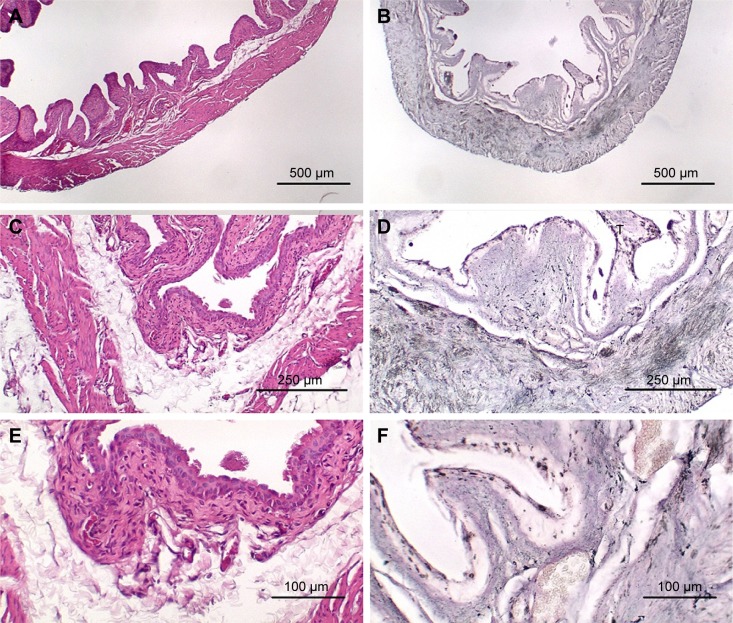
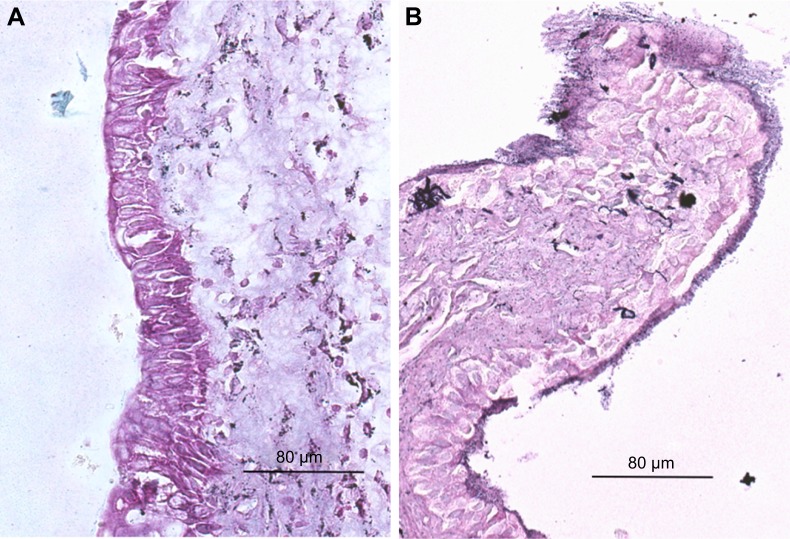
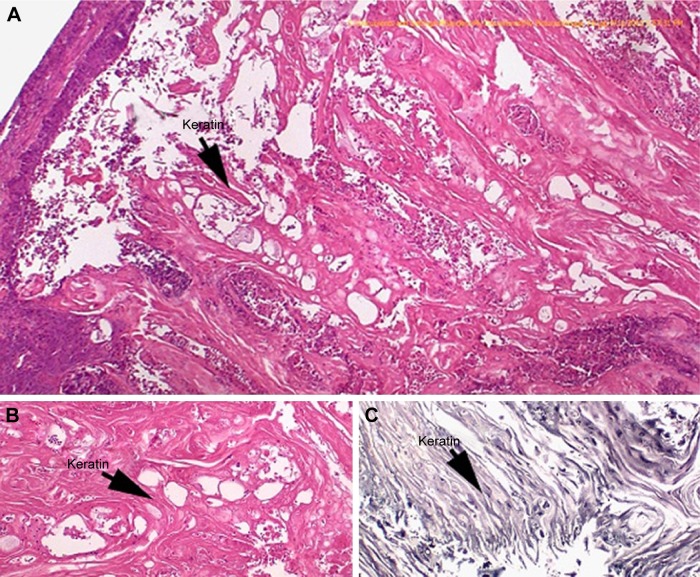
Bladder-sparing options are being developed for muscle-invasive bladder cancer in place of radical cystectomy, including the combination of chemotherapy and radiation therapy. We reasoned that improving the radiotherapy component of chemoradiation could improve the control of locally advanced disease. Previously, we showed that gold nanoparticles (AuNPs) are potent enhancers of radiation therapy. We hypothesized that if AuNPs were to preferentially localize to bladder tumors, they may be used to enhance the radiation component of muscle-invasive bladder tumor therapy. Mice were treated with the carcinogen N-butyl-N-(4-hydroxybutyl)nitrosamine (BBN) for 17, 20, and 22 weeks - long enough to induce muscle-invasive tumors. Mice were then anesthetized and injected intravenously with 1.9 nm AuNPs of which most were rapidly cleared from the blood and excreted after a 30-50 minute residence time in the bladder. We found AuNPs distributed throughout the bladder wall, but most of the AuNPs were associated with the stroma surrounding the tumor cells or extracellular keratin produced by the tumor cells. There were relatively few AuNPs in the tumor cells themselves. The AuNPs therefore localized to tumor-associated stroma and this tumor specificity might be useful for specific X-ray dose enhancement therapy of muscle-invasive bladder carcinomas.
正在开发用于肌肉浸润性膀胱癌的保留膀胱方案,以替代根治性膀胱切除术,包括化疗和放射治疗的联合应用。我们推断,改善放化疗中的放疗部分可能会改善局部晚期疾病的控制。此前,我们表明金纳米颗粒(AuNPs)是放射治疗的有效增强剂。我们假设,如果AuNPs能优先定位于膀胱肿瘤,它们可能会被用于增强肌肉浸润性膀胱肿瘤治疗的放疗部分。用致癌物N-丁基-N-(4-羟基丁基)亚硝胺(BBN)对小鼠进行17、20和22周的处理——时间足够长以诱导肌肉浸润性肿瘤。然后将小鼠麻醉并静脉注射1.9 nm的AuNPs,其中大部分在血液中迅速清除,并在膀胱中停留30 - 50分钟后排出。我们发现AuNPs分布于整个膀胱壁,但大多数AuNPs与肿瘤细胞周围的基质或肿瘤细胞产生的细胞外角蛋白相关。肿瘤细胞本身中的AuNPs相对较少。因此,AuNPs定位于肿瘤相关基质,这种肿瘤特异性可能对肌肉浸润性膀胱癌的特异性X射线剂量增强治疗有用。