Department of Plant and Microbial Biology, University of California, Berkeley, Berkeley, United States.
Department of Cell and Developmental Biology, John Innes Centre, Norwich, United Kingdom.
Elife. 2017 Nov 15;6:e30674. doi: 10.7554/eLife.30674.
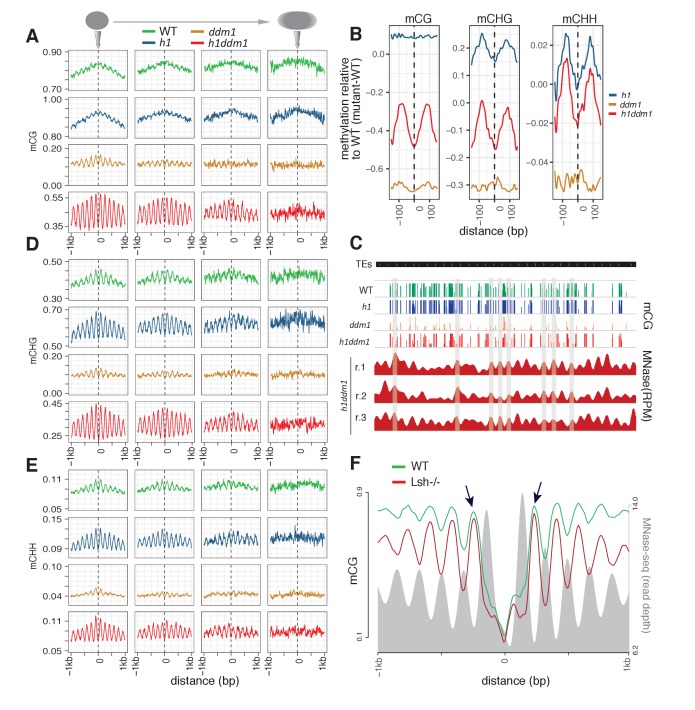
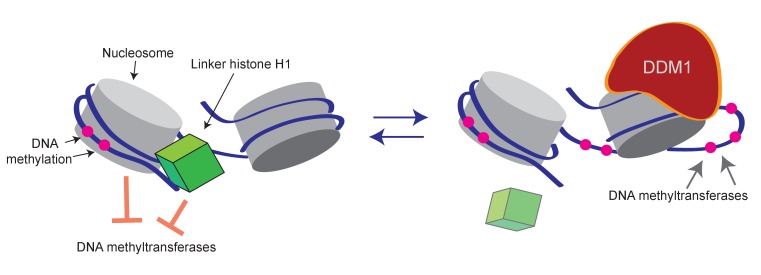
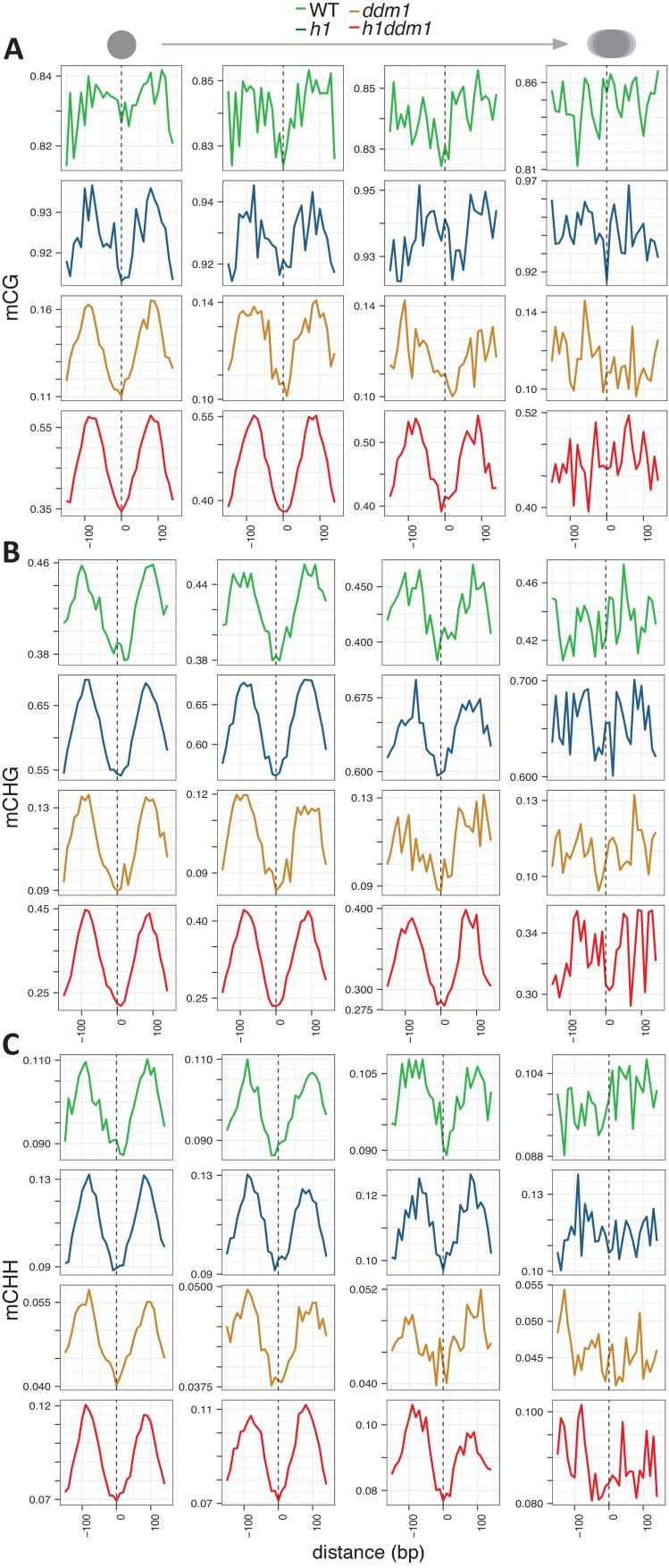
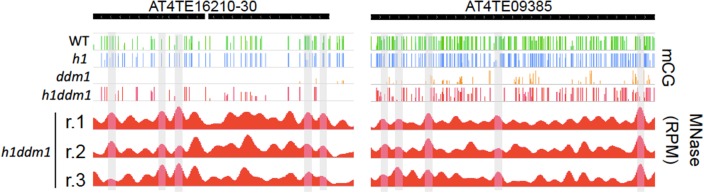
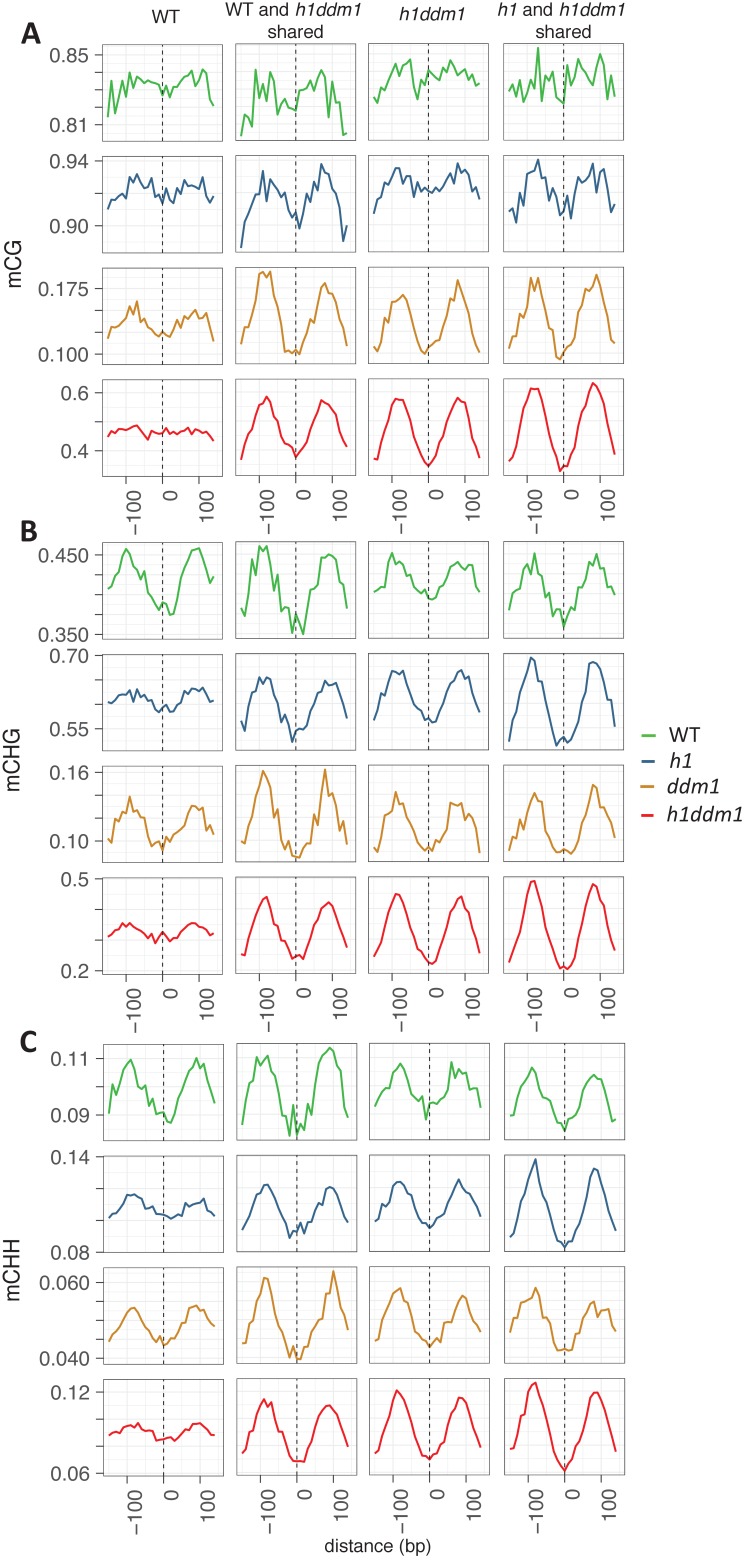
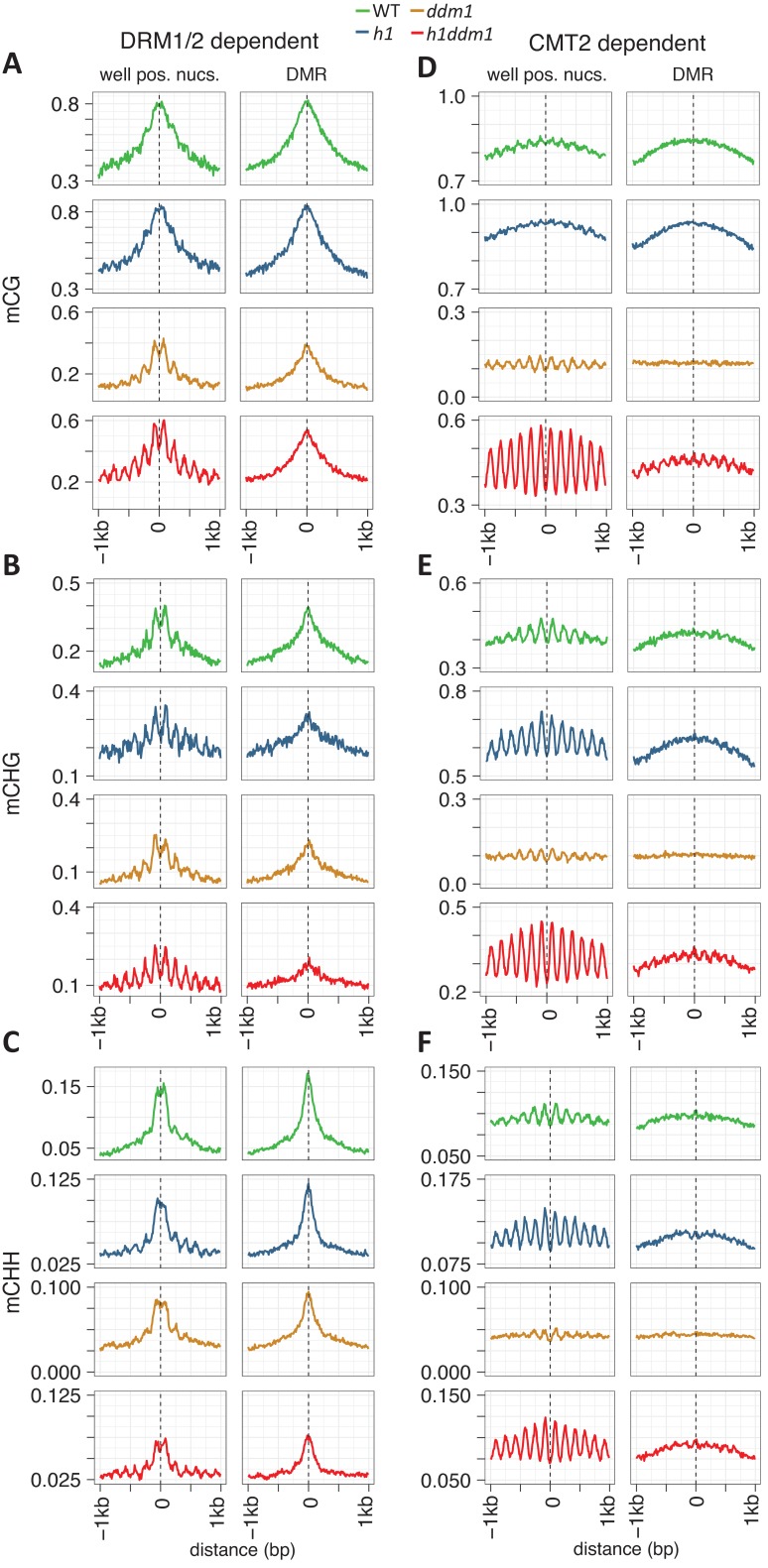
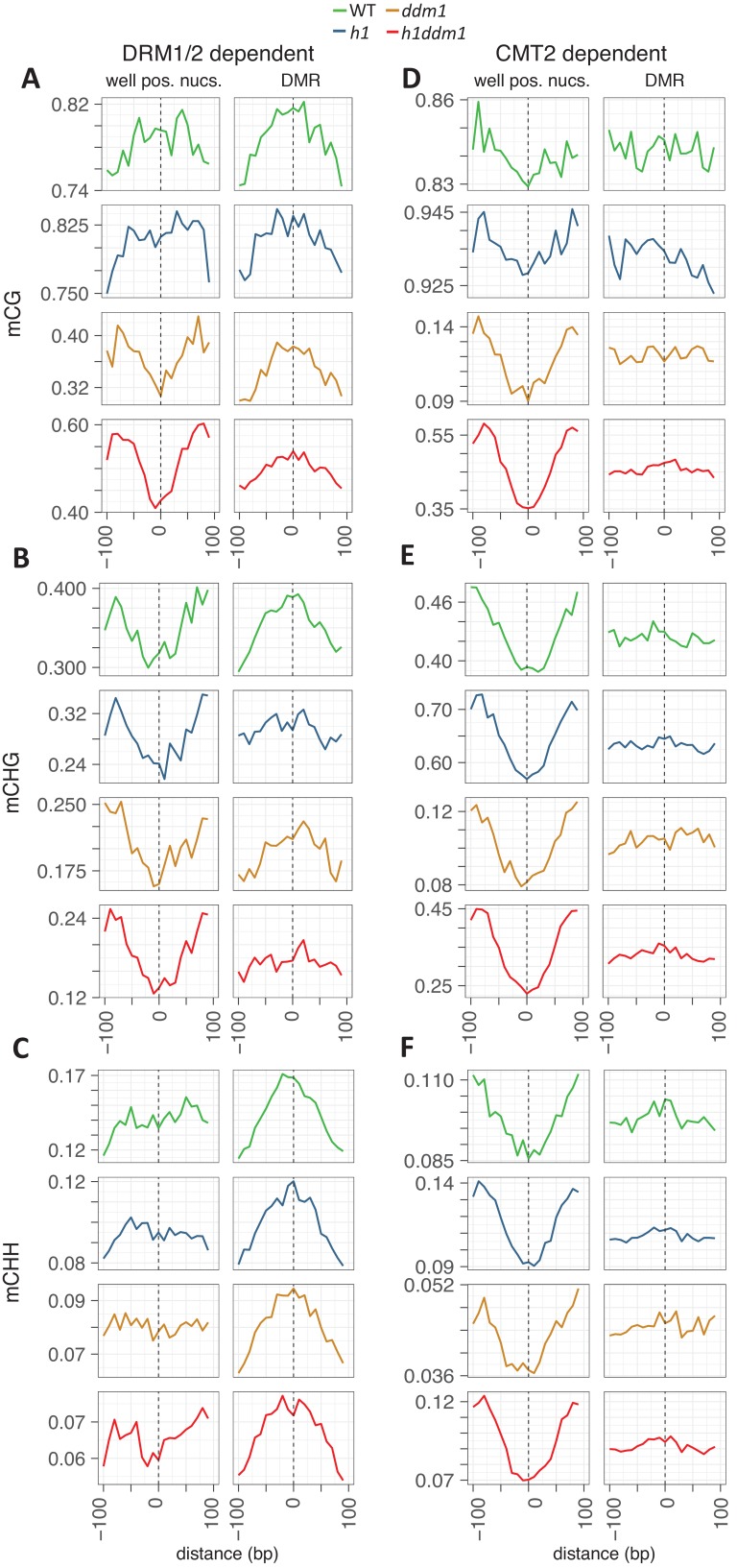
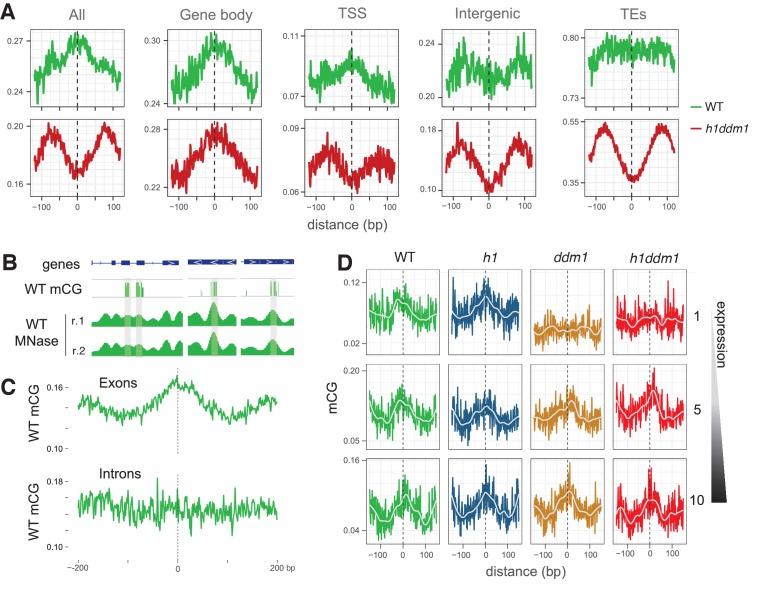
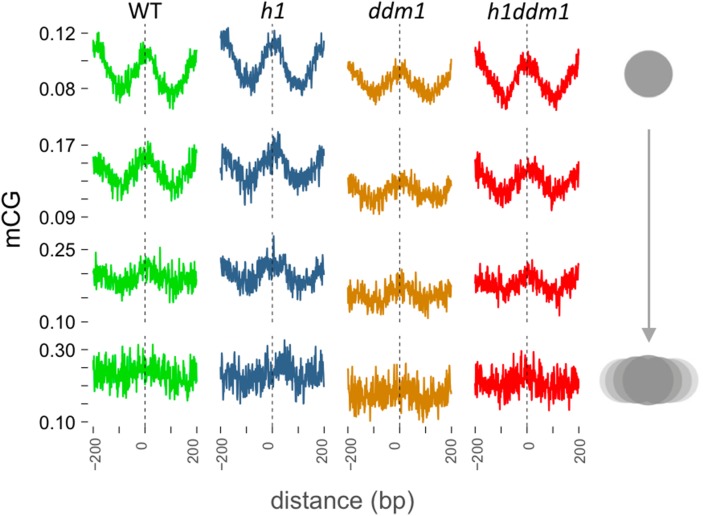
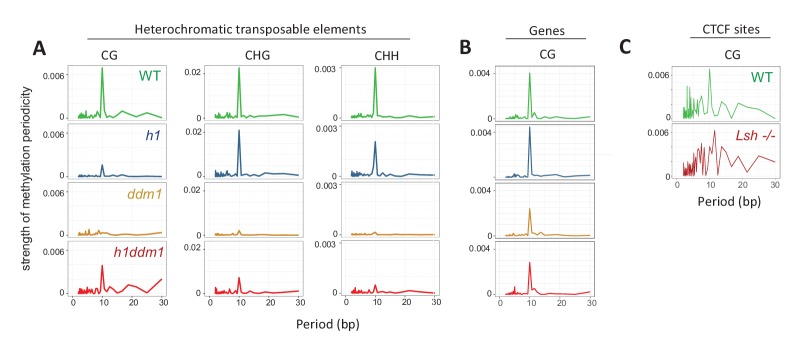
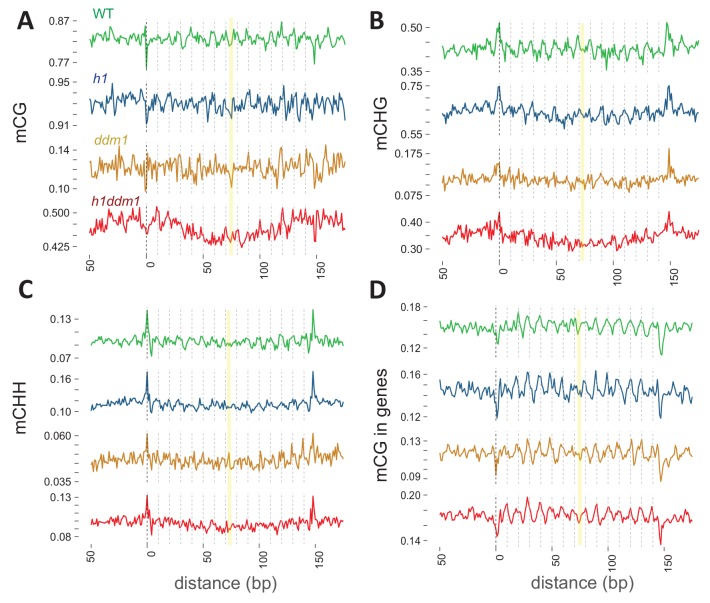
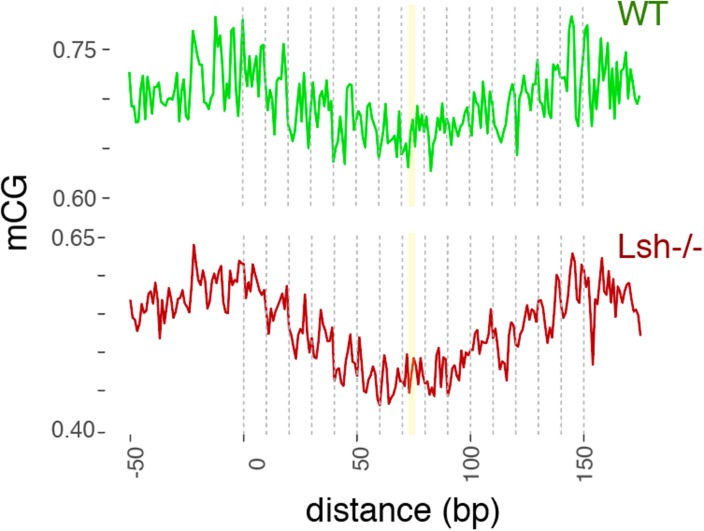
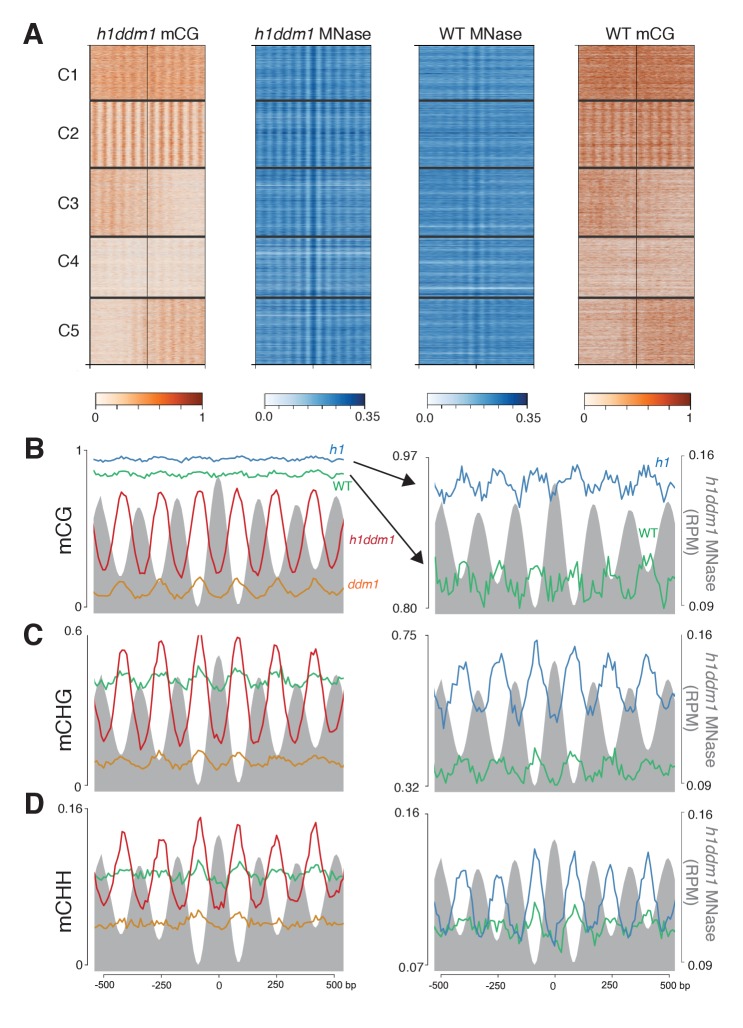
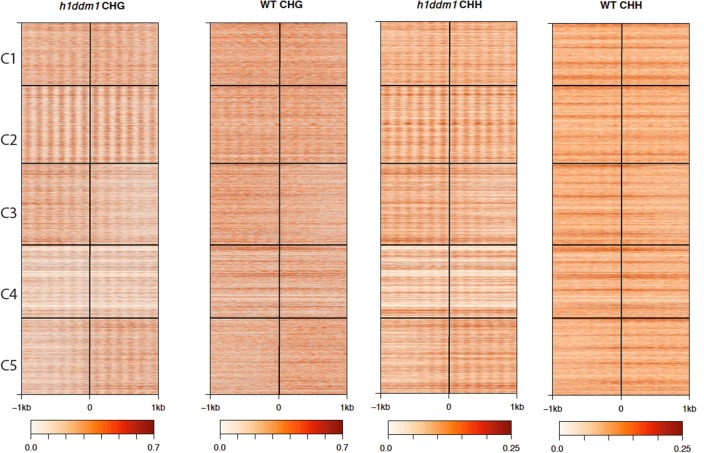
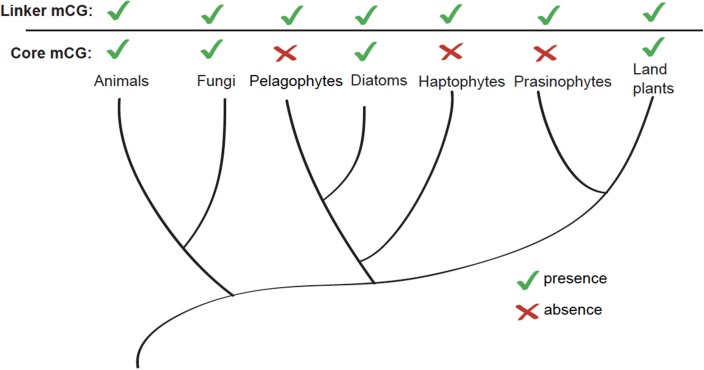
Cytosine methylation regulates essential genome functions across eukaryotes, but the fundamental question of whether nucleosomal or naked DNA is the preferred substrate of plant and animal methyltransferases remains unresolved. Here, we show that genetic inactivation of a single DDM1/Lsh family nucleosome remodeler biases methylation toward inter-nucleosomal linker DNA in and mouse. We find that DDM1 enables methylation of DNA bound to the nucleosome, suggesting that nucleosome-free DNA is the preferred substrate of eukaryotic methyltransferases in vivo. Furthermore, we show that simultaneous mutation of DDM1 and linker histone H1 in reproduces the strong linker-specific methylation patterns of species that diverged from flowering plants and animals over a billion years ago. Our results indicate that in the absence of remodeling, nucleosomes are strong barriers to DNA methyltransferases. Linker-specific methylation can evolve simply by breaking the connection between nucleosome remodeling and DNA methylation.
胞嘧啶甲基化调节真核生物中重要的基因组功能,但核小体或裸露 DNA 哪个是植物和动物甲基转移酶的首选底物这一基本问题仍未解决。在这里,我们表明,单个 DDM1/Lsh 家族核小体重塑因子的遗传失活会使 和小鼠中的甲基化偏向于核小体间连接 DNA。我们发现 DDM1 能够使结合在核小体上的 DNA 甲基化,这表明在体内,核小体游离的 DNA 是真核甲基转移酶的首选底物。此外,我们还表明,在 中同时突变 DDM1 和连接组蛋白 H1 可以复制出与开花植物和动物分化超过十亿年前的物种的强烈连接特异性甲基化模式。我们的结果表明,在没有重塑的情况下,核小体是 DNA 甲基转移酶的强大障碍。通过打破核小体重塑和 DNA 甲基化之间的联系,连接特异性甲基化可以简单地进化。