Zhao Huishan, Owen Sioned, Davies Eleri L, Jiang Wen G, Martin Tracey A
Central Laboratory, Yantai Yuhuangding Hospital, Affiliated Hospital of Medical College Qingdao University, Yantai, Shandong, China.
Capital Medical University-Cardiff University Joint Centre for Biomedical Research, Beijing, China.
World J Oncol. 2017 Oct;8(5):151-161. doi: 10.14740/wjon1062w. Epub 2017 Nov 5.
The Aurora kinase family is comprised of highly conserved serine/threonine protein kinases that are known to be crucial in the regulation of the cell cycle. Aberrant expression of Aurora kinases has been demonstrated in certain malignancies. We aimed to examine the expression of Aurora kinases in human breast cancer tissues and to investigate the cellular impact of Aurora kinases inhibitor on breast cancer cells.
The expression of Aurora kinase A/B/C was individually examined in tumor specimens (n = 106) and normal tissues (n = 29) from breast cancer patients using quantitative real-time PCR (Q-PCR) and immunohistochemistry. Cells were treated with the corresponding inhibitor, and then migration and adhesion were evaluated by electric cell impedance sensing assay. The proliferation of breast cancer cells treated with the inhibitor was examined using models.
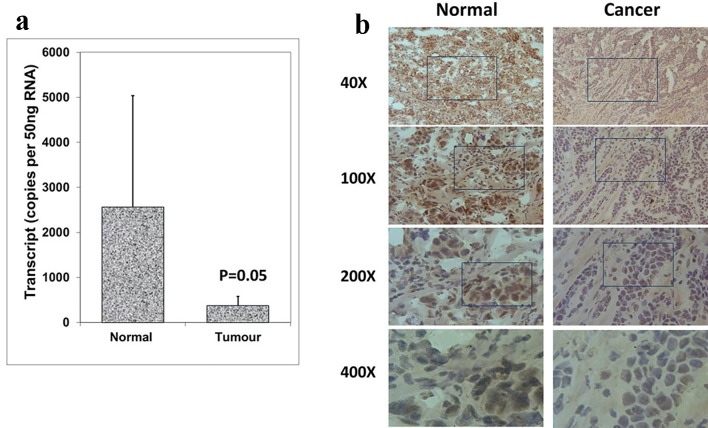
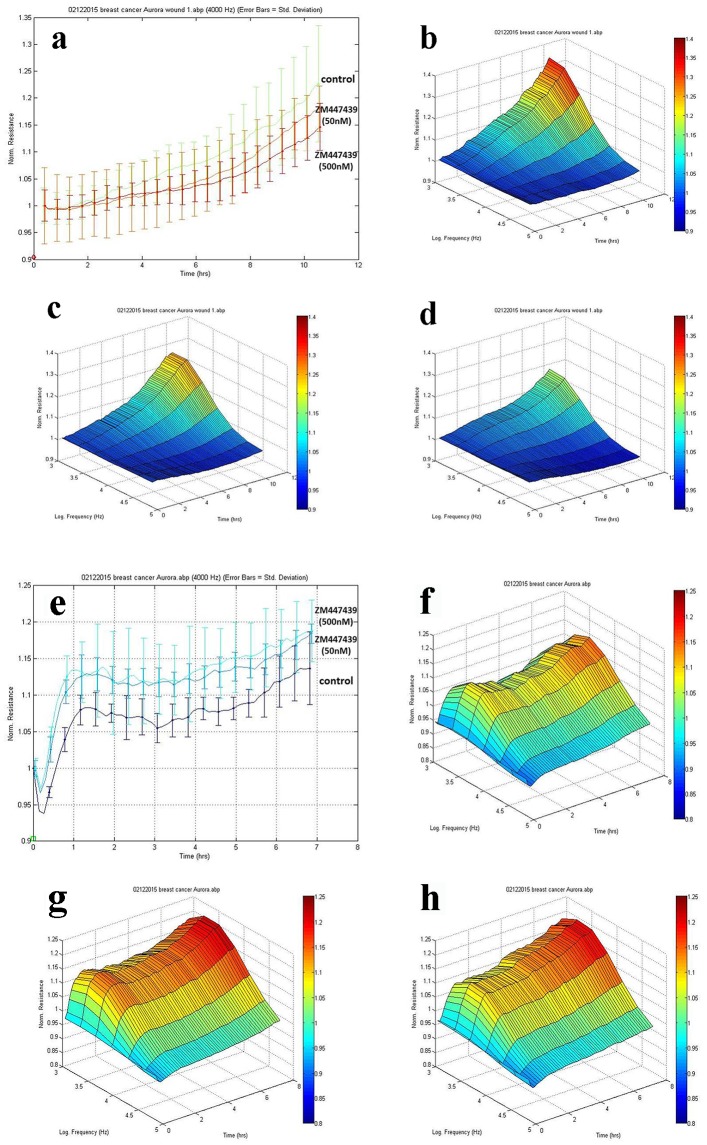
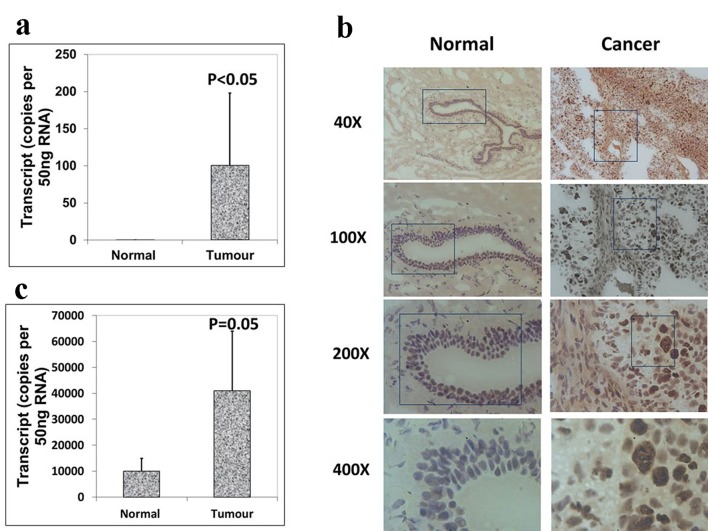
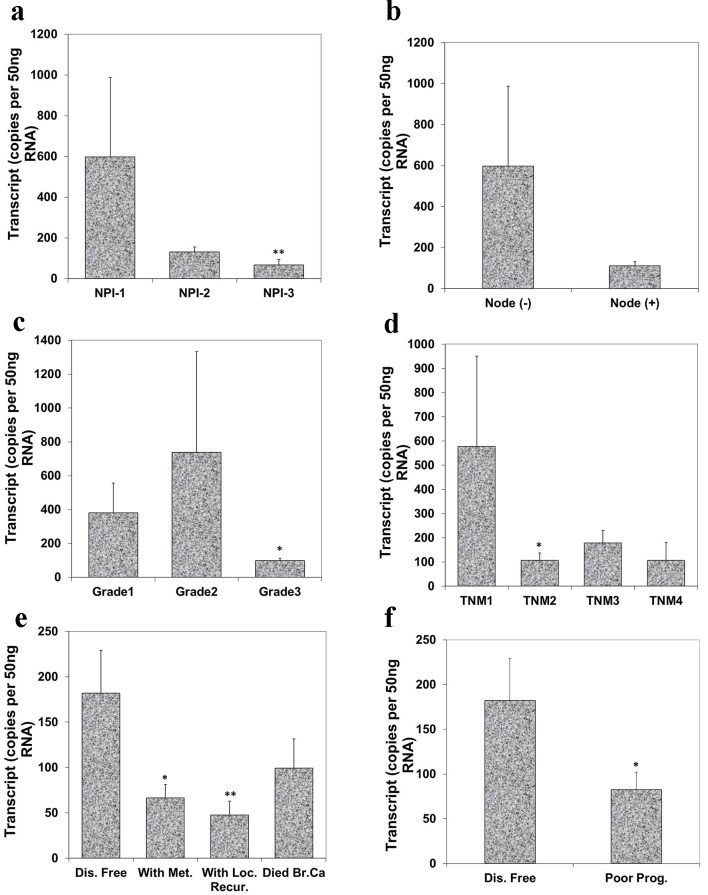
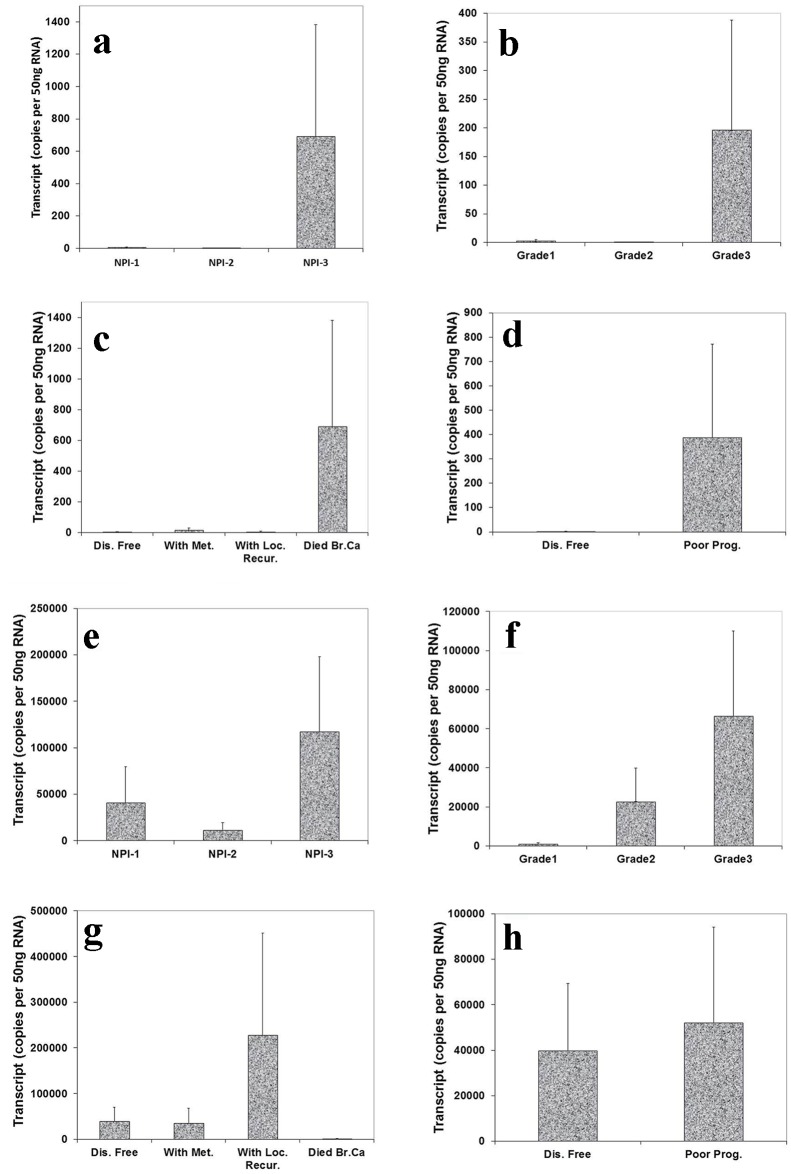
High levels of Aurora kinase B and C were found in the tumor tissues from breast cancer patients, but low levels of Aurora kinase A were seen in normal tissues at the mRNA level and immunohistochemistry. The mRNA expression level of Aurora kinase B and C had a negative correlation with grade staging, staging and survival rate in breast cancer patients, whilst Aurora kinase A exhibited a converse expression. The inhibitor ZM447439 promoted adhesion of the human breast cancer cell line MDA-MB-231 and inhibited the migration of MCF-7 human breast cancer cells.
Taken together, the expression of Aurora kinase B and C was down-regulated in breast tumor tissues but Aurora kinase A was not. Aurora kinase may have a key role in the progression and metastasis of breast cancer.
极光激酶家族由高度保守的丝氨酸/苏氨酸蛋白激酶组成,已知其在细胞周期调控中起关键作用。极光激酶的异常表达已在某些恶性肿瘤中得到证实。我们旨在检测极光激酶在人乳腺癌组织中的表达,并研究极光激酶抑制剂对乳腺癌细胞的细胞影响。
使用定量实时PCR(Q-PCR)和免疫组织化学方法,分别检测106例乳腺癌患者的肿瘤标本和29例正常组织中极光激酶A/B/C的表达。用相应抑制剂处理细胞,然后通过电阻抗传感分析评估细胞迁移和黏附情况。使用模型检测用抑制剂处理的乳腺癌细胞的增殖情况。
在乳腺癌患者的肿瘤组织中发现极光激酶B和C水平较高,但在正常组织的mRNA水平和免疫组织化学中,极光激酶A水平较低。极光激酶B和C的mRNA表达水平与乳腺癌患者的分级分期、分期和生存率呈负相关,而极光激酶A则表现出相反的表达。抑制剂ZM447439促进人乳腺癌细胞系MDA-MB-231的黏附,并抑制MCF-7人乳腺癌细胞的迁移。
综上所述,乳腺癌组织中极光激酶B和C的表达下调,但极光激酶A未下调。极光激酶可能在乳腺癌的进展和转移中起关键作用。