Psychogenics, Inc., Montvale, NJ and Tarrytown, NY, USA.
J Alzheimers Dis. 2018;61(1):195-208. doi: 10.3233/JAD-170457.
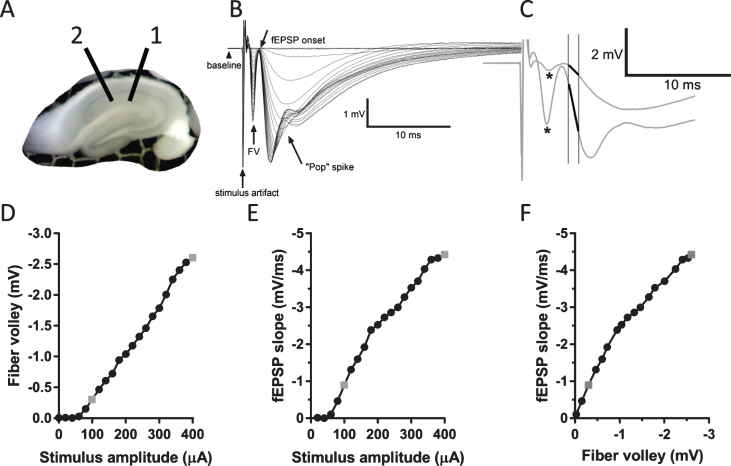
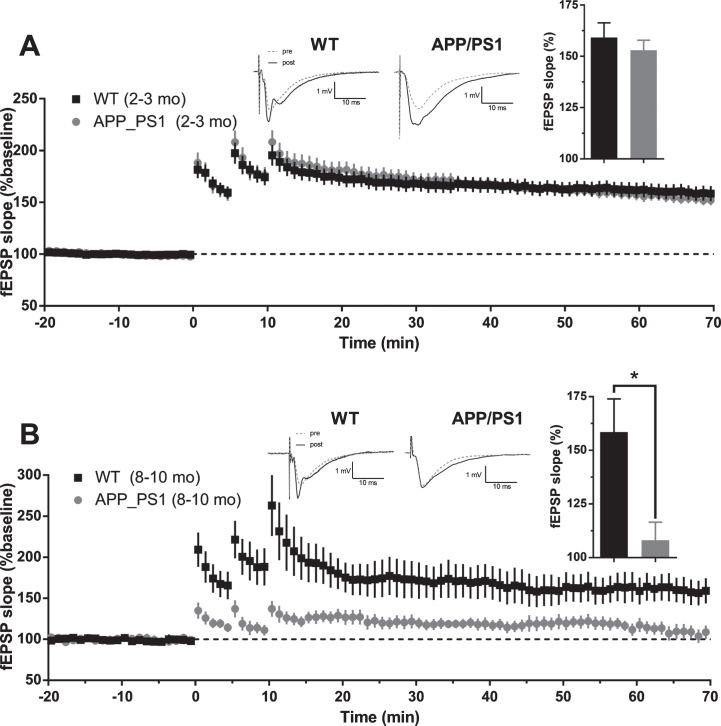
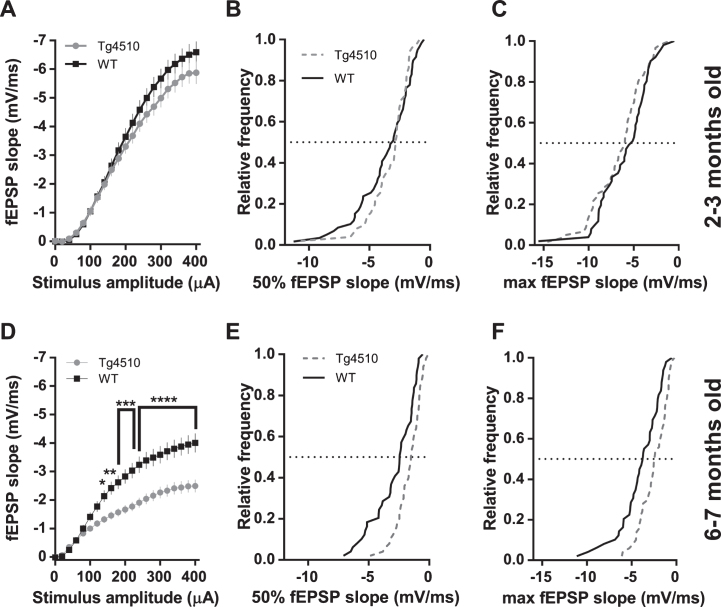
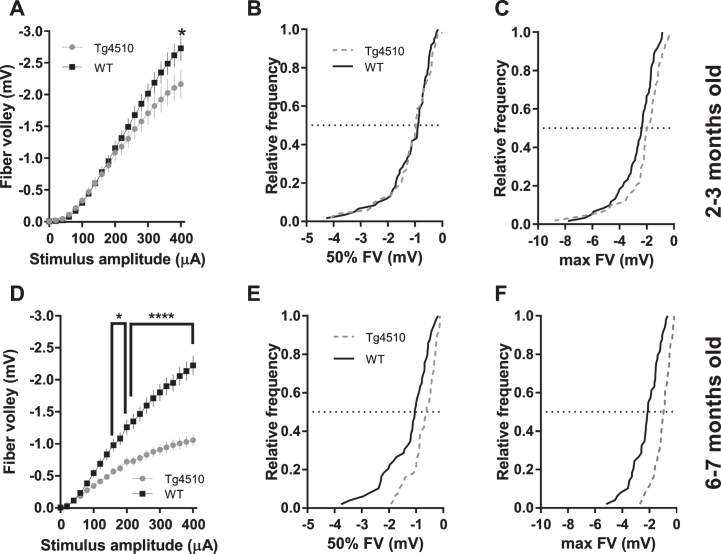
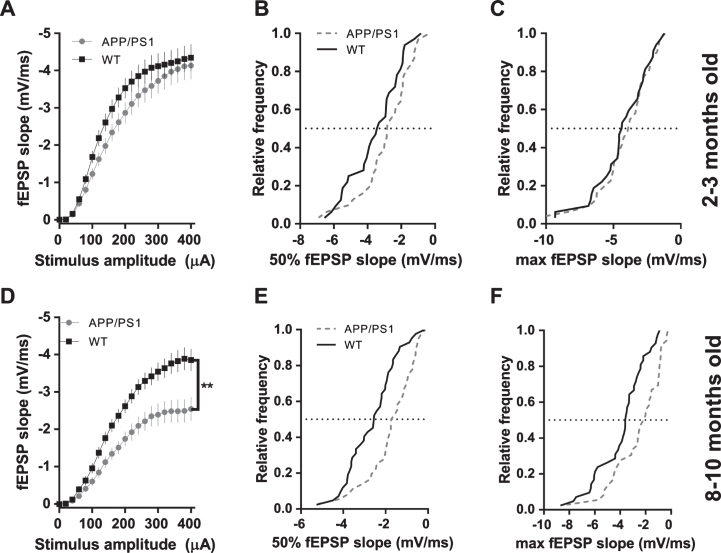
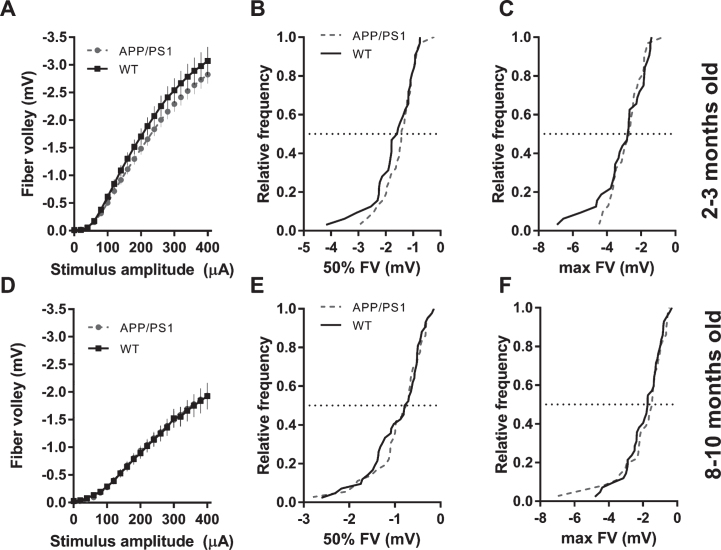
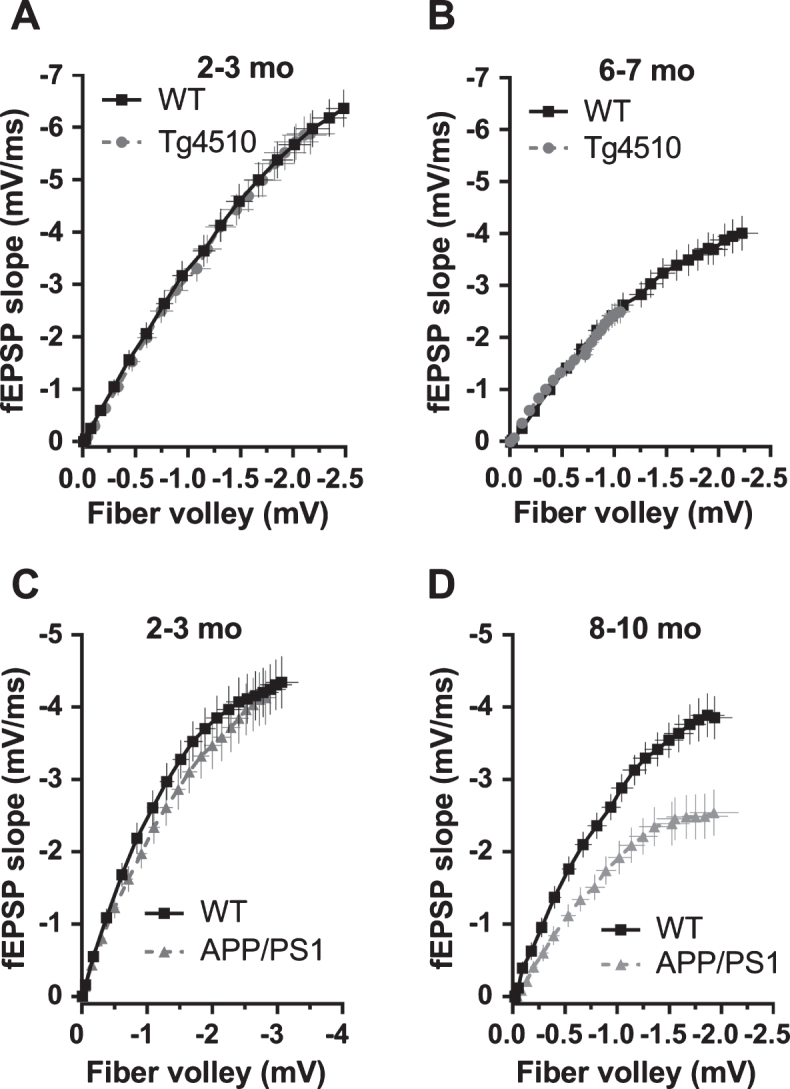
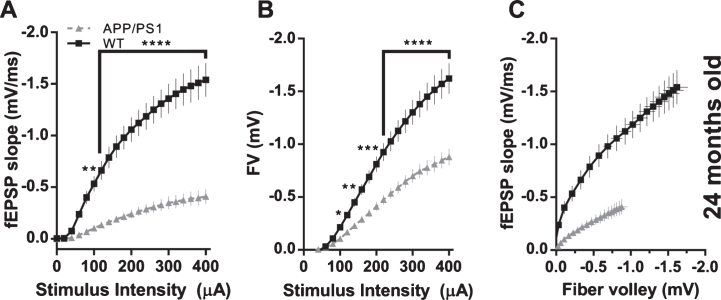
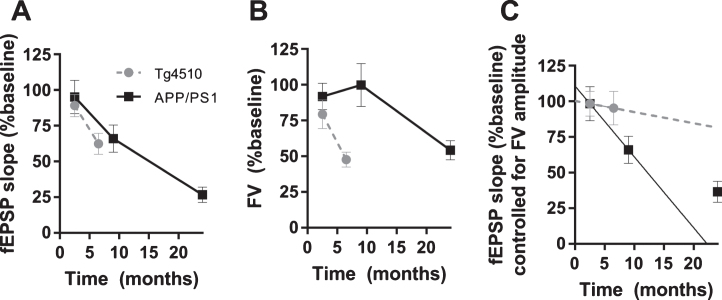
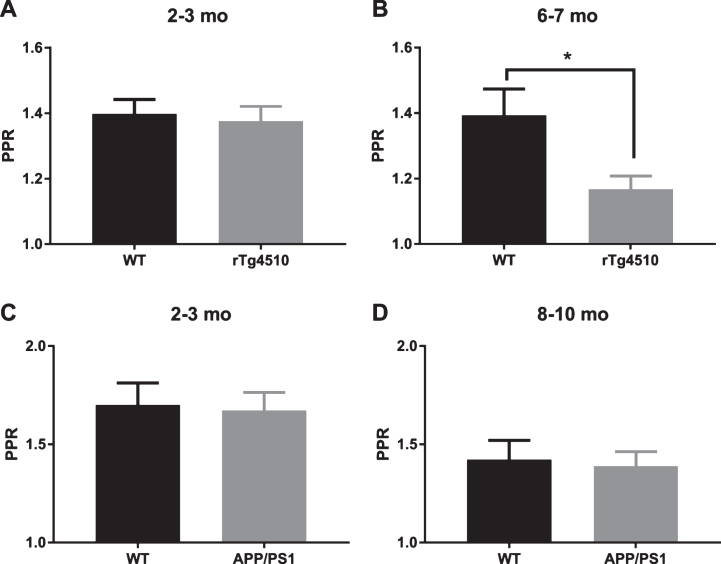
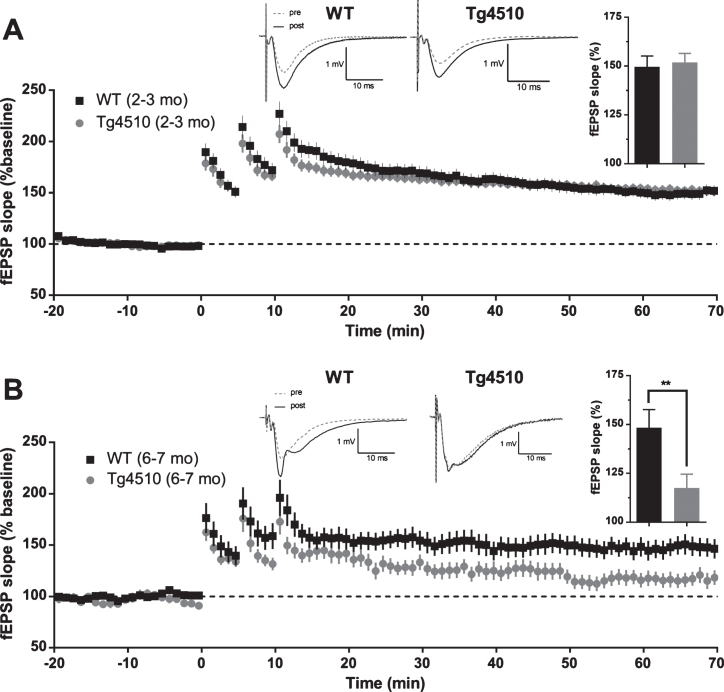
Genetically modified mice have provided insights into the progression and pathology of Alzheimer's disease (AD). Here, we have examined two mouse models of AD: the rTg4510 mouse, which overexpresses mutant human Tau gene, and the APP/PS1 mouse, which overexpresses mutant human genes for amyloid precursor protein and presenilin 1. Both models exhibit deficits in hippocampal function, but comparative analyses of these deficits are sparse. We used extracellular field potential recordings in hippocampal slices to study basal synaptic transmission (BST), paired-pulse facilitation (PPF), and long-term potentiation (LTP) at the Schaffer collateral-CA1 pyramidal cell synapses in both models. We found that 6-7, but not 2-3-month-old rTg4510 mice exhibited reduced pre-synaptic activation (fiber volley (FV) amplitude, ∼50%) and field excitatory post-synaptic potential (fEPSP) slope (∼40%) compared to wild-type controls. In contrast to previous reports, BST, when controlled for FV amplitude, was not altered in rTg4510. APP/PS1 mice (2-3 mo and 8-10 mo) had unchanged FV amplitude compared to wild-type controls, while fEPSP slope was reduced by ∼34% in older mice, indicating a deficit in BST. PPF was unchanged in 8-10-month-old APP/PS1 mice, but was reduced in 6-7-month-old rTg4510 mice. LTP was reduced only in older rTg4510 and APP/PS1 mice. Our data suggest that BST deficits appear earlier in APP/PS1 than in rTg4510, which exhibited no BST deficits at the ages tested. However, FV and synaptic plasticity deficits developed earlier in rTg4510. These findings highlight fundamental differences in the progression of synaptic pathology in two genetically distinct models of AD.
转基因小鼠为阿尔茨海默病(AD)的进展和病理学提供了深入了解。在这里,我们检查了两种 AD 小鼠模型:Tg4510 小鼠,其过度表达突变的人类 Tau 基因;以及 APP/PS1 小鼠,其过度表达突变的人类淀粉样前体蛋白和早老素 1 基因。这两种模型都表现出海马功能缺陷,但对这些缺陷的比较分析很少。我们使用海马切片的细胞外场电位记录来研究 Schaffer 侧支-CA1 锥体神经元突触的基础突触传递(BST)、成对脉冲易化(PPF)和长时程增强(LTP)。我们发现,与野生型对照相比,6-7 个月龄而非 2-3 个月龄的 rTg4510 小鼠表现出降低的前突触激活(纤维传递(FV)幅度,约 50%)和场兴奋性突触后电位(fEPSP)斜率(约 40%)。与之前的报道相反,当控制 FV 幅度时,rTg4510 中的 BST 没有改变。与野生型对照相比,2-3 个月龄和 8-10 个月龄的 APP/PS1 小鼠的 FV 幅度没有改变,而在老年小鼠中 fEPSP 斜率降低了约 34%,表明 BST 缺陷。8-10 个月龄的 APP/PS1 小鼠的 PPF 没有改变,但 6-7 个月龄的 rTg4510 小鼠的 PPF 减少。只有老年 rTg4510 和 APP/PS1 小鼠的 LTP 降低。我们的数据表明,与 rTg4510 相比,BST 缺陷在 APP/PS1 中更早出现,在测试的年龄阶段 rTg4510 没有 BST 缺陷。然而,FV 和突触可塑性缺陷在 rTg4510 中更早出现。这些发现强调了两种不同基因 AD 小鼠模型中突触病理学进展的根本差异。