Xiamen Key Laboratory of Brain Center, The First Affiliated Hospital of Xiamen University, and Fujian Provincial Key Laboratory of Neurodegenerative Disease and Aging Research, Institute of Neuroscience, School of Medicine, Xiamen University, Xiamen, Fujian 361102, China.
Fujian Provincial Clinical Research Center for Brain Diseases, The First Affiliated Hospital of Xiamen University, Xiamen, Fujian 361003, China.
Zool Res. 2023 Sep 18;44(5):867-881. doi: 10.24272/j.issn.2095-8137.2023.123.
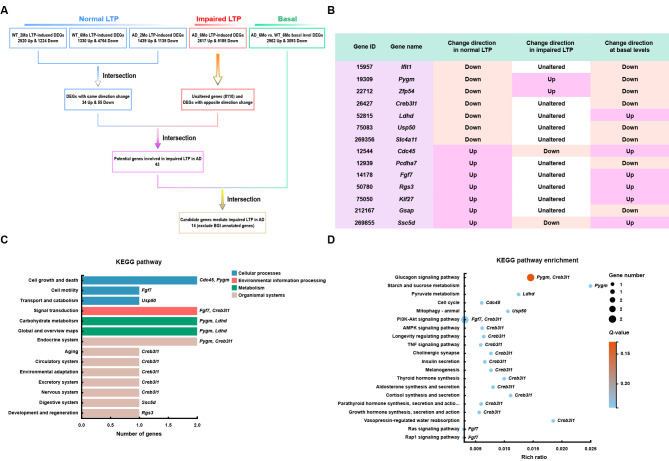
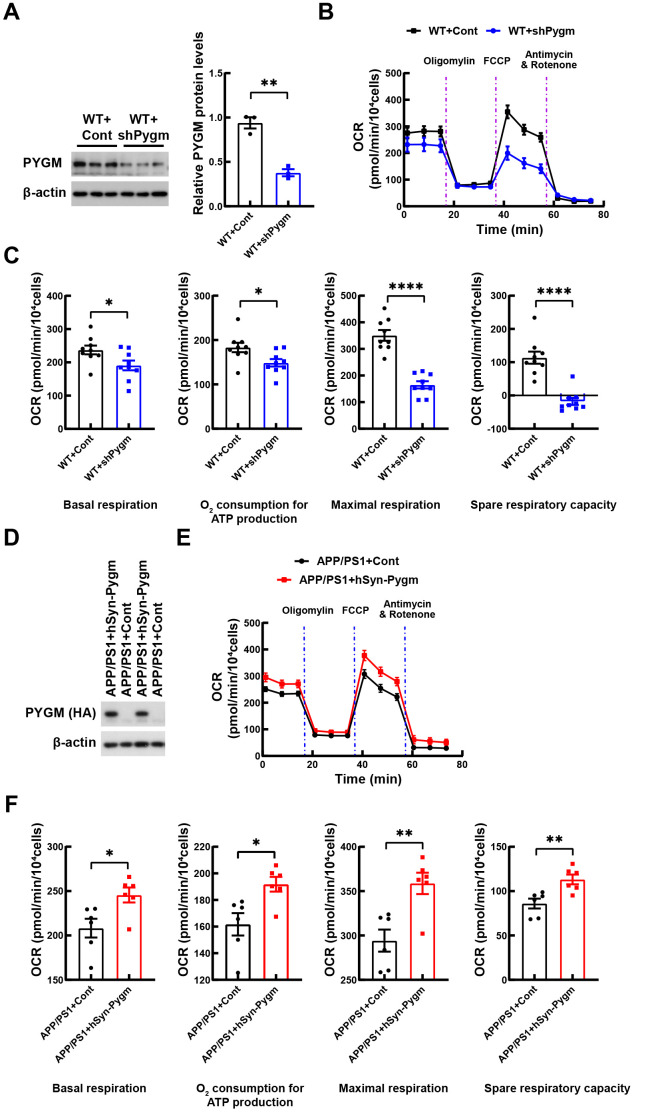
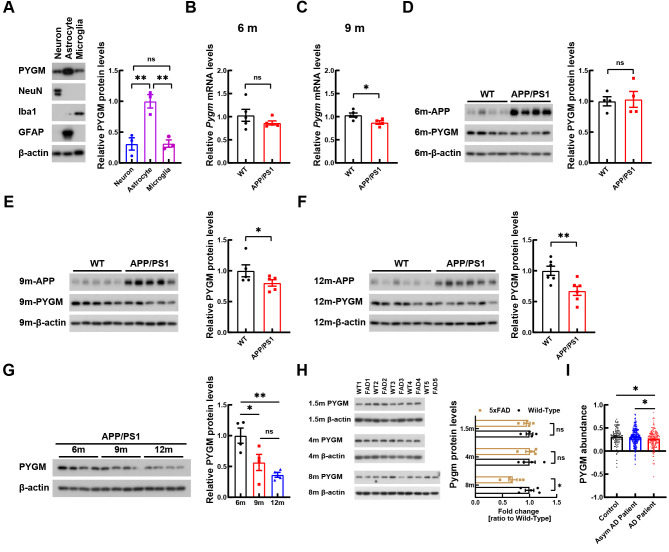
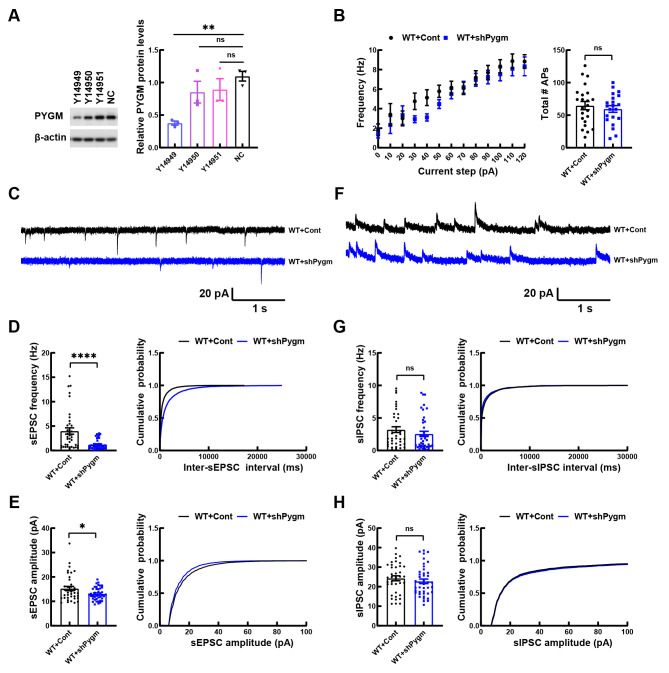
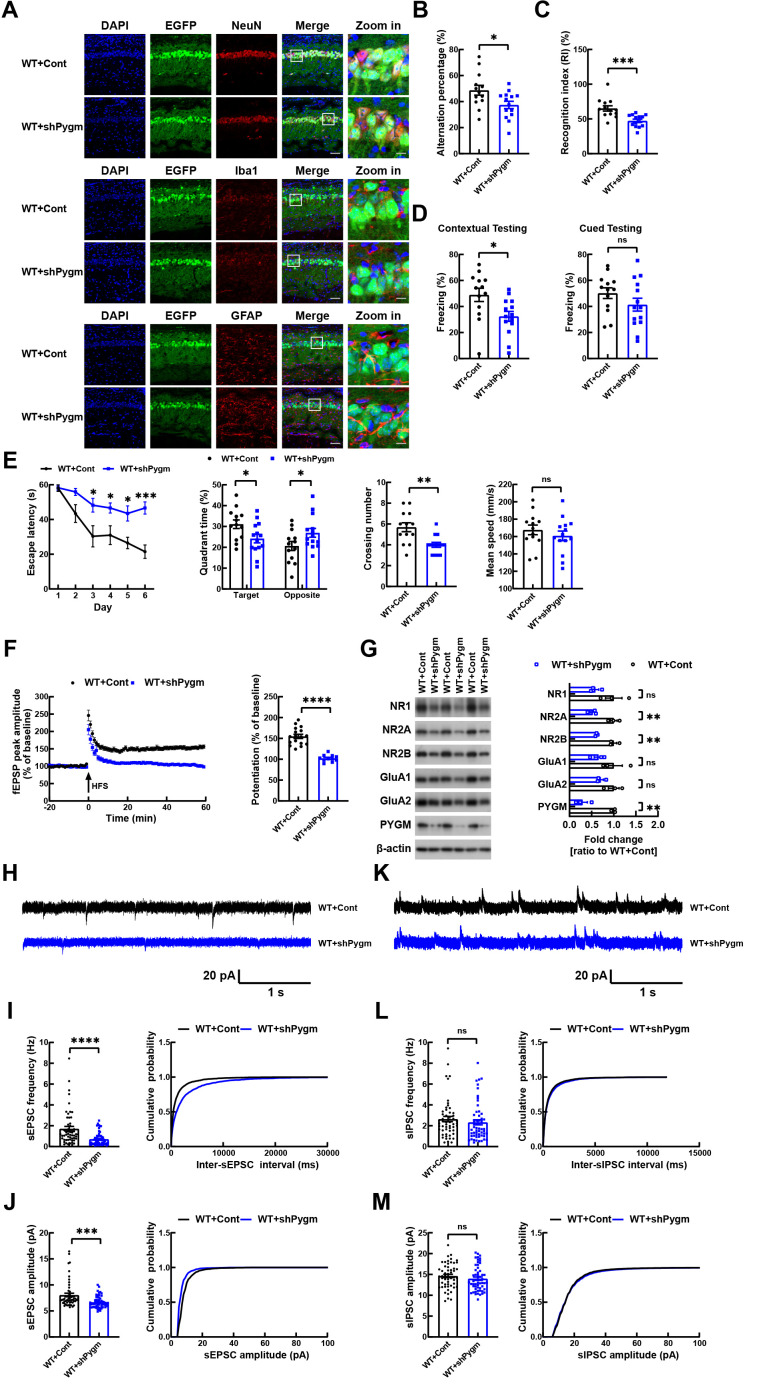
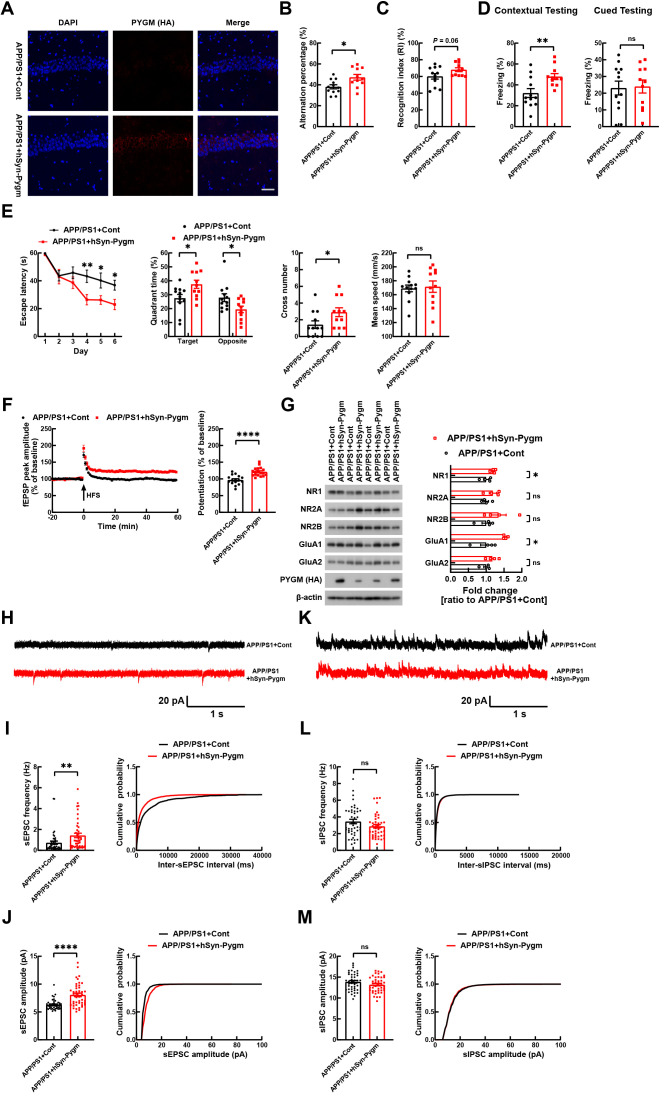
Synaptic dysfunction is an important pathological hallmark and cause of Alzheimer's disease (AD). High-frequency stimulation (HFS)-induced long-term potentiation (LTP) has been widely used to study synaptic plasticity, with impaired LTP found to be associated with AD. However, the exact molecular mechanism underlying synaptic plasticity has yet to be completely elucidated. Whether genes regulating synaptic plasticity are altered in AD and contribute to disease onset also remains unclear. Herein, we induced LTP in the hippocampal CA1 region of wild-type (WT) and AD model mice by administering HFS to the CA3 region and then studied transcriptome changes in the CA1 region. We identified 89 genes that may participate in normal synaptic plasticity by screening HFS-induced differentially expressed genes (DEGs) in mice with normal LTP, and 43 genes that may contribute to synaptic dysfunction in AD by comparing HFS-induced DEGs in mice with normal LTP and AD mice with impaired LTP. We further refined the 43 genes down to 14 by screening for genes with altered expression in pathological-stage AD mice without HFS induction. Among them, we found that the expression of , which catabolizes glycogen, was also decreased in AD patients. We further demonstrated that down-regulation of PYGM in neurons impaired synaptic plasticity and cognition in WT mice, while its overexpression attenuated synaptic dysfunction and cognitive deficits in AD mice. Moreover, we showed that PYGM directly regulated energy generation in neurons. Our study not only indicates that PYGM-mediated energy production in neurons plays an important role in synaptic function, but also provides a novel LTP-based strategy to systematically identify genes regulating synaptic plasticity under physiological and pathological conditions.
突触功能障碍是阿尔茨海默病(AD)的重要病理标志和原因。高频刺激(HFS)诱导的长时程增强(LTP)已广泛用于研究突触可塑性,发现 LTP 受损与 AD 有关。然而,突触可塑性的确切分子机制尚未完全阐明。调节突触可塑性的基因是否在 AD 中发生改变并导致疾病发生也不清楚。在此,我们通过对 CA3 区施加 HFS 诱导 WT 和 AD 模型小鼠的 CA1 区 LTP,然后研究 CA1 区的转录组变化。我们通过筛选正常 LTP 小鼠中 HFS 诱导的差异表达基因(DEGs),鉴定了 89 个可能参与正常突触可塑性的基因,通过比较正常 LTP 小鼠和 LTP 受损的 AD 小鼠中 HFS 诱导的 DEGs,鉴定了 43 个可能导致 AD 中突触功能障碍的基因。我们进一步通过筛选无 HFS 诱导的病理性 AD 小鼠中表达改变的基因,将这 43 个基因进一步细化到 14 个。其中,我们发现分解糖原的基因 的表达也在 AD 患者中降低。我们进一步证明,神经元中 PYGM 的下调损害了 WT 小鼠的突触可塑性和认知能力,而其过表达则减轻了 AD 小鼠的突触功能障碍和认知缺陷。此外,我们表明 PYGM 直接调节神经元中的能量生成。我们的研究不仅表明神经元中 PYGM 介导的能量产生在突触功能中起着重要作用,还提供了一种新的基于 LTP 的策略,用于在生理和病理条件下系统地识别调节突触可塑性的基因。