Yamada Shigeki, Ishikawa Masatsune, Yamamoto Kazuo
Department of Neurosurgery, Normal Pressure Hydrocephalus Center, Rakuwakai Otowa Hospital, Kyoto, Japan.
Department of Neurosurgery, Normal Pressure Hydrocephalus Center, Rakuwakai Otowa Hospital, Rakuwa Vila Ilios, Kyoto, Japan.
Front Neurol. 2017 Nov 1;8:583. doi: 10.3389/fneur.2017.00583. eCollection 2017.
In spite of growing evidence of idiopathic normal-pressure hydrocephalus (NPH), a viewpoint about clinical care for idiopathic NPH is still controversial. A continuous divergence of viewpoints might be due to confusing classifications of idiopathic and adult-onset congenital NPH. To elucidate the classification of NPH, we propose that adult-onset congenital NPH should be explicitly distinguished from idiopathic and secondary NPH.
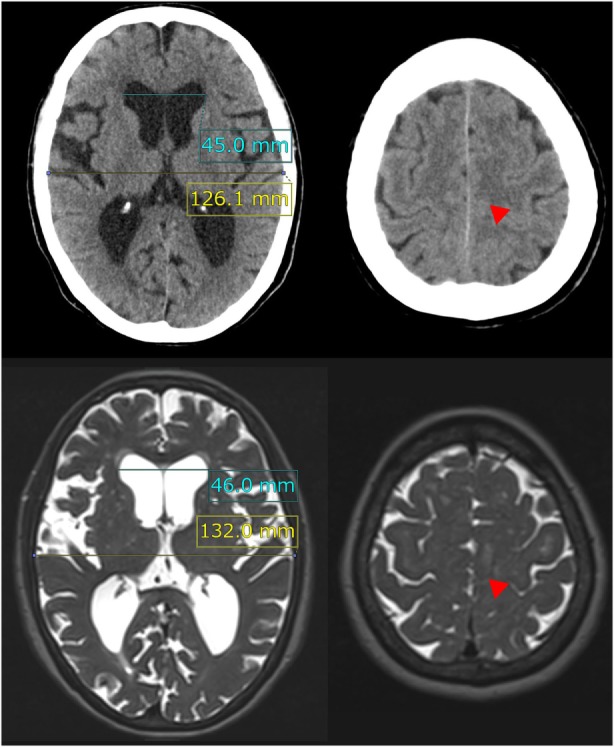
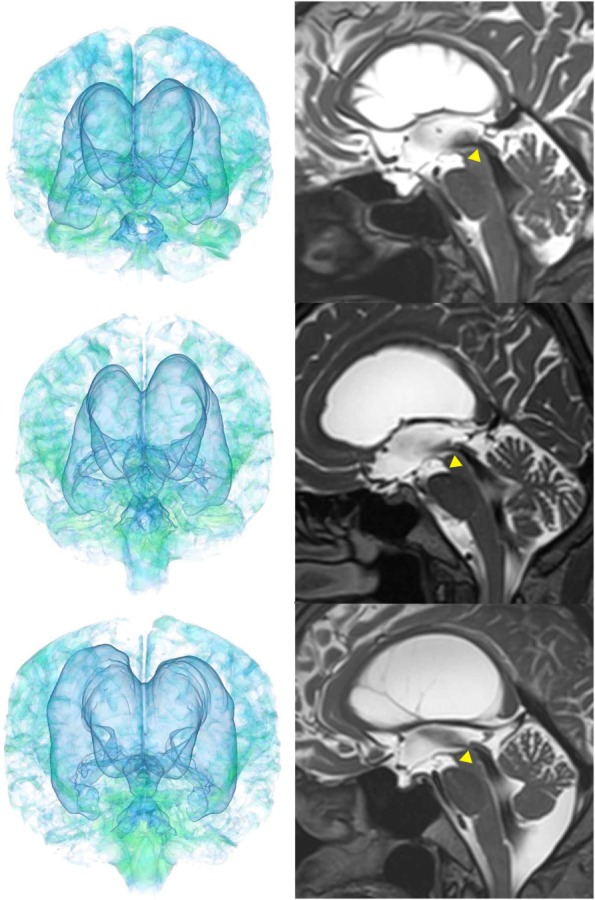
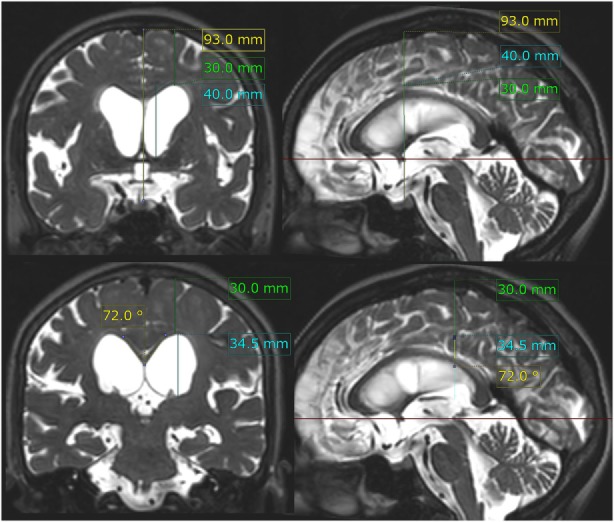
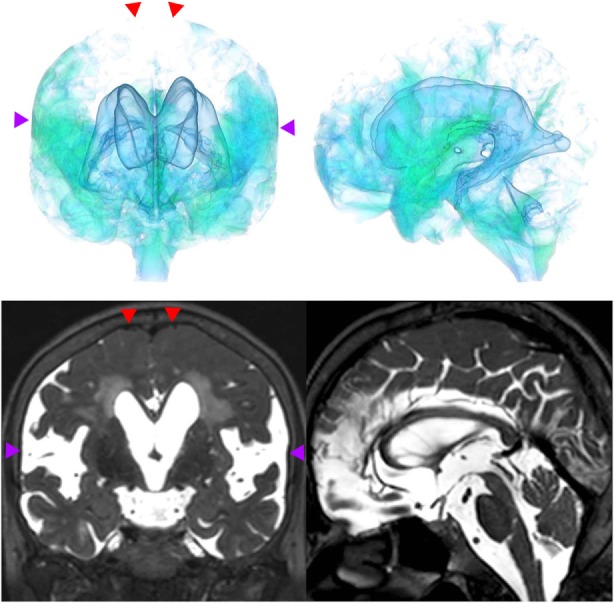
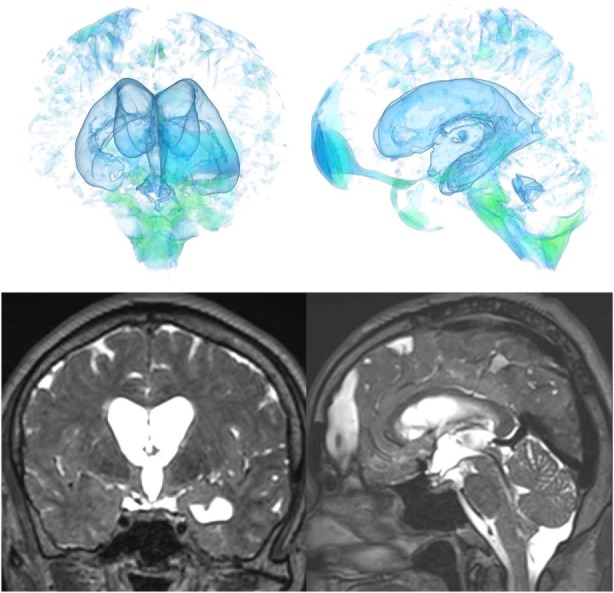
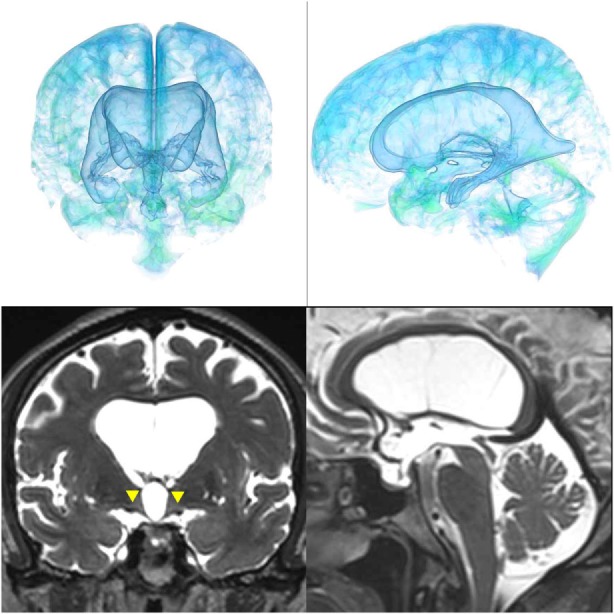
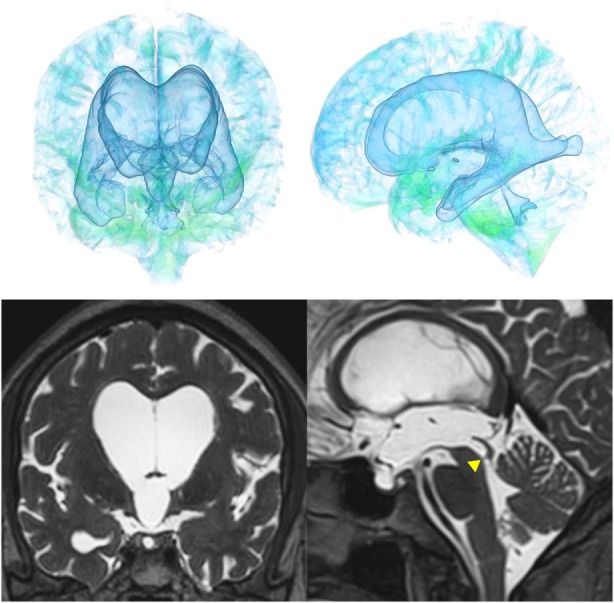
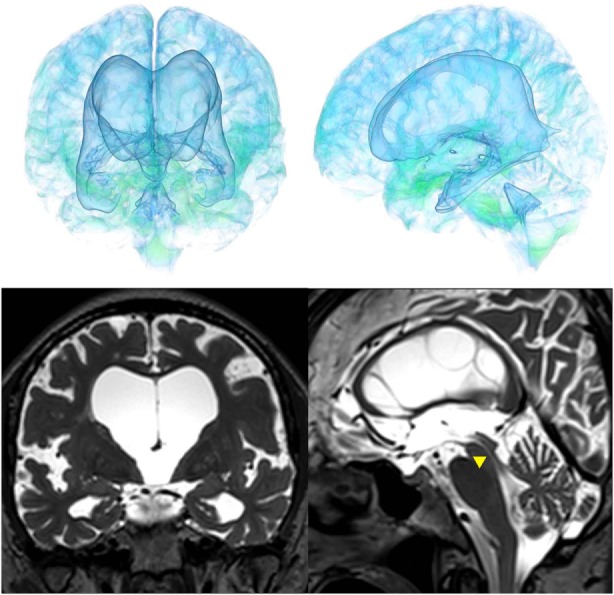
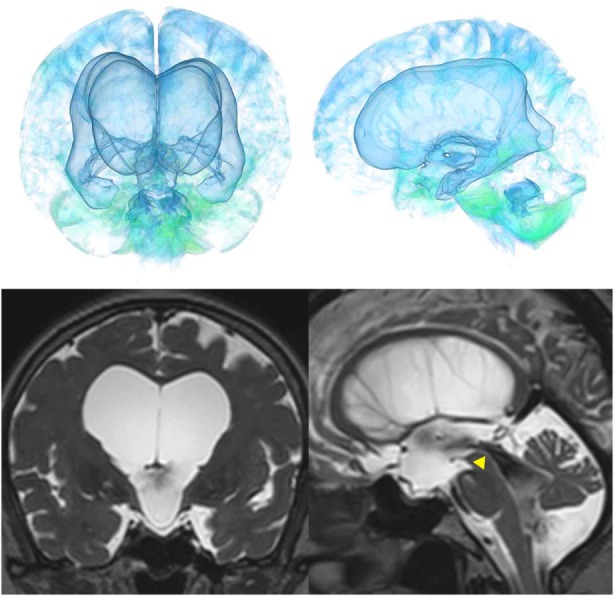
On the basis of conventional CT scan or MRI, idiopathic NPH was defined as narrow sulci at the high convexity in concurrent with enlargement of the ventricles, basal cistern and Sylvian fissure, whereas adult-onset congenital NPH was defined as huge ventricles without high-convexity tightness. We compared clinical characteristics and cerebrospinal fluid distribution among 85 patients diagnosed with idiopathic NPH, 17 patients with secondary NPH, and 7 patients with adult-onset congenital NPH. All patients underwent 3-T MRI examinations and tap-tests. The volumes of ventricles and subarachnoid spaces were measured using a 3D workstation based on T2-weighted 3D sequences.
The mean intracranial volume for the patients with adult-onset congenital NPH was almost 100 mL larger than the volumes for patients with idiopathic and secondary NPH. Compared with the patients with idiopathic or secondary NPH, patients with adult-onset congenital NPH exhibited larger ventricles but normal sized subarachnoid spaces. The mean volume ratio of the high-convexity subarachnoid space was significantly less in idiopathic NPH than in adult-onset congenital NPH, whereas the mean volume ratio of the basal cistern and Sylvian fissure in idiopathic NPH was >2 times larger than that in adult-onset congenital NPH. The symptoms of gait disturbance, cognitive impairment, and urinary incontinence in patients with adult-onset congenital NPH tended to progress more slowly compared to their progress in patients with idiopathic NPH.
Cerebrospinal fluid distributions and disease progression were significantly different among the patients with adult-onset congenital NPH, idiopathic NPH and secondary NPH. This finding indicates that the pathogenesis of adult-onset congenital NPH may differ from those of idiopathic and secondary NPH. Therefore, adult-onset congenital NPH should be definitively distinguished from the categories of idiopathic and secondary NPH.
尽管特发性正常压力脑积水(NPH)的证据越来越多,但关于特发性NPH临床护理的观点仍存在争议。观点的持续分歧可能是由于特发性和成人起病性先天性NPH的分类混淆。为了阐明NPH的分类,我们建议应明确区分成人起病性先天性NPH与特发性和继发性NPH。
基于传统CT扫描或MRI,特发性NPH被定义为同时伴有脑室、基底池和外侧裂扩大的高凸部脑沟变窄,而成人起病性先天性NPH被定义为脑室巨大但无高凸部狭窄。我们比较了85例诊断为特发性NPH的患者、17例继发性NPH患者和7例成人起病性先天性NPH患者的临床特征和脑脊液分布。所有患者均接受了3-T MRI检查和脑脊液引流试验。使用基于T2加权3D序列的3D工作站测量脑室和蛛网膜下腔的容积。
成人起病性先天性NPH患者的平均颅内容积比特发性和继发性NPH患者的容积大近100 mL。与特发性或继发性NPH患者相比,成人起病性先天性NPH患者的脑室更大,但蛛网膜下腔大小正常。特发性NPH患者高凸部蛛网膜下腔的平均容积比明显低于成人起病性先天性NPH患者,而特发性NPH患者基底池和外侧裂的平均容积比是成人起病性先天性NPH患者的2倍以上。与特发性NPH患者相比,成人起病性先天性NPH患者的步态障碍、认知障碍和尿失禁症状进展往往更缓慢。
成人起病性先天性NPH、特发性NPH和继发性NPH患者的脑脊液分布和疾病进展存在显著差异。这一发现表明成人起病性先天性NPH的发病机制可能与特发性和继发性NPH不同。因此,成人起病性先天性NPH应与特发性和继发性NPH明确区分开来。