Izmailov Andrei A, Povysheva Tatyana V, Bashirov Farid V, Sokolov Mikhail E, Fadeev Filip O, Garifulin Ravil R, Naroditsky Boris S, Logunov Denis Y, Salafutdinov Ilnur I, Chelyshev Yuri A, Islamov Rustem R, Lavrov Igor A
Department of Biology, Kazan State Medical University, Kazan, Russia.
Gamaleya Research Institute of Epidemiology and Microbiology, Moscow, Russia.
Front Pharmacol. 2017 Nov 13;8:813. doi: 10.3389/fphar.2017.00813. eCollection 2017.
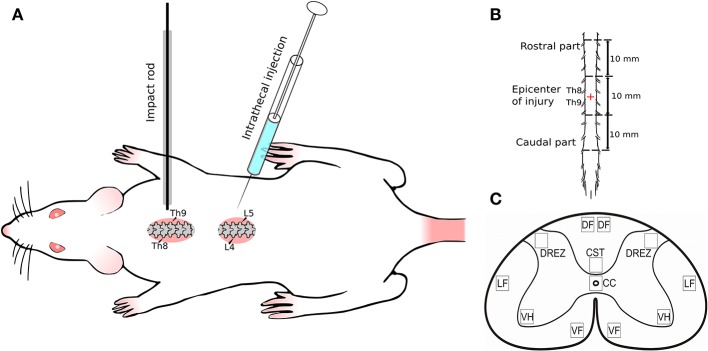
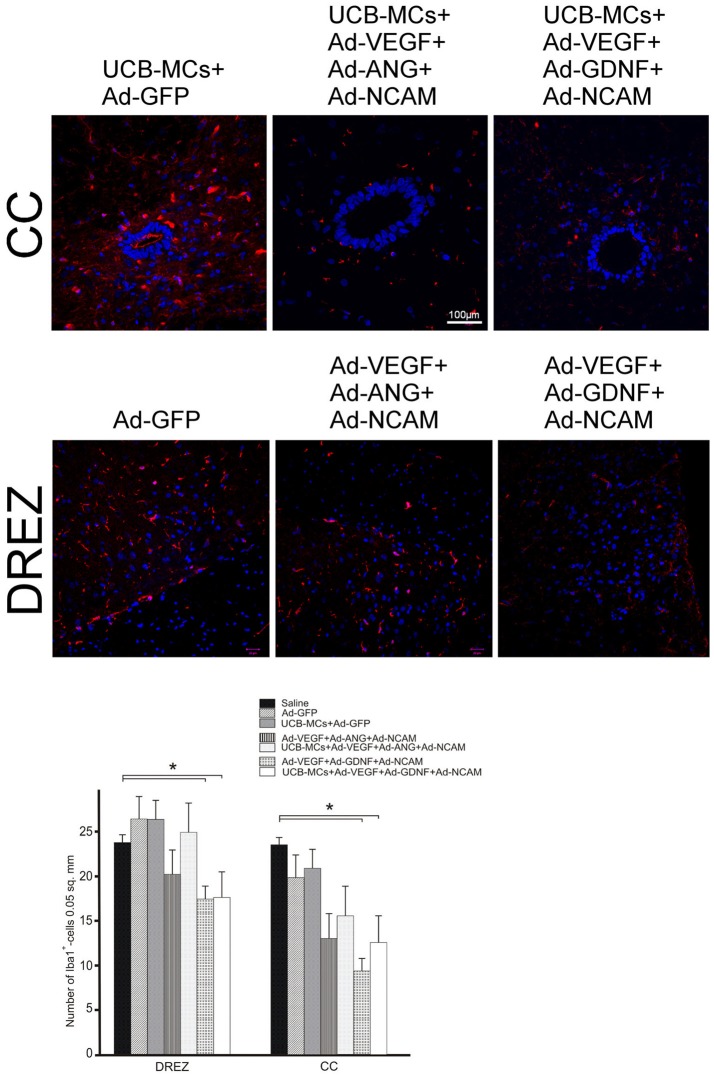
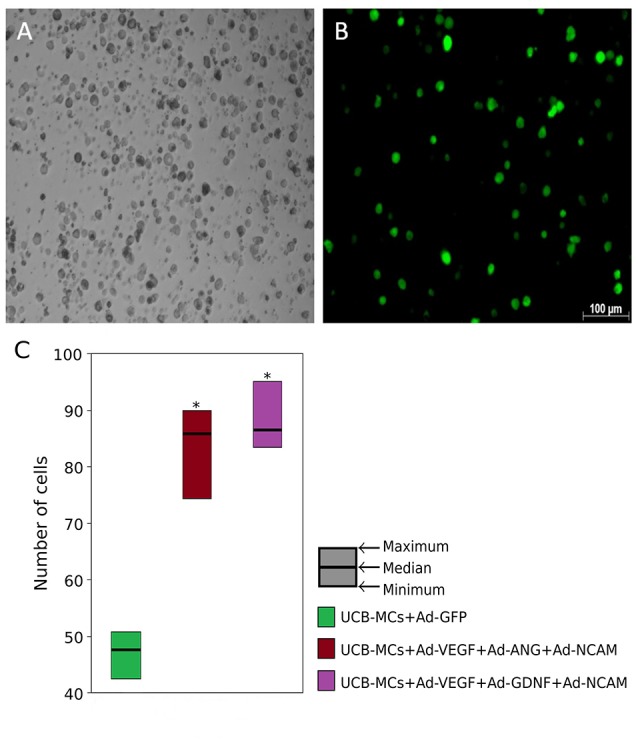
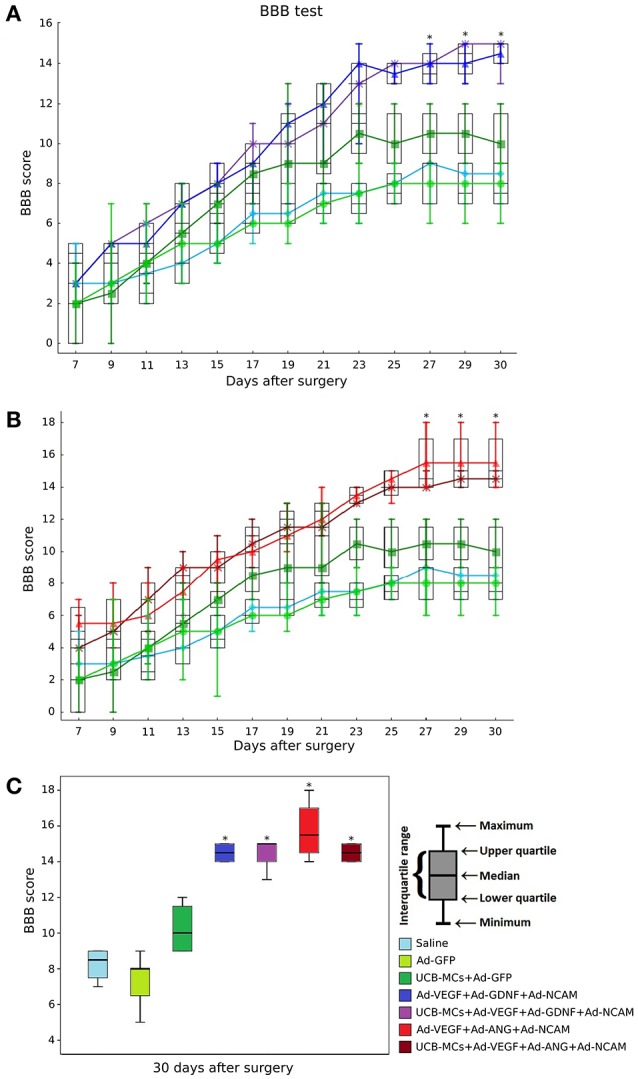
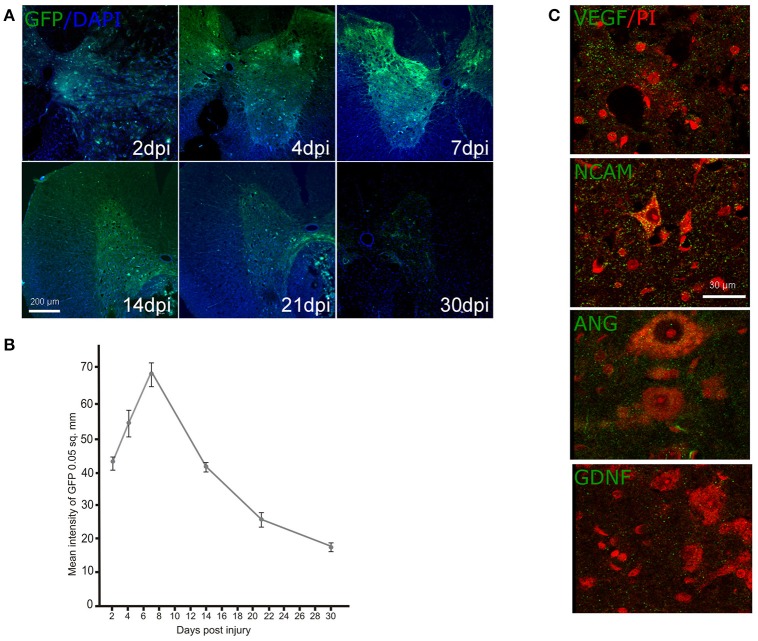
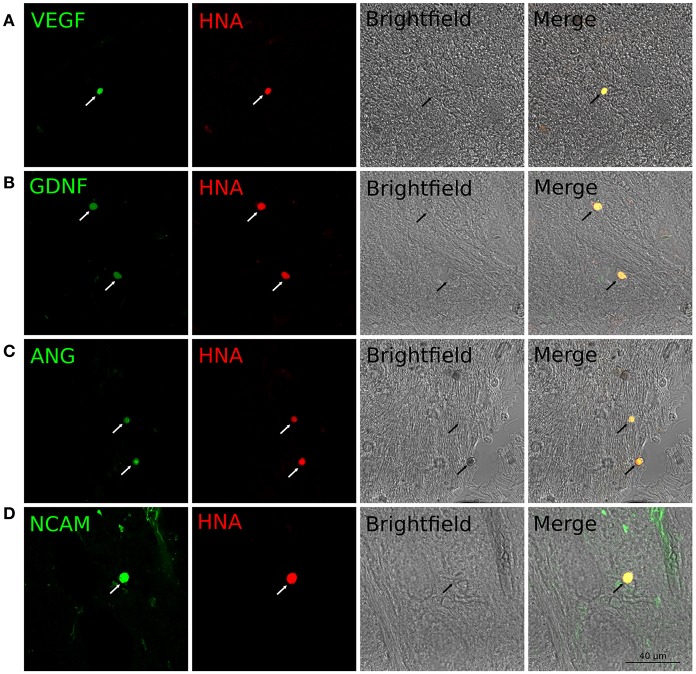
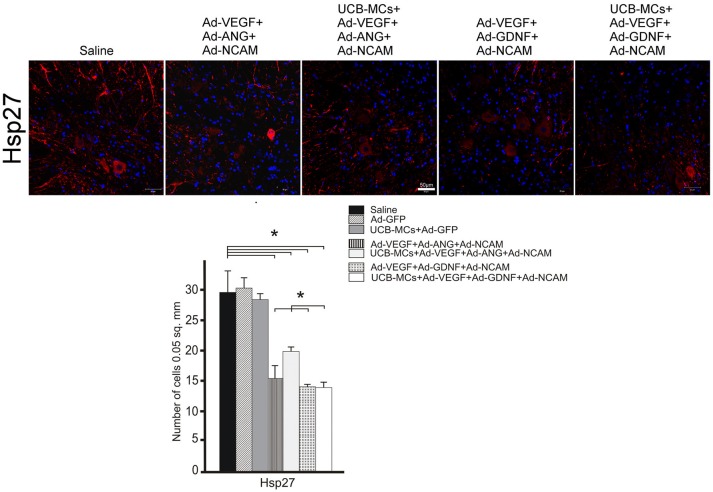
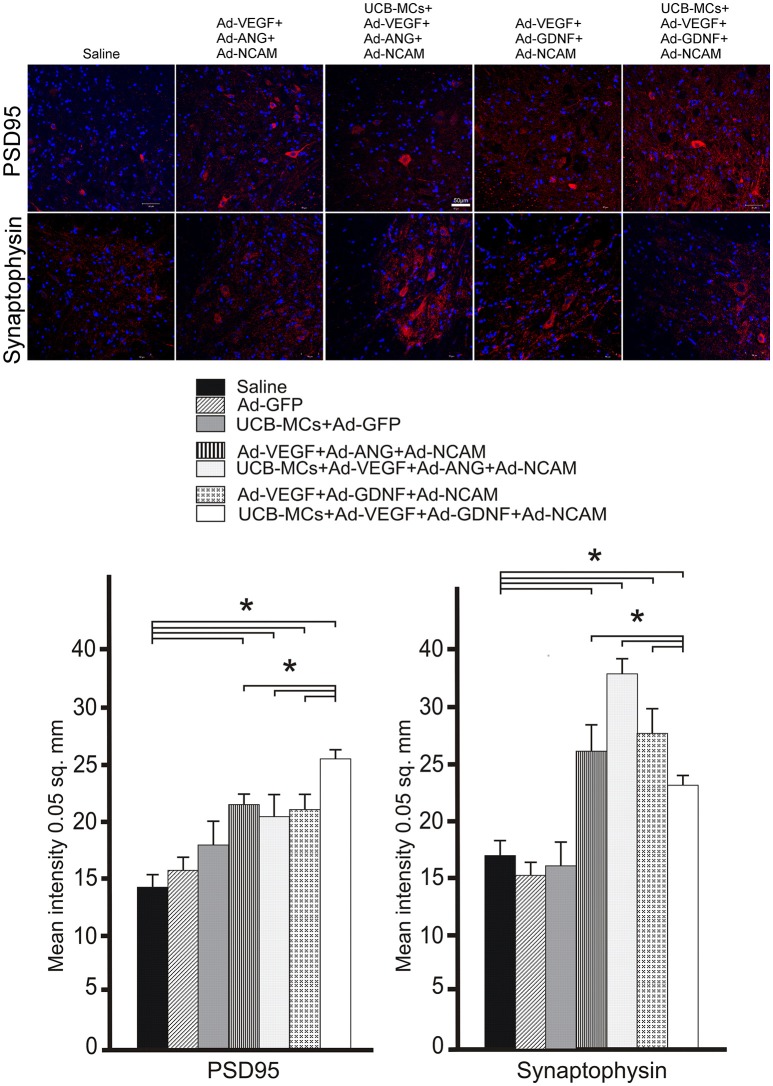
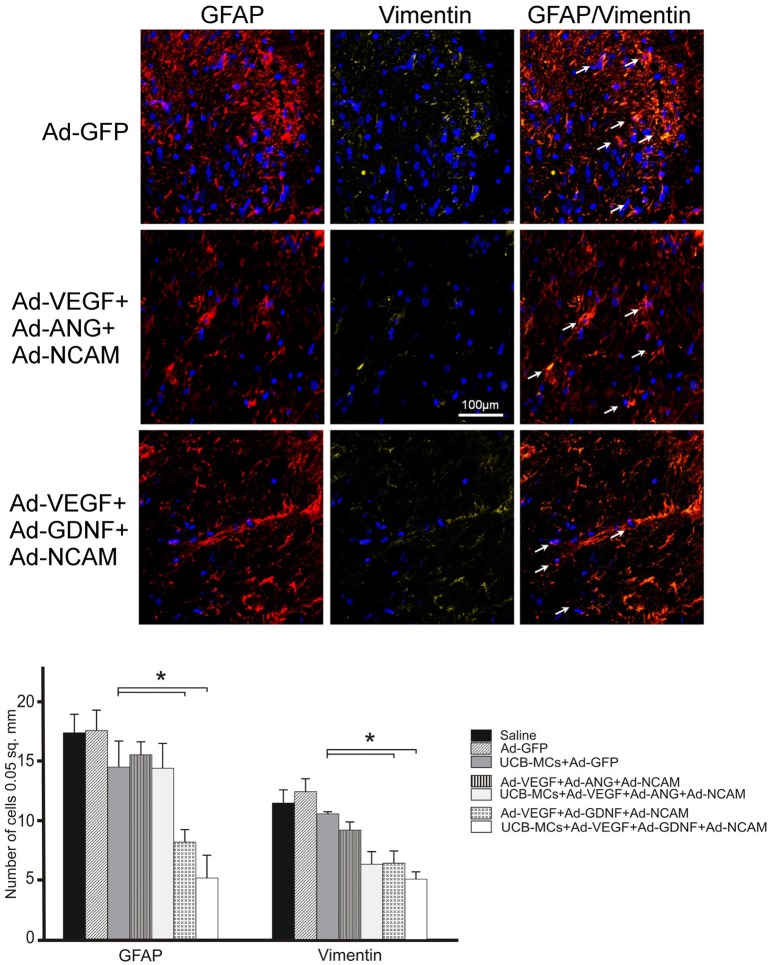
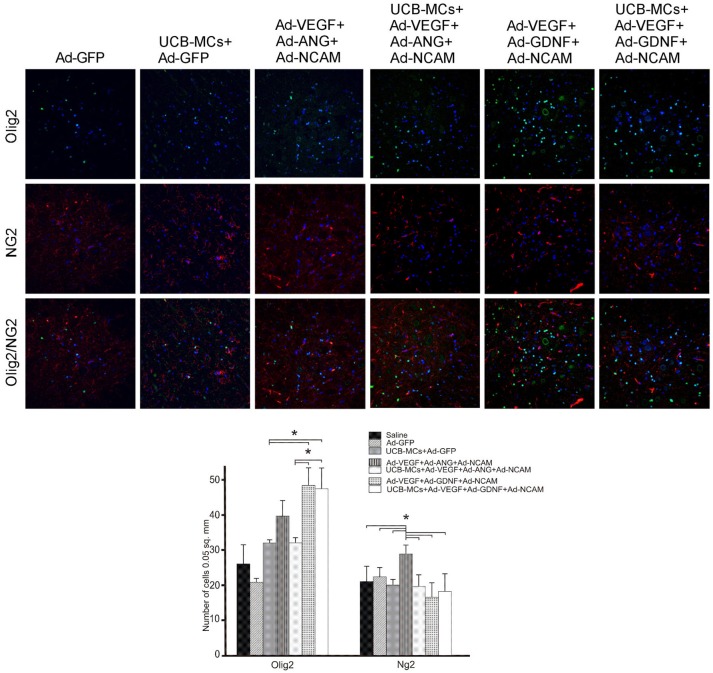
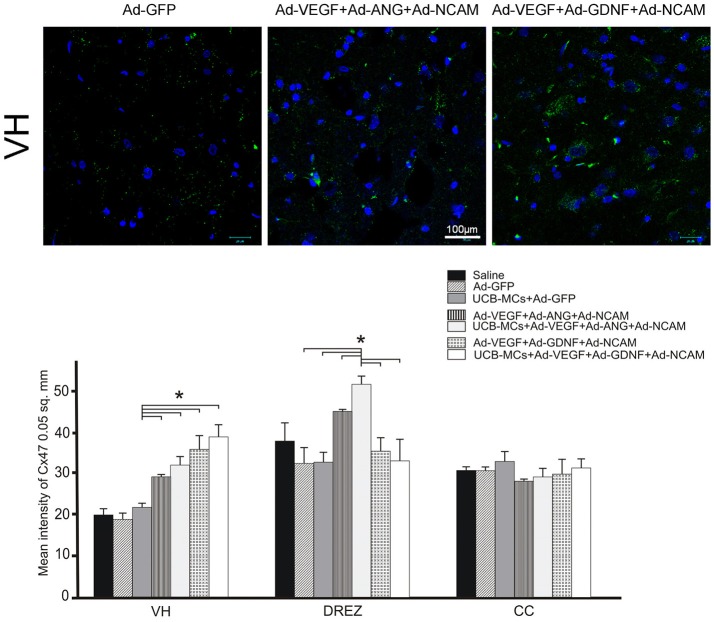
The gene therapy has been successful in treatment of spinal cord injury (SCI) in several animal models, although it still remains unavailable for clinical practice. Surprisingly, regardless the fact that multiple reports showed motor recovery with gene therapy, little is known about molecular and cellular changes in the post-traumatic spinal cord following viral vector- or cell-mediated gene therapy. In this study we evaluated the therapeutic efficacy and changes in spinal cord after treatment with the genes encoding vascular endothelial growth factor (VEGF), glial cell-derived neurotrophic factor (GDNF), angiogenin (ANG), and neuronal cell adhesion molecule (NCAM) applied using both approaches. Therapeutic genes were used for viral vector- and cell-mediated gene therapy in two combinations: (1) VEGF+GDNF+NCAM and (2) VEGF+ANG+NCAM. For adenoviral vectors based on serotype 5 (Ad5) were injected intrathecally and for gene delivery human umbilical cord blood mononuclear cells (UCB-MC) were simultaneously transduced with three Ad5 vectors and injected intrathecally 4 h after the SCI. The efficacy of both treatments was confirmed by improvement in behavioral (BBB) test. Molecular and cellular changes following post-traumatic recovery were evaluated with immunofluorescent staining using antibodies against the functional markers of motorneurons (Hsp27, synaptophysin, PSD95), astrocytes (GFAP, vimentin), oligodendrocytes (Olig2, NG2, Cx47) and microglial cells (Iba1). Our results suggest that both approaches with of therapeutic genes may support functional recovery of post-traumatic spinal cord via lowering the stress (down regulation of Hsp25) and enhancing the synaptic plasticity (up regulation of PSD95 and synaptophysin), supporting oligodendrocyte proliferation (up regulation of NG2) and myelination (up regulation of Olig2 and Cx47), modulating astrogliosis by reducing number of astrocytes (down regulation of GFAP and vimetin) and microglial cells (down regulation of Iba1).
基因治疗在多种动物模型的脊髓损伤(SCI)治疗中已取得成功,尽管其仍未应用于临床实践。令人惊讶的是,尽管有多项报告显示基因治疗可促进运动功能恢复,但对于病毒载体或细胞介导的基因治疗后创伤后脊髓的分子和细胞变化却知之甚少。在本研究中,我们评估了使用血管内皮生长因子(VEGF)、胶质细胞源性神经营养因子(GDNF)、血管生成素(ANG)和神经元细胞黏附分子(NCAM)编码基因进行两种方法治疗后脊髓的治疗效果和变化。治疗基因用于病毒载体和细胞介导的基因治疗的两种组合:(1)VEGF+GDNF+NCAM和(2)VEGF+ANG+NCAM。对于基于5型腺病毒载体(Ad5)进行鞘内注射,对于基因递送,人脐带血单个核细胞(UCB-MC)与三种Ad5载体同时转导,并在脊髓损伤后4小时进行鞘内注射。两种治疗方法的疗效均通过行为学(BBB)测试的改善得到证实。使用针对运动神经元(Hsp27、突触素、PSD95)、星形胶质细胞(GFAP、波形蛋白)、少突胶质细胞(Olig2、NG2、Cx47)和小胶质细胞(Iba1)功能标志物的抗体进行免疫荧光染色,评估创伤后恢复后的分子和细胞变化。我们的结果表明,两种治疗基因方法均可通过降低应激(下调Hsp25)和增强突触可塑性(上调PSD95和突触素)、支持少突胶质细胞增殖(上调NG2)和髓鞘形成(上调Olig2和Cx47)、通过减少星形胶质细胞数量(下调GFAP和波形蛋白)和小胶质细胞数量(下调Iba1)来调节星形胶质细胞增生,从而支持创伤后脊髓的功能恢复。