
铜蓝蛋白替代疗法改善了遗传性血铜蓝蛋白缺乏症的临床前模型中的神经症状。
Ceruloplasmin replacement therapy ameliorates neurological symptoms in a preclinical model of aceruloplasminemia.
机构信息
Proteome Biochemistry, Division of Genetics and Cell Biology, IRCCS-San Raffaele Scientific Institute, Milan, Italy.
Molecular Genetics of Intellectual Disabilities, Division of Neuroscience, IRCCS-San Raffaele Scientific Institute, Milan, Italy.
出版信息
EMBO Mol Med. 2018 Jan;10(1):91-106. doi: 10.15252/emmm.201708361.
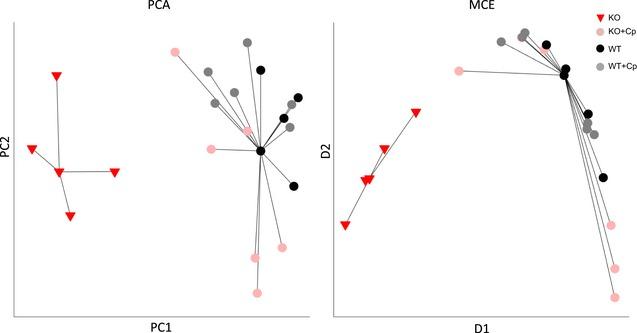
Aceruloplasminemia is a monogenic disease caused by mutations in the ceruloplasmin gene that result in loss of protein ferroxidase activity. Ceruloplasmin plays a role in iron homeostasis, and its activity impairment leads to iron accumulation in liver, pancreas, and brain. Iron deposition promotes diabetes, retinal degeneration, and progressive neurodegeneration. Current therapies mainly based on iron chelation, partially control systemic iron deposition but are ineffective on neurodegeneration. We investigated the potential of ceruloplasmin replacement therapy in reducing the neurological pathology in the ceruloplasmin-knockout (CpKO) mouse model of aceruloplasminemia. CpKO mice were intraperitoneal administered for 2 months with human ceruloplasmin that was able to enter the brain inducing replacement of the protein levels and rescue of ferroxidase activity. Ceruloplasmin-treated mice showed amelioration of motor incoordination that was associated with diminished loss of Purkinje neurons and reduced brain iron deposition, in particular in the choroid plexus. Computational analysis showed that ceruloplasmin-treated CpKO mice share a similar pattern with wild-type animals, highlighting the efficacy of the therapy. These data suggest that enzyme replacement therapy may be a promising strategy for the treatment of aceruloplasminemia.
铜蓝蛋白血症是一种由铜蓝蛋白基因突变引起的单基因疾病,导致蛋白亚铁氧化酶活性丧失。铜蓝蛋白在铁稳态中发挥作用,其活性障碍导致肝脏、胰腺和大脑中铁的积累。铁沉积促进糖尿病、视网膜变性和进行性神经退行性变。目前的治疗方法主要基于铁螯合,部分控制全身铁沉积,但对神经退行性变无效。我们研究了铜蓝蛋白替代治疗在减少铜蓝蛋白敲除(CpKO)小鼠模型中神经病理学中的潜在作用。CpKO 小鼠腹膜内给予人铜蓝蛋白 2 个月,能够进入大脑,诱导蛋白水平替代和亚铁氧化酶活性恢复。铜蓝蛋白治疗的小鼠运动不协调得到改善,与浦肯野神经元丢失减少和脑铁沉积减少有关,特别是脉络丛。计算分析表明,铜蓝蛋白治疗的 CpKO 小鼠与野生型动物具有相似的模式,突出了该疗法的疗效。这些数据表明,酶替代疗法可能是治疗铜蓝蛋白血症的一种有前途的策略。


 Zotero 插件