Bojić Tijana, Perović Vladimir R, Senćanski Milan, Glišić Sanja
Laboratory of Radiobiology and Molecular Genetics, Institute of Nuclear Sciences Vinča, University of Belgrade, Belgrade, Serbia.
Center for Multidisciplinary Research, Institute of Nuclear Sciences Vinča, University of Belgrade, Belgrade, Serbia.
Front Neurosci. 2017 Nov 14;11:636. doi: 10.3389/fnins.2017.00636. eCollection 2017.
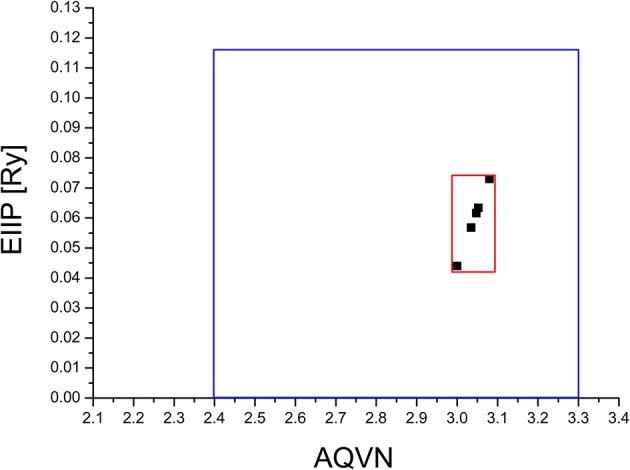
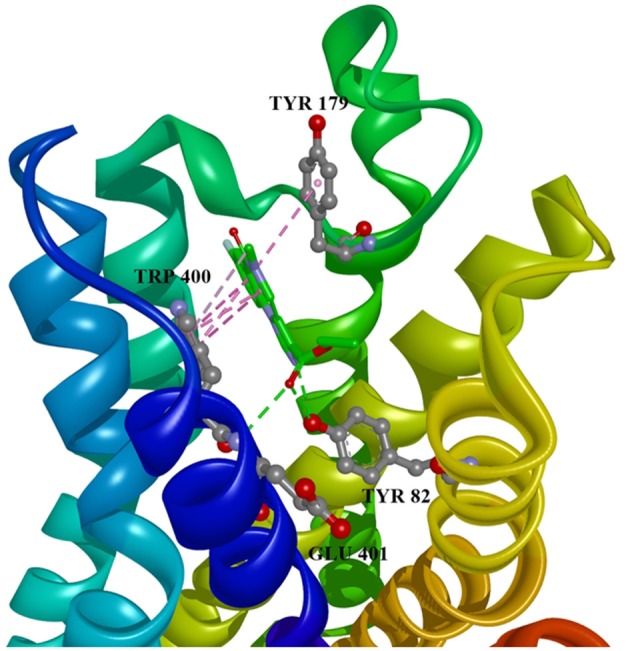
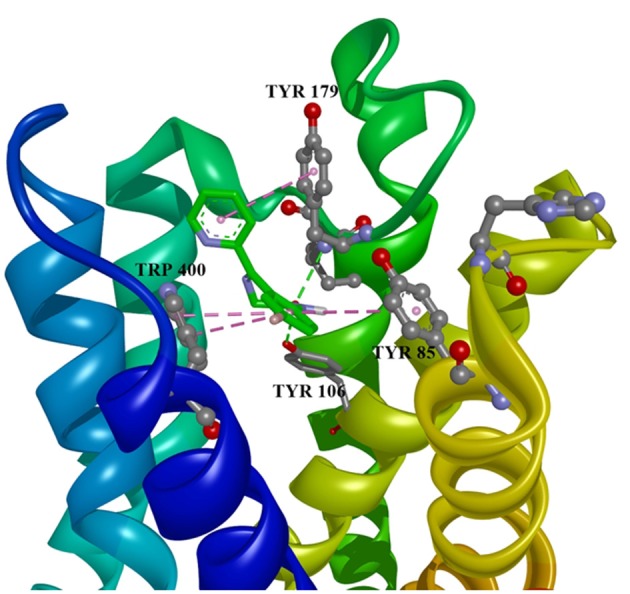
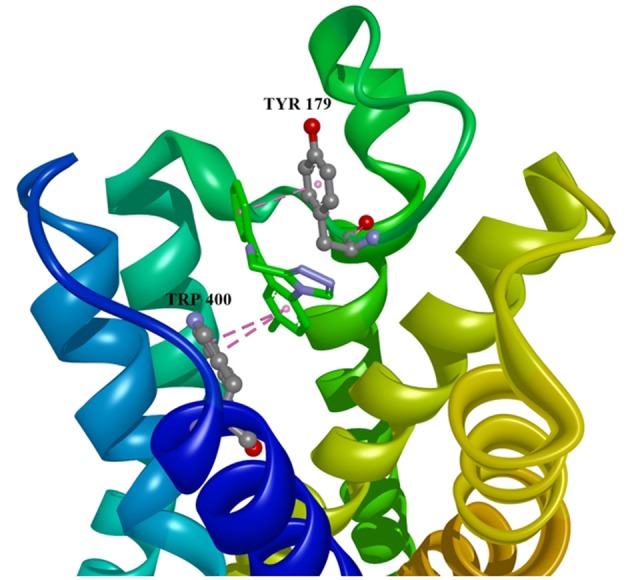
Chronic tinnitus is characterized by neuroplastic changes of the auditory cortex. A promising method for therapy of chronic tinnitus is vagus nerve stimulation (VNS) combined with auditory stimulation. The principle of VNS is reversal of pathological neuroplastic changes of the auditory cortex toward physiological neural activity and synchronicity. The VNS mechanism of action in chronic tinnitus patients is prevailingly through the muscarinic neuromodulation of the auditory cortex by the activation of nc. basalis Meynerti. The aim of this study is to propose potential pharmaceutics which may improve the neuromodulatory effects of VNS. The working hypothesis is that M1 receptors have a dominant role in the neural plasticity of the auditory cortex. We propose that allosteric agonists of the muscarinic receptor type 1 (M1) receptor could improve specificity and selectivity of the neuromodulatory effect of VNS on the auditory cortex of chronic tinnitus patients even in the circumstances of lower acetylcholine brain concentration. This intervention would also reinforce the re-learning process of tinnitus (sub)networks by acting on cholinergic memory and learning mechanisms. We performed screening of drug space using the EIIP/AQVN filter and selected 50 drugs as candidates for allosteric modulators of muscarinic receptors. Further filtering of these compounds by means of 3D QSAR and docking revealed 3 approved drugs-bromazepam, estazolam and flumazenil as the most promising candidates for combined chronic tinnitus therapy. These drugs should be further evaluated by biological tests and clinical trials.
慢性耳鸣的特征是听觉皮层的神经可塑性变化。一种有前景的慢性耳鸣治疗方法是迷走神经刺激(VNS)与听觉刺激相结合。VNS的原理是使听觉皮层的病理性神经可塑性变化向生理神经活动和同步性逆转。慢性耳鸣患者中VNS的作用机制主要是通过激活梅纳特基底核来对听觉皮层进行毒蕈碱神经调节。本研究的目的是提出可能改善VNS神经调节作用的潜在药物。工作假设是M1受体在听觉皮层的神经可塑性中起主导作用。我们提出,即使在脑内乙酰胆碱浓度较低的情况下,1型毒蕈碱受体(M1)的变构激动剂也可以提高VNS对慢性耳鸣患者听觉皮层神经调节作用的特异性和选择性。这种干预还将通过作用于胆碱能记忆和学习机制来加强耳鸣(子)网络的再学习过程。我们使用EIIP/AQVN过滤器对药物空间进行筛选,选择了50种药物作为毒蕈碱受体变构调节剂的候选药物。通过三维定量构效关系(3D QSAR)和对接对这些化合物进行进一步筛选,发现3种已批准的药物——溴西泮、艾司唑仑和氟马西尼是联合治疗慢性耳鸣最有前景的候选药物。这些药物应通过生物学试验和临床试验进行进一步评估。